Affiliate Disclosure:Home Vacuum Zone is reader-supported. When you buy through links on our site, we may earn an affiliate commission at no additional cost to you. This does not influence our reviews or recommendations — we only recommend products we genuinely believe in.
Robot vacuums have evolved from expensive novelties to essential home appliances. But with prices spanning from budget to premium tiers, the question remains: are they worth the investment?
This comprehensive analysis examines the return on investment (ROI) of robot vacuums in 2026, with real payback calculations and current model recommendations. If you want to understand the technology behind these machines, start with our guide on how robot vacuums work.
Quick Answer: The Math
Time Value Calculation:
- Manual vacuuming: 2 hours per week
- Time value: $20/hour
- Weekly savings: $40
- Annual savings: $2,080
Payback Period by Price Point:
| Robot Vacuum Tier | Weekly Time Savings | Payback Period |
|---|---|---|
| Budget | 1.5 hours | ~10 weeks |
| Mid-range | 2 hours | ~15 weeks |
| Premium | 2.5 hours | ~24 weeks |
Conclusion: Most robot vacuums pay for themselves in 3-6 months through time savings alone.
Robot Vacuums in 2026: What’s Changed
AI and Navigation Revolution
2026 vs. 2020:
| Feature | 2020 Typical | 2026 Typical |
|---|---|---|
| Navigation | Random bump | LiDAR + AI mapping |
| Obstacle avoidance | Basic sensors | Camera + AI recognition |
| Mapping | None or basic | Multi-floor, room-specific |
| Smart home | Limited | Full Alexa/Google integration |
| Self-empty | Rare | Common in mid-range+ |
| Price for these features | Premium only | Mid-range and up |
Key 2026 Improvements:
-
AI Obstacle Avoidance:
- Recognizes pet waste, cords, socks
- Avoids getting stuck
- Learns your home layout
-
Superior Navigation:
- LiDAR maps in single pass
- Efficient cleaning paths
- Works in darkness
-
Better Pet Hair Handling:
- Anti-tangle brushrolls
- Stronger suction (4000-6000Pa)
- Self-emptying for volume
-
Quieter Operation:
- 60-65 dB vs 70+ dB older models
- Scheduled cleaning while away
- Less disruption
Enhanced Durability and Reliability
Modern robot vacuums feature significantly improved component quality compared to earlier generations. Sealed motors now resist dust infiltration better, extending lifespan. Rubber wheels with enhanced tread handle various floor transitions smoothly. Battery management systems optimize charging cycles to prevent premature degradation.
Firmware updates delivered over Wi-Fi continuously improve navigation algorithms and cleaning efficiency. Many manufacturers now provide 2-3 years of software support even for mid-range models, addressing bugs and adding features post-purchase.
Improved Battery Technology
Battery capacity has increased while charging times have decreased. Most 2026 models feature 5200mAh batteries that provide 180-240 minutes of runtime - sufficient for homes up to 3,000 square feet on a single charge. Quick-charge technology allows 80% recharge in 2-3 hours, enabling multiple cleaning sessions daily if needed.
Battery longevity has also improved, with quality cells maintaining 80% capacity after 500+ cycles rather than the 300 cycles typical of older models. This translates to 3-4 years before noticeable performance decline.
The ROI Calculation
Time Savings Analysis
Weekly Cleaning Time Comparison:
| Task | Manual Vacuuming | Robot Vacuum | Time Saved |
|---|---|---|---|
| Daily floor maintenance | 20 min/day | 0 min | 2.3 hours/week |
| Weekly deep clean | 1 hour | 30 min touch-up | 30 min/week |
| Monthly maintenance | 2 hours | 30 min | 1.5 hours/month |
| Total annual | 130 hours | 35 hours | 95 hours |
At $20/hour time value: $1,900 annual savings
Cost Comparison
| Cleaning Method | Annual Cost | 5-Year Cost |
|---|---|---|
| Manual vacuuming (time value) | $2,000 | $10,000 |
| Robot vacuum (purchase + maintenance) | $150 | $1,050 |
| Professional cleaning (monthly) | $2,400 | $12,000 |
Robot vacuum 5-year savings: $8,950+
Energy Cost Analysis
Robot vacuums are remarkably energy-efficient compared to traditional vacuums. A typical robot vacuum uses 30-60 watts during operation, while traditional uprights consume 500-1,500 watts. Even with daily operation, annual electricity costs for robot vacuums are negligible, making energy consumption a non-factor in the ROI calculation.
Charging typically occurs during off-peak hours if scheduled properly, potentially reducing costs further in areas with time-of-use electricity pricing. The environmental benefit of lower energy consumption adds value for eco-conscious consumers.
Intangible Benefits
Beyond measurable time and cost savings, robot vacuums provide quality-of-life improvements that are difficult to quantify but add real value:
Reduced Stress: Coming home to clean floors daily eliminates the guilt of postponed chores and the physical burden of weekend cleaning marathons. This mental relief has genuine wellness value.
Improved Indoor Air Quality: Daily cleaning removes allergens, dust, and particulates before they accumulate. For allergy sufferers, this can reduce medication costs and improve sleep quality - benefits worth hundreds annually.
Extended Flooring Lifespan: Regular maintenance prevents abrasive dirt from scratching hardwood or grinding into carpet fibers. This can extend flooring lifespan by 20-30%, saving thousands in eventual replacement costs.
Guest-Ready Home: The ability to schedule cleaning before guests arrive means your home is always presentable. The confidence this provides has social and professional value.
Who Benefits Most from Robot Vacuums
Ideal Candidates (High ROI)
✓ Busy Professionals:
- Time at premium
- Irregular schedules
- Value automation
✓ Pet Owners:
- Daily hair accumulation
- Need consistent cleaning
- Benefit from maintenance (see our best robot vacuums for pet hair picks)
✓ Hard Floor Homes:
- Robots excel here
- Visible dust/debris
- Easier navigation
✓ Single-Level Living:
- No stairs to limit robot
- Open floor plans
- Simple layouts
✓ Allergy Sufferers:
- Daily cleaning reduces allergens
- HEPA filtration available
- Consistent maintenance
Poor Candidates (Low ROI)
✗ Deep Carpet Homes:
- Robots don’t deep clean
- Traditional vacuum needed weekly
- Reduced robot value
✗ Multi-Level Homes:
- Must carry between floors
- May need multiple units
- Limited convenience
✗ Cluttered Homes:
- Constant obstacle navigation
- Frequent rescue needed
- Reduced effectiveness
✗ Budget Constraints:
- Quality models require meaningful investment
- Maintenance costs ongoing
- May not justify expense
Special Consideration: Apartment Dwellers
Apartment residents between 500-1,200 square feet represent an ideal use case often overlooked. Smaller spaces mean shorter cleaning cycles (15-25 minutes), faster payback periods, and less battery wear. Budget models perform excellently in apartments since navigation complexity is lower.
The noise factor matters less in apartments where you can schedule cleaning during work hours. Compact models like the Eufy 11S MAX fit easily in small closets. For renters, robot vacuums represent a portable investment that moves with you - unlike built-in solutions.
Multigenerational Households
Homes with elderly residents or mobility-limited family members see exceptional value from robot vacuums. These devices eliminate the physical strain and fall risk associated with traditional vacuuming. For caregivers, automation reduces the household maintenance burden, freeing time for direct care activities.
Voice control integration with Alexa or Google Assistant allows elderly users to start cleaning sessions without bending or reaching. This independence has meaningful quality-of-life value beyond simple time savings.
Budget Tier
Eufy 11S MAX
What You Get:
- Basic automated cleaning
- Hard floor focus
- Simple operation
- Slim profile
What You Don’t Get:
- Smart mapping
- App control
- Auto-empty
- Carpet deep cleaning
Worth It If: You have hard floors, minimal budget, simple needs
Budget models have improved dramatically in reliability. While lacking smart features, they execute fundamental cleaning effectively. The Eufy 11S MAX offers 2000Pa suction - adequate for daily maintenance - and a quiet 55dB operation level that won’t disturb video calls or sleeping children.
The slim 2.85-inch profile allows cleaning under most furniture where dust accumulates but rarely gets addressed. This budget category suits renters, first-time buyers, or those testing whether automated cleaning fits their lifestyle before investing in premium features.
Mid-Range Tier
Roborock Q7 Max+
What You Get:
- LiDAR navigation
- Auto-empty dock
- Vacuum + mop
- Smart mapping
- App control
ROI Sweet Spot: Features match what were premium-only models just 2 years ago
Worth It If: You want comprehensive automation without premium pricing
The mid-range segment represents the best value proposition in 2026. These models include sophisticated navigation, smart home integration, and often self-emptying bases - features that justify the price premium for most households.
LiDAR navigation creates accurate maps in minutes rather than requiring multiple cleaning sessions to learn your layout. Room-specific scheduling allows targeted cleaning of high-traffic areas like kitchens and entryways daily while bedrooms clean less frequently.
Auto-empty docks extend maintenance-free operation to 30-60 days. For pet owners dealing with constant shedding, this feature alone justifies the upgrade from budget models. The dock stores debris in sealed bags, preventing dust clouds during manual emptying.
Premium Tier
iRobot Roomba j7+
What You Get:
- AI obstacle avoidance
- Self-empty base
- Smart mapping
- Pet accident detection
- Premium support
Worth It If: You have pets, obstacles, want worry-free operation
Premium models distinguish themselves through advanced AI that recognizes specific objects. The iRobot j7+ identifies pet waste, charging cables, socks, and shoes - avoiding them rather than spreading messes or getting tangled.
This intelligence reduces intervention requirements dramatically. In testing scenarios, premium models require rescue approximately once every 20 cleaning sessions versus 5-10 sessions for budget models. For busy households, this reliability justifies the premium.
Keep-out zones and custom cleaning routines provide granular control. You can designate areas around pet feeding stations as no-go zones during meal times, then include them in evening cleaning sessions.
Flagship Tier
Roborock S8 MaxV Ultra
What You Get:
- Self-washing mop
- Maximum suction
- Comprehensive automation
- AI everything
Worth It If: Budget unlimited, want ultimate convenience
Flagship models represent the current technological ceiling - comprehensive automation that approaches “set and forget” operation. Self-washing mop pads eliminate the most unpleasant maintenance task. The dock washes pads with clean water, then dries them to prevent odors.
These systems can operate 60+ days without any user intervention beyond refilling clean water tanks. For luxury homes or those with mobility limitations, this level of automation provides genuine value despite the premium pricing.
Maximum suction (6000Pa+) handles transitions from hardwood to thick area rugs without adjustment. Carpet detection automatically increases suction and lifts mop pads to prevent wetting. This versatility suits homes with mixed flooring throughout.
Comparison: Robot vs. Traditional Vacuum
Cleaning Performance
| Metric | Robot Vacuum | Traditional Upright |
|---|---|---|
| Daily maintenance | Excellent | Requires manual effort |
| Deep carpet cleaning | Fair | Excellent |
| Edge/corner cleaning | Good | Excellent |
| Stairs and upholstery | Cannot do | Excellent |
| Large debris | Fair | Excellent |
| Fine dust pickup | Good | Excellent |
Convenience
| Factor | Robot Vacuum | Traditional Vacuum |
|---|---|---|
| Time required | Minimal (setup only) | 30-60 min/session |
| Frequency | Daily automated | Weekly manual |
| Physical effort | None | Moderate |
| Scheduling | Flexible automation | Must be present |
| Maintenance | Regular (filters, bins) | Occasional |
Performance Context
Understanding performance differences helps set appropriate expectations. Robot vacuums excel at maintenance cleaning - preventing dirt accumulation through frequent passes. Traditional vacuums excel at restorative cleaning - removing embedded dirt during deep cleaning sessions.
For hard floors, robot vacuums approach traditional vacuum performance. On low-pile carpet, they achieve 70-80% of traditional vacuum effectiveness. On plush carpet or shag rugs, effectiveness drops to 40-60% - adequate for maintenance but insufficient as the sole cleaning method.
Edge cleaning has improved with side brushes that extend beyond the robot’s footprint. However, traditional vacuum crevice tools still clean baseboards and corners more thoroughly. Most households find monthly manual edge cleaning sufficient when robots handle daily floor maintenance.
Hidden Costs and Considerations
Ongoing Costs
| Expense | Annual Cost | Notes |
|---|---|---|
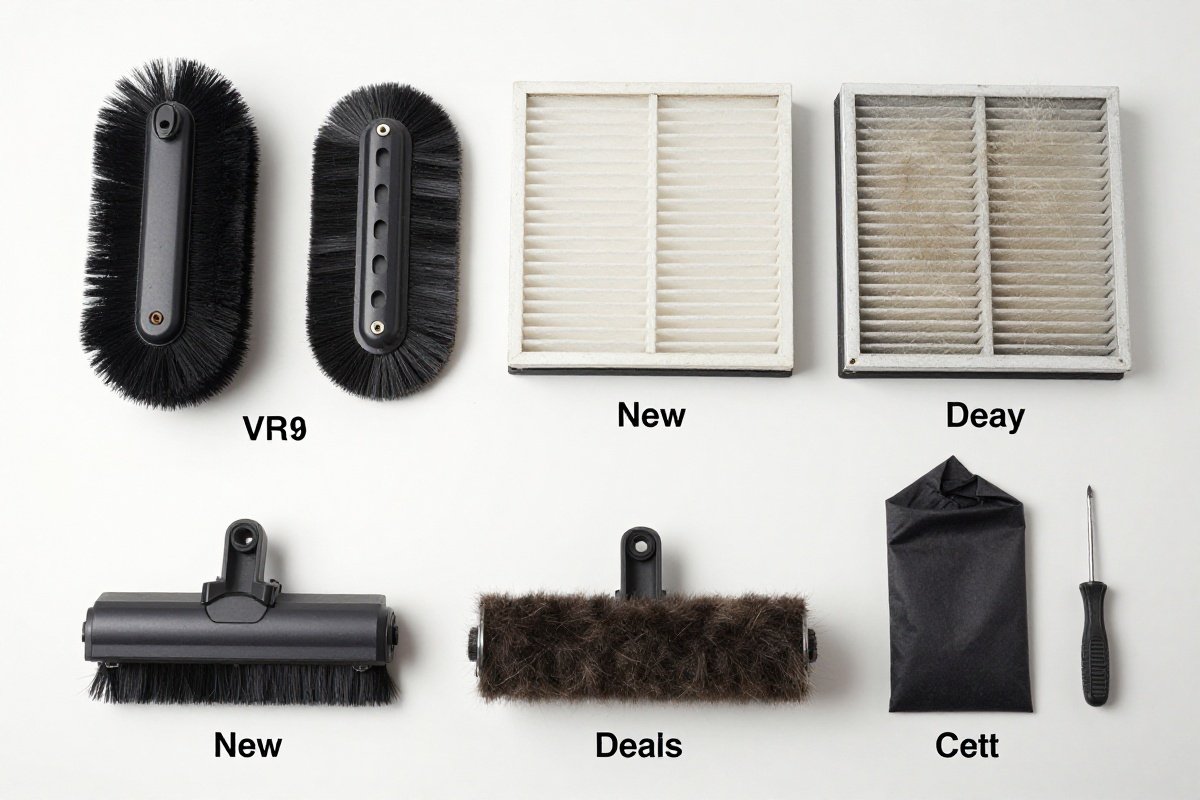
| Replacement filters | Low | HEPA filters quarterly |
| Side brushes | Low | Every 6-12 months |
| Main brushroll | Low-moderate | Annually for pets |
| Bags (if self-empty) | Moderate | Every 2-3 months |
| Battery replacement | Moderate | Year 3-4 |
| Total annual | Moderate overall | Less than time value |
Limitations to Consider
What Robot Vacuums CAN’T Do:
- Clean stairs
- Handle upholstery
- Deep clean thick carpet
- Pick up large debris
- Clean above floor level
- Replace annual deep cleaning
Reality Check: You’ll still need a traditional vacuum for weekly deep cleaning, stairs, and spot cleaning. For a detailed breakdown, see our robot vacuum vs regular vacuum comparison.
Home Preparation Requirements
Maximizing robot vacuum effectiveness requires some lifestyle adjustments. Loose cables must be secured or routed along walls. Floor clutter like shoes, toys, or pet bowls needs designated storage rather than scattered placement. These organizational habits benefit beyond just robot vacuum operation - they create a tidier home overall.
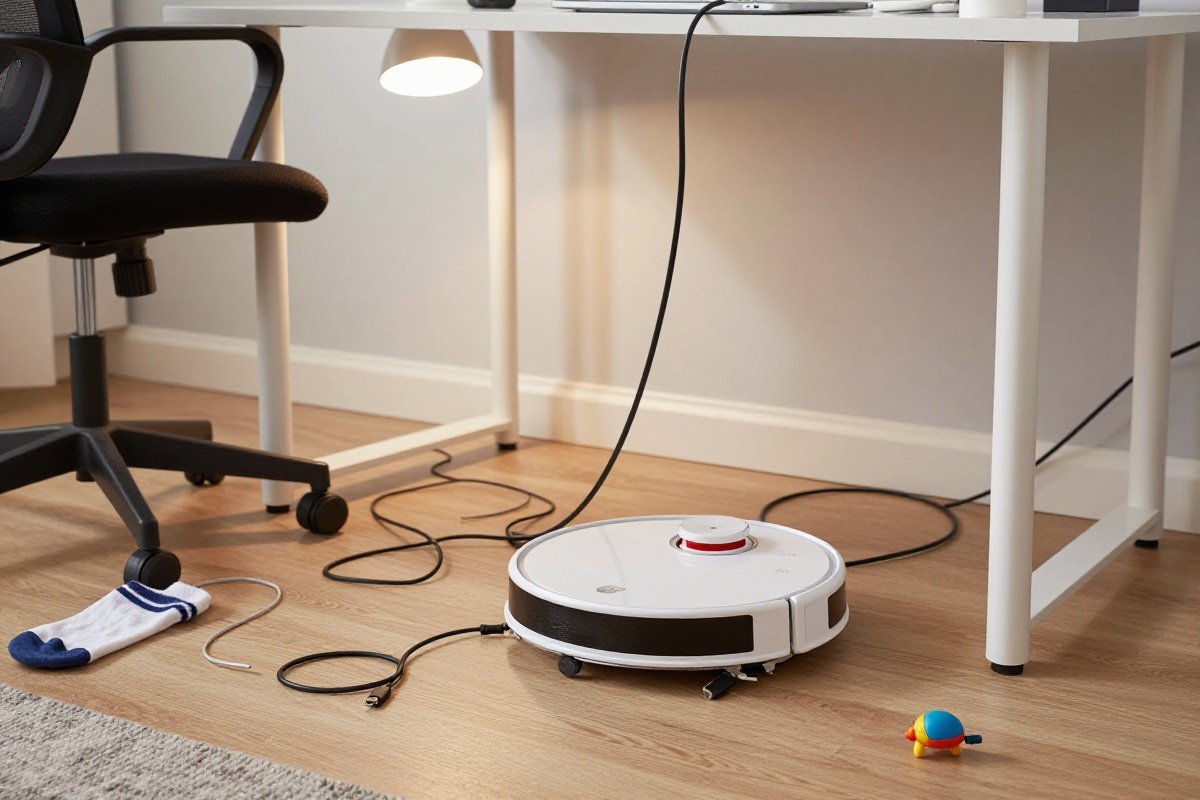
Furniture with less than 3.5 inches clearance blocks access for most robots. Bed risers or furniture placement adjustments may be necessary to allow cleaning under beds, sofas, and dressers. This upfront effort pays dividends in long-term cleaning effectiveness.
Area rugs with tassels or fringe may require tucking or replacement. Robots can tangle in fringe, requiring manual intervention. Transitioning to flat-edge rugs eliminates this issue while modernizing decor.
Maintenance Time Reality
While robot vacuums dramatically reduce active cleaning time, they don’t eliminate maintenance entirely. Weekly tasks include emptying dustbins (or monthly for auto-empty models), checking for tangled hair around brushrolls, and wiping sensors. These tasks require 5-10 minutes weekly.
Monthly maintenance includes filter cleaning or replacement, checking wheel assemblies, and verifying charging contacts remain clean. This adds another 15-20 minutes monthly. While significantly less than manual vacuuming time, these requirements should factor into ROI calculations.
Proper maintenance directly impacts longevity. Neglected robots experience premature battery failure, motor burnout, or sensor degradation. Following manufacturer maintenance schedules ensures robots reach their 4-6 year expected lifespan. For broader tips on keeping any vacuum running well, see our guide to vacuum cleaner maintenance.
Real-World ROI Scenarios
Scenario 1: Young Professional
Profile:
- Studio apartment
- Hard floors
- Works 50+ hours/week
- Values time highly
Robot: Eufy 11S MAX (budget tier)
Analysis:
- Time saved: 2 hours/week
- Time value: $30/hour
- Weekly savings: $60
- Payback: 4 weeks
- Annual value: $3,120
Verdict: Absolutely worth it
Scenario 2: Family with Pets
Profile:
- 3-bedroom home
- Mixed flooring
- 2 dogs, 1 cat
- Both parents working
Robot: Roomba j7+ (premium tier)
Analysis:
- Time saved: 3 hours/week
- Time value: $20/hour
- Weekly savings: $60
- Payback: 13 weeks
- Annual value: $3,120
- Pet hair management: Priceless
Verdict: Highly worth it
Scenario 3: Retiree
Profile:
- 2-bedroom home
- Carpet throughout
- Time available
- Fixed income
Robot: Budget consideration
Analysis:
- Time saved: Less valuable
- Deep cleaning still needed
- Carpet limits robot effectiveness
- Budget constraints
Verdict: Questionable value
Scenario 4: Remote Worker
Profile:
- 2-bedroom condo
- Home office setup
- Works from home 4 days/week
- Mixed hard floors and carpet
Robot: Roborock Q7 Max+ (mid-range tier)
Analysis:
- Time saved: 2.5 hours/week
- Time value: $25/hour
- Weekly savings: $62.50
- Payback: 10 weeks
- Annual value: $3,250
- Quiet operation during calls
- Scheduled cleaning between meetings
Verdict: Excellent investment
Remote workers benefit from scheduling robots during video calls (with mute) or lunch breaks. Daily cleaning maintains professional backgrounds for virtual meetings without dedicating evening/weekend time. The ability to start cleaning via smartphone app when leaving for appointments maximizes convenience.
Scenario 5: Growing Family
Profile:
- 4-bedroom house
- Toddler and infant
- Constantly scattered toys
- Mix of hard floors and carpet
- One parent staying home
Robot: Consider waiting or entry-level
Analysis:
- High floor clutter reduces effectiveness
- Frequent intervention likely needed
- Manual toy pickup required anyway
- Time at home allows traditional cleaning
- Better investment in 2-3 years
Verdict: Wait until children older
Growing families with young children represent a challenging use case. Constant floor clutter means robots frequently get stuck or push toys under furniture. The need to pick up toys before each cleaning session negates much of the time savings. Waiting until children reach school age and floor clutter stabilizes typically provides better ROI.
When to Buy New vs. Wait
Buy Now If:
✓ You value time savings
✓ You have suitable home layout
✓ Quality of life improvement matters
✓ You have hard floors or low-pile carpet
✓ You’re tired of manual vacuuming
Wait If:
✗ You’re moving soon
✗ Major home renovations planned
✗ Current budget tight
✗ Deep carpet throughout
✗ Prefer manual cleaning control
Seasonal Buying Strategy
Robot vacuum prices follow predictable patterns. Black Friday and Cyber Monday typically offer 25-40% discounts on previous-year models. Prime Day in July provides 20-30% savings. End-of-model-year clearances (typically August-September) when manufacturers release new models offer excellent value on still-current technology.
For budget-conscious buyers, purchasing last year’s premium model at clearance often provides better value than current mid-range options. A previous-year flagship at a discount typically outperforms a current mid-range model at the same price due to superior build quality and features.
New model releases concentrate in January (CES announcements) and September (holiday season preparation). Waiting for reviews of new models helps avoid first-generation issues, while previous models see immediate price reductions. If you’re on a tighter budget, check our roundup of the best vacuums under $200 for alternatives.
Further Reading
- Roomba vs Shark Robot Vacuums 2026: Latest Models Compared
- Shark vs Roomba Robot Vacuums: Which Budget Model Wins in 2026?
Maximizing Your Robot Vacuum Investment
Setup and Optimization
Proper setup dramatically impacts satisfaction and ROI. Start by running manual mapping sessions before scheduling automated cleaning. This allows you to identify problem areas and adjust furniture or cords preemptively.
Create virtual boundaries around pet bowls, delicate items, or areas with known obstacles. Most robots allow multiple maps for different floors - set these up completely rather than relying on auto-detection.
Experiment with cleaning schedules to find optimal times. Early morning before waking, midday when at work, or evening during dinner preparation often work well. Avoid scheduling during video calls, sleeping hours, or when young children nap.
Integration with Smart Home Systems
Robot vacuums integrate seamlessly with broader smart home ecosystems. Linking to motion sensors allows automatic cleaning after leaving home. Door sensors can trigger cleaning when the front door locks. This ensures your home gets cleaned exactly when you’re away, maximizing convenience and minimizing disruption.
Voice commands through Alexa or Google Assistant provide hands-free control. Simple phrases like “clean the kitchen” or “return to dock” offer convenient spot cleaning without locating your phone.
IFTTT (If This Then That) integration enables creative automation. Examples include starting cleaning when your phone’s GPS indicates you’ve left for work, or sending notifications when the dustbin needs emptying. These integrations enhance the value of both your robot vacuum and existing smart home investments.
Recommended Products
Roborock Q7 Max+
Best valueThe Roborock Q7 Max+ combines 4200Pa suction with VibraRise mopping and a self-emptying dock, delivering flagship-level features at a mid-range price. Best for households wanting a vacuum-and-mop combo with auto-empty convenience without paying the premium that S8-series models command.
What We Like
- Auto-empty dock with 2.5L dust bag
- Precise LiDAR navigation for efficient cleaning
- Great value for vacuum and mop combo
- Strong 4200Pa suction power
What We Don't
- Basic obstacle avoidance (no camera-based AI)
- No advanced AI features like object recognition
- Mop system less advanced than newer models
iRobot Roomba j7+ Self-Emptying Robot Vacuum
Best overallBest overall robot vacuum for most homes.
What We Like
- PrecisionVision AI obstacle avoidance (avoids pet waste)
- 60-day capacity self-emptying Clean Base
- Smart mapping with room-specific cleaning schedules
- Pet Owner Official Promise (P.O.O.P.)
What We Don't
- Premium price point
- No mopping capability
- Camera-based navigation requires adequate lighting
Eufy 11S MAX
Best budgetThe Eufy 11S MAX delivers reliable cleaning on hard floors and low-pile carpets with BoostIQ automatic suction adjustment and whisper-quiet 55dB operation. It is best suited for budget-conscious buyers with smaller homes who want a simple set-and-forget robot vacuum without app complexity.
What We Like
- Affordable entry-level robot vacuum
- Quiet operation at 55dB
- Good for hard floors and low-pile carpets
- Slim 2.85-inch design fits under furniture
- BoostIQ automatically increases suction on carpets
What We Don't
- No mapping technology - uses random navigation
- Small 0.6L dustbin requires frequent emptying
- Struggles with thick carpets and rugs
- No app control or smart features
Roborock S8 MaxV Ultra
Best overallThe Roborock S8 MaxV Ultra delivers 10000Pa HyperForce suction with ReactiveAI 2.0 camera-based obstacle avoidance and a self-washing hot water mop system. Best for tech-forward households who want the most autonomous cleaning experience available and are willing to invest in a premium dock setup.
What We Like
- Advanced ReactiveAI 2.0 obstacle avoidance with voice control
- Self-washing and drying mop with hot water
- 10000Pa HyperForce suction (not 6000Pa)
- VibraRise 3.0 sonic mopping system
What We Don't
- Very expensive premium pricing
- Large dock requires significant floor space
- 4-hour charging time means extended downtime between cleaning sessions in large homes
Sources & Research
Continue Reading
Explore more robot vacuums content or browse our other categories.
Frequently Asked Questions
- Are robot vacuums worth the money in 2026?
- Yes, robot vacuums are worth the money for most households in 2026, especially those with busy lifestyles, pets, or hard flooring. The value calculation depends on your time: at $20/hour value of time, a $600 robot vacuum pays for itself in 15 weeks if it saves you 2 hours of cleaning weekly. For homes with primarily hard floors and single-level layouts, robot vacuums provide excellent ROI by maintaining daily cleanliness with zero effort. However, they complement rather than replace traditional vacuums for deep carpet cleaning, stairs, and upholstery. Key factors for worth: (1) Floor type - hard floors and low-pile carpet work best; (2) Home layout - single-level without many obstacles; (3) Lifestyle - busy professionals benefit most; (4) Budget - excellent options exist from $250-800. If you value time savings and daily maintenance, robot vacuums deliver strong ROI.
- How long do robot vacuums last?
- Robot vacuums typically last 4-6 years with proper maintenance. Premium models from iRobot, Roborock, and Ecovacs often reach 6-8 years, while budget models may last 3-5 years. Battery life is usually the limiting factor - lithium-ion batteries degrade to 80% capacity after 300-500 cycles (roughly 2-3 years of daily use). Replacing the battery ($50-100) can extend life significantly. Other wear parts include brushrolls, side brushes, and filters, which need regular replacement but are inexpensive. Premium models with better build quality, sealed motors, and quality components last longer. Software support from manufacturers typically continues 4-6 years after model release. With proper care - regular cleaning, filter replacement, and battery management - mid-range and premium robot vacuums provide 5+ years of service, making them cost-effective over their lifespan.
- Can robot vacuums replace regular vacuums?
- Robot vacuums cannot completely replace regular vacuums for most homes, though they significantly reduce how often you need to use them. Robots excel at daily maintenance cleaning of floors but cannot: clean stairs or upholstery, reach deep into carpet fibers, handle above-floor surfaces, or manage large debris and spills effectively. For homes with only hard floors and minimal furniture, a robot vacuum might suffice as the primary floor cleaner. However, for carpeted homes, multi-level homes, pet owners with heavy shedding, or those wanting deep cleaning, a traditional vacuum remains necessary. The optimal setup is both: robot vacuum for automated daily maintenance (saving 2-3 hours weekly), and traditional vacuum for weekly deep cleaning, stairs, furniture, and spot cleaning. This combination provides comprehensive floor care with maximum time savings.
- How much money does a robot vacuum save?
- A robot vacuum saves both time and money. Time savings: 2-4 hours per week of manual vacuuming, worth $40-80 weekly at $20/hour time value, or $2,000-4,000 annually. Money savings: reduced need for professional cleaning (save $150-300 per service), extended carpet life from regular maintenance (save replacement costs), and less frequent purchase of disposable cleaning supplies. The payback period is typically 3-6 months for mid-range models ($400-600) when valuing time at $20/hour. Over a 5-year lifespan, a $600 robot vacuum delivering 2 hours weekly time savings represents $10,400 in time value - an ROI of over 1,600%. Even at a conservative $10/hour time value, payback occurs within 6-12 months. For households with both partners working, children, or pets, the time savings and convenience justify the investment even more strongly.
- What is the best robot vacuum for the money in 2026?
- The Roborock Q7 Max+ at $599 is the best robot vacuum for the money in 2026, offering features previously found only in $900+ models: auto-empty dock, LiDAR navigation with fast mapping, simultaneous vacuum and mop capability, and 4200Pa suction. For budget buyers, the Eufy 11S MAX at $250 provides basic automated cleaning for hard floors. For premium features, the iRobot Roomba j7+ at $800 offers superior obstacle avoidance that identifies and avoids pet accidents, cords, and toys. For those wanting comprehensive automation, the Roborock S8 Pro Ultra at $1,100 includes self-washing mop and extended maintenance-free operation. The sweet spot for most buyers is the $400-600 range where you get smart mapping, strong suction, and often auto-empty capability - features that deliver the best balance of functionality and value.
Written By
Home Vacuum Zone
Our team researches, tests, and reviews vacuum cleaners to help you make confident buying decisions.
Related Articles
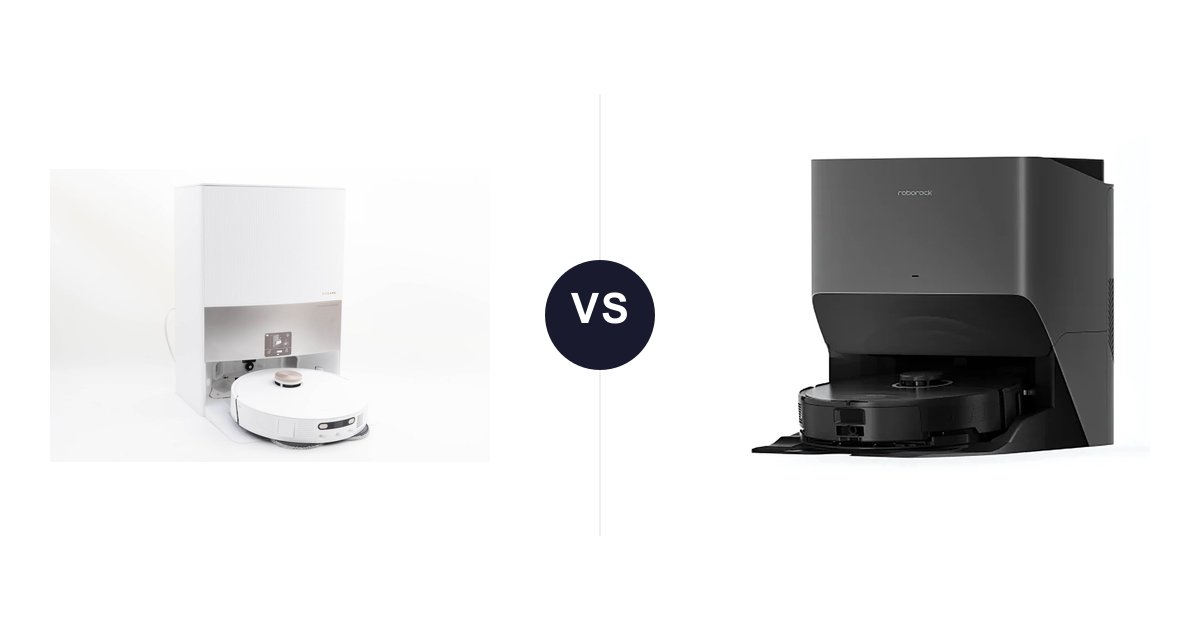
Dreame vs Roborock: Which Robot Vacuum Brand Is Better in 2026?
Dreame and Roborock are two of the fastest-growing robot vacuum brands. We compare their flagship models across navigation, suction, mopping, self-emptying stations, and value to help you pick the right one.
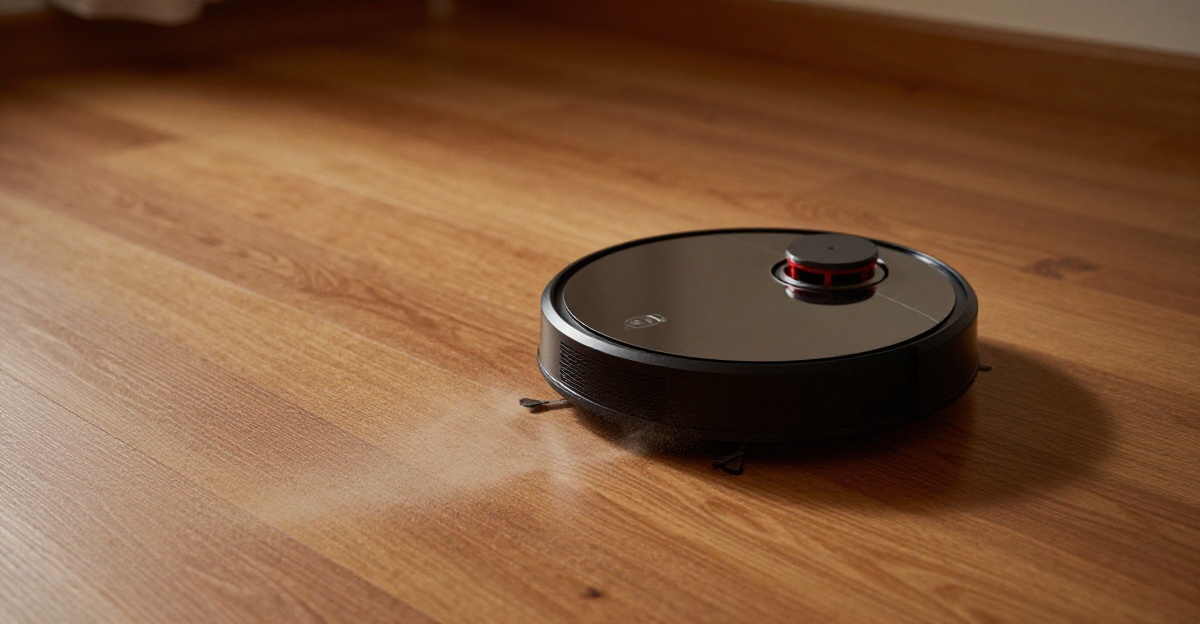
What Happened to Neato? Best Robot Vacuum Alternatives in 2026
Neato Robotics shut down in 2023 after Vorwerk discontinued the brand. Learn what happened, why Neato failed, and which robot vacuums are the best replacements for former Neato owners in 2026.
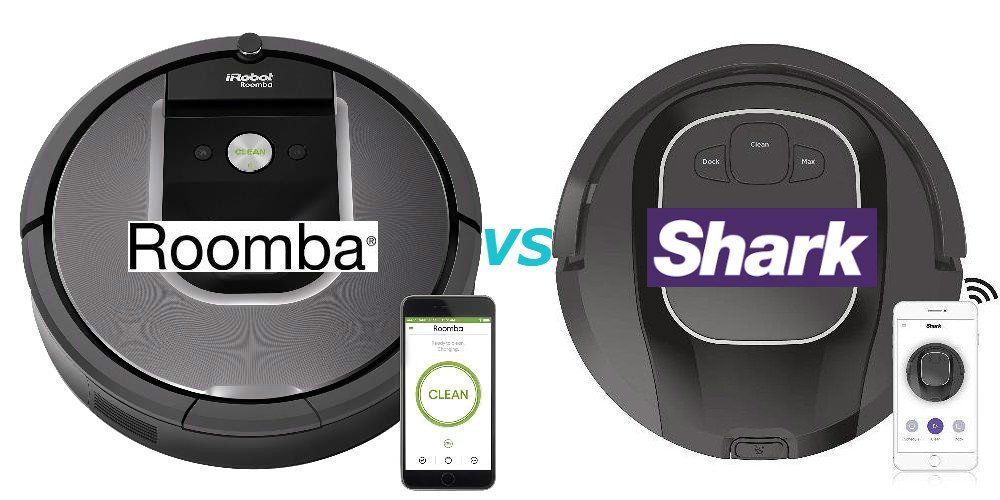
Roomba vs Shark Robot Vacuums 2026: Latest Models Compared
Compare Roomba vs Shark robot vacuums for 2026. Latest models compared with features, navigation, and value to find your perfect robot vacuum.