Affiliate Disclosure:Home Vacuum Zone is reader-supported. When you buy through links on our site, we may earn an affiliate commission at no additional cost to you. This does not influence our reviews or recommendations — we only recommend products we genuinely believe in.
Quick Picks
Keeping your car’s interior clean isn’t just about appearance - it’s about health, comfort, and preserving your vehicle’s value. The right car vacuum makes the difference between a frustrating chore and a quick, effective clean.
This guide covers the best car vacuums available in 2026, from powerful cordless handhelds to professional-grade wet/dry options. If you’re also shopping for a home vacuum, check our complete vacuum buying guide for broader recommendations.
Why You Need a Dedicated Car Vacuum
While you could lug your home vacuum to the driveway, dedicated car vacuums offer advantages:
- Portability: Lightweight and easy to maneuver in tight spaces
- Attachments: Crevice tools and brushes designed for automotive interiors
- Convenience: Quick cleanups without dragging out the big vacuum
- Power Options: 12V car outlet or cordless battery for anywhere cleaning
- Storage: Compact enough to keep in your trunk or garage
The confined spaces of a car interior present unique cleaning challenges. Seat tracks, door pockets, cup holders, and the area between seats and center consoles require specialized tools and flexibility that home vacuums simply can’t provide. A dedicated car vacuum pays for itself in time saved and cleaning effectiveness.
Additionally, keeping a car vacuum readily accessible encourages regular maintenance rather than letting dirt and debris accumulate for months. Weekly quick cleanups prevent the need for marathon cleaning sessions and keep your vehicle’s interior looking newer for longer.
Quick Comparison
| Model | Type | Value Tier | Runtime | Best For |
|---|---|---|---|---|
| BLACK+DECKER Dustbuster+ | Cordless | Budget | 20 min | Overall best |
| ThisWorx 12V | 12V Car | Budget | Unlimited* | Budget |
| Bissell Pet Hair Eraser | Cordless | Budget | 15 min | Pet hair |
| Vacmaster Beast | Wet/Dry | Mid-Range | Unlimited* | Deep cleaning |
| Dyson V12 | Cordless | Premium | 60 min | Premium multi-use |
*Requires running car or outlet power
Top Car Vacuum Reviews
1. BLACK+DECKER Dustbuster AdvancedClean+ - Best Overall
The Dustbuster has been the handheld vacuum standard for decades, and the AdvancedClean+ represents the best version yet for car cleaning.
Car-Specific Features:
- Extra-long crevice tool reaches under seats and into tight spaces
- Brush attachment for dash and vents
- XL dustbin (compared to standard Dustbuster)
- Flip-out extension for extended reach
Performance: The 20V lithium-ion battery provides strong suction (25+ AW) that picks up embedded dirt from car carpets. Runtime of 20 minutes is sufficient for a complete car interior clean.
Pros:
- Strong suction for handheld
- Useful car-specific attachments
- Large dustbin capacity
- Reputable brand with parts availability
Cons:
- 20-minute runtime limits whole-car deep cleaning
- 4-hour charge time
- Canister can be tricky to empty cleanly
Verdict: The best balance of power, features, and price for car cleaning.
Price Tier: Budget
2. ThisWorx Portable Car Vacuum - Best Budget
The ThisWorx plugs into your car’s 12V outlet, offering unlimited runtime as long as your engine runs.
How It Works: Simply plug into your car’s power outlet (cigarette lighter), turn on the car, and vacuum. No batteries to charge, no runtime limits.
Performance: Suction is adequate for surface dirt and crumbs but weaker than cordless lithium-ion models. The HEPA filter captures fine dust, and the included carrying case keeps everything organized.
Pros:
- Very affordable
- Never needs charging
- Compact storage
- HEPA filter included
Cons:
- Requires car to be running
- Weaker suction than cordless options
- Short power cord limits reach
Verdict: Best budget option for basic car cleaning without charging hassle.
Price Tier: Budget
3. Bissell Pet Hair Eraser Lithium Ion - Best for Pet Hair
Pet hair embeds itself in car upholstery and carpet fibers. The Bissell Pet Hair Eraser’s motorized brush roll actually removes it.
Key Feature: The motorized brush roll attachment agitates upholstery fibers, releasing embedded pet hair that suction alone can’t remove. This is the difference between surface cleaning and actually getting the hair out.
Performance: The 14V lithium battery provides 15 minutes of runtime - enough for targeted pet hair removal but not whole-car deep cleaning. The specialized rubber nozzle attracts hair through static electricity.
Pros:
- Motorized brush actually removes embedded hair
- Specialized pet tools
- Dual filtration system
- Easy-empty dustbin
Cons:
- Short 15-minute runtime
- Limited to pet-focused cleaning
- No extension tools for crevices
Verdict: Essential for pet owners dealing with car upholstery hair.
Price Tier: Budget
4. Vacmaster Beast VFB511B - Best Wet/Dry
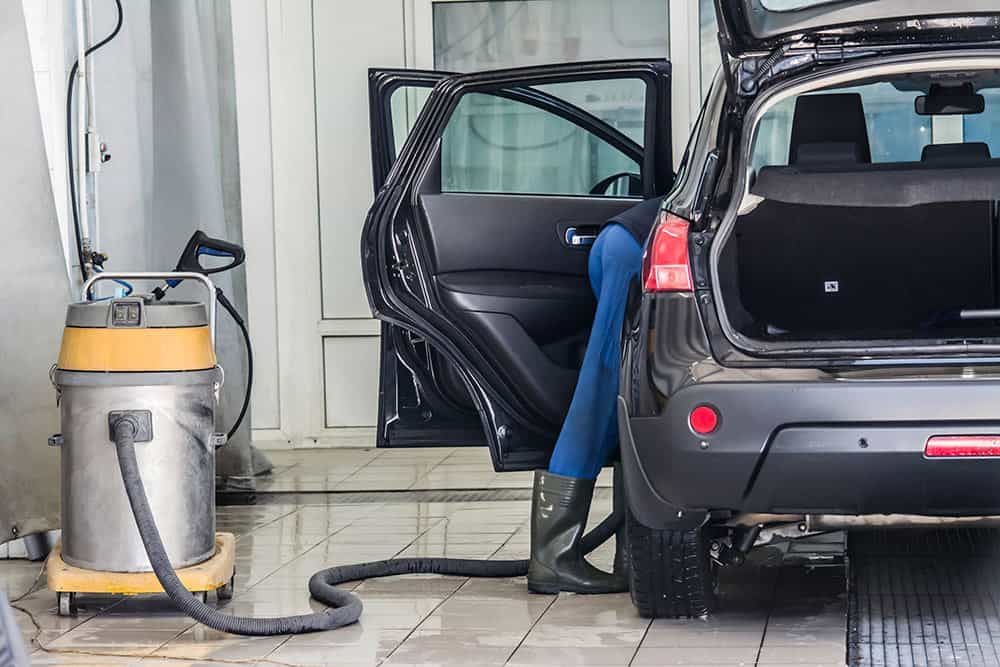
For serious car detailing, spills, or wet carpets, a wet/dry vacuum provides capabilities handhelds can’t match.
Car Detailing Capability: The 5-gallon capacity handles large jobs. The included car detailing kit has tools specifically for automotive cleaning. The 5.5 horsepower motor extracts water from wet carpets effectively.
Wet/Dry Function: Unlike handhelds, this handles spilled drinks, wet carpets from snow/rain, and can be used with extraction tools for deep upholstery cleaning.
Pros:
- Handles wet spills and liquids
- Powerful suction (5.5 HP)
- Large capacity (5 gallons)
- Car detailing attachments included
Cons:
- Bulky and heavy (13 lbs)
- Requires garage power outlet
- Overkill for quick cleanups
Verdict: Best for serious detailers or those dealing with frequent spills.
Price Tier: Mid-Range
5. Dyson V12 Detect Slim - Best Premium
If you want a car vacuum that’s also excellent for home use, the Dyson V12 delivers professional-grade performance.
Convertible Design: The V12 works as a full stick vacuum for home use, then converts to a powerful handheld for car cleaning. One premium vacuum serves all needs.
Car Cleaning Features:
- Laser dust detection reveals hidden dirt
- Whole-machine HEPA filtration
- 60-minute runtime (more than enough for car)
- Multiple attachments including crevice tool
Performance: 150 AW suction is overkill for car cleaning but ensures thorough pickup. The laser illumination shows you exactly what you’re missing.
Pros:
- Exceptional suction power
- Multi-use (home and car)
- Premium build quality
- Advanced features
Cons:
- Very expensive
- Overkill if only for car use
- Smaller dustbin than dedicated car vacuums
Verdict: Best if you want one premium vacuum for everything.
Price Tier: Premium
Understanding Car Vacuum Types and Technologies
Cordless Handheld Vacuums
Cordless handhelds dominate the car vacuum market due to their convenience and improving battery technology. For a deeper look at handheld vacuum options, see our dedicated roundup. Modern lithium-ion batteries deliver strong suction without the weight and memory issues of older nickel-cadmium batteries.
Battery Technology Differences: Lithium-ion batteries maintain consistent suction until they’re nearly depleted, while older battery types gradually lose power throughout use. This means 15 minutes of lithium-ion runtime provides more effective cleaning than 20 minutes of older battery technology.
Most cordless car vacuums use voltage ratings between 12V and 20V. Higher voltage generally means stronger suction, but motor efficiency and airflow design matter more than voltage alone. A well-designed 16V vacuum can outperform a poorly designed 20V model.
Charge Time Considerations: Quick charge times (2-3 hours) make cordless vacuums more practical for spontaneous cleaning. Models requiring 4+ hours to charge often sit uncharged in the garage when you need them. If you vacuum your car weekly, consider a model with a charging dock that keeps the vacuum ready at all times.
12V Car-Powered Vacuums
These vacuums plug directly into your vehicle’s 12V power outlet (cigarette lighter socket) and draw power from the car’s electrical system. They eliminate battery concerns but introduce other limitations.
Power Draw Limitations: Car power outlets typically provide 10-15 amps at 12 volts, limiting maximum power to roughly 120-180 watts. This constraint explains why 12V vacuums generally offer weaker suction than cordless lithium models, which can burst higher power levels for short periods.
When 12V Makes Sense: For quick maintenance cleanups after trips, commuters who clean their cars during lunch breaks, or budget-conscious buyers, 12V models offer adequate performance. They’re particularly useful for fleet vehicles or rental cars where battery maintenance becomes impractical.
Wet/Dry Shop Vacuums
Professional detailers and serious car enthusiasts often prefer wet/dry shop vacuums for their versatility and raw power. These corded units require access to a standard electrical outlet but deliver suction power that handhelds can’t match.
Capacity Advantages: With 3-6 gallon tanks, wet/dry vacuums can handle complete vehicle details without stopping to empty the dustbin. This becomes significant when cleaning multiple vehicles or tackling seriously dirty interiors.
Professional Detailing Capability: Wet/dry vacuums can be used with foam cannons, extraction tools, and specialized attachments that professional detailers use. If you’re interested in learning professional-grade detailing techniques, a quality wet/dry vacuum serves as the foundation of your tool collection.
How to Vacuum Your Car Like a Pro
Preparation
1. Remove Everything: Take out floor mats, trash, and personal items. Check under seats and in door pockets. The vacuum can only clean what it can reach.
2. Shake Out Mats: Remove floor mats and shake them out vigorously away from the car. This removes loose dirt before vacuuming.
3. Pre-Treat Stubborn Areas: For ground-in dirt or stains, use a soft brush to loosen debris before vacuuming. This mechanical agitation helps the vacuum pick up material that suction alone would miss.
Vacuuming Technique
Step 1: Start High, Work Down Begin with the headliner (ceiling), then visors, dash, and door panels. Gravity pulls dirt down - don’t vacuum floors twice.
Step 2: Use the Right Attachments
- Crevice tool: Between seats, seams, door pockets, around pedals
- Brush tool: Dash, vents, delicate surfaces
- Motorized brush: Upholstery and carpets (if available)
- Extension wand: Under seats and deep crevices
Step 3: Agitate Before Vacuuming For carpeted areas, use a stiff brush to agitate fibers before vacuuming. This loosens embedded dirt that suction alone can’t remove.
Step 4: Move Seats Move seats all the way forward and back to access hidden areas. Don’t forget the tracks - use the crevice tool here.
Step 5: Detail the Details Use the brush attachment for:
- Air vents
- Dashboard seams
- Gear shift area
- Door handles
- Steering wheel
Step 6: Vacuum Mats Last Lay mats on the driveway and vacuum thoroughly on both sides. Let them air out before reinstalling.
Pro Tips
For Pet Hair:
- Use a rubber pet brush or lint roller before vacuuming
- The rubber creates static that attracts hair
- Vacuum in multiple directions to lift embedded hair
For Sand and Grit:
- Remove mats completely and vacuum them outside
- Use a stiff brush to work sand out of carpet fibers
- Empty the vacuum frequently - sand fills dustbins quickly
For Odors:
- Sprinkle baking soda on carpets, let sit 15 minutes, then vacuum
- Use a vacuum with carbon/charcoal filter for odor control
- Clean the vacuum itself regularly - odors can linger in filters
Wet Spills:
- Don’t use regular vacuums on wet carpet
- Blot with towels first
- Use a wet/dry vacuum for extraction
- Leave windows open to dry thoroughly
Car Vacuum Buying Guide
Cordless vs. 12V Car-Powered
Not sure whether corded or cordless is right for your needs? Our cordless vs. corded vacuum comparison breaks down the trade-offs in detail.
Choose Cordless If:
- You want stronger suction
- You value convenience over cost
- You’ll also use it for home/quick cleanups
- You have access to power outlets for charging
Choose 12V If:
- Budget is primary concern
- You want always-ready power
- You don’t mind running the car
- You only clean the car occasionally
Key Features to Look For
Essential:
- Crevice tool (reaches tight spaces)
- Brush attachment (dash and vents)
- Strong suction (15+ AW)
- Easy-empty dustbin
Nice-to-Have:
- Motorized brush roll (pet hair)
- Extension wand (under seats)
- HEPA filtration (allergies)
- Long runtime (30+ minutes)
Suction Power Guide
- 10-15 AW: Budget adequate for light dirt
- 15-20 AW: Good for most car cleaning
- 20-25 AW: Excellent for embedded dirt
- 25+ AW: Professional-level cleaning
Filtration Systems Explained
Standard Filters: Basic foam or cloth filters capture large particles but allow fine dust to recirculate. These filters require regular cleaning (rinse and air dry) but rarely need replacement.
HEPA Filtration: True HEPA filters capture 99.97% of particles as small as 0.3 microns, including allergens, pollen, and fine dust. For allergy sufferers or families with young children, HEPA filtration significantly improves air quality during vacuuming. However, HEPA filters may slightly reduce suction power and require periodic replacement.
Cyclonic Separation: Premium models use cyclonic technology to separate dirt from air before it reaches the filter. This maintains stronger suction as the dustbin fills and extends filter life. Models with cyclonic separation maintain consistent performance throughout the cleaning session.
Dustbin Capacity Matters
For car vacuuming specifically, dustbin capacity between 0.5 and 1 liter provides the best balance. Smaller bins require multiple empties during a single car cleaning, while larger bins add unnecessary weight and bulk to a handheld vacuum.
Consider how dirty your car typically gets. If you vacuum weekly, smaller bins suffice. If you clean monthly or have kids and pets, larger capacity prevents interruptions.
Noise Level Considerations
Car vacuums operate between 70-85 decibels typically. Models above 80 dB can be uncomfortable during extended use, especially in the confined space of a car interior. If noise sensitivity concerns you, look for models with acoustic dampening or quieter motor designs. Wet/dry shop vacuums tend to be loudest, while premium cordless models like the Dyson incorporate sound-reduction engineering.
Maintenance Tips
Keeping your car vacuum in top shape extends its lifespan significantly. For more detailed guidance, see our guide on the importance of vacuum cleaner maintenance.
Keep Your Car Vacuum Working
After Each Use:
- Empty the dustbin
- Check for clogs in hoses and tools
- Wipe down exterior
Monthly:
- Clean or replace filters
- Check battery charge (cordless models)
- Inspect attachments for damage
Storage:
- Store in dry location
- Keep battery charged (cordless)
- Wrap cords neatly (12V models)
Extending Battery Life
For cordless models, proper battery maintenance maximizes lifespan:
Charging Best Practices:
- Avoid fully depleting the battery before recharging
- Store at room temperature (extreme heat or cold degrades batteries)
- If storing long-term, maintain 40-50% charge level
- Use only the manufacturer’s charger to prevent damage
Most lithium-ion batteries maintain optimal performance for 2-3 years or 300-500 charge cycles. After this period, you’ll notice reduced runtime. Many manufacturers sell replacement battery packs, extending the vacuum’s useful life.
Filter Cleaning Procedures
Washable Filters: Rinse under warm water until water runs clear, then air dry completely (24 hours minimum) before reinstalling. Never use the vacuum with a damp filter - moisture can damage the motor and promote mold growth.
Pleated Filters: Tap gently against a hard surface to dislodge dust, or use compressed air to blow out debris. Replace when the filter appears discolored or damaged.
HEPA Filters: Most HEPA filters are not washable. Replace according to manufacturer recommendations (typically every 6-12 months). Attempting to wash non-washable HEPA filters destroys the filter media and eliminates effectiveness.
Further Reading
- Best Canister Vacuum Reviews - 5 Top Models for 2026
- Dyson V15 Detect Review: The Best Cordless Vacuum in 2026?
- LG CordZero Handstick Vacuums: Complete 2026 Review & Buyer”s Guide
Seasonal Car Cleaning Challenges
Winter: Salt, Snow, and Slush
Winter creates the toughest car cleaning conditions. Road salt, melted snow, and tracked-in slush leave behind residue and moisture that damage carpets and promote rust.
Winter Cleaning Strategy: Allow wet carpets to dry before vacuuming, or use a wet/dry vacuum to extract moisture. Salt residue appears as white crusty buildup - vacuum regularly to prevent permanent staining. Consider all-weather floor mats during winter months to protect carpets from moisture and salt damage.
Vacuum more frequently in winter (weekly if possible) to prevent salt accumulation. The corrosive nature of road salt makes prompt removal essential for preserving your vehicle’s interior.
Summer: Sand, Dust, and Heat
Summer brings fine dust, beach sand, and dirt from outdoor activities. Sand is particularly challenging - it’s heavy, fills vacuum bins quickly, and can scratch leather and plastic surfaces if ground in.
Summer Cleaning Approach: After beach trips, allow sand to dry completely before vacuuming. Wet sand clumps and clogs vacuum hoses. Use a stiff brush to loosen sand from carpet fibers before vacuuming. Empty your vacuum dustbin frequently when dealing with sand - it’s heavier than typical dirt and reduces suction quickly.
Spring and Fall: Pollen and Leaves
Pollen in spring and falling leaves in autumn create their own challenges. Pollen is ultra-fine and becomes airborne easily, while leaves and plant debris can be damp and difficult to pick up.
For pollen, use a vacuum with HEPA filtration to prevent fine particles from recirculating. Vacuum car interiors with windows closed to contain pollen. For leaves and plant material, remove larger pieces by hand before vacuuming to prevent clogging.
Our Top Picks
Black+Decker Dustbuster AdvancedClean+ HHVK320J61
Best overallBest overall car vacuum with strong suction and car-specific attachments.
What We Like
- 4x more suction power than standard Dustbuster models
- Extra-long crevice tool reaches tight spaces
- Dual filtration system traps fine dust particles
- Lightweight cordless design for easy maneuverability
What We Don't
- 4-hour charge time for full battery
- Nozzle can clog with large debris or pet hair
- 15-minute runtime may require recharging for larger jobs
Bissell Pet Hair Eraser Turbo Plus
Best budgetThe Turbo Plus upgrades the Pet Hair Eraser line with OnePass technology and an LED-lighted crevice tool for cleaning dark corners and under furniture. Best for pet owners who want a corded upright with unlimited runtime and specialized tools for tackling embedded fur on carpets and upholstery.
What We Like
- Tangle-free brush roll prevents hair wrap around brush
- Specialized pet tools including Pet TurboEraser and 2-in-1 pet dusting brush
- Febreze filter helps eliminate pet odors
- OnePass technology cleans on first pass
What We Don't
- Not a sealed allergen system like premium models
- Basic filtration compared to HEPA-equipped models
- Heavier design at nearly 18 lbs
Vacmaster Beast VFB511B 5-Gallon Vacuum
Best budget shop vacBest budget shop vac with surprisingly good performance for the price.
What We Like
- Affordable price point for a 5-gallon wet/dry vacuum
- 5.5 HP peak motor provides strong suction
- Compact 5-gallon design easy to store and maneuver
- Suitable for wet and dry pickup
What We Don't
- Budget-grade plastic construction feels less durable
- Short 6-foot power cord limits working range
- Louder than premium models at 78 dB
- Short hose may require frequent repositioning
Black+Decker Dustbuster AdvancedClean+ HHVK515J00
Best budgetBest budget option for basic car cleaning without charging hassle.
What We Like
- Powerful 20V MAX lithium-ion battery for strong suction
- Extra-long crevice tool perfect for stairs and tight spaces
- Extra-large dustbin holds 75% more debris than standard models
- Fast 4-hour charging time for quick turnaround
What We Don't
- Can be loud at highest power setting (70+ dB)
- No HEPA filtration option for allergy sufferers
- Slightly heavier at 3.1 lbs than competing models
Dyson V12 Detect Slim
Best lightweight alternativeThe best lightweight cordless vacuum for those who want Dyson's laser technology without the V15's weight - ideal for apartments and smaller homes.
What We Like
- Ultra-lightweight at 5.2 lbs - lightest Dyson with laser detection
- Same laser dust detection technology as the V15
- Whole-machine HEPA filtration captures 99.99% of particles
- LCD screen with real-time particle count and runtime display
- 60-minute runtime in Eco mode
What We Don't
- Less suction than V15 (150 AW vs 230 AW)
- Smaller 0.35L dustbin fills quickly with pet hair
- Premium price at $649 for a lightweight model
- Narrower 9.8-inch cleaning path than V15
Sources & Research
Continue Reading
Explore more reviews content or browse our other categories.
Frequently Asked Questions
- What suction power do I need for a car vacuum?
- For effective car cleaning, look for at least 15-20 air watts (AW) of suction power. Premium handhelds like the BLACK+DECKER Dustbuster offer 25+ AW, while budget 12V models typically provide 10-15 AW. Cordless vacuums generally outperform 12V car-powered models. For deep cleaning carpets and embedded dirt, aim for 20+ AW. For light dust and crumbs, 15 AW is sufficient. Wet/dry vacuums for cars should have at least 2-3 horsepower for water and debris pickup.
- Should I get a cordless or 12V car vacuum?
- Cordless vacuums offer superior convenience and power but require charging and have limited runtime (15-30 minutes). 12V car vacuums plug into your car's power outlet and run continuously while the car is on, but provide weaker suction and require the engine running. Choose cordless if you want stronger suction, home use versatility, and don't mind charging. Choose 12V if you want budget-friendly, always-ready power without worrying about battery life. For most users, cordless lithium-ion models provide the best balance of power and convenience.
- Can car vacuums clean pet hair effectively?
- Yes, but you need the right features. For pet hair in cars, prioritize: (1) Motorized brush roll attachment to agitate and lift embedded hair; (2) Strong suction (20+ AW) to pull hair from upholstery fibers; (3) Rubber pet tools that attract hair through static; (4) Large dustbin to handle volume. The Bissell Pet Hair Eraser is specifically designed for this with its motorized brush. Standard handhelds struggle with embedded pet hair - look for pet-specific models or those with brush roll attachments.
- How do I vacuum my car like a professional?
- Professional car vacuuming technique: (1) Remove all items and trash first; (2) Take out floor mats and vacuum them separately outside the car; (3) Use a stiff brush to agitate carpet fibers and loosen embedded dirt; (4) Start from the top down - headliner, visors, dash, then seats and floors; (5) Use crevice tools for seams, between seats, and around pedals; (6) Move seats all the way forward and back to reach hidden areas; (7) Vacuum trunk last; (8) For pet hair, use a rubber brush or lint roller before vacuuming; (9) Finish with a soft brush attachment for vents and delicate surfaces.
- Are wet/dry vacuums worth it for cars?
- Wet/dry vacuums are worth it if you frequently deal with spills, have kids, or want deep cleaning capability. They handle liquid spills, wet carpets from snow/rain, and can deep clean upholstery with extraction. However, they're bulky (typically 5+ gallons), require garage power, and are overkill for quick cleanups. For most car owners, a quality cordless handheld plus occasional use of a garage wet/dry vacuum (or gas station vacuum) is more practical than owning a dedicated wet/dry unit. Choose wet/dry if you have frequent spills, live in wet/snowy climates, or want professional-level detailing capability at home.
Written By
Home Vacuum Zone
Our team researches, tests, and reviews vacuum cleaners to help you make confident buying decisions.
Related Articles
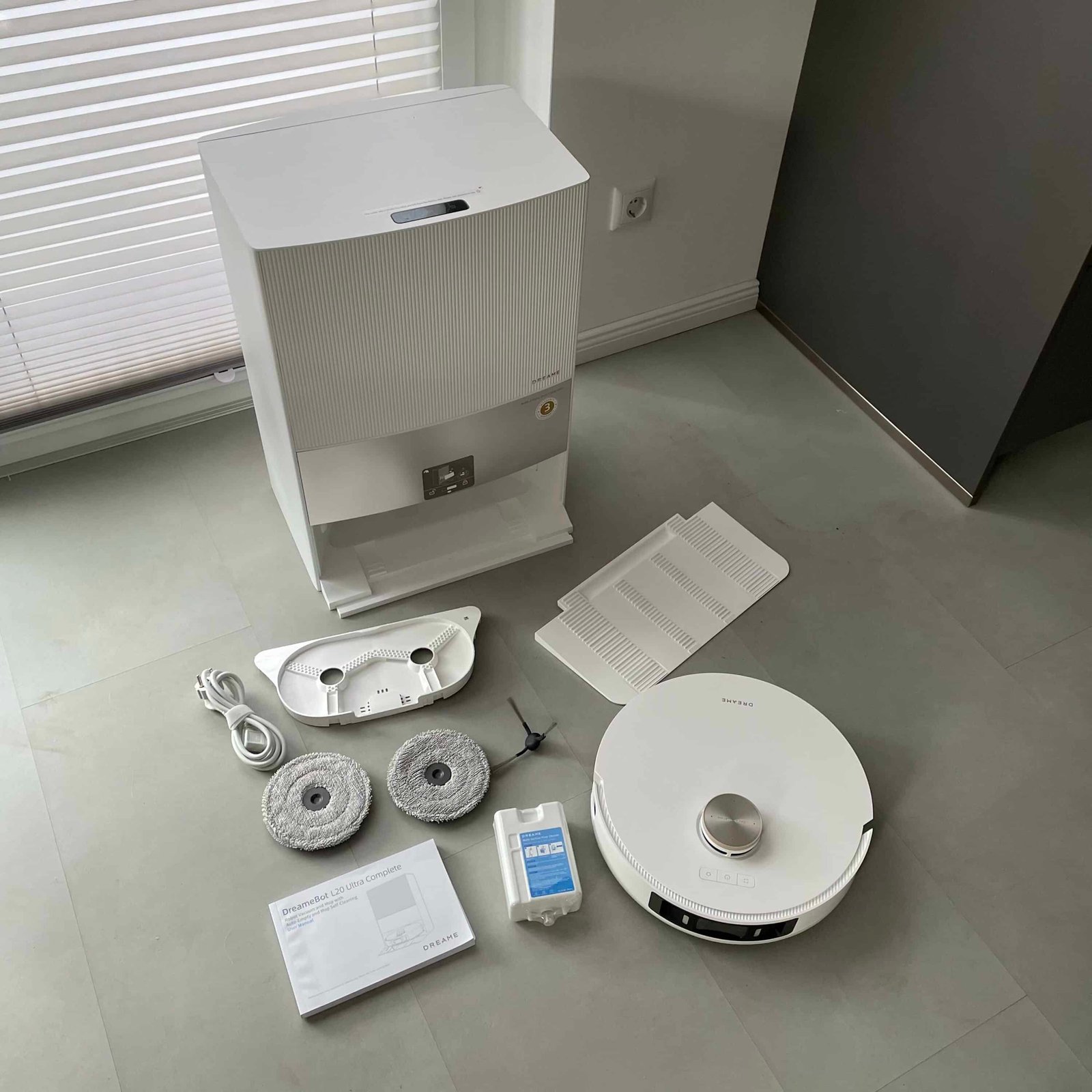
Dreame L20 Ultra Review: Budget Premium Robot Vacuum
We tested the Dreame L20 Ultra robot vacuum with 7000Pa suction and MopExtend edge cleaning. Read our review of performance, mopping, and value.
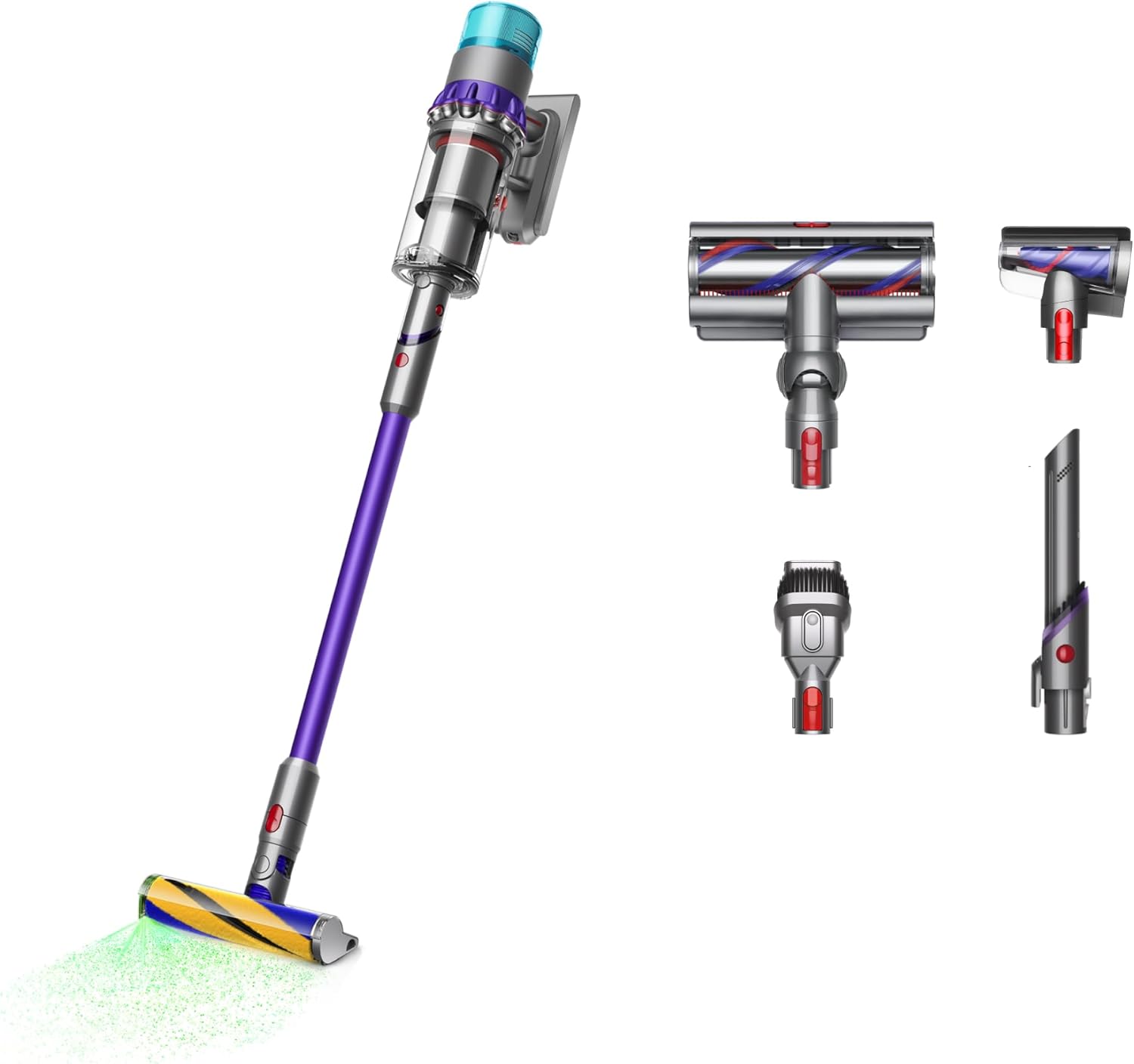
Dyson Gen5detect Review: Is It Worth the Upgrade?
We tested the Dyson Gen5detect with 262 AW suction and 70-minute runtime. Read our in-depth review covering performance, features, and whether it justifies the upgrade.
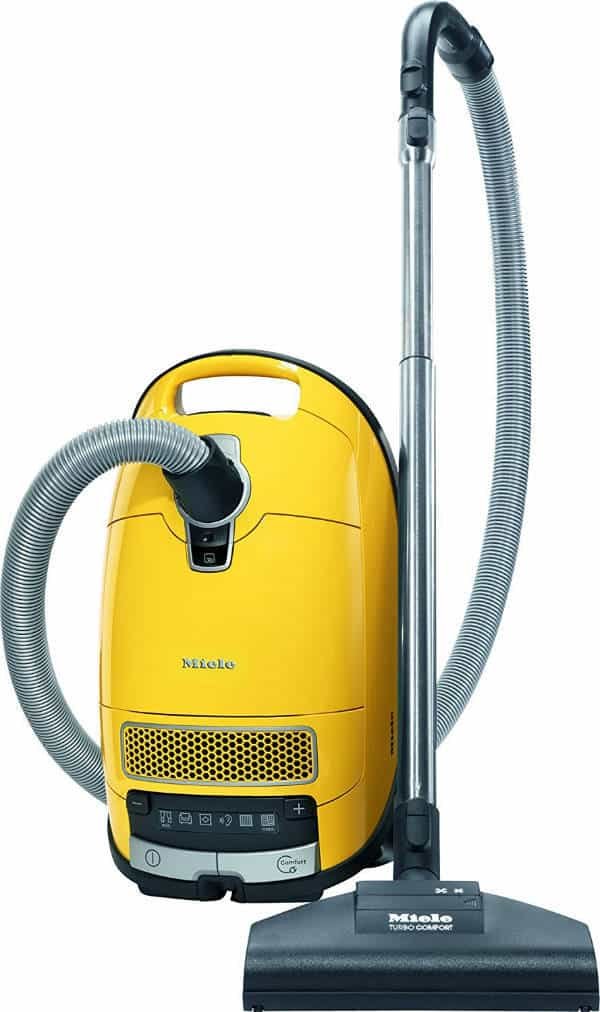
Miele Complete C3 Calima Review: The Gold Standard Canister
We tested the Miele Complete C3 Calima canister vacuum with 150 Air Watts suction and HEPA filtration. Read our review covering performance on carpets, hard floors, and allergens.