Affiliate Disclosure:Home Vacuum Zone is reader-supported. When you buy through links on our site, we may earn an affiliate commission at no additional cost to you. This does not influence our reviews or recommendations — we only recommend products we genuinely believe in.
Do You Need a Wet Dry Vacuum? Honest Answer Inside
Short answer: it depends on your floors and how much you hate mopping.
If your home is mostly hard floors and you’re tired of the mop-and-bucket routine, a wet dry vacuum will genuinely change how you clean. It vacuums up debris and washes the floor in one pass. No wringing, no bucket, no waiting for floors to dry while your toddler sprints across them in socks.
But not everybody needs one. If you’ve got carpet everywhere or you’re happy with your current setup, spending several hundred dollars on another appliance isn’t going to transform your life. Let’s sort out which camp you fall into.
What a Wet Dry Vacuum Actually Does
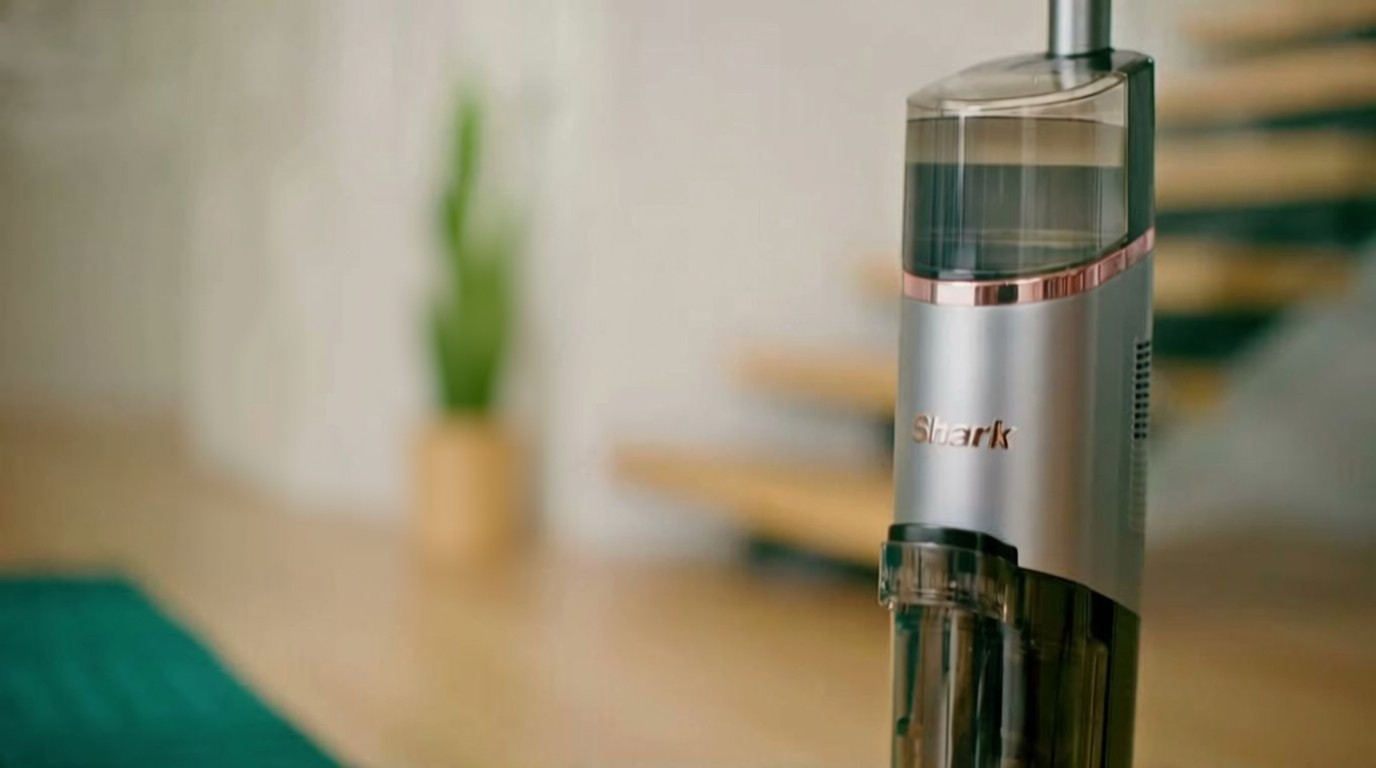
A wet dry vacuum (sometimes called a wet mop vacuum or wet and dry vacuum) is a cordless stick that simultaneously vacuums dry debris and washes hard floors. Clean water feeds onto the floor through a roller brush, and the machine sucks up the dirty water into a separate tank.
Think of it as a vacuum and a mop fused into one device. The roller spins, scrubs the floor, and the suction pulls everything into the dirty tank. You’re left with a floor that’s clean and barely damp.
Don’t confuse these with shop vacs. A shop vac is a completely different tool designed for garages and job sites. Wet mop vacuums are household appliances built for everyday floor cleaning.
You Probably Need One If…
Your home is mostly hard floors. Tile, laminate, vinyl, sealed hardwood. If more than half your floor space is hard surface, a wet dry vacuum will save you real time. Vacuuming and mopping in one pass instead of two separate jobs adds up fast, especially across a larger home.
You have kids or pets. Crumbs under the high chair. Muddy paw prints in the hallway. Juice spills that somehow reach three rooms. These are daily events, not occasional ones. A wet floor cleaner handles all of it in about two minutes. With a traditional mop you’d still be filling the bucket.
You genuinely hate mopping. Some people don’t mind it. I’m not one of them. If mopping feels like a chore you constantly put off until the kitchen floor is visibly grim, a wet and dry vacuum removes the friction. It’s so much quicker that you’ll actually do it.
Your kitchen gets destroyed daily. Cooking splatters, dropped food, sticky residue near the bin. Kitchens need daily floor cleaning, and dragging out a mop every single evening gets old. A quick pass with a wet dry vacuum after dinner takes maybe three minutes.
Open-plan living. Large connected spaces with hard flooring are where these machines earn their keep. You can cover a big area fast without switching tools or refilling a bucket. Closed-off rooms with carpet? Not so much.
You Probably Don’t Need One If…
Most of your floors are carpeted. Wet dry vacuums don’t clean carpet. Some can switch to a dry-only mode for rugs, but if 70% of your home is carpet, you need a proper vacuum and the wet dry function won’t get much use.
You live in a small flat. If your entire hard floor area is a kitchen and a bathroom, a mop takes five minutes. Buying a $400+ appliance to save three minutes isn’t a great trade. Put that money towards something else.
You already own a steam mop you like. If your current cleaning routine works and you’re not frustrated by it, don’t fix what isn’t broken. A steam mop and a wet dry vacuum overlap significantly, so owning both is redundant for most people.
Budget is tight. Decent wet mop vacuums start around $200 (MSRP), and the genuinely good ones cost $350+ (MSRP). If that’s a stretch right now, a $30 spray mop does an acceptable job on hard floors. Not as fast, not as thorough, but fine.
You want deep carpet cleaning. Wrong tool entirely. A wet dry vacuum won’t extract embedded dirt from carpet fibres. You need an upright vacuum for regular carpet maintenance or a carpet cleaner for deep washing.
What About a Regular Mop?
Let’s be fair to the humble mop. It works. Billions of floors have been cleaned with nothing more than hot water, a squeeze of floor cleaner, and some elbow grease.
A mop-and-bucket setup costs under $30. No charging, no maintenance, no self-cleaning cycles. You wring, you scrub, you’re done. For small spaces, it’s perfectly adequate.
Where mopping falls short is hygiene and effort. You’re pushing dirty water around. Even if you rinse the mop head between passes, the water gets filthy fast. A wet dry vacuum uses fresh water on the floor and sucks the dirty water into a separate tank, so you’re not redistributing grime.
Speed is the other gap. Mopping a 40 square metre kitchen-diner properly takes 15-20 minutes once you factor in filling the bucket, wringing, going over stubborn spots, and waiting for the floor to dry. A wet dry vacuum does the same area in about 5 minutes and the floor dries in under a minute because it leaves so little moisture behind.
For a single bathroom? Grab the mop. For an entire ground floor of hard flooring? The wet dry vacuum wins convincingly.
What to Look For If You Buy One
So you’ve decided you want one. Here’s what actually matters.
Suction power matters more than you’d think. Some cheaper wet mop vacuums are basically electric mops with a vacuum bolted on as an afterthought. Weak suction means the machine pushes crumbs around instead of picking them up. Test reviews, read complaints, make sure the vacuuming side actually works.
Tank size determines how far you can go. Small tanks (400-500ml) need refilling every room or two. If you’ve got a big home, look for 700ml+ clean water capacity. Nobody wants to stop mid-clean to refill and empty tanks three times.
Self-cleaning is not optional. Seriously. A wet dry vacuum that doesn’t self-clean its roller is disgusting within a week. The roller sits damp inside the machine and starts to smell. Every model worth buying has a self-cleaning cycle. Some use hot water for it. Even better.
Weight and manoeuvrability. These machines are heavier than regular stick vacuums because they carry water. Expect 4-5kg. Check that it lies flat enough to get under furniture and that the swivel head moves easily. A machine that won’t fit under your sofa is going to frustrate you.
Price ranges, roughly (MSRP):
- Under $200: Basic functionality, smaller tanks, no self-cleaning or poor self-cleaning. Expect compromises.
- $200-$400: The mid-range sweet spot. Decent suction, self-cleaning, reasonable battery life. Brands like Tineco and Bissell live here.
- $400-$600: Better edge cleaning, larger tanks, hot water washing, longer battery. Models like the Tineco Floor One S7 Pro sit in this bracket.
- $600-$1,000: Premium features, best build quality, largest tanks, fastest drying. For big homes with lots of hard floor.
Don’t blow $800+ on a premium model if you’ve got a two-bedroom flat. Match the machine to the job.
Where to Start
If you’ve read this far and you’re leaning towards buying one, check our best wet dry vacuums for 2026 roundup. It covers every price tier with specific recommendations.
For most people, the $300-$500 (MSRP) range offers the best balance of performance and value. Below that you start losing features that matter (decent self-cleaning, adequate suction). Above that you’re paying for incremental improvements that only justify themselves in larger homes.
One last thought: a wet dry vacuum won’t replace your regular vacuum if you have any carpet at all. Think of it as a hard floor specialist that eliminates mopping, not as a one-machine-does-everything solution. Set your expectations there and you won’t be disappointed.
Continue Reading
Explore more wet & dry vacuums content or browse our other categories.
Frequently Asked Questions
- Are wet dry vacuums worth it?
- For households with mostly hard floors and daily mess from kids, pets, or cooking, yes. A wet dry vacuum cuts floor cleaning time roughly in half by vacuuming and mopping simultaneously. If you've got wall-to-wall carpet or a small flat that's easy to mop by hand, you can skip it without missing much.
- Can a wet dry vacuum replace a mop?
- For routine maintenance, absolutely. A good wet mop vacuum handles daily spills, kitchen grime, and general hard floor upkeep better than a traditional mop. You might still want a mop for deep scrubbing bathroom tile grout or getting into very tight corners, but for 90% of mopping tasks, a wet dry vacuum does the job faster and more hygienically.
- Do wet dry vacuums work on all floor types?
- They work on all sealed hard floors including tile, vinyl, laminate, and sealed hardwood. Most manufacturers advise against using them on unsealed hardwood or unfinished stone, since excess moisture can cause damage. On carpet, they won't mop obviously, but many models can switch to a dry vacuum mode for area rugs and low-pile carpet.
- How much should I spend on a wet mop vacuum?
- Budget models start around $200 (MSRP) and handle basic wet-dry cleaning. The sweet spot sits between $350 and $550 (MSRP), where you get decent suction, self-cleaning features, and reasonable build quality. Premium models from $600 to $1,000 (MSRP) add hot water washing, better edge cleaning, and larger tanks. Don't spend more than $500 unless you're cleaning 100+ square metres of hard floor regularly.
Written By
Home Vacuum Zone
Our team researches, tests, and reviews vacuum cleaners to help you make confident buying decisions.
Related Articles
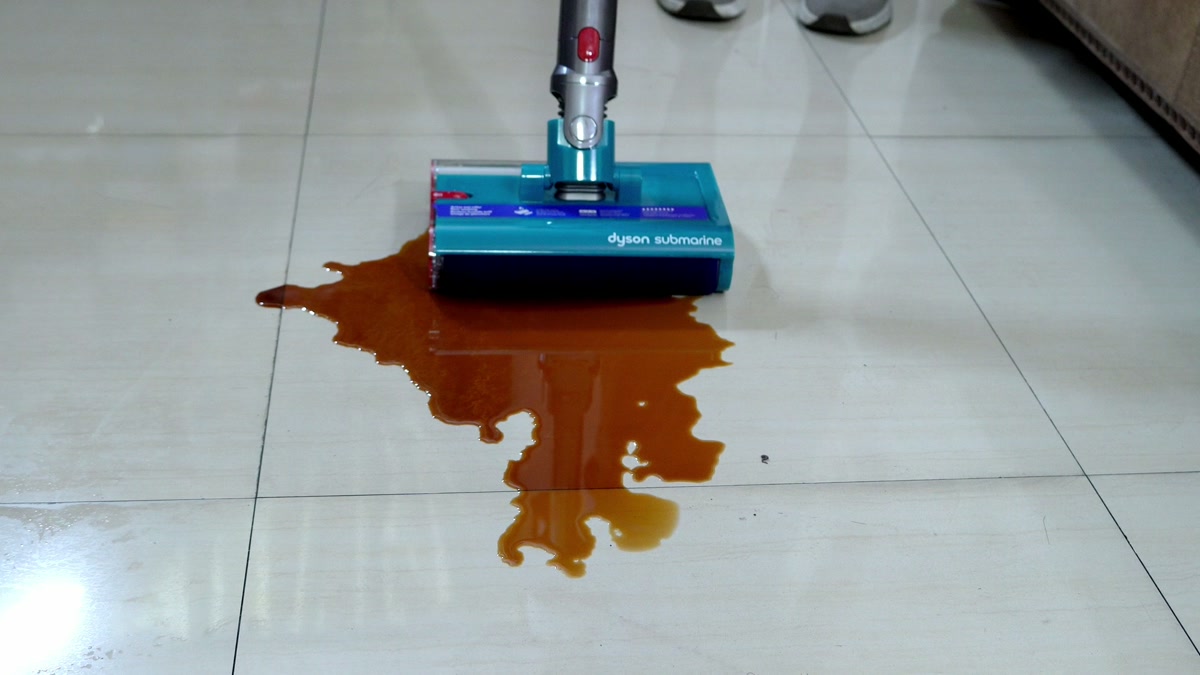
Dyson V15s Detect Submarine Review: The Vacuum That Also Mops
Hands-on review of the Dyson V15s Detect Submarine. We test the 240 AW suction, Submarine wet mopping head, green laser particle detection, and whether this 2-in-1 actually works.
Best Wet Dry Vacuums 2026: 8 Floor Washers That Actually Work
We tested the top wet dry vacuums and wet mop vacuums for 2026. From Dyson and Tineco to budget picks from Shark, these 8 wet floor cleaners vacuum and mop in one pass.
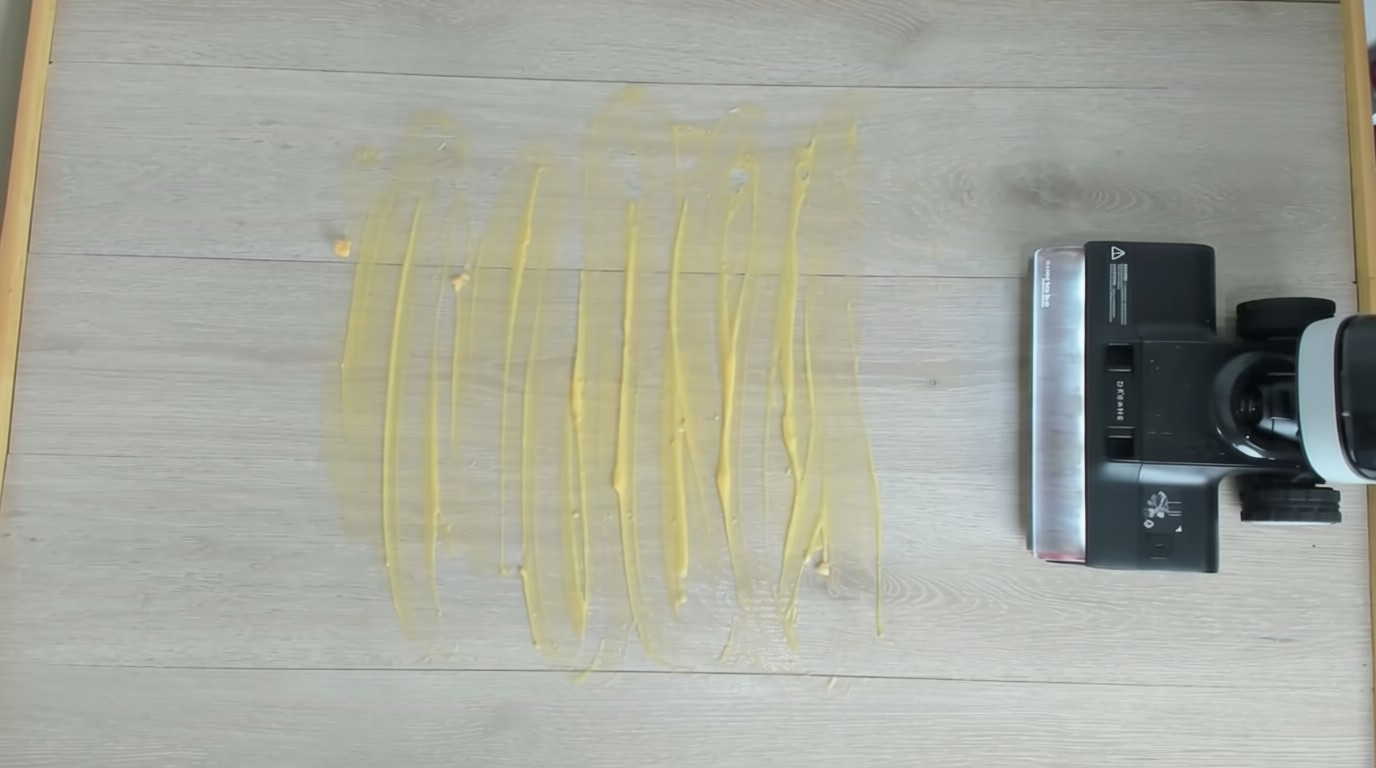
Dreame H14 Pro Review: The Lie-Flat Champion
In-depth Dreame H14 Pro review. We test the 180-degree lie-flat design, hot water self-clean, auto-dispensing solution, and real-world cleaning on hard floors.