Affiliate Disclosure:Home Vacuum Zone is reader-supported. When you buy through links on our site, we may earn an affiliate commission at no additional cost to you. This does not influence our reviews or recommendations — we only recommend products we genuinely believe in.
A quality vacuum cleaner is an investment in your home’s cleanliness and your family’s health. But how long should you realistically expect that investment to last? The answer varies dramatically based on brand quality, vacuum type, usage patterns, and maintenance habits.
Quick Answer: Premium vacuums (Miele, SEBO, Riccar) typically last 15-20 years with proper maintenance. Mid-range models (Dyson, Shark) average 5-10 years, while budget brands (Bissell, Hoover) generally provide 3-5 years of service before significant repairs or replacement become necessary.
2026 Vacuum Longevity Research
Recent Consumer Reports survey data reveals that vacuums across all brands last an average of 8 years, though individual experiences vary widely from 5 to 10 years depending on care and usage. Corded vacuums consistently outperform cordless models, averaging 8-10 years versus 5-8 years for upright and stick vacuums. Robot vacuums can run significantly longer with regular maintenance and battery replacement. Dyson’s limited warranty coverage for corded models reflects industry confidence in traditional designs, while environmental factors like humidity, dust exposure, and storage conditions significantly impact longevity across all types.
Vacuum Lifespan by Brand: The Complete Comparison
Understanding expected lifespan helps you calculate the true cost of ownership beyond the initial price tag. Here’s what research and consumer reports reveal about major vacuum brands:
| Brand | Type | Expected Lifespan | Warranty | Price Tier | Cost Per Year* |
|---|---|---|---|---|---|
| Miele | Canister/Upright | 15-20 years | 5-7 years | Mid-range to premium | Very low |
| SEBO | Canister/Upright | 15-20 years | 5-10 years | Mid-range to premium | Very low |
| Riccar | Upright | 10-15 years | 3-5 years | Mid-range to premium | Low |
| Dyson | Cordless/Upright | 5-10 years | 2-5 years | Mid-range to premium | Low-moderate |
| Shark | Upright/Stick | 5-7 years | 5 years | Budget to mid-range | Low |
| Bissell | Various | 3-5 years | 1-2 years | Budget | Low |
| Hoover | Various | 3-5 years | 2 years | Budget to mid-range | Low |
| Tineco | Cordless | 4-6 years | 2 years | Mid-range | Low-moderate |
*Cost per year based on maximum expected lifespan and average price point within range.
Premium Brands: Built to Last Decades
Miele: The 20-Year Standard
Miele vacuums represent the pinnacle of durability and engineering excellence. Manufactured in Germany with rigorous quality control, these machines are designed for longevity that justifies their premium pricing.
Why Miele Vacuums Last:
- Sealed motors with thermal protection prevent overheating damage
- Metal construction in critical components instead of plastic
- Replaceable parts readily available for decades
- Serviceable design allowing professional repairs at 10-15 year intervals
Consumer testing data shows Miele canisters regularly exceed 20 years of service when maintained properly. The key maintenance requirements include annual filter changes, bag replacement when full, and motor servicing every 10-15 years.
SEBO: Commercial-Grade Durability
SEBO vacuums share Miele’s commitment to longevity, with some models carrying 10-year warranties - the longest in the industry. Originally designed for commercial use, SEBO machines transition seamlessly to residential applications.
SEBO Longevity Factors:
- Computer-controlled motors prevent damage from clogs or overuse
- Heavy-duty brush rollers with metal bearings
- Hospital-grade filtration that maintains performance over time
- Modular construction enabling easy part replacement
Riccar: American-Made Reliability
Riccar uprights, manufactured in the USA, offer exceptional durability with their metal construction and direct-drive motors. While not as widely available as Miele or SEBO, Riccar owners report consistent 10-15 year lifespans.
Mid-Range Brands: The Sweet Spot
Dyson: Innovation with Limitations
Dyson vacuums revolutionized cordless technology but face inherent limitations in longevity due to battery dependency. According to Dyson support documentation and consumer reports:
Dyson Lifespan Expectations:
- Cordless models: 5-7 years (battery replacement needed at 3-4 years)
- Corded uprights: 7-10 years
- Battery replacement is a moderate expense, effectively extending life another 3-4 years
Dyson’s lithium-ion batteries typically maintain 80% capacity for approximately 400-500 charge cycles. For daily users, this translates to 3-4 years before noticeable degradation. However, the vacuum motor and components often outlast the battery, making replacement worthwhile. Extending Dyson Lifespan:
- Never store with fully depleted battery (keep at 20-50% charge)
- Clean filters monthly to prevent motor strain
- Empty bin when debris reaches the MAX line
- Avoid continuous use exceeding battery temperature limits
Shark: Value-Oriented Performance
Shark vacuums consistently deliver excellent value, with many models featuring 5-year warranties - unusually generous for their price point. Consumer reports and warranty claim data suggest:
Shark Longevity Profile:
- Navigator/Lift-Away series: 5-7 years with maintenance
- Rocket stick vacuums: 4-6 years
- Robot vacuums: 3-5 years
Shark’s warranty coverage often exceeds actual product lifespan expectations, suggesting the company stands behind their durability claims. Common failure points include brush roll motors and hose connections, both typically covered under warranty.
Budget Brands: Managing Expectations
Bissell and Hoover: Affordable Options
Budget-friendly brands prioritize accessibility over longevity. While these vacuums provide adequate cleaning performance, their plastic construction and sealed motors limit repair options and overall lifespan.
Typical Lifespan Factors:
- Non-replaceable brush rolls with plastic bearings wear faster
- Bagless designs with non-serviceable cyclone components
- Thermal cutoff switches that may fail after repeated activation
- Limited parts availability after 3-5 years
However, these brands excel at providing accessible cleaning solutions for renters, small spaces, or households needing secondary vacuums for occasional use. If you’re on a tight budget, you might also consider buying a refurbished vacuum cleaner from a premium brand.
Vacuum Type and Longevity
Canister Vacuums: The Endurance Champions
Canister vacuums generally outlast upright models due to:
- Separate motor housing with better cooling
- Larger capacity reducing motor strain
- Modular design allowing component replacement
- Less physical stress on the main unit during use
Quality canister vacuums routinely achieve 15-20 year lifespans, making them the most economical choice long-term despite higher initial costs.
Upright Vacuums: Balanced Performance
Upright vacuums face more physical stress during operation but offer excellent longevity in premium models:
- Direct-drive motors in quality uprights last 10-15 years
- Brush roll bearings determine lifespan - metal outlasts plastic
- Belt systems require periodic replacement (inexpensive parts)
Cordless Stick Vacuums: Battery-Limited Lifespan
Cordless vacuums’ longevity is primarily determined by battery technology:
- Lithium-ion batteries degrade after 400-600 cycles
- Daily users face 3-4 year battery replacement cycles
- Motor and components often outlast batteries by 2-3x
When evaluating cordless vacuums, consider the total cost of ownership including one battery replacement, effectively doubling the initial investment over an 8-year period.
Robot Vacuums: Technology-Driven Obsolescence
Robot vacuums face unique longevity challenges:
- Battery degradation similar to cordless vacuums (3-5 years)
- Software support ending for older models
- Component wear from autonomous navigation and impact
- Technology advancement making 5+ year old models functionally obsolete
While robot vacuums may mechanically function for 5-7 years, technological improvements in navigation, suction, and smart features often drive replacement decisions before mechanical failure.
Signs Your Vacuum is Nearing End of Life
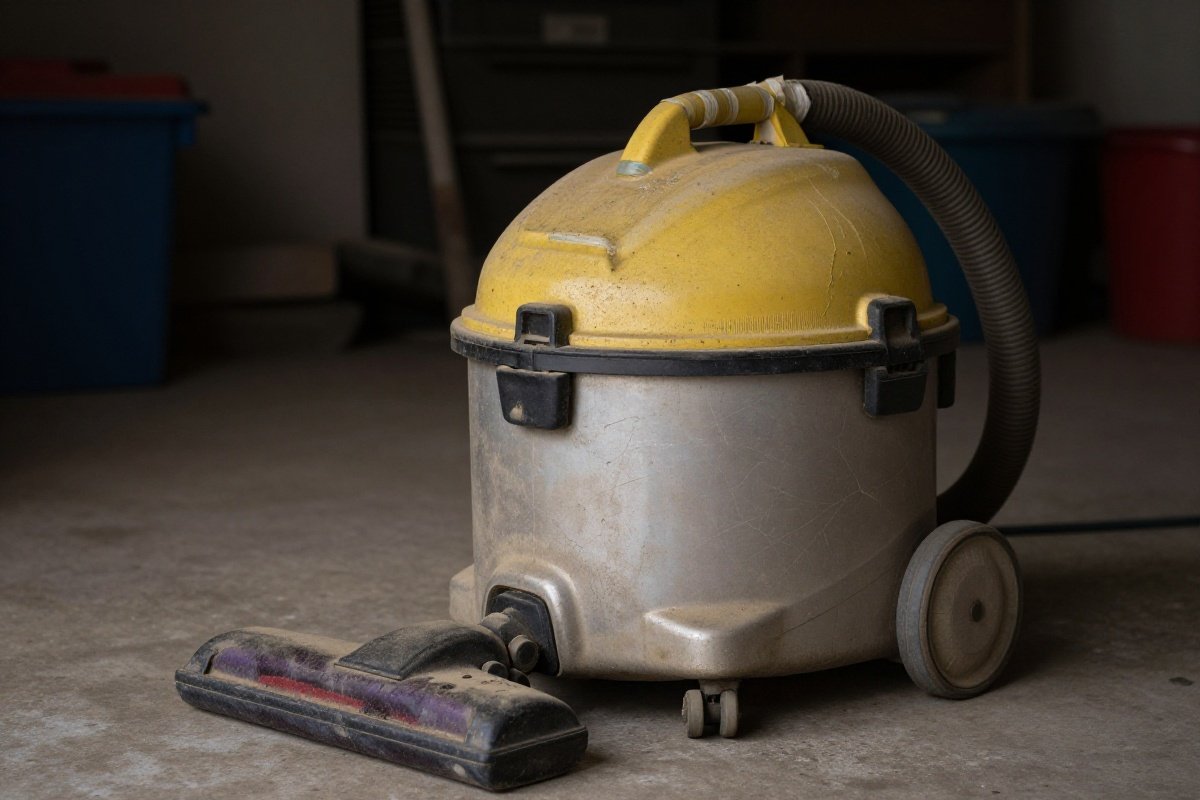
Recognizing these warning signs helps you plan replacement before complete failure. Key diagnostic indicators include loss of suction power even with clean filters and empty bins, unusual noises like grinding or squealing from the motor or brush roll, visibly worn bristles on the brush roll that no longer agitate carpet effectively, and broken or cracked parts that affect functionality or safety.
Performance Indicators
- Reduced suction despite clean filters and empty bins
- Overheating during normal use
- Unusual noises including grinding, squealing, or excessive vibration
- Burning smell indicating motor strain or electrical issues
- Inconsistent brush roll speed or complete failure to rotate
Structural Indicators
- Cracked housing or broken wheels affecting maneuverability
- Hose leaks reducing suction efficiency
- Electrical cord damage or intermittent power loss
- Attachment clips that no longer secure properly
Economic Indicators
When repair estimates exceed 50% of replacement cost, replacement becomes the more economical choice. For example, a mid-range vacuum requiring repairs costing more than half its replacement value should generally be replaced, while a premium Miele with moderate maintenance represents reasonable lifecycle costs.
Maintenance Habits That Extend Vacuum Life
Proper vacuum cleaner maintenance can extend any vacuum’s lifespan by 30-50%. Implement these practices regardless of brand or price point:
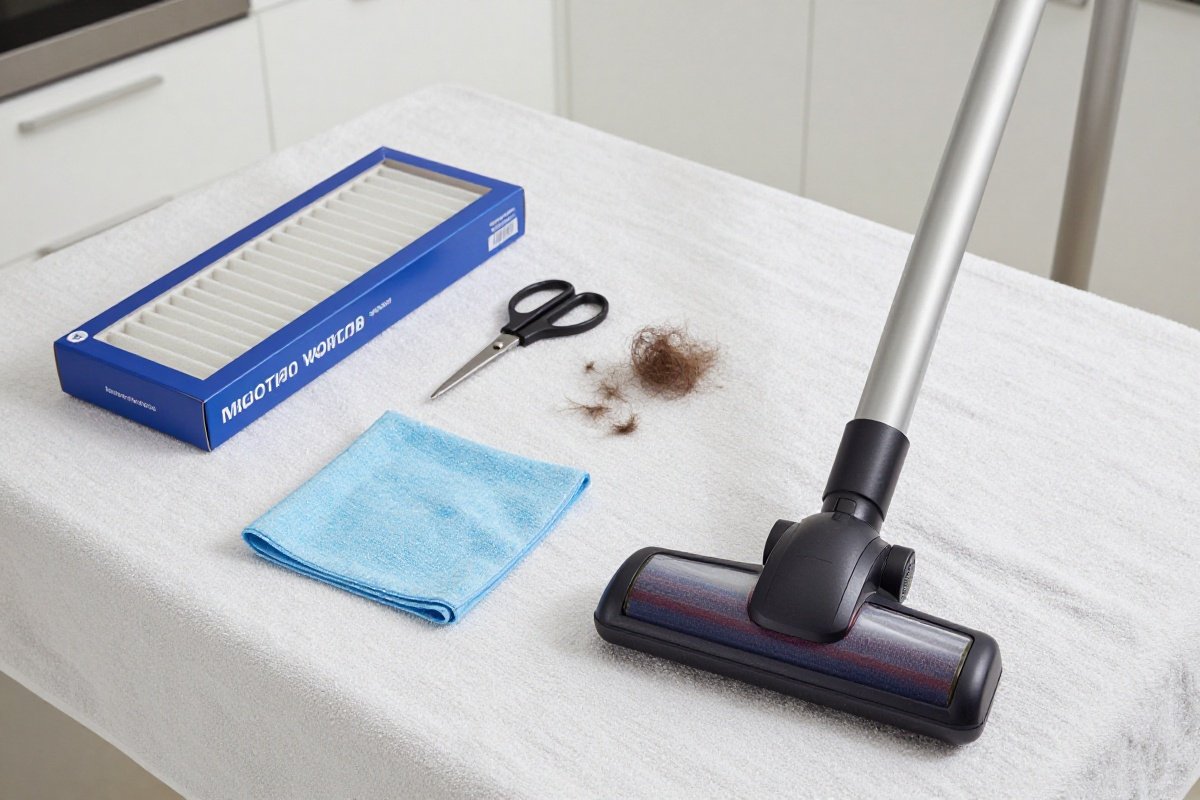
Regular Maintenance (Monthly)
- Empty bag or bin before reaching maximum capacity
- Clean or replace filters according to manufacturer schedule
- Remove hair and debris from brush rolls
- Check hose and attachments for blockages
Deep Maintenance (Quarterly)
- Wash washable filters and allow complete drying
- Inspect belts for wear and proper tension
- Clean brush roll bearings and remove wrapped hair
- Check seals and gaskets for damage
Annual Maintenance
- Professional servicing for premium vacuums (Miele, SEBO)
- Motor inspection for corded models over 5 years old
- Electrical cord examination for damage
- Attachment and accessory functionality testing
The Repair vs. Replace Decision
When to Repair
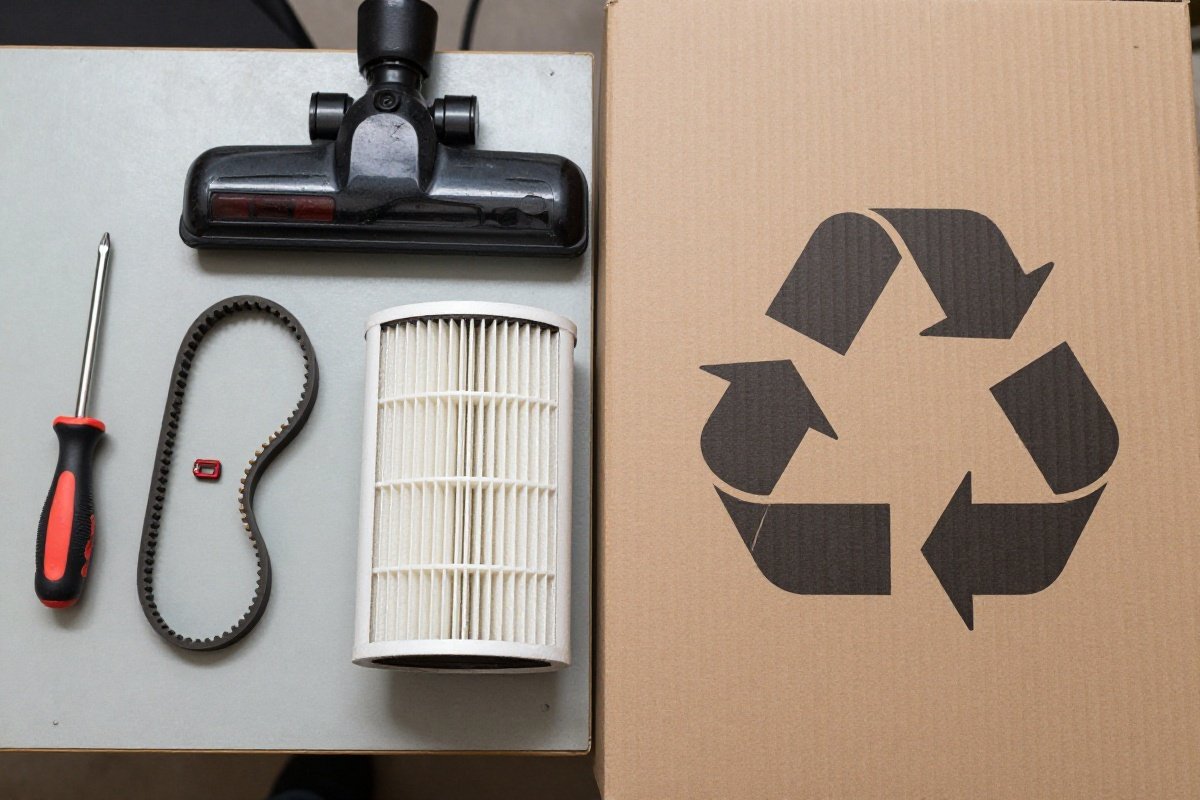
For step-by-step guidance on common fixes, see our vacuum repair DIY guide.
- Under warranty (obvious choice for covered defects)
- Minor component failure (belts, filters, brush rolls)
- Premium vacuum with accessible parts and service network
- Sentimental value or discontinued model with proven reliability
When to Replace
- Multiple component failures indicating systemic wear
- Repair costs exceeding 50% of replacement price
- Obsolete technology lacking modern features or filtration - use our vacuum buying guide to find a replacement
- Safety concerns including electrical hazards or motor issues
Cost-Per-Year Analysis: The True Value Equation
When evaluating vacuum value, consider cost-per-year rather than sticker price:
Budget Vacuum Example:
- Purchase price: Affordable upfront
- Lifespan: 5 years
- Cost per year: Low, but replaced more often
Premium Vacuum Example:
- Purchase price: Significant upfront investment
- Lifespan: 20 years
- Maintenance costs: Moderate (filters, bags, 2 service intervals)
- Cost per year: Only slightly higher than budget, with far better performance
While the premium vacuum costs more annually, the superior performance, filtration, and user experience often justify the difference. Additionally, premium vacuums typically maintain consistent performance throughout their lifespan, while budget models degrade noticeably after 2-3 years.
Further Reading
- Shark vs Bissell Vacuums: Which Brand is Better? (2026 Comparison)
- Best Vacuums Under $200 in 2026 (Tested & Reviewed)
- Shark vs Dyson 2026: Which Vacuum Brand is Best?
Environmental Considerations
Vacuum longevity directly impacts environmental footprint:
- Longer lifespan reduces manufacturing and disposal impact
- Repairable design extends usefulness and reduces waste
- Quality filtration maintains air quality throughout product life
- Bagged vs. bagless considerations for ongoing consumables
Premium brands like Miele and SEBO design for serviceability, with parts available for 20+ years, supporting sustainable consumption patterns.
Recommended Products
Dyson V15 Detect
Tech enthusiasts and medium-sized homesBest premium cordless vacuum with exceptional build quality and a 2-year warranty. Ideal for tech-forward households seeking cutting-edge features.
What We Like
- Laser reveals microscopic dust on hard floors
- Piezo sensor counts particles and displays in real-time
- Anti-tangle Motorbar cleaner head prevents hair wrap
- Powerful 240 AW suction with auto-adjusting power
What We Don't
- 60-minute runtime only in Eco mode (8 min in Boost)
- Small 0.2-gallon dustbin requires frequent emptying
- Premium price point
- 4.5-hour charging time is lengthy
Shark Navigator Lift-Away NV352
Budget-conscious families and pet ownersOutstanding value vacuum that consistently outperforms its price point. With proper maintenance, expect 5-7 years of reliable service.
What We Like
- Lift-away feature for versatile cleaning of stairs and furniture
- Anti-allergen complete seal traps 99.9% of dust and allergens
- Budget-friendly price point
- Strong suction power on carpets and hard floors
What We Don't
- Heavier than some competitors at 12.5 lbs
- Can be top-heavy when using lift-away mode
- Corded design limits mobility range
Miele Complete C3 Marin Canister Vacuum
Allergy sufferers and those seeking decades of useThe gold standard for vacuum longevity. Miele vacuums are built to last decades, making them the most cost-effective choice long-term despite the premium upfront cost.
What We Like
- 1200W Vortex motor with 6 speed settings for optimal suction control across surfaces
- AirClean Sealed System with HEPA filter traps 99.95% of particles down to 0.1 microns
- Exceptionally quiet operation at 64 dB - among the quietest canister vacuums available
- 36-foot operating radius covers large rooms without unplugging
What We Don't
- Requires bags which add ongoing maintenance cost (~$5 per bag)
- Premium pricing at top of market segment
- No motorized brush roll included - must purchase SEB 228 or SEB 236 separately
Sources & Research
Continue Reading
Explore more buying guides content or browse our other categories.
Frequently Asked Questions
- How long do Dyson vacuums last?
- Dyson cordless vacuums typically last 5-7 years, with battery replacement needed at 3-4 years ($80-150). Dyson corded uprights average 7-10 years with proper maintenance.
- Which vacuum brand lasts the longest?
- Miele and SEBO lead in longevity, with properly maintained units regularly exceeding 15-20 years of service. Both brands offer extensive warranties (5-10 years) and maintain parts availability for decades.
- Is it worth repairing a 5-year-old vacuum?
- Repair decisions should compare cost to replacement value. For vacuums under $200, repairs exceeding $100 rarely make economic sense. Premium vacuums ($500+) often justify repairs up to $300, especially if under 10 years old.
- How often should I replace my vacuum?
- Replace vacuums when performance degrades significantly despite maintenance, repair costs exceed 50% of replacement value, or safety concerns arise. Budget vacuums: 3-5 years. Mid-range: 5-10 years. Premium: 15-20+ years.
- What kills vacuums the fastest?
- The leading causes of premature vacuum failure include: neglecting filter maintenance (overheating), vacuuming large debris that damages components, overfilling bags/bins (motor strain), and ignoring brush roll tangles (bearing damage). Proper maintenance prevents 80% of early failures.
Written By
Home Vacuum Zone
Our team researches, tests, and reviews vacuum cleaners to help you make confident buying decisions.
Related Articles
Vacuum Noise Level Comparison: Decibel Ratings for 60+ Models (2026 Database)
Comprehensive vacuum noise level database with decibel ratings for 60+ models across every vacuum type. Find the quietest vacuums and understand what dB ratings actually mean.
Vacuum Suction Power Chart: AW, Pa & kPa Ratings Compared (2026 Database)
Comprehensive vacuum suction power database with air watts, pascals, and kPa ratings compared across every vacuum type. Find how much suction you actually need.
Bagged vs Bagless Vacuums: Which Type Is Actually Better?
Bagged and bagless vacuums each have distinct advantages for different households. We compare cost, filtration, allergen control, maintenance, and convenience to help you choose the right type.