Affiliate Disclosure:Home Vacuum Zone is reader-supported. When you buy through links on our site, we may earn an affiliate commission at no additional cost to you. This does not influence our reviews or recommendations — we only recommend products we genuinely believe in.
Using a carpet cleaner for the first time can seem intimidating, but it’s pretty simple once you understand the basics. A good carpet cleaner removes embedded dirt, stains, and allergens that regular vacuuming leaves behind. We’ll walk you through every step, from preparation to drying, so you can get professional-level results at home.
Whether you rent a machine or own one, the fundamentals don’t change. We’ll cover preparation, cleaning technique, drying tips, and common mistakes to avoid. For recommendations on which machine to buy, see our guide to the best carpet cleaners of 2026.
Understanding the Basics
How Carpet Cleaners Work
Carpet cleaners use a combination of hot water, cleaning solution, and agitation to deep clean carpets. The machine sprays a mixture of water and detergent into the carpet fibers, agitates with rotating brushes to loosen dirt, then extracts the dirty water back into a recovery tank.
That extraction process is what separates carpet cleaners from steam mops and surface cleaners. Suction removes dissolved dirt and detergent residue, leaving your carpets cleaner than any dry cleaning method can manage.
Types of Carpet Cleaners
Upright carpet cleaners resemble vacuum cleaners and are designed for wall-to-wall carpeting. They work well for whole-house cleaning and larger areas. Portable spot cleaners handle small stains and upholstery but lack the capacity for full-room cleaning.
Some upright models offer automatic cleaning like the Hoover SmartWash Automatic, which dispenses solution when you push forward and extracts when you pull back. Others like the Bissell ProHeat 2X Revolution Pet Pro use trigger-controlled dispensing for more precise cleaning.
Step 1: Prepare Your Space
Clear the Area
Remove all furniture, rugs, and objects from the carpeted area you plan to clean. You’ll get unobstructed access and prevent water damage to furniture legs. If you can’t move large furniture, place plastic or foil under the legs to protect them from moisture.
Small items like shoes, toys, and cables should be completely removed. Anything left on the carpet will get wet and could damage the cleaning machine.
Vacuum Thoroughly
Vacuum the carpet before using any carpet cleaner. Dry soil removal matters because wet dirt creates mud that’s much harder to extract. Use a quality vacuum and make multiple passes, especially in high-traffic areas.
Pay attention to edges and corners where dust accumulates. A thorough vacuuming before wet cleaning significantly improves your results and prevents clogging the carpet cleaner’s recovery tank.
Pre-Treat Stains
Inspect the carpet for visible stains and pre-treat them before running the carpet cleaner. Many machines include a pre-treatment tool or wand for this purpose. The Bissell ProHeat 2X Revolution Pet Pro features a CleanShot pretreater designed specifically for tough stains.
Apply pre-treatment solution directly to stains and let it sit for 5 to 10 minutes before cleaning. This gives the detergent time to break down the stain before extraction.
Step 2: Prepare Your Machine
Fill the Clean Water Tank
Remove the clean water tank from your carpet cleaner and fill it with hot tap water. Most manufacturers recommend water between 120F and 140F — hot to the touch but not scalding. Don’t use boiling water, which can damage some machine components.
Add the cleaning solution according to the manufacturer’s instructions. Use the measuring cap provided and follow the recommended ratio. Too much detergent leaves residue that attracts dirt. Too little reduces cleaning effectiveness.
Check the Dirty Water Tank
Make sure the dirty water tank is empty and properly seated before starting. Some machines have separate clean and dirty tanks, while others use a bladder system. The Bissell ProHeat Pet Pro and Rug Doctor Deep Carpet Cleaner both feature dual tank systems that keep clean and dirty water separate.
Check that all filters and seals are in place. A loose seal reduces suction and leaves carpets wetter than they should be.
Connect Attachments
If you plan to clean stairs, upholstery, or tight spaces, attach the appropriate tool before starting. The Rug Doctor Deep Carpet Cleaner includes an upholstery tool for this purpose. Having attachments ready prevents stopping mid-cleaning to reconfigure the machine.
Step 3: Start Cleaning
Basic Technique
For trigger-operated machines like the Bissell ProHeat Pet Pro, press the trigger to dispense solution while pushing forward. Release the trigger and pull back slowly to extract the dirty water. Make slow, overlapping passes to ensure thorough coverage.
For automatic machines like the Hoover SmartWash, simply push forward to wash and pull back to dry. The machine dispenses and extracts automatically based on your motion. This simplicity makes automatic models ideal for beginners.
Overlapping Passes
Overlap each pass by about 2 to 3 inches to avoid missing spots. Work in a systematic pattern, such as parallel rows across the room. This ensures complete coverage and prevents the need to backtrack.
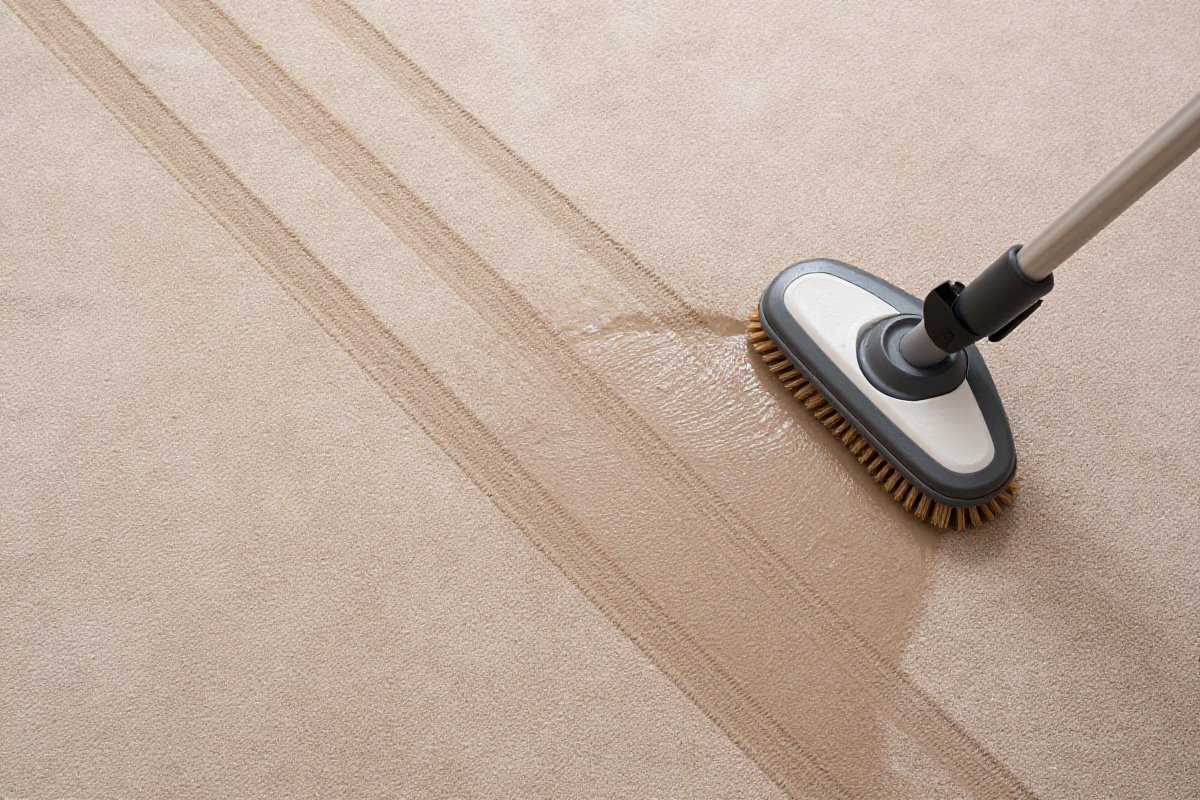
Don’t rush. Slow passes let the brushes agitate properly and the suction extract maximum water. Rushing leaves carpets wetter and less clean.
High-Traffic Areas
Give extra attention to high-traffic areas like entryways, hallways, and paths between furniture. Make multiple passes over these zones, possibly with additional solution. The dual DirtLifter PowerBrushes on the Bissell ProHeat Pet Pro provide excellent agitation for embedded dirt.
For severely soiled areas, consider pre-treating and making two complete passes with the machine. The first pass loosens dirt, the second extracts it.
Step 4: Extraction Passes
Rinse If Needed
Some cleaning solutions leave residue that attracts dirt. If your detergent requires rinsing, refill the clean water tank with plain hot water and make another pass without adding solution. This extracts detergent residue and leaves carpets cleaner longer.
Check your detergent’s instructions. Many modern formulas are no-rinse and do not require this step.
Dry Passes
After cleaning, make several dry passes over each area. Release the solution trigger (or simply pull back on automatic machines) to extract maximum water without adding more. Keep making passes until the carpet feels only slightly damp to the touch.
Thorough extraction reduces drying time and prevents mould and mildew growth. The Rug Doctor Deep Carpet Cleaner’s powerful suction is particularly good at water removal.
Step 5: Drying
Speed Up Drying
Proper drying prevents mold, mildew, and re-soiling. Open windows and doors to increase airflow. Run ceiling fans and portable fans to circulate air across the carpet surface. Turn on your HVAC system to help remove moisture from the air.
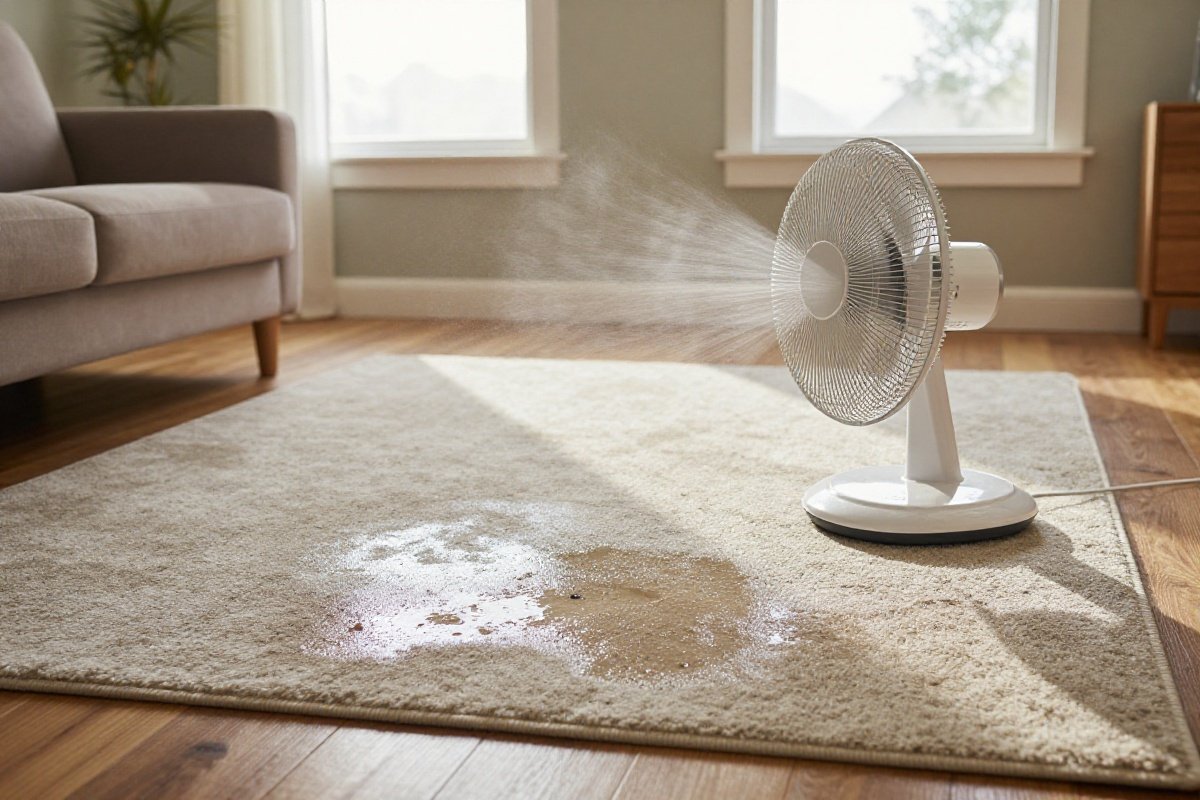
A dehumidifier in the room significantly accelerates drying. If you have one, run it continuously until carpets are completely dry.
Avoid Walking on Wet Carpet
Keep people and pets off freshly cleaned carpets until dry. If you must walk on the carpet, wear clean socks or go barefoot. Shoes track in dirt that will stick to damp fibers, undoing your cleaning work.
Place towels at transition points between carpet and hard floors to catch moisture and prevent slips.
Drying Time Expectations
Most carpets take 6 to 12 hours to dry completely. Thicker carpets, high humidity, and cool temperatures extend drying time. Machines with heat features like the Bissell ProHeat’s HeatWave Technology help carpets dry faster.
For the fastest drying, clean carpets on warm, dry days when you can open windows. Avoid cleaning on humid or rainy days when possible.
Step 6: Post-Cleaning Care
Clean Your Machine
After each use, empty the dirty water tank and rinse it thoroughly. Remove and rinse the brush rolls or brush assembly. Check filters and clean or replace them as needed. Let all components air dry completely before reassembling.
Regular machine maintenance prevents odors, mold growth, and reduced performance. The Bissell ProHeat Pet Pro includes antimicrobial brush roll treatment to reduce odor-causing bacteria.
Reinstall Furniture
Wait until carpets are completely dry before returning furniture to the room. Moisture can damage furniture legs and cause rust stains on carpets. If you must replace furniture sooner, place foil or plastic tabs under all legs to protect both the furniture and carpet.
Ventilate the Room
Keep the room well-ventilated for 24 hours after cleaning. This helps any remaining moisture evaporate and prevents musty odors. Leave fans running and windows open if weather permits.
Recommended Products
Bissell ProHeat 2X Revolution Pet Pro 1986
The Bissell ProHeat 2X Revolution Pet Pro is ideal for beginners who want professional-level results. The CleanShot pretreater handles tough stains before the main cleaning pass. Dual DirtLifter PowerBrushes provide deep agitation, and the 18-lb weight is manageable for most users. The 5-year warranty provides peace of mind for your investment. Check Price on Amazon.
Hoover SmartWash Automatic FH52000
The Hoover SmartWash Automatic is the easiest carpet cleaner to use. Its automatic cleaning technology eliminates triggers and buttons. Simply push forward to wash and pull back to dry. This makes it perfect for first-time users who want simplicity without sacrificing results. Check Price on Amazon.
Rug Doctor Deep Carpet Cleaner
The Rug Doctor Deep Carpet Cleaner delivers commercial-grade cleaning power. The dual cross-action brush system and 10.5-inch cleaning path cover ground quickly. The 12-foot hose and upholstery tool extend cleaning to furniture and stairs. Choose this if you want rental-machine results without rental fees. Check Price on Amazon.
Tips and Best Practices
- Clean in sections. Divide large rooms into manageable sections and complete each one before moving on. This ensures you do not miss spots and allows for systematic drying.
- Work away from your exit. Start at the far end of the room and work toward the door. This prevents walking on wet carpet and tracking dirt back into cleaned areas.
- Use the right detergent. Use only detergents designed for carpet cleaners. Other cleaners may produce too many suds or leave residue that damages your machine. For pet stains, use enzyme-based formulas like those recommended in our carpet cleaners for pet stains guide.
- Do not over-wet. Too much water extends drying time and can damage carpet backing or subflooring. Make extraction passes until the carpet is damp, not soaking wet.
- Clean regularly. Regular carpet cleaning extends carpet life and improves indoor air quality. High-traffic areas benefit from cleaning every 3 to 6 months.
- Test in an inconspicuous area. Before using a new detergent or cleaning a visible area, test on a hidden corner to check for colorfastness and unexpected reactions.
Common Mistakes to Avoid
Skipping the Vacuum Step
Vacuuming before carpet cleaning is essential. Wet cleaning without vacuuming first turns dry dirt into mud that’s much harder to remove. This wastes detergent and leaves carpets less clean than they could be.
Using Too Much Detergent
Excess detergent leaves sticky residue that attracts dirt quickly after cleaning. Follow the manufacturer’s recommended ratio precisely. If your carpets resoil quickly after cleaning, you may be using too much detergent.
Over-Wetting the Carpet
Saturating the carpet with too much solution risks damaging the carpet backing, pad, and subfloor. It also dramatically extends drying time and can promote mold growth. Use the appropriate amount of solution for your carpet type and make thorough extraction passes.
Not Extracting Thoroughly
Rushing the extraction passes leaves excess water in the carpet. Take the time to make multiple dry passes. The carpet should feel only slightly damp after cleaning, not wet.
Walking on Wet Carpet in Shoes
Walking on damp carpet with shoes immediately resoils the fibers and defeats your cleaning effort. Keep everyone off the carpet until dry, or require socks only if foot traffic is unavoidable.
Ignoring Machine Maintenance
Failing to clean and dry your carpet cleaner after use leads to odors, mold growth, and reduced suction. Empty tanks, rinse brushes, and let components dry completely before storage.
Frequently Asked Questions
How long does carpet take to dry after cleaning?
Most carpets take 6 to 12 hours to dry completely after deep cleaning. You can speed up drying by running fans, opening windows, turning on your HVAC system, or using a dehumidifier. Avoid walking on the carpet in shoes until it is fully dry to prevent re-soiling and tracking dirt into the damp fibers.
Can you use a carpet cleaner on area rugs?
Yes, most upright carpet cleaners work on area rugs, but check the rug’s care label first. Avoid using a carpet cleaner on delicate materials like silk, wool, or hand-knotted rugs, as the agitation and moisture can cause damage. For machine-made synthetic rugs, carpet cleaners work just as well as they do on wall-to-wall carpet.
How often should you deep clean your carpets?
Deep clean your carpets every 12 to 18 months for most households. If you have pets, young children, or allergy sufferers, increase the frequency to every 6 to 12 months. High-traffic areas like entryways and living rooms may need cleaning every 3 to 6 months to prevent permanent soil buildup.
Can I make my own carpet cleaning solution?
While DIY solutions exist, most carpet cleaner manufacturers recommend using their branded detergents. DIY mixtures may void warranties and can produce excessive suds or leave residue. If you insist on making your own, avoid bleach, ammonia, and dish soap — they can damage carpet fibres or your machine.
Should I rent or buy a carpet cleaner?
If you clean carpets more than once per year, buying typically saves money over rentals. Owning also allows you to clean spots and spills immediately rather than waiting for a rental. The Rug Doctor Deep Carpet Cleaner offers rental-grade performance in a home machine. For occasional deep cleaning, rental may be cost-effective.
For more on choosing between brands, see our Bissell vs Hoover carpet cleaners comparison.
Recommended Products
Bissell ProHeat 2X Revolution Pet Pro 1986
Best for beginnersThe ProHeat 2X Revolution Pet Pro combines dual DirtLifter PowerBrushes with a CleanShot pretreater and HeatWave Technology to tackle deeply embedded pet stains at consistent water temperature. Best for multi-pet households with wall-to-wall carpet who need a dedicated deep cleaner with professional-grade stain removal.
What We Like
- Pet-focused design with specialized tools
- CleanShot pretreater for tough stains
- Lightweight at 18 lbs for a carpet cleaner
- Dual DirtLifter PowerBrushes for deep cleaning
- HeatWave Technology maintains water temperature
What We Don't
- Smaller 1-gallon tank requires more frequent refills for large areas
- Heavier than upright vacuums at 18 lbs
- 22-foot cord limits reach in open-plan rooms
Hoover SmartWash+ Automatic Carpet Cleaner
Easiest to useThe Hoover SmartWash+ eliminates the guesswork of carpet cleaning with automatic wash-on-push and dry-on-pull motion sensing, auto-mix detergent dispensing, and FlexForce PowerBrushes for deep agitation. It is best for first-time carpet cleaner buyers or busy households who want professional-quality results without manual controls or learning a cleaning technique.
What We Like
- Automatic cleaning technology - push forward to wash, pull back to dry
- Auto-mix solution system eliminates measuring guesswork
- Auto-clean mode for hassle-free maintenance
- Powerful suction removes more water for faster drying
- FlexForce PowerBrushes for improved cleaning performance
What We Don't
- No manual override for targeted cleaning of stubborn stains
- Heavier than basic models at 19.5 lbs
- Premium price point compared to standard models
Bissell Big Green Professional Carpet Cleaner 86T3
Best rental alternativeThe Big Green delivers rental-machine-level deep cleaning at home with its 6-row DirtLifter PowerBrushes and 85 inches of water lift suction. Best for homeowners with large carpeted areas who want to skip rental fees and clean on their own schedule.
What We Like
- Professional-grade deep cleaning performance
- Large 1.75-gallon tank capacity
- 5-year warranty
- Includes HeatForce for faster drying
What We Don't
- Heavy at 42 lbs
- Large storage footprint
- More expensive than consumer models
Sources & Research
Continue Reading
Explore more carpet cleaners content or browse our other categories.
Frequently Asked Questions
- How long does carpet take to dry after cleaning?
- Most carpets take 6 to 12 hours to dry completely after deep cleaning. You can speed up drying by running fans, opening windows, turning on your HVAC system, or using a dehumidifier. Avoid walking on the carpet in shoes until it is fully dry to prevent re-soiling and tracking dirt into the damp fibers.
- Can you use a carpet cleaner on area rugs?
- Yes, most upright carpet cleaners work on area rugs, but check the rug's care label first. Avoid using a carpet cleaner on delicate materials like silk, wool, or hand-knotted rugs, as the agitation and moisture can cause damage. For machine-made synthetic rugs, carpet cleaners work just as well as they do on wall-to-wall carpet.
- How often should you deep clean your carpets?
- Deep clean your carpets every 12 to 18 months for most households. If you have pets, young children, or allergy sufferers, increase the frequency to every 6 to 12 months. High-traffic areas like entryways and living rooms may need cleaning every 3 to 6 months to prevent permanent soil buildup.
Written By
Home Vacuum Zone
Our team researches, tests, and reviews vacuum cleaners to help you make confident buying decisions.
Related Articles
Best Carpet Cleaners for Pet Stains 2026: Remove Urine & Odors
Find the best carpet cleaners for pet stains in 2026. Remove pet urine, vomit, and odors with our expert-tested picks including Bissell, Hoover, and Rug Doctor.
Rug Doctor vs Bissell: Which Carpet Cleaner is Better?
Compare Rug Doctor and Bissell carpet cleaners on performance, features, and value. We test deep cleaning, pet stain removal, and ease of use to help you choose.
5 Best Carpet Cleaners in 2026: Expert Reviews + Buying Guide
Find the best carpet cleaners in 2026 with our expert reviews. Compare Bissell, Hoover, and Rug Doctor models for deep cleaning carpets, removing stains, and maintaining your floors.