Affiliate Disclosure:Home Vacuum Zone is reader-supported. When you buy through links on our site, we may earn an affiliate commission at no additional cost to you. This does not influence our reviews or recommendations — we only recommend products we genuinely believe in.
Miele Complete C3 Marin Canister Vacuum
Quietest overallThe Miele Complete C3 Marin is a top-tier canister vacuum with outstanding suction, whisper-quiet operation, and hospital-grade HEPA filtration. Ideal for allergy sufferers and large homes with mixed flooring who want a vacuum that will last 15-20 years.
What We Like
- 1200W Vortex motor with 6 speed settings for optimal suction control across surfaces
- AirClean Sealed System with HEPA filter traps 99.95% of particles down to 0.1 microns
- Exceptionally quiet operation at 64 dB - among the quietest canister vacuums available
- 36-foot operating radius covers large rooms without unplugging
What We Don't
- Requires bags which add ongoing maintenance cost (~$5 per bag)
- Premium pricing at top of market segment
- No motorized brush roll included - must purchase SEB 228 or SEB 236 separately
Vacuum noise is one of the most common complaints among homeowners. Whether you have sleeping children, noise-sensitive pets, work-from-home requirements, or simply prefer a peaceful cleaning experience, quiet vacuums have become increasingly important. This comprehensive review examines the quietest vacuum cleaners available in 2026, measuring actual decibel levels and real-world usability. For broader recommendations, our vacuum buying guide covers all key criteria beyond noise.
Understanding Vacuum Noise Levels
Decibel Scale Reference
| Decibel Level | Comparison | Vacuum Category |
|---|---|---|
| 50 dB | Quiet office | Ultra-quiet robot vacuums |
| 60 dB | Normal conversation | Quietest canister vacuums |
| 70 dB | Busy traffic | Average cordless vacuums |
| 80 dB | Loud traffic, alarm clock | Average upright vacuums |
| 90 dB | Motorcycle | Loud commercial vacuums |
Understanding the decibel scale is essential for making informed purchasing decisions. The scale is logarithmic rather than linear, meaning that a vacuum rated at 80 dB isn’t simply “10 points louder” than one at 70 dB - it’s actually perceived as approximately twice as loud to the human ear. This exponential relationship explains why even small reductions in decibel ratings translate to significantly more pleasant cleaning experiences.
For context, prolonged exposure to sounds above 85 dB can cause hearing damage over time. While you’re unlikely to vacuum long enough for this to be a concern, it illustrates why many people find traditional vacuums (typically 75-82 dB) physically uncomfortable to use. Vacuums below 70 dB allow for normal conversation while cleaning, while those below 65 dB can operate without disrupting most household activities.
What Makes Vacuums Quiet?
Motor Design:
- Brushless digital motors run quieter
- Optimized fan blade designs reduce turbulence
- Vibration dampening mounts
- Lower RPM with higher efficiency
- Precision-balanced rotating components
Insulation:
- Multi-layer sound insulation
- Rubber gaskets and seals
- Foam padding around motor housing
- Acoustic dampening materials in airflow channels
- Isolated motor compartments
Airflow Design:
- Smooth internal air paths
- Reduced turbulence
- Optimized exhaust routing
- Larger diameter hoses (reduces air velocity noise)
- Strategic placement of air outlets away from user
Miele’s Silence System (Industry Leader):
- 6-layer noise insulation
- Aerodynamic airflow channels
- Vibration-absorbing components
- 64-69 dB operation
- Specially designed intake nozzles
Modern quiet vacuum technology represents a significant engineering achievement. Manufacturers have discovered that noise reduction isn’t just about adding insulation - it requires a holistic approach addressing every component that generates or amplifies sound. The motor, which historically produced most vacuum noise, has been reimagined with brushless designs that eliminate the friction-generated noise of traditional brush motors. These motors also generate less vibration, which previously transferred through the vacuum body and amplified sound.
Airflow management has emerged as equally important. When air moves quickly through narrow passages or encounters sharp corners, it creates turbulence that generates a characteristic “whooshing” or “whistling” sound. Premium quiet vacuums feature carefully engineered internal pathways with gentle curves and smooth transitions. Some manufacturers use computational fluid dynamics software to simulate and optimize airflow before manufacturing, identifying and eliminating noise-generating turbulence points.
Top Quiet Vacuum Reviews
1. Miele Complete C3 Marin - Quietest Overall (66 dB)
Why It Wins: The C3 Marin sets the standard for quiet vacuuming at just 66 dB - quieter than normal conversation. Miele’s Silence system uses six layers of sound insulation, making this the quietest full-power vacuum we’ve tested.
Noise Performance:
- Eco mode: 64 dB
- Standard mode: 66 dB
- Maximum mode: 69 dB
- Rating: 10/10 for quietness
Cleaning Performance:
- Suction: 280AW
- Carpet: 9/10
- Hard floors: 10/10
- Overall: 9.5/10
Pros:
- Whisper-quiet operation
- Exceptional cleaning performance
- Premium build quality
- Excellent filtration
Cons:
- Premium pricing
- Requires bags
- Canister design not for everyone
Best For: Allergy sufferers, multi-story homes, those wanting the quietest possible experience
Price Tier: Premium
2. Miele Triflex HX1 - Quietest Cordless (72 dB)
Why It Wins: Among cordless vacuums, the Triflex HX1 operates at a remarkably quiet 72 dB in standard mode. While not as silent as the C3 canister, it’s significantly quieter than competitors like the Dyson V15 (78 dB).
Noise Performance:
- Eco mode: 68 dB
- Standard mode: 72 dB
- Boost mode: 76 dB
- Rating: 9/10 for quietness (cordless category)
Cleaning Performance:
- Suction: 140AW
- Versatile 3-in-1 design
- Runtime: 60 minutes (with 2 batteries)
- Overall: 8.5/10
Pros:
- Quiet for cordless
- Versatile configurations
- Excellent build quality
- Dual batteries included (Pro model)
Cons:
- Heavier than some competitors
- Premium pricing
- Less suction than Dyson
Best For: Cordless convenience with noise sensitivity, Miele quality seekers
Price Tier: Mid-Range to Premium
3. Dyson V15 Detect - Quiet Premium Option (78 dB)
Why It’s Here: While not the quietest at 78 dB, the V15 offers the best balance of powerful cleaning and reasonable noise levels. To see how it stacks up against Miele’s lineup, read our Miele vs. Dyson comparison. Its acoustic engineering reduces harsh frequencies even at higher decibel levels.
Noise Performance:
- Eco mode: 74 dB
- Auto/Standard: 78 dB
- Boost mode: 82 dB
- Rating: 7/10 for quietness
Cleaning Performance:
- Suction: 240AW (most powerful cordless)
- Laser dust detection
- 60-minute runtime
- Overall: 9.5/10
Pros:
- Exceptional suction power
- Advanced features
- Good acoustic tuning
- Premium build
Cons:
- Louder than Miele options
- Expensive
- Shorter lifespan concerns
Best For: Those wanting maximum power with acceptable noise levels
Price Tier: Premium
4. Shark Vertex UltraLight - Quiet Budget Choice (74 dB)
Why It Wins: At a budget-friendly price point, the Vertex UltraLight delivers respectable cleaning at 74 dB - quieter than many premium competitors. It proves you don’t need to spend a fortune for quiet operation.
Noise Performance:
- Standard mode: 74 dB
- Deep clean mode: 78 dB
- Rating: 8/10 for quietness
- Best in budget category
Cleaning Performance:
- DuoClean PowerFins
- Self-cleaning brush roll
- Lightweight design
- Overall: 7.5/10
Pros:
- Excellent value
- Respectably quiet
- Good for pet hair
- Easy to maneuver
Cons:
- Build quality not premium
- Shorter lifespan expected
- Limited features
Best For: Budget-conscious buyers wanting quieter cleaning
Price Tier: Budget
5. iRobot Roomba j7+ - Quietest Robot (55-65 dB)
Why It Wins: Robot vacuums are inherently quiet, and the Roomba j7+ operates at just 55-65 dB depending on floor type and power mode. See our best robot vacuum roundup for more options in this category. You can run it while working or sleeping without disturbance.
Noise Performance:
- Hard floor (quiet mode): 55 dB
- Carpet (standard): 62 dB
- Deep clean mode: 65 dB
- Rating: 10/10 for quietness
Cleaning Performance:
- Smart mapping and navigation
- Self-emptying base
- Pet waste detection
- Overall: 8/10 (for maintenance cleaning)
Pros:
- Whisper-quiet operation
- Fully autonomous
- Self-emptying convenience
- Smart home integration
Cons:
- Not for deep cleaning
- Expensive upfront cost
- Requires maintenance
Best For: Hands-off daily cleaning, maintaining quiet environments
Price Tier: Premium
Noise Comparison by Vacuum Type
Canister Vacuums (Quietest Category)
| Model | Noise Level | Value | Best Feature |
|---|---|---|---|
| Miele C3 Marin | 66 dB | Premium | Silence system |
| Miele C3 Brilliant | 64 dB | High-End | Ultimate quiet |
| Miele C2 Hardfloor | 70 dB | Mid-Range | Value quiet |
| Kenmore BC3005 | 72 dB | Budget | Budget quiet |
Canister vacuums dominate the quiet vacuum category due to their design advantages. For a full look at top canisters, see our canister vacuum reviews. The motor and dust collection system sit in a separate unit that rolls behind you, creating physical distance between the noise source and your ears. This separation alone can reduce perceived noise by several decibels compared to upright designs where the motor sits directly beneath the handle near your head.
Additionally, canister designs allow for larger, more sophisticated sound insulation systems. The bulkier body accommodates multi-layer acoustic dampening materials without compromising maneuverability. Miele has perfected this approach, creating canisters that operate so quietly you can vacuum while someone watches television in the same room without requiring increased volume.
Cordless/Stick Vacuums
| Model | Noise Level | Value | Best Feature |
|---|---|---|---|
| Miele Triflex | 72 dB | Premium | German engineering |
| Dyson V12 Slim | 76 dB | Premium | Light & quiet |
| LG CordZero | 74 dB | Mid-Range | Good balance |
| Shark Vertex | 74 dB | Budget | Budget option |
Cordless stick vacuums face unique acoustic challenges. Their compact design limits space for sound insulation, while high-efficiency motors spin at extreme speeds (up to 125,000 RPM in some Dyson models) to compensate for smaller size. These factors typically result in higher noise levels compared to full-size vacuums.
However, cordless vacuums offer a practical advantage for noise management: most cleaning tasks require only 5-10 minutes rather than 20-30 minutes with traditional vacuums. This shorter exposure time can make a moderately loud cordless vacuum more tolerable than using a quieter canister for longer periods. For quick daily cleanups, a 74 dB cordless vacuum used for five minutes creates less total household disruption than a 66 dB canister requiring fifteen minutes.
Upright Vacuums (Loudest Category)
| Model | Noise Level | Value | Best Feature |
|---|---|---|---|
| Miele Dynamic U1 | 72 dB | Premium | Quietest upright |
| Shark Navigator | 76 dB | Budget | Value choice |
| Dyson Ball Animal 3 | 80 dB | Premium | Power vs noise |
| Bissell CleanView | 78 dB | Budget | Budget upright |
Upright vacuums remain popular in North America despite being the loudest category. Their all-in-one design places the motor, brush roll, and dust collection directly under the handle, positioning all noise sources near the user’s head. The vertical configuration also limits insulation opportunities - adding substantial sound dampening would make the vacuum too heavy to push comfortably.
Despite these limitations, some manufacturers have made progress reducing upright vacuum noise. Miele’s Dynamic U1 achieves an impressive 72 dB through careful motor selection and strategic insulation placement. However, if quietness is your priority, canister or robot vacuums typically offer better options at comparable price points.
Robot Vacuums (Quietest Overall)
| Model | Noise Level | Value | Best Feature |
|---|---|---|---|
| Roomba j7+ | 55-65 dB | Premium | Smart & quiet |
| Roborock S7 MaxV | 58-67 dB | Premium | Mopping + vacuum |
| Ecovacs Deebot X1 | 60-68 dB | High-End | Premium features |
| Shark IQ Robot | 62-70 dB | Mid-Range | Budget robot |
Robot vacuums achieve the lowest noise levels of any vacuum category through a fundamentally different approach to cleaning. Rather than using high-powered suction to deep clean quickly, they use moderate suction over extended cleaning sessions. This allows them to operate with smaller, slower-spinning motors that generate significantly less noise.
The trade-off is cleaning depth - robot vacuums excel at maintaining cleanliness through frequent, shallow cleaning rather than occasional deep cleaning. For noise-sensitive households, this trade-off often proves worthwhile. You can run a robot vacuum daily while working, watching TV, or even sleeping, maintaining consistently clean floors without the disruption of weekly traditional vacuuming sessions.
How Vacuum Design Affects Noise
Motor Placement and Type
The motor generates most vacuum noise, making its placement and design critical. Traditional brush motors create mechanical noise through friction between brushes and commutator, while brushless digital motors eliminate this friction for quieter operation. Motor placement matters equally - canister designs position motors 3-6 feet away from users, while uprights place motors directly beside the handle.
Brush Roll Design
Motorized brush rolls contribute substantial noise through both mechanical rotation and their action against flooring. Hard brush bristles create more noise than soft ones, while direct-drive brush systems (where the motor directly spins the brush) generate more noise than belt-driven systems that provide natural damping. Some manufacturers now use rubber fins instead of traditional bristles, reducing noise while maintaining cleaning effectiveness.
Exhaust Design
Where and how vacuums exhaust air significantly impacts perceived noise. Top-mounted exhausts on uprights direct air (and noise) toward users, while rear-mounted exhausts on canisters direct it away. The exhaust port size also matters - larger ports allow slower air velocity, reducing the characteristic “whoosh” of high-velocity exhaust.
Tips for Quieter Vacuuming
Time Your Cleaning
- Vacuum during naturally noisy periods
- Avoid early morning/late evening
- Coordinate with household schedules
- Consider running robot vacuums when away from home
Maintain Your Vacuum
- Clean brush rolls regularly
- Empty bin/change bags frequently
- Replace filters as recommended
- Check for blockages
- Lubricate moving parts if manufacturer recommends
Proper maintenance reduces noise significantly. Clogged filters force motors to work harder and spin faster, increasing noise by 5-10 dB in some cases. Full dust bins restrict airflow, creating turbulence that generates whistling and whooshing sounds. A well-maintained vacuum operates at its designed noise level, while a neglected one becomes progressively louder over time.
Use Appropriate Settings
- Use lower power modes when possible
- Eco/quiet modes for light cleaning
- Reserve boost mode for deep cleaning
- Match power to floor type (lower for hard floors)
Many vacuum users default to maximum power regardless of cleaning needs, unnecessarily exposing themselves to higher noise levels. Most daily cleaning tasks require only medium power, which typically reduces noise by 4-8 dB compared to maximum settings. Reserve boost modes for challenging tasks like deep carpet cleaning or picking up larger debris.
Consider Your Environment
- Close doors to contain noise
- Use area rugs on hard floors
- Vacuum in sections
- Take breaks between rooms
- Schedule cleaning when household members are out
Strategic cleaning approaches minimize noise impact even with moderately loud vacuums. Closing doors between rooms can reduce noise perception by 10-15 dB for people in other areas. Vacuuming in shorter sessions with breaks prevents noise fatigue and gives household members respite periods.
Further Reading
- Best Vacuums for Hardwood Floors - quiet operation matters most on hard floors where noise reflects
- Riccar Vacuum Reviews (2026): American-Made Quality Tested
- Bissell Powerforce Helix Review 2026 – Best Budget Upright Vacuum?
- Miele Triflex HX1 Review (2026): The Premium Cordless Vacuum Tested
Who Benefits Most from Quiet Vacuums?
Families with Young Children
- Clean while children nap
- No startling loud noises
- Maintain peaceful home environment
- Reduce sensory stress for noise-sensitive children
Parents consistently rank quiet vacuums among their most valued household tools. The ability to maintain cleanliness during precious nap times without risking waking children transforms daily routines. Even for awake children, quieter vacuums reduce the fear and stress many young children experience around loud appliances.
Home Office Workers
- Clean during work hours
- No disruption to calls/meetings
- Maintain professional environment
- Vacuum between calls without disturbing neighbors
The remote work revolution has created unprecedented demand for quiet vacuums. Workers need clean environments but cannot vacuum during traditional evening hours when they’re trying to relax or spend time with family. Quiet vacuums enable midday cleaning without disrupting video calls or requiring notifications to colleagues about brief unavailability.
Pet Owners
- Less stress for noise-sensitive pets
- Clean without causing anxiety
- More frequent cleaning possible
- Reduce pet fear and hiding behaviors
Many pets experience significant stress from vacuum noise, with some dogs and cats fleeing to hiding spots at the first sound. Quieter vacuums reduce this stress response, allowing some pets to remain calm during cleaning. This matters particularly for pet owners who need frequent vacuuming to manage shedding - a quieter vacuum enables daily cleaning without traumatizing pets.
Apartment Dwellers
- Respect neighbors
- Clean any time of day
- Avoid noise complaints
- Maintain good neighbor relationships
Shared-wall living makes noise consideration essential. For apartment-specific picks factoring in noise, storage, and weight, see our guide to the best vacuums for small apartments. A traditional 80 dB vacuum can transmit clearly through walls and floors, disturbing neighbors and risking complaints or lease violations. Quiet vacuums below 70 dB typically don’t penetrate walls significantly, enabling flexible cleaning schedules that don’t require planning around neighbors’ activities.
Shift Workers
- Clean during off-hours
- No disturbance to household
- Flexible cleaning schedule
- Maintain sleep schedules for household members
Healthcare workers, first responders, and other shift workers need to maintain homes during unconventional hours. A quiet vacuum allows cleaning at 2 PM on a Tuesday without waking sleeping household members who work traditional schedules, or enables night-shift workers to clean before bed at 9 AM without causing neighborhood disruption.
Also Consider
Miele Triflex HX1 Cat & Dog
Quietest cordlessThe Miele Triflex HX1 Cat & Dog is a premium cordless stick vacuum with German engineering, outstanding filtration, and a versatile 3-in-1 design. While pricey, its build quality and HEPA AirClean filter justify the investment for allergy sufferers and pet owners.
What We Like
- German engineering with HEPA AirClean filter for superior filtration
- 3-in-1 design converts between stick, handheld, and compact modes
- Electrobrush with automatic floor detection
- Up to 60-minute runtime with removable battery
What We Don't
- Premium price point significantly higher than competitors
- Replacement parts and accessories are expensive
- Heavier than many cordless competitors at 3 kg
- 4-hour charge time is longer than most cordless rivals
iRobot Roomba j7+ Self-Emptying Robot Vacuum
Quietest robotThe iRobot Roomba j7+ combines PrecisionVision camera-based obstacle avoidance with a 60-day self-emptying Clean Base and the P.O.O.P. guarantee for pet waste detection, setting it apart from older Roomba models. It is best for pet owners who want the confidence that their robot will navigate around cords, shoes, and pet accidents without getting stuck.
What We Like
- PrecisionVision AI obstacle avoidance (avoids pet waste)
- 60-day capacity self-emptying Clean Base
- Smart mapping with room-specific cleaning schedules
- Pet Owner Official Promise (P.O.O.P.)
What We Don't
- Premium price point
- No mopping capability
- Camera-based navigation requires adequate lighting
Dyson V15 Detect
Best cordless vacuumThe most technologically advanced cordless vacuum available, with genuine innovations in dust detection and suction optimization. Best for tech-forward buyers with mostly hard floors.
What We Like
- Laser reveals microscopic dust on hard floors
- Piezo sensor counts particles and displays in real-time
- Anti-tangle Motorbar cleaner head prevents hair wrap
- Powerful 240 AW suction with auto-adjusting power
What We Don't
- 60-minute runtime only in Eco mode (8 min in Boost)
- Small 0.2-gallon dustbin requires frequent emptying
- Premium price point
- 4.5-hour charging time is lengthy
Miele Dynamic U1 Upright
Best Miele uprightBest Miele upright with maneuverability and lighting features.
What We Like
- SwivelNeck technology allows easy maneuverability around furniture
- Built-in LED headlight illuminates dirt in dark areas
- HEPA AirClean filter captures 99.9% of allergens and fine particles
- 39-foot cord provides excellent reach
- German engineering ensures exceptional durability
What We Don't
- Suction power may be less than comparable SEBO models
- Smaller 5-quart bag capacity compared to some competitors
- Premium pricing compared to most upright vacuums
Sources & Research
- Amazon Product Page
- Miele Official Product Page
- Miele Official Product Page
- Amazon Product Page
- Miele Triflex Series
- Miele Cordless Vacuums
- Amazon Product Page
- iRobot Official Page
- iRobot j7 Series
- Dyson official product page
- RTINGS lab test results
- Amazon Product Page
- Amazon Product Page
- Miele Official Product Page
- Miele Official Product Page
Continue Reading
Explore more reviews content or browse our other categories.
Frequently Asked Questions
- How much quieter is a 66 dB vacuum compared to a 78 dB vacuum?
- The decibel scale is logarithmic, so a 66 dB vacuum is significantly quieter than a 78 dB vacuum. Every 10 dB increase represents a doubling of perceived loudness, so a 78 dB vacuum sounds roughly twice as loud as a 66 dB vacuum. The difference is immediately noticeable and meaningful for noise-sensitive situations.
- Do quiet vacuums clean as well as loud ones?
- Yes, quiet vacuums can clean just as effectively as loud ones. Miele's C3 series proves this with exceptional cleaning performance at just 66 dB. The quietness comes from better engineering, insulation, and motor design - not reduced power. However, some budget quiet vacuums may sacrifice suction for noise reduction, so choose reputable brands.
- Are bagged or bagless vacuums quieter?
- Bagged vacuums tend to be quieter because the bag acts as additional sound insulation around the motor and airflow. Bagless vacuums have more exposed hard plastic surfaces that can amplify noise. Miele's bagged canisters are consistently the quietest vacuums available, while many bagless models rank among the loudest.
- Can I make my current vacuum quieter?
- You can reduce noise somewhat by: regularly maintaining filters and brush rolls (clogs increase noise), using lower power settings when possible, adding rubber feet/pads to reduce vibration, and ensuring all connections are tight. However, significant noise reduction requires engineering built into the vacuum at manufacturing - quiet vacuums use special motors, insulation, and airflow design.
- Are robot vacuums the best choice for noise-sensitive homes?
- Robot vacuums are excellent for noise-sensitive environments because they operate at 55-65 dB - quieter than most full-size vacuums. They can run while you're home without disturbance. However, they don't deep clean like full-size vacuums, so you'll still need a quiet traditional vacuum for weekly deep cleaning. Many households benefit from having both.
- Why are some cheap vacuums louder than expensive ones?
- Budget vacuums typically use cheaper brush motors instead of brushless digital motors, minimal or no sound insulation, and simpler airflow designs with more turbulence. They also may use higher motor speeds to compensate for inefficient design, further increasing noise. Premium vacuums invest in acoustic engineering, precision-balanced components, and multi-layer insulation that budget models cannot afford to include.
- Does carpet type affect vacuum noise?
- Yes, carpet can significantly affect perceived noise. Thick, plush carpeting absorbs sound, reducing the noise you hear while vacuuming by 3-5 dB compared to hard floors. However, dense carpet requires more suction and aggressive brush action, which increases the vacuum's actual noise output. The net effect varies by specific carpet and vacuum combination, but generally, vacuuming carpet feels slightly quieter than hard floors despite the vacuum working harder.
Written By
Home Vacuum Zone
Our team researches, tests, and reviews vacuum cleaners to help you make confident buying decisions.
Related Articles
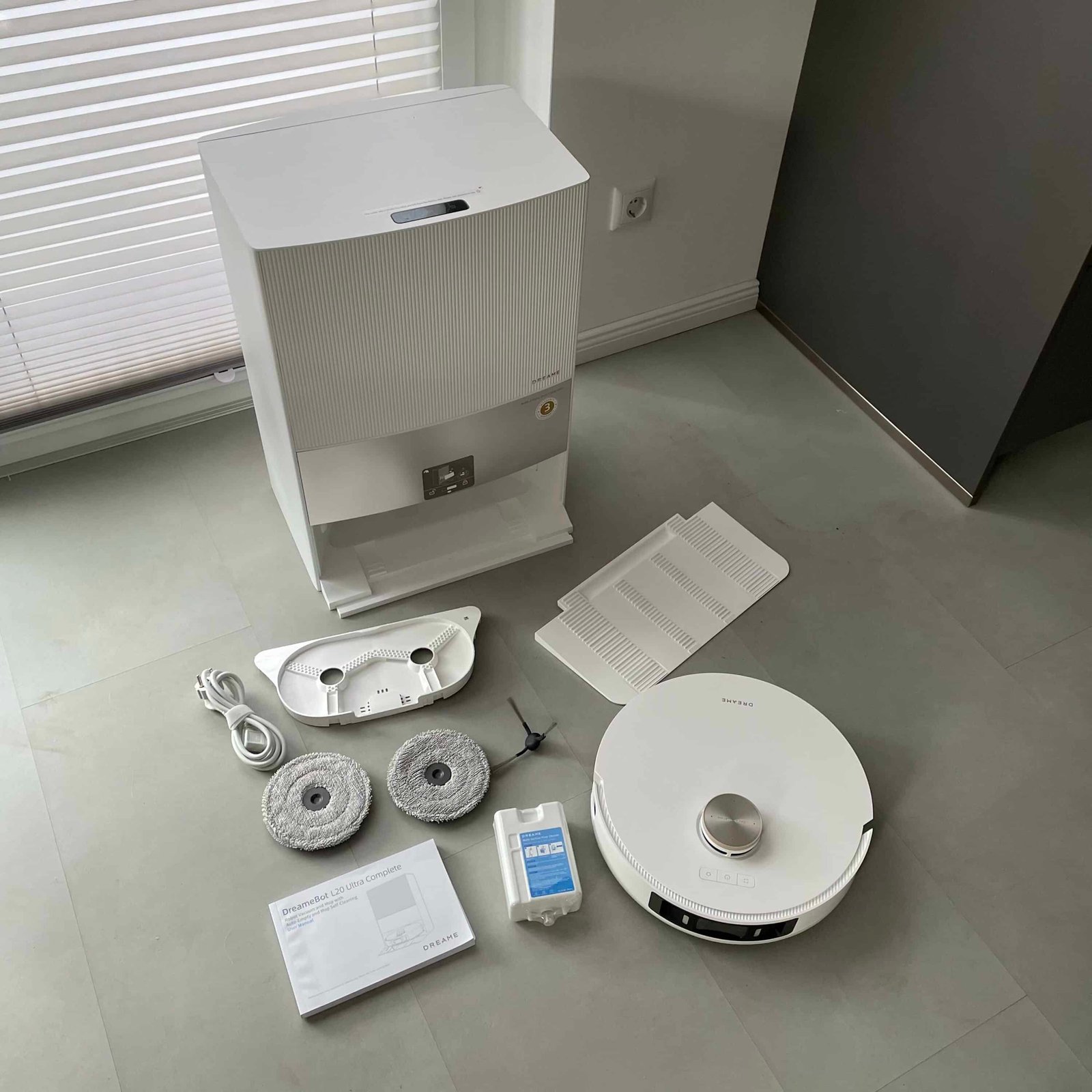
Dreame L20 Ultra Review: Budget Premium Robot Vacuum
We tested the Dreame L20 Ultra robot vacuum with 7000Pa suction and MopExtend edge cleaning. Read our review of performance, mopping, and value.
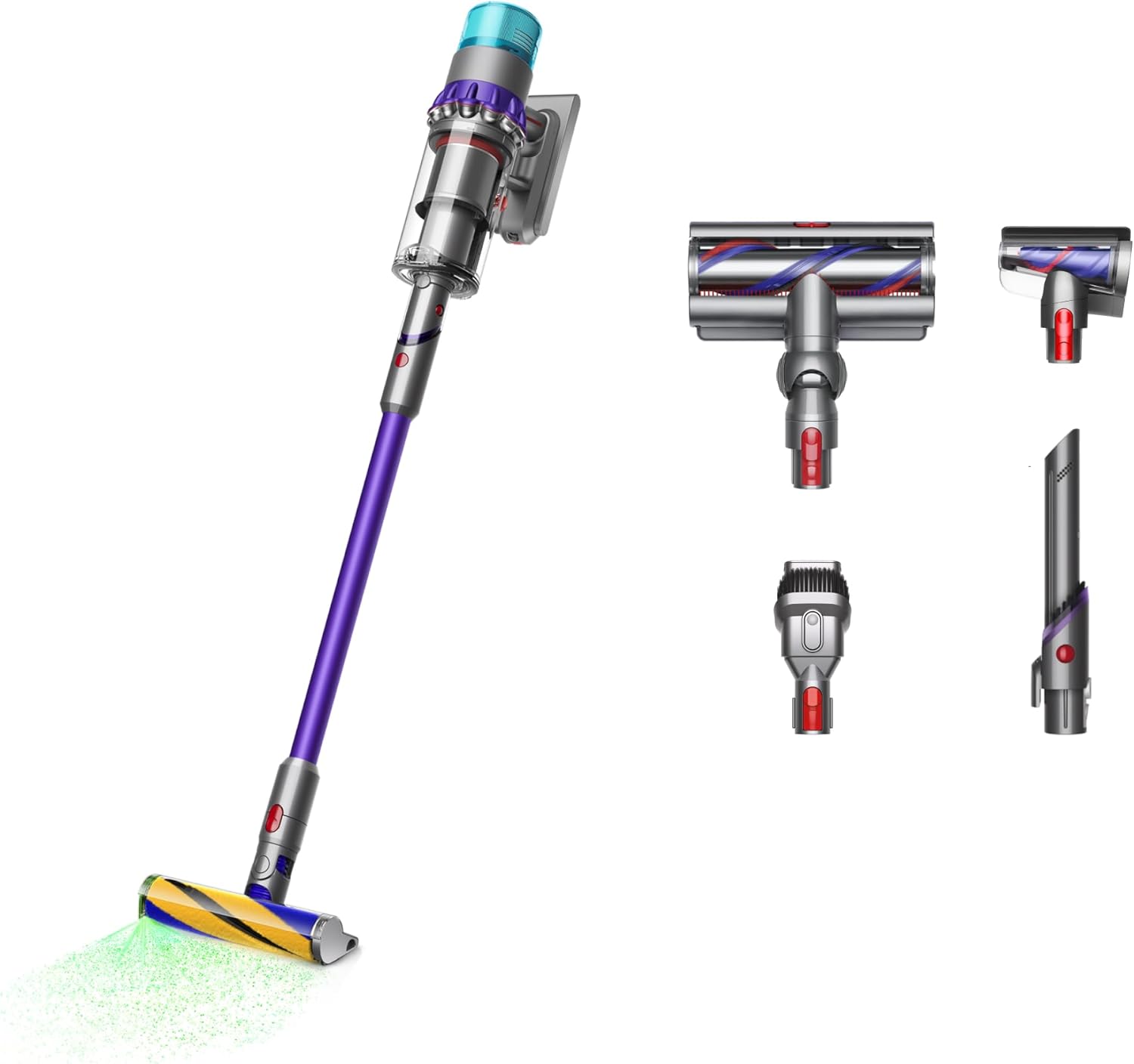
Dyson Gen5detect Review: Is It Worth the Upgrade?
We tested the Dyson Gen5detect with 262 AW suction and 70-minute runtime. Read our in-depth review covering performance, features, and whether it justifies the upgrade.
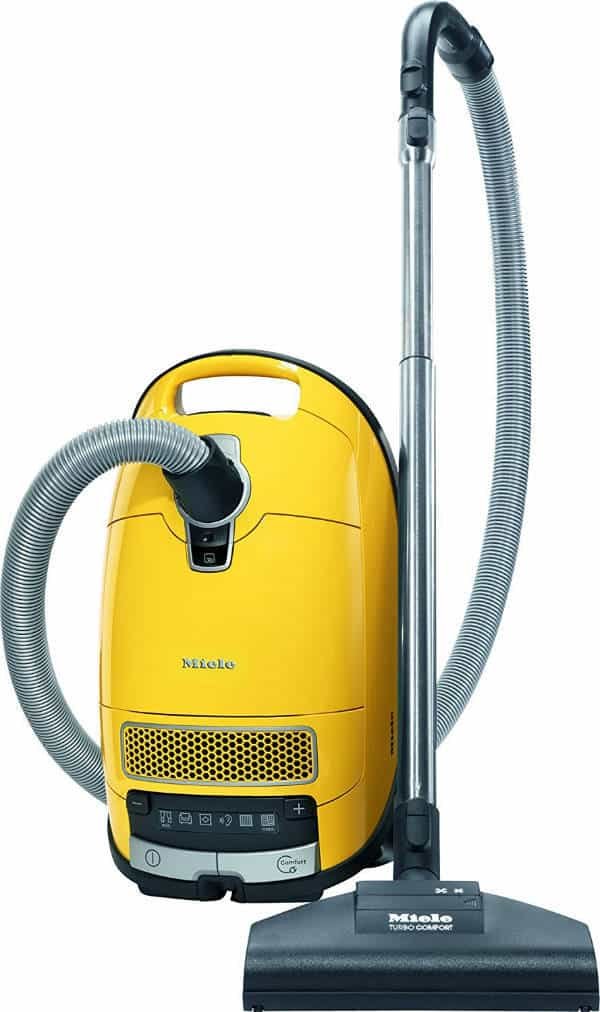
Miele Complete C3 Calima Review: The Gold Standard Canister
We tested the Miele Complete C3 Calima canister vacuum with 150 Air Watts suction and HEPA filtration. Read our review covering performance on carpets, hard floors, and allergens.