Affiliate Disclosure:Home Vacuum Zone is reader-supported. When you buy through links on our site, we may earn an affiliate commission at no additional cost to you. This does not influence our reviews or recommendations — we only recommend products we genuinely believe in.
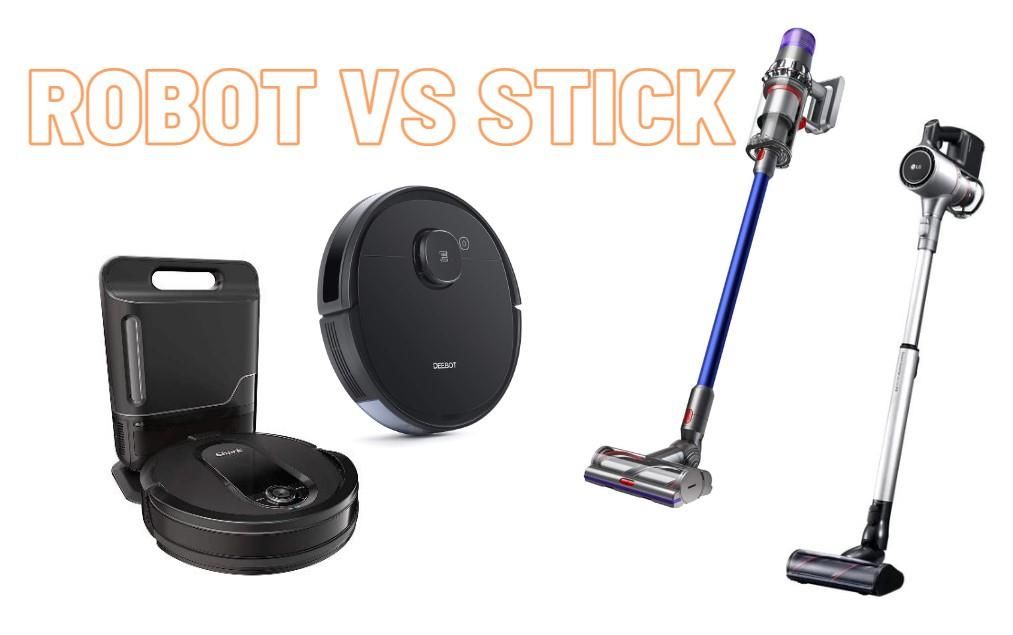
Choosing between a robot vacuum and a stick vacuum isn’t about finding the “best” option - it’s about finding the right tool for your specific needs, home layout, and cleaning habits.
This comprehensive guide compares both types across performance, convenience, cost, and real-world use cases, with specific 2026 model recommendations. To see how robots compare against full-size uprights and canisters instead, read our robot vacuum vs regular vacuum breakdown.
Quick Decision Guide
Choose a Robot Vacuum If:
✓ You have primarily hard floors
✓ You value convenience over deep cleaning
✓ You want automated daily cleaning
✓ You live in a single-level home or apartment
✓ You’re rarely home during cleaning hours
✓ You hate vacuuming manually
Choose a Stick Vacuum If:
✓ You have lots of carpet
✓ You own pets with heavy shedding
✓ You need above-floor cleaning (stairs, upholstery)
✓ You live in a multi-level home
✓ You want deeper cleaning power
✓ You need quick spot-cleaning ability
Best Solution: Many homes benefit from owning both.
How They Work
Robot Vacuums: Automated Floor Maintenance
Robot vacuums navigate autonomously using:
- Sensors: Detect obstacles, cliffs, and dirt
- Navigation: LiDAR, cameras, or gyroscopes map your home
- Brushes: Agitate and collect debris
- Suction: Motor pulls dirt into dustbin
The Experience: Set a schedule or start remotely. The robot cleans while you’re away, returns to dock, and notifies you when done. You empty the dustbin periodically.
Modern robot vacuums learn your home’s layout over multiple cleaning cycles, creating detailed floor maps that improve efficiency with each run. Our guide on how robot vacuums work explains LiDAR, camera, and AI navigation in depth. Advanced models can identify room types and adjust cleaning patterns accordingly - using gentler settings in bedrooms and higher power in high-traffic areas like kitchens. Some 2026 models even incorporate AI-powered object recognition to avoid common obstacles like charging cables, pet waste, and toys without requiring physical boundary markers.
Stick Vacuums: Manual Deep Cleaning
Stick vacuums combine:
- Motorized brushroll: Agitates carpet fibers
- High-power motor: Creates strong suction (100-250 AW)
- Battery pack: Powers cordless operation (20-60 minutes)
- Lightweight design: Easy to maneuver and carry
The Experience: You actively vacuum, controlling where and how thoroughly you clean. Takes 15-30 minutes for average home.
The cordless design of modern stick vacuums has eliminated the hassle of managing power cords while maintaining suction comparable to traditional upright vacuums. You maintain complete control over cleaning intensity and duration, spending extra time on problem areas while quickly passing over clean zones. Many stick vacuums convert to handheld mode with a button press, making them versatile tools for car interiors, curtains, and ceiling cobwebs.
Performance Comparison
Suction Power
| Vacuum Type | Suction Range | Real-World Power |
|---|---|---|
| Robot Vacuum | 1,000-6,000 Pa | Adequate for surface cleaning |
| Stick Vacuum | 100-250 Air Watts | Strong deep-cleaning power |
Translation: Stick vacuums have 3-5x more cleaning power than robots.
This power difference becomes most noticeable on carpet, where stick vacuums can extract dirt from deep within fibers while robots primarily clean the surface layer. However, robot vacuums compensate for lower suction through multiple daily passes - cleaning the same area five times per week versus once with a stick vacuum. For hard floors with light debris, this repeated cleaning often produces comparable results despite the power difference.
Cleaning Performance by Surface
Hard Floors:
| Metric | Robot Vacuum | Stick Vacuum | Winner |
|---|---|---|---|
| Daily dust pickup | 90-95% | 98-100% | Stick (slight) |
| Large debris | 85-90% | 95-98% | Stick |
| Edge cleaning | 70-80% | 90-95% | Stick |
| Under furniture | Excellent | Poor | Robot |
| Convenience | Fully automated | Manual | Robot |
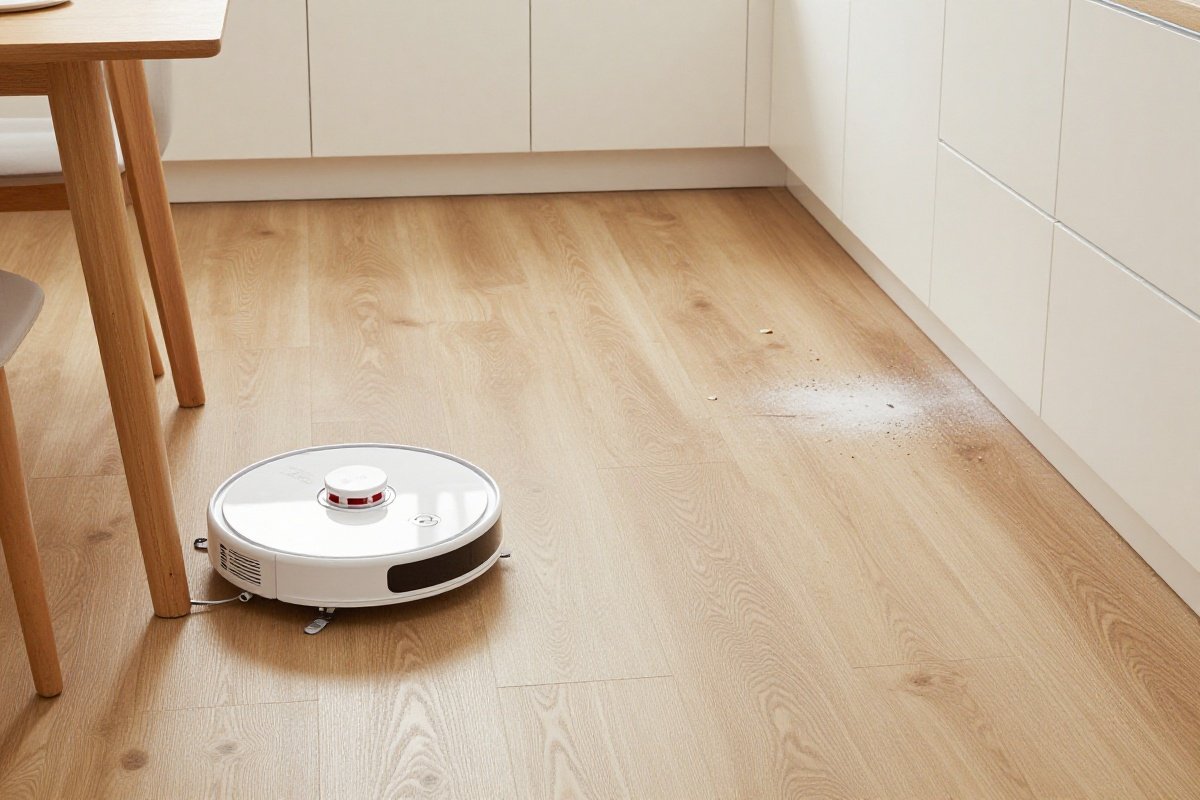
On hard floors, the performance gap narrows considerably. Both vacuum types handle fine dust and debris effectively, with stick vacuums showing only marginal improvements in single-pass pickup rates. However, robot vacuums shine in areas humans struggle to reach - under beds, behind furniture, and in tight corners where maneuvering a stick vacuum becomes awkward. For daily maintenance of hardwood, tile, or laminate flooring, robots provide nearly equivalent results with zero effort.
Carpet:
| Metric | Robot Vacuum | Stick Vacuum | Winner |
|---|---|---|---|
| Surface dirt | 85-90% | 95-98% | Stick |
| Deep embedded dirt | 60-75% | 90-95% | Stick |
| Pet hair removal | 75-85% | 90-95% | Stick |
| High-pile carpet | Struggles | Handles well | Stick |
| Daily maintenance | Automated | Manual | Robot |
Carpet reveals the most significant performance differences. Stick vacuums with motorized brushrolls and higher suction can agitate carpet fibers to extract deeply embedded dirt, allergens, and pet hair that robots simply cannot reach. High-pile and shag carpets particularly challenge robot vacuums, which may struggle to climb onto thick carpet or bog down in dense fibers. Medium-pile carpet represents a middle ground where robots handle surface cleaning adequately but miss the deep cleaning that stick vacuums provide.
Edge and Corner Cleaning
Robot Vacuums:
- Side brushes sweep debris toward center
- Round shape limits corner access
- 70-80% edge effectiveness
Stick Vacuums:
- Direct suction at edges
- Slim profile reaches corners
- 90-95% edge effectiveness
Winner: Stick vacuums clean edges and corners significantly better.
The circular design of most robot vacuums creates a fundamental limitation - they cannot reach into 90-degree corners where walls meet. Side brushes help by sweeping debris toward the main brush path, but debris often scatters before collection. Some premium robots like the Roborock S8 series use D-shaped designs to improve corner access, achieving 80-85% effectiveness versus 70-75% for round models. Stick vacuums, with their slim cleaning heads and direct suction paths, can press flush against baseboards and reach deep into corners where pet hair and dust accumulate.
Convenience Comparison
Time Investment
| Task | Robot Vacuum | Stick Vacuum |
|---|---|---|
| Daily cleaning | 2 min (empty bin) | 15-20 min |
| Weekly deep clean | N/A | 30-45 min |
| Maintenance/month | 30-60 min | 15-20 min |
| Annual upkeep | Moderate (filters, brushes) | Low (filters) |
Time Saved: Robots save 2-4 hours per week of active cleaning time.
The convenience calculation extends beyond just cleaning time. With robot vacuums, you gain the freedom to clean while working, sleeping, or away from home. There’s no need to carve out dedicated cleaning time in your schedule or maintain the physical energy for vacuuming after a long workday. However, robots require more maintenance time - cleaning sensors, untangling brushes, and managing mapping issues. Stick vacuums demand your immediate attention during cleaning but require minimal maintenance afterward.
Physical Effort
| Factor | Robot Vacuum | Stick Vacuum |
|---|---|---|
| Active effort | None (automated) | Moderate (pushing/guiding) |
| Lifting/carrying | None | Light to moderate |
| Bending | Minimal | Some (under furniture) |
| Stairs | Can’t do | Easy with stick |
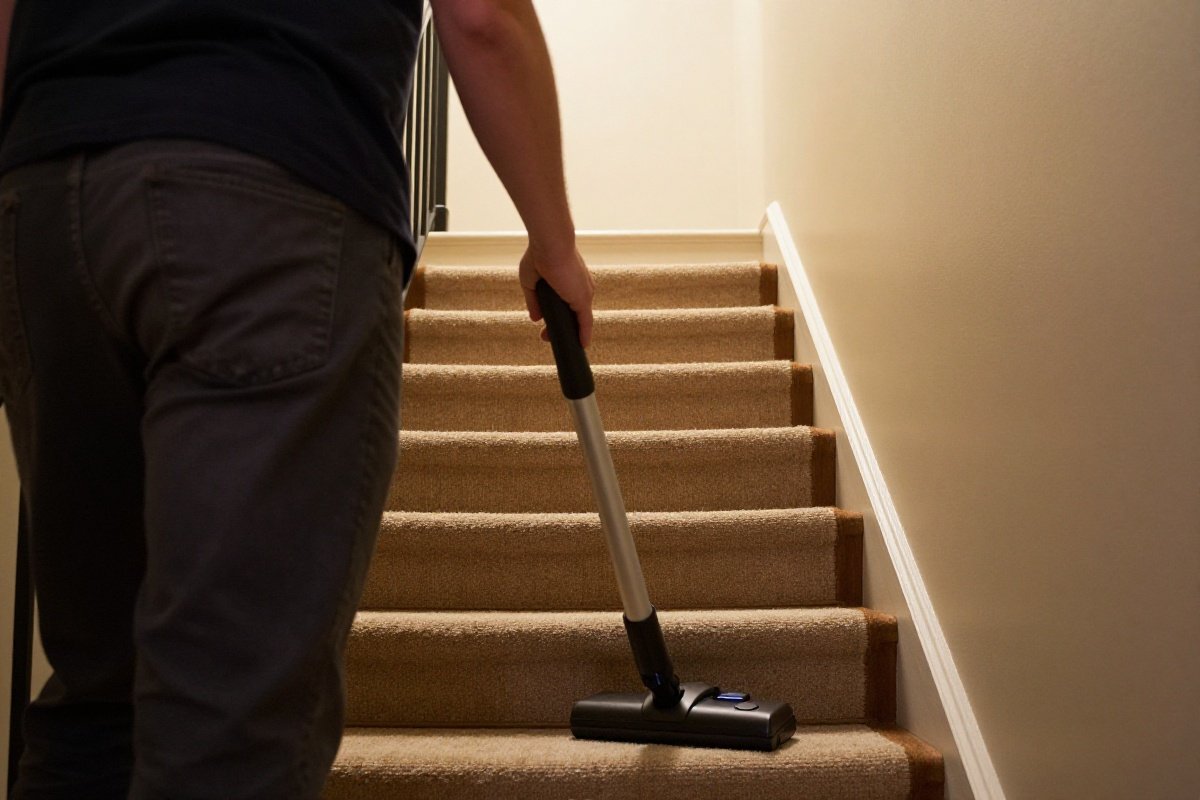
For individuals with mobility limitations, chronic pain, or physical disabilities, robot vacuums provide genuine accessibility benefits. The complete elimination of active vacuuming effort makes floor maintenance possible for those who cannot physically push a vacuum. Stick vacuums, while lighter than traditional uprights (typically 5-7 pounds), still require grip strength, arm mobility, and the ability to bend and reach. However, their lightweight design makes them significantly more accessible than corded uprights for most users.
Cost Comparison (2026)
Robot Vacuum Prices
| Tier | Examples | Features |
|---|---|---|
| Budget | Roomba 694, Eufy 11S | Basic navigation, no mapping |
| Mid-Range | Roborock Q7 Max+, Roomba i3+ | Smart mapping, auto-empty |
| Premium | Roomba j7+, Roborock S8 | AI navigation, obstacle avoidance |
| Flagship | S8 MaxV Ultra, Combo j9+ | Self-washing mop, advanced AI |
Stick Vacuum Prices
| Tier | Examples | Features |
|---|---|---|
| Budget | Black+Decker, Bissell | Basic suction, 20-30 min runtime |
| Mid-Range | Shark Stratos, Tineco A11 | Good suction, 40-50 min runtime |
| Premium | Dyson V12, LG CordZero | Strong suction, 50-60 min runtime |
| Flagship | Dyson V15, Samsung Bespoke | Maximum power, laser detection |
The pricing structure reveals a key insight: premium robot vacuums cost significantly more than premium stick vacuums, yet often deliver less powerful cleaning. However, the automation premium justifies the cost for many buyers. When evaluating prices, consider the auto-empty feature - robots with self-emptying docks carry a notable price premium but eliminate the most tedious maintenance task, reducing hands-on time to just a few minutes per week.
3-Year Total Cost of Ownership
At every price tier, robot vacuums cost roughly twice as much as stick vacuums for the initial purchase plus three years of maintenance. Budget robots cost about double their stick vacuum equivalents over three years, and the same ratio holds at mid-range and premium levels.
Long-term costs include replacement parts: filters, brushes, and batteries over the ownership period. Robot vacuums typically incur higher ongoing costs due to more complex parts and more frequent filter replacements. Side brushes wear down quickly and need replacement every 3-6 months. Stick vacuums have simpler maintenance needs - primarily filter cleaning and occasional battery replacement - making them more economical over time.
Maintenance Requirements
Robot Vacuum Maintenance
Daily (2 minutes):
- Empty dustbin
- Quick brush check
Weekly (10 minutes):
- Clean main brushroll
- Clean side brushes
- Wipe sensors
Monthly (15 minutes):
- Replace/clean filter
- Check wheels for hair
- Clean charging contacts
Annually:
- Replace battery (years 2-3)
- Replace brushes
- Cost: moderate
Robot vacuums require consistent maintenance attention to function optimally. Hair wraps around brush rolls and wheel axles, reducing cleaning effectiveness and potentially damaging motors. Sensors accumulate dust that interferes with navigation, causing the robot to bump into furniture or miss areas. The smaller dustbins fill quickly, especially in pet-friendly homes, requiring daily emptying versus weekly for stick vacuums. Neglecting maintenance leads to degraded performance - robots that skip areas, fail to dock properly, or produce error messages.
Stick Vacuum Maintenance
After Each Use (3 minutes):
- Empty dustbin
- Remove hair from brushroll
Monthly (10 minutes):
- Wash/clean filter
- Wipe exterior
Quarterly:
- Check battery health
- Inspect for damage
Annually:
- Replace battery (years 2-4)
- Replace filter
- Cost: low
Stick vacuum maintenance follows a simpler pattern with fewer components to manage. Most maintenance happens immediately after use - emptying the bin and removing any hair tangles from the brush. Many modern stick vacuums feature anti-tangle brush designs that significantly reduce hair wrap issues. Filters are typically washable and reusable, requiring replacement only annually or when damage occurs. The straightforward maintenance means less time spent on upkeep and fewer opportunities for neglect to impact performance.
Specific Model Recommendations (2026)
Budget to Mid-Range Tier
Best Robot Vacuum: Roborock Q7 Max+
- Price: Mid-range
- Why: LiDAR navigation, auto-empty dock, vacuum + mop capability
- Best For: First-time robot buyers wanting premium features at mid-range price
Runner-Up: Roomba 694
- Price: Budget-friendly
- Why: Reliable, good support, proven design
- Best For: Brand-conscious buyers wanting proven reliability
Best Stick Vacuum: Shark Stratos Cordless
- Price: Mid-range
- Why: 60-minute runtime, PowerFins anti-hair wrap, odor neutralizer
- Best For: Pet owners wanting premium features without Dyson prices
Runner-Up: Tineco A11 Hero
- Price: Budget-friendly
- Why: Good suction, lightweight, versatile attachments
- Best For: Budget-conscious buyers wanting decent performance
Premium Tier
Best Robot Vacuum: iRobot Roomba j7+
- Price: Premium
- Why: Best-in-class obstacle avoidance, PrecisionVision navigation, reliable auto-empty
- Best For: Homes with cords, pet toys, or clutter; buyers wanting proven reliability
Runner-Up: Roborock S8 Pro Ultra
-
Price: Flagship
-
Why: Self-washing mop, 6000Pa suction, comprehensive automation
-
Best For: Hard floor homes wanting minimal maintenance Best Stick Vacuum: Dyson V15 Detect
-
Price: Premium
-
Why: Laser dust detection, 240 AW suction, intelligent power optimization
-
Best For: Deep cleaning enthusiasts, allergy sufferers
Runner-Up: LG CordZero A9
- Price: Upper mid-range
- Why: 80-minute runtime, Kompressor technology, 5-year warranty
- Best For: Large homes needing extended runtime
Best for Specific Situations
Best for Pet Owners: Stick Vacuum
Why: Superior suction for embedded hair, cleans pet beds and furniture, handles heavy shedding better.
Recommendation: Dyson V15 Detect or Shark Stratos
Alternative: Roomba j7+ (best robot for pets) for daily maintenance alongside stick vacuum. Pet hair presents unique challenges that favor stick vacuums. Hair embeds deeply in carpet fibers, clings to upholstery, and accumulates in corners - all areas where robots struggle. If you’re leaning toward a robot anyway, see our best robot vacuums for pet hair for models that handle shedding best. Stick vacuums like the Dyson V15 Detect provide the suction power (240 AW) needed to extract embedded hair while converting to handheld mode for furniture and car interiors. The Shark Stratos features anti-hair-wrap technology that prevents the brush tangles that plague both vacuum types when dealing with long pet hair.
Best for Allergy Sufferers: Tie (Different Strengths)
Robot: Daily cleaning reduces allergen buildup
- Best: Roomba j7+ with HEPA filter
Stick: Deep cleaning removes embedded allergens
- Best: Dyson V15 with whole-machine HEPA
Recommendation: Both - robot for daily allergen control, stick for weekly deep cleaning.
Allergen management requires both frequency and intensity. Robot vacuums provide daily passes that prevent allergen accumulation, maintaining consistently low particle levels rather than allowing buildup between weekly cleanings. Stick vacuums offer superior filtration and deeper extraction, removing allergens that daily robot passes miss. The Dyson V15’s sealed filtration system captures 99.99% of particles as small as 0.3 microns, while its powerful suction extracts allergens from carpet depths. For optimal allergy control, combine daily robot maintenance with weekly stick vacuum deep cleaning.
Best for Large Homes: Depends on Layout
Single-Level (2,000+ sq ft): Robot vacuum
- Maps and cleans entire level automatically
- Best: Roborock S8 (large battery, efficient navigation)
Multi-Level: Stick vacuum
- Easy to carry between floors
- Best: Dyson V15 or LG CordZero
Home size and layout dramatically affect which vacuum type performs better. Single-level homes benefit maximally from robot automation - set the robot to clean while you’re at work, returning to fully vacuumed floors. Large battery capacity and efficient navigation become critical for homes over 2,000 square feet, where robots must cover extensive areas without recharging. Multi-level homes favor stick vacuums due to robots’ inability to climb stairs and the inconvenience of carrying robot docks between floors or purchasing multiple units.
Best for Busy Professionals: Robot Vacuum
Why: Automated cleaning requires zero time investment
Recommendation: Roomba j7+ or Roborock Q7 Max+
Busy professionals benefit most from automation that eliminates floor cleaning from their to-do list entirely. Our are robot vacuums worth the money analysis shows the payback period is often under four months for this group. Schedule the robot to clean during work hours, arriving home to vacuumed floors without sacrificing any personal time. Models with auto-empty docks extend the hands-off period to weeks rather than days. The time saved compounds significantly - 20 minutes daily equals over 120 hours annually, time better spent on work, family, or relaxation.
Best for Small Apartments: Stick Vacuum
Why: Faster cleanup, easier storage, lower cost, no mapping needed
Recommendation: Shark Stratos or Tineco A11
Small apartments (under 800 square feet) diminish the convenience advantage of robot vacuums. Manual vacuuming takes just 10-15 minutes in a small space, making the setup time and monitoring required for robots nearly equivalent. Stick vacuums store compactly in closets without requiring dedicated dock space or outlet access. The lower cost becomes more significant when the space cleaned doesn’t justify premium robot features like multi-room mapping and zone cleaning.
Pros and Cons Summary
Robot Vacuum
Pros:
- Fully automated cleaning
- Saves significant time
- Cleans under furniture
- Daily maintenance without effort
- Scheduled cleaning
- Can mop (some models)
Cons:
- Expensive for good models
- Limited carpet cleaning
- Can’t do stairs or furniture
- Requires regular maintenance
- Gets stuck on obstacles
- Smaller dustbin
Stick Vacuum
Pros:
- Superior suction power
- Deep carpet cleaning
- Above-floor versatility
- Lower cost for performance
- Quick spot cleaning
- No charging dock needed
Cons:
- Requires manual effort
- Limited runtime (battery)
- Can’t clean under low furniture
- Must be stored/accessed
- Daily use requires discipline
Understanding Runtime and Battery Considerations
Battery technology significantly impacts both vacuum types, though in different ways. Robot vacuums automatically return to their docks when battery runs low, recharge, and resume cleaning - making runtime less critical for buyers. However, cleaning efficiency improves with larger batteries that reduce recharge interruptions. Most robots handle 1,500-2,000 square feet per charge, sufficient for many homes.
Stick vacuums face stricter runtime limitations. Budget models (20-30 minutes) barely complete medium-sized homes, while premium models (50-60 minutes) handle larger spaces comfortably. Runtime decreases significantly in max power mode - the Dyson V15’s 60-minute runtime drops to 10 minutes at maximum suction. This creates a strategic choice: use lower power for longer cleaning or maximum power for shorter, more intensive sessions. Models with swappable batteries like the LG CordZero eliminate runtime anxiety entirely.
Further Reading
- Where Are Miele Vacuums Made? Germany vs China Production Explained
- Best Canister Vacuum Reviews - 5 Top Models for 2026
- Quiet Vacuum Cleaner Reviews: Best Low-Noise Vacuums for 2026
The Verdict: Which Should You Buy?
Buy a Robot Vacuum If:
You want automated daily maintenance, have mostly hard floors, live in a single-level home, hate vacuuming, or want to maintain floors between weekly deep cleans.
Recommended Models:
- Budget: Roborock Q7 Max+
- Premium: Roomba j7+
Buy a Stick Vacuum If:
You have lots of carpet, own pets, need above-floor cleaning, live in a multi-level home, want deep cleaning power, or need quick spot-cleaning ability.
Recommended Models:
- Budget: Shark Stratos
- Premium: Dyson V15 Detect
Buy Both If:
You want the ultimate floor care system - robot for daily automated maintenance, stick for weekly deep cleaning, stairs, furniture, and spot messes. This combination provides comprehensive cleaning with maximum convenience.
Budget Combo: Roborock Q7 Max+ + Shark Stratos Premium Combo: Roomba j7+ + Dyson V15
If those prices feel steep, browse our best vacuums under $200 for budget-friendly alternatives, or check our list of best corded stick vacuums for unlimited-runtime options.
The two-vacuum approach represents the optimal solution for homes where budget allows. Robot vacuums handle the tedious daily maintenance that most people neglect, while stick vacuums provide the deep cleaning power that robots cannot match. This combination delivers both convenience and cleanliness without compromise. You gain the freedom to skip manual vacuuming most days while ensuring your home receives thorough weekly deep cleans.
Recommended Products
Roborock Q7 Max+
Best robot budgetBest budget robot vacuum with premium features.
What We Like
- Auto-empty dock with 2.5L dust bag
- Precise LiDAR navigation for efficient cleaning
- Great value for vacuum and mop combo
- Strong 4200Pa suction power
What We Don't
- Basic obstacle avoidance (no camera-based AI)
- No advanced AI features like object recognition
- Mop system less advanced than newer models
iRobot Roomba j7+ Self-Emptying Robot Vacuum
Best robot premiumBest robot for obstacle avoidance and reliability.
What We Like
- PrecisionVision AI obstacle avoidance (avoids pet waste)
- 60-day capacity self-emptying Clean Base
- Smart mapping with room-specific cleaning schedules
- Pet Owner Official Promise (P.O.O.P.)
What We Don't
- Premium price point
- No mopping capability
- Camera-based navigation requires adequate lighting
Dyson V15 Detect
Best stick premiumBest stick vacuum for deep cleaning.
What We Like
- Laser reveals microscopic dust on hard floors
- Piezo sensor counts particles and displays in real-time
- Anti-tangle Motorbar cleaner head prevents hair wrap
- Powerful 240 AW suction with auto-adjusting power
What We Don't
- 60-minute runtime only in Eco mode (8 min in Boost)
- Small 0.2-gallon dustbin requires frequent emptying
- Premium price point
- 4.5-hour charging time is lengthy
Shark Stratos Cordless
Best stick budgetThe Shark Stratos Cordless packs DuoClean PowerFins, a self-cleaning brushroll, and built-in odor neutralizer technology into a 60-minute runtime cordless vacuum with HEPA filtration. Best for pet owners seeking Shark's latest features at a lower price than the top-tier Stratos models.
What We Like
- PowerFins brush roll effectively removes pet hair without tangling
- Up to 60 minutes of runtime on standard mode
- Built-in odor neutralizer technology reduces odors
- Good value for a premium cordless vacuum with DuoClean system
- Self-cleaning brush roll prevents hair wrap
What We Don't
- Dustbin capacity is smaller than some competitors at 0.7 quarts
- Premium price point for a cordless model
- Shorter runtime on high-power mode
iRobot Roomba 694
Best budget robotThe iRobot Roomba 694 provides WiFi connectivity, voice control via Alexa and Google Assistant, and Dirt Detect concentrated cleaning at the lowest price in the Roomba lineup. It is best for first-time robot vacuum buyers who want the reliability and support of the iRobot brand with basic smart features for daily maintenance cleaning.
What We Like
- Dirt Detect technology identifies high-traffic areas for concentrated cleaning
- WiFi connectivity enables remote control and scheduling via app
- Voice control compatible with Alexa and Google Assistant
- Reliable iRobot brand support and customer service
- Auto-adjust cleaning head adapts to different floor types
What We Don't
- Random navigation pattern less efficient than mapping models
- No room mapping or zone cleaning capabilities
- Smaller dustbin requires more frequent emptying
- Basic feature set compared to higher-end Roomba models
roborock S8 Pro Ultra
Best robot flagshipThe Roborock S8 Pro Ultra combines 6000Pa suction with simultaneous VibraRise sonic mopping and a self-washing, self-drying dock for near-zero maintenance cleaning. Best for busy households with mixed flooring who want hands-free vacuuming and mopping without separate cleaning routines.
What We Like
- Vacuums and mops simultaneously with VibraRise technology
- Self-washing and drying mop pads
- Powerful 6000Pa HyperForce suction
- ReactiveAI 2.0 obstacle avoidance
What We Don't
- Very expensive premium pricing
- Large dock requires significant floor space
- VibraRise mop lifts only partially, still requiring manual carpet protection for thick rugs
Tineco A11 Hero
Best budget stickThe Tineco A11 Hero delivers 120 Air Watts of suction at just 5.5 lbs with LED headlights for dust visibility, offering a compelling balance of power and portability at its price point. Best for budget-conscious buyers who want a capable cordless vacuum without paying for smart features or app connectivity they may not use.
What We Like
- Affordable price for 120 AW suction power
- Lightweight at 5.5 lbs for easy maneuverability
- Strong suction performance with 120 Air Watts
- LED headlights illuminate dust under furniture
What We Don't
- No smart features or app connectivity
- 40-minute runtime shorter than premium competitors
- Longer charging time compared to newer models
LG CordZero A9 Ultimate
Best premium stick runner-upThe LG CordZero A9 stands out with its dual-battery system delivering up to 120 minutes of runtime and Kompressor technology that compresses dust for 2.4x effective bin capacity. Best for large homes where a single battery charge falls short and frequent dustbin emptying is inconvenient.
What We Like
- Dual batteries included for extended runtime
- Kompressor technology compresses dust for 2.4x capacity
- Washable filters reduce maintenance costs
- 5-step HEPA filtration traps fine particles
- All-in-one charging stand included
What We Don't
- Expensive compared to competitors
- Heavier than some cordless alternatives
- Dust bin smaller than traditional bagless vacuums
Samsung Bespoke Jet
Best stick flagshipThe Samsung Bespoke Jet combines 210 AW suction with a 5-layer HEPA filtration system and an all-in-one clean station that auto-empties, charges, and stores the vacuum in a single unit. Best suited for design-conscious households that want a premium cordless vacuum with minimal maintenance.
What We Like
- All-in-one clean station with automatic dust emptying
- Self-emptying and charging dock included
- Sleek, modern design with multiple color options
- Strong suction with Jet Cyclone technology
- 5-layer HEPA filtration system
What We Don't
- Premium pricing significantly higher than competitors
- Clean station requires considerable floor space
- Heavier than some stick vacuum alternatives
Sources & Research
- Amazon Product Page
- Roborock Official Product Page
- Amazon Product Page
- iRobot Official Page
- iRobot j7 Series
- Dyson official product page
- RTINGS lab test results
- Amazon Product Page
- Amazon Product Page
- Shark Official
- Amazon Product Page
- iRobot Official Page
- Amazon Product Page
- Roborock Official
- Amazon Product Page
- Tineco Official Website
- Tineco Official Website
- Amazon Product Page
- LG Official Product Page
- LG Official Product Page
- Amazon Product Page
- Samsung Official Product Page
- Samsung Official Product Page
Continue Reading
Explore more reviews content or browse our other categories.
Frequently Asked Questions
- Which is better robot vacuum or stick vacuum?
- Neither is universally better - it depends on your needs. Robot vacuums win on convenience: automated daily cleaning, no effort required, maintains floors between deep cleans. Stick vacuums win on cleaning power: superior suction (200+ AW vs 2,500-6,000Pa), better carpet cleaning, above-floor versatility, and lower cost for comparable performance. Choose robot vacuum if you: have primarily hard floors, want maintenance-free daily cleaning, live in a single-level home, and value convenience over deep cleaning. Choose stick vacuum if you: have lots of carpet, own pets with heavy shedding, need above-floor cleaning (stairs, upholstery, cars), live in multi-level home, or want deeper cleaning power. Many homeowners ultimately benefit from owning both - robot for daily maintenance, stick for weekly deep cleaning and spot messes.
- Can a robot vacuum replace a stick vacuum?
- A robot vacuum cannot completely replace a stick vacuum for most homes. Robots excel at daily maintenance cleaning of floors but have significant limitations: no above-floor cleaning (can't do stairs, upholstery, or cars), weaker suction for deep carpet cleaning, difficulty with edges and corners, inability to handle spot messes quickly, and no handheld versatility. For homes with only hard floors and minimal furniture, a robot vacuum might suffice as the primary vacuum. However, for carpeted homes, pet owners, or multi-level homes, a stick vacuum remains essential. The optimal setup for most homes is both: robot vacuum for automated daily maintenance, stick vacuum for weekly deep cleaning, stairs, upholstery, and quick spot cleaning. This combination provides comprehensive floor care with maximum convenience.
- Which is better for pet hair robot or stick vacuum?
- Stick vacuums are generally better for pet hair than robot vacuums. Stick vacuums offer superior suction power (200+ AW) for deep cleaning pet hair from carpets, larger brush rolls that don't tangle as easily, ability to clean pet beds and furniture with attachments, faster cleanup of heavy shedding areas, and better edge cleaning where pet hair accumulates. Robot vacuums can handle daily pet hair maintenance on hard floors and low-pile carpet, and premium models like Roomba j7+ with rubber brushes or Roborock with floating brush systems manage pet hair reasonably well. However, for heavy shedders or thick carpet, robots struggle with deep hair removal and require frequent brush cleaning. For pet owners, the ideal setup is both: robot for daily hair maintenance, stick vacuum for weekly deep cleaning of carpets and furniture.
- Is a robot vacuum worth it if I have a stick vacuum?
- A robot vacuum is worth adding even if you own a stick vacuum because they serve complementary purposes. The robot handles daily automated cleaning, maintaining floors between your stick vacuum deep cleans. This saves you significant time - instead of stick vacuuming every 2-3 days, you can deep clean weekly while the robot maintains daily. For homes with hard floors, a robot vacuum significantly reduces visible dust and debris accumulation. For pet owners, daily robot runs capture shedding before it embeds in carpet. The time savings alone (15-20 minutes daily) justifies the cost for many busy households. Budget $300-600 for a quality robot vacuum that complements your stick vacuum rather than replacing it.
- How long do robot vacuums last compared to stick vacuums?
- Both robot and stick vacuums typically last 4-6 years with proper maintenance, though their failure modes differ. Robot vacuums often fail due to: battery degradation (2-3 years for entry models, 3-4 for premium), wheel motor wear, sensor failures, or software obsolescence. Premium robots with replaceable batteries can last 6-8 years. Stick vacuums typically fail due to: battery degradation (2-4 years), motor wear, or physical damage from drops. Dyson and premium brands often last longer due to better build quality. Robot vacuums generally require more frequent small maintenance (cleaning sensors, emptying bins, replacing filters), while stick vacuums need less frequent but more intensive maintenance. Both benefit from battery replacements ($50-100) to extend life. With proper care, either type can provide 5+ years of service.
Written By
Home Vacuum Zone
Our team researches, tests, and reviews vacuum cleaners to help you make confident buying decisions.
Related Articles
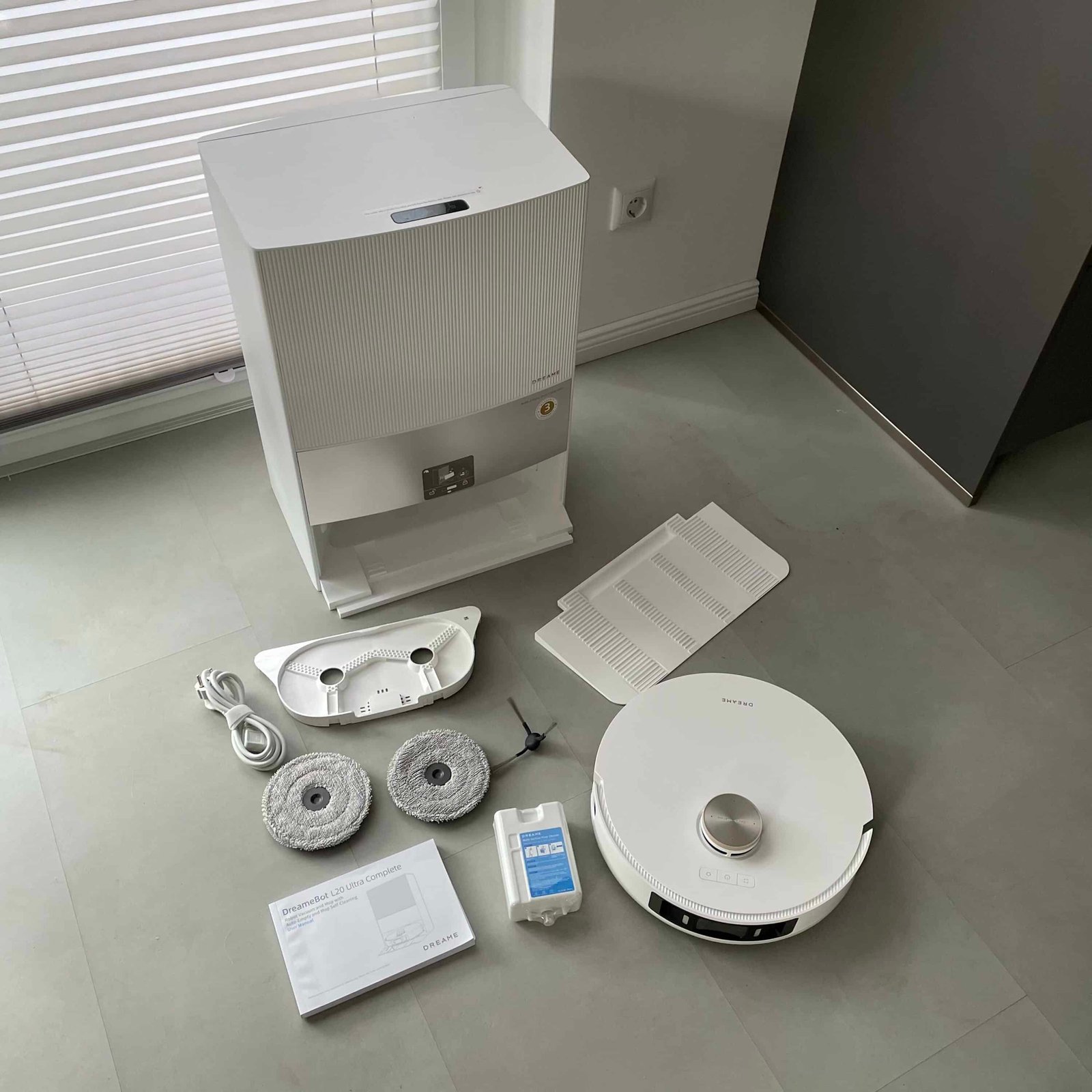
Dreame L20 Ultra Review: Budget Premium Robot Vacuum
We tested the Dreame L20 Ultra robot vacuum with 7000Pa suction and MopExtend edge cleaning. Read our review of performance, mopping, and value.
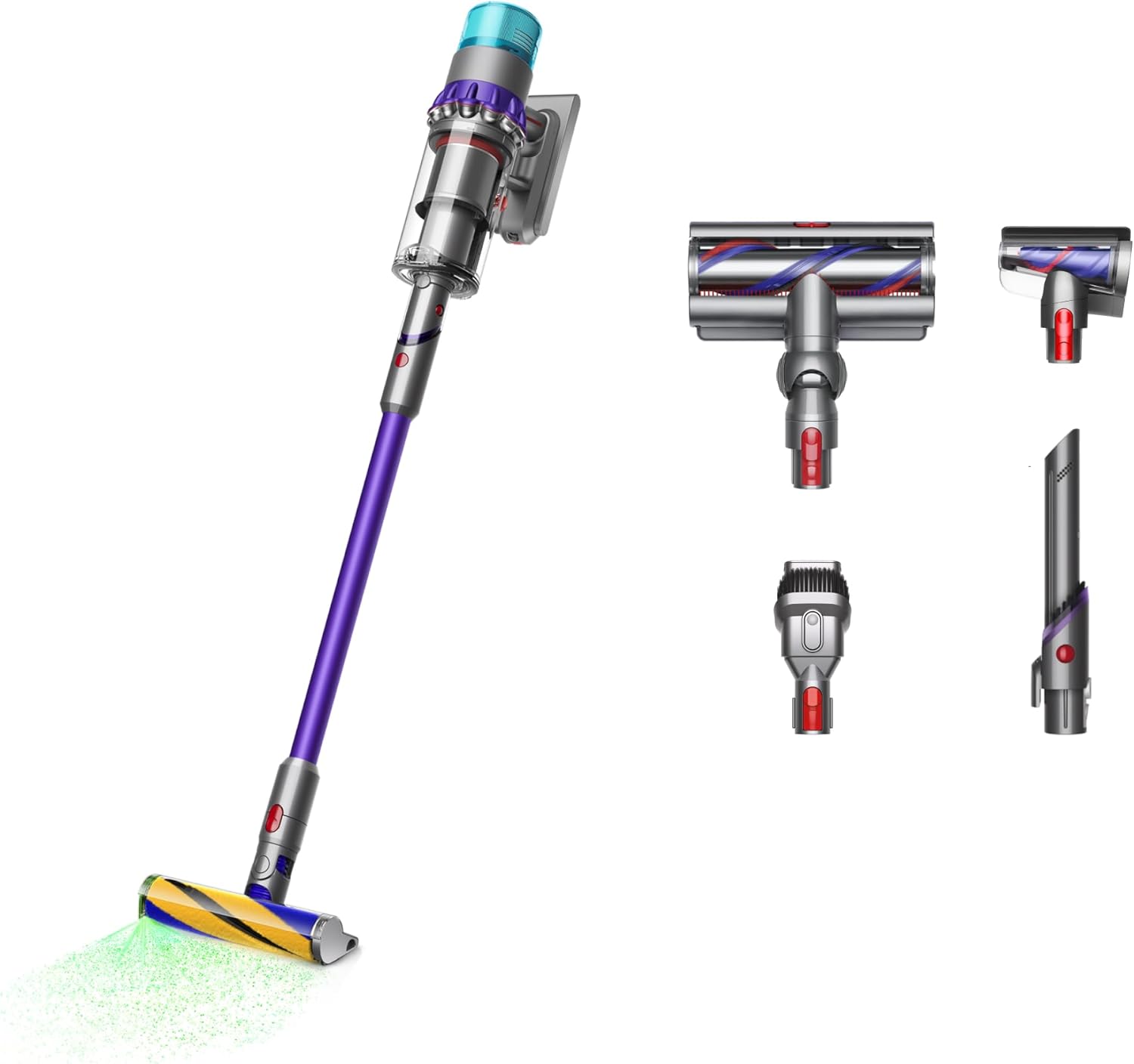
Dyson Gen5detect Review: Is It Worth the Upgrade?
We tested the Dyson Gen5detect with 262 AW suction and 70-minute runtime. Read our in-depth review covering performance, features, and whether it justifies the upgrade.
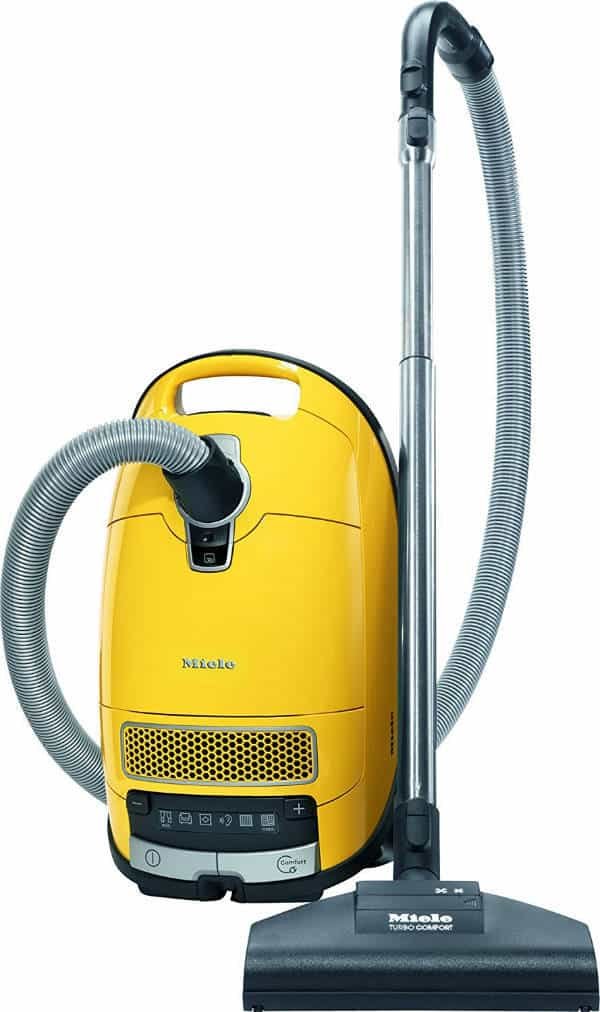
Miele Complete C3 Calima Review: The Gold Standard Canister
We tested the Miele Complete C3 Calima canister vacuum with 150 Air Watts suction and HEPA filtration. Read our review covering performance on carpets, hard floors, and allergens.