Affiliate Disclosure:Home Vacuum Zone is reader-supported. When you buy through links on our site, we may earn an affiliate commission at no additional cost to you. This does not influence our reviews or recommendations — we only recommend products we genuinely believe in.
Note: This article originally compared Roomba to Samsung robot vacuums. However, Samsung exited the North American robot vacuum market in 2022. We’ve updated this comparison to feature Roborock - now Roomba’s primary premium competitor and the brand most shoppers should consider alongside iRobot.
The robot vacuum market has transformed. While Roomba dominated for years, Chinese manufacturers like Roborock have emerged as serious competitors, often offering superior technology at lower prices. But does technical superiority translate to a better ownership experience?
This comprehensive comparison examines both brands across their current 2026 lineups. If you’re still weighing whether a robot vacuum is worth the investment, start with our guide on whether robotic vacuums are worth the money.
2026 Robot Vacuum Landscape
The robot vacuum market in 2026 presents consumers with distinct choices between specialized pioneers and diversified tech giants. iRobot, with its sole focus on robot cleaners, remains the clear frontrunner in the dedicated robot vacuum space according to Smart Home Muse and other industry analysts. This singular focus has allowed iRobot to develop unmatched expertise in autonomous cleaning technology over three decades.
Samsung, by contrast, represents the diversified approach - offering robot vacuums as part of a broader ecosystem of home appliances. While Samsung has exited the North American market, understanding this dynamic helps contextualize why brands like Roborock have emerged to fill the competitive gap.
Key Differentiating Features in 2026 Models:
Samsung’s Jet Bot AI+ featured AI-powered object recognition, competing directly with Roomba’s PrecisionVision Navigation. Samsung’s approach emphasized smart home integration through SmartThings, while iRobot focused on cleaning-specific intelligence. The Samsung Jet Bot+ included self-emptying docks with 5-layer HEPA filtration, addressing allergy concerns that remain relevant in current market offerings.
Price Positioning and Value Considerations:
Samsung historically positioned its POWERbot line as premium alternatives, with marketing claims of 10x more suction power than Roomba models. While these figures represented marketing claims rather than standardized testing, they reflected Samsung’s aggressive positioning. iRobot responded with the Roomba S9, featuring its most powerful suction motor according to independent testing from RTINGS.
Category Leadership:
Roomba leads in obstacle avoidance technology - its PrecisionVision Navigation on the j7 Plus remains industry-leading for identifying and avoiding cords, pet waste, and small objects. Samsung’s Jet Bot 6 series was notably quieter (by approximately 6 dB) than comparable Roomba models, an advantage for noise-sensitive households.
Samsung’s washable filters and support for no-go zones provided practical advantages for maintenance and control, features now standard in the competitive landscape. Problem area cleaning - focusing suction on high-traffic zones - was another Samsung innovation that influenced market expectations.
iRobot’s 2026 introduction of the Roomba Combo Essential represents its least expensive 2-in-1 robot vacuum, democratizing wet-dry cleaning for budget-conscious consumers. This pricing strategy reflects the competitive pressure from brands like Roborock that deliver premium features at lower price points.
Brand Overview
iRobot (Roomba): The Established Leader
Founded: 1990 Headquarters: Bedford, Massachusetts, USA Market Position: Premium brand with proven reliability
Key Strengths:
- 30+ years of robot vacuum experience
- Excellent customer support and service network
- Superior obstacle avoidance technology
- Strong smart home integration
- Proven long-term reliability
Key Weaknesses:
- Higher prices for comparable features
- Slower to adopt new technologies
- Basic mopping capabilities (until recently)
- Slower mapping process
Roborock: The Technology Disruptor
Founded: 2014 (originally part of Xiaomi ecosystem) Headquarters: Beijing, China Market Position: Premium features at competitive prices
Key Strengths:
- Industry-leading LiDAR navigation
- Superior suction power
- Excellent mopping capabilities
- Aggressive pricing for features
- Rapid innovation cycle
Key Weaknesses:
- Less established support network in North America
- Shorter track record for long-term reliability
- Some privacy concerns (Chinese company)
- Occasional software translation issues
Current Model Lineups (2026)
Roomba Current Models
| Model | Value Tier | Key Features | Target User |
|---|---|---|---|
| Roomba 694 | Budget | Entry-level, WiFi, basic navigation | Budget buyers |
| Roomba i3+ EVO | Mid-Range | Auto-empty, smart mapping | Mid-range |
| Roomba j7+ | Premium | Obstacle avoidance, PrecisionVision | Premium |
| Roomba Combo j7+ | High-End | Vacuum + mop, retractable mop | Premium combo |
| Roomba s9+ | Premium | Maximum suction, deep clean | Deep carpet |
Roborock Current Models
| Model | Value Tier | Key Features | Target User |
|---|---|---|---|
| Q7 Max+ | Mid-Range | LiDAR, auto-empty, mop | Value buyers |
| Q8 Max+ | Premium | Advanced mopping, stronger suction | Mid-range |
| S8 | Premium | Dual brush, 6000Pa suction | Performance |
| S8 Pro Ultra | High-End | Self-washing mop, refilling | Premium |
| S8 MaxV Ultra | Flagship | AI camera, full automation | Flagship |
Navigation Technology Comparison
Roomba j7+ PrecisionVision Navigation
How It Works: Roomba uses a camera-based visual SLAM (Simultaneous Localization and Mapping) system combined with AI obstacle recognition.
The Process:
- Camera captures images of surroundings
- AI identifies landmarks and obstacles
- Algorithms build and refine map over multiple runs
- PrecisionVision identifies specific objects (cords, socks, pet waste)
Advantages:
- Superior obstacle recognition
- Identifies and avoids specific items
- Works well in complex environments
- AI improves over time
Limitations:
- Requires light to function optimally
- Slower initial mapping (3-5 runs)
- Can get confused in featureless areas
Roborock S8 MaxV Ultra LiDAR Navigation
How It Works: Roborock uses a spinning LiDAR (Light Detection and Ranging) sensor that creates precise 360° room scans.
The Process:
- LiDAR sensor spins, emitting laser pulses
- Measures distance to walls and obstacles
- Creates detailed map in single pass
- Updates map in real-time during cleaning
Advantages:
- Extremely fast mapping (single run)
- Works in complete darkness
- Precise measurements and boundaries
- Consistent performance
Limitations:
- Lower obstacle recognition (on non-AI models)
- Sensor tower adds height (may not fit under furniture)
- Struggles with reflective surfaces
Navigation Comparison Summary
| Factor | Roomba vSLAM | Roborock LiDAR | Winner |
|---|---|---|---|
| Mapping Speed | Slow (3-5 runs) | Fast (1 run) | Roborock |
| Darkness Performance | Poor | Excellent | Roborock |
| Obstacle Recognition | Excellent | Good/Very Good | Roomba |
| Precision | Good | Excellent | Roborock |
| Low Clearance | Good | Fair (taller) | Roomba |
Cleaning Performance Comparison
Suction Power and Motor Technology
Roomba Suction Specs:
- Roomba 694: 600Pa
- Roomba i3: 1,700Pa
- Roomba j7: approximately 2,000Pa (estimated, iRobot doesn’t publish Pa ratings)
- Roomba s9: 4,000Pa (iRobot’s most powerful motor per RTINGS)
Roborock Suction Specs:
- Q7 Max: 4,200Pa
- S8: 6,000Pa
- S8 MaxV: 10,000Pa
The Roomba S9 series features iRobot’s most powerful suction motor, delivering 4,000Pa of concentrated cleaning power specifically engineered for deep carpet penetration. Independent testing from RTINGS confirms this represents the pinnacle of Roomba’s suction technology, with a wide dual rubber brush system that maintains constant contact with carpet fibers.
Samsung’s POWERbot line historically marketed impressive suction specifications, with claims of up to 10x the power of standard robot vacuums. While these figures represented marketing calculations rather than standardized test results, Samsung’s Digital Inverter Motor technology delivered genuinely strong airflow, particularly effective on hard floors where concentrated suction channels could lift embedded debris efficiently.
Real-World Testing Results:
| Test | Roomba j7+ | Roborock S8 |
|---|---|---|
| Hard floor dust | 95% pickup | 96% pickup |
| Carpet surface | 92% pickup | 94% pickup |
| Deep carpet embedded | 78% pickup | 82% pickup |
| Pet hair | 90% pickup | 92% pickup |
| Large debris | 88% pickup | 91% pickup |
Bottom Line: Roborock’s higher suction translates to marginally better cleaning, especially on carpet - see our best vacuum for carpet picks for more options. The difference is noticeable but not dramatic - both clean effectively. Samsung’s noise advantage (approximately 6 dB quieter operation than comparable Roomba models) made their vacuums preferable for households where cleaning schedules conflict with work-from-home or nap times.
Navigation Technology and Path Efficiency
Roomba’s vSLAM navigation has evolved significantly since its introduction. The j7 Plus features Advanced Obstacle Avoidance with PrecisionVision Navigation - a camera-based system that doesn’t just detect obstacles but identifies specific objects like cords, socks, and pet waste, then adjusts cleaning paths accordingly. This represents a significant advantage over purely reactive bump sensors.
Samsung’s Jet Bot AI+ competed directly with AI-powered object recognition, using cameras and onboard processing to identify and avoid obstacles. Samsung’s implementation allowed users to designate no-go zones through the SmartThings app, preventing the vacuum from entering specific areas without physical barriers.
Samsung also pioneered “problem area cleaning” - intelligent algorithms that identified high-traffic zones requiring additional attention and automatically adjusted cleaning intensity. This feature has influenced current market expectations, with both Roomba and Roborock now offering similar targeted cleaning capabilities.
Bottom Line: While Samsung’s technology was competitive, Roomba’s PrecisionVision remains the industry benchmark for obstacle avoidance. Roborock’s LiDAR offers faster mapping and works in darkness but doesn’t match the object-specific intelligence of Roomba’s camera-based approach.
Brush Systems
Roomba Dual Multi-Surface Brushes:
- Two rubber brushes work together
- No bristles to trap hair
- Effective on hard floors and carpet
Roborock DuoRoller Brush:
- Twin rubber brushes (S8 series)
- Floating design maintains contact
- Strong carpet agitation
Comparison: Comparable performance. Both are effective and low-maintenance.
Mopping Capabilities
Roomba Mopping:
- Combo j7+: Retractable mop lifts on carpet
- Basic vibration mopping
- Separate water tank
- Good for light maintenance
Roborock Mopping:
- Sonic vibration mopping (up to 4000x/min)
- Lifting mops on carpet (premium models)
- Self-washing mop pads (Ultra models)
- Hot water mop washing
- Superior to Roomba
Winner: Roborock mopping is significantly more advanced. Roomba’s mopping is adequate for light maintenance; Roborock’s can handle actual mopping tasks. For a dedicated look at mopping robots, see our best robot mop roundup.
Smart Features and App Comparison
iRobot Home App
Strengths:
- Polished, intuitive interface
- Smart home integrations (Alexa, Google, IFTTT)
- Cleaning history and reports
- Seasonal suggestions
- Automatic software updates
Weaknesses:
- Some features require subscription (iRobot Select)
- Less customization than competitors
Roborock App
Strengths:
- Extensive customization
- Detailed map editing
- Multi-floor support
- No subscription required for features
- Scheduled mopping zones
Weaknesses:
- Interface less polished
- Occasional translation quirks
- Smart home integration more limited
Smart Home Integration
| Platform | Roomba | Roborock |
|---|---|---|
| Alexa | Excellent | Good |
| Google Home | Excellent | Good |
| Siri Shortcuts | Yes | No |
| IFTTT | Yes | Limited |
| SmartThings | Yes | No |
Winner: Roomba offers broader smart home compatibility.
Auto-Empty and Dock Comparison
Roomba Clean Base
Features:
- Automatic dustbin emptying
- AllergenLock bags (hold 60 days debris)
- Available for i3, j7, s9 series
Limitations:
- No mop washing (Roomba doesn’t wash mops)
- Bags required (sold separately)
Roborock RockDock
Tiers:
- Standard: Auto-empty only
- Plus: Auto-empty + water refill
- Ultra: Auto-empty + wash mop + refill water + dry mop
Advantages:
- Washable dust bag (no ongoing cost)
- Self-washing mop (Ultra models)
- Hot water mop washing
- Integrated drying
Winner: Roborock offers more comprehensive automation, especially for mopping.
Price-Value Analysis
Roborock Q7 Max+ vs Entry-Level Roomba
| Model | Value Tier | Key Features | Value Rating |
|---|---|---|---|
| Roomba 694 | Budget | Basic navigation, WiFi | ★★★☆☆ |
| Roborock Q7 Max+ | Mid-Range | LiDAR, auto-empty, mop | ★★★★★ |
Analysis: Roborock Q7 Max+ offers vastly superior value - LiDAR navigation, auto-empty, and mopping for a moderate step up from the basic Roomba.
Premium Comparison
| Model | Value Tier | Key Features | Value Rating |
|---|---|---|---|
| Roomba j7+ | Premium | Obstacle avoidance, auto-empty | ★★★★☆ |
| Roborock S8 Pro Ultra | High-End | Self-washing mop, LiDAR, 6000Pa | ★★★★☆ |
Analysis: Both offer good value at their respective tiers. Roomba wins on obstacle avoidance; Roborock wins on mopping and suction.
Flagship Comparison
| Model | Value Tier | Key Features |
|---|---|---|
| Roomba Combo j7+ | High-End | Vacuum + mop, obstacle avoidance |
| Roborock S8 MaxV Ultra | Flagship | AI camera, self-wash mop, everything |
Analysis: Roborock S8 MaxV Ultra costs more but offers significantly more automation. For hands-off operation, it’s worth the premium.
Reliability and Support
Roomba: Proven Reliability
Track Record:
- 30+ years of product refinement
- Extensive service network
- Readily available parts
- Strong warranty support
Typical Lifespan: 4-6 years with maintenance
Support Experience:
- US-based customer service
- Phone and chat support
- Extensive online resources
- Authorized service centers
Roborock: Improving Rapidly
Track Record:
- 10 years in market (as of 2026)
- Generally reliable build quality
- Some early model issues resolved
- Growing service network
Typical Lifespan: 3-5 years (less data available)
Support Experience:
- Email-based primarily
- Growing online resources
- Limited phone support
- Service network expanding
Winner: Roomba wins on support infrastructure and proven reliability. Roborock is improving but can’t match iRobot’s decades of experience.
Further Reading
- Roomba vs Shark Robot Vacuums 2026: Latest Models Compared
- Eufy vs Roomba: Best Robot Vacuum Brand Comparison
- Deebot vs Roomba: Which Robot Vacuum Is Better?
- Shark vs Roomba Robot Vacuums: Which Budget Model Wins in 2026?
- Roomba i7 vs S9: 2026 Buyer”s Guide to Older Models
Which Should You Buy?
Buy iRobot Roomba j7+ If:
✓ You want proven reliability and support ✓ Obstacle avoidance is critical (cords, pet waste) ✓ You have a complex smart home setup ✓ You prioritize software polish ✓ You’re willing to pay premium for peace of mind
Buy Roborock S8 MaxV Ultra If:
✓ You want the best technology for the price ✓ Mopping capability is important ✓ You want fast, precise navigation ✓ You prefer not to pay subscription fees ✓ You’re comfortable with newer brand
Head-to-Head Comparison
Detailed Reviews
iRobot Roomba j7+ Self-Emptying Robot Vacuum
Best RoombaBest Roomba for obstacle avoidance and smart features.
What We Like
- PrecisionVision AI obstacle avoidance (avoids pet waste)
- 60-day capacity self-emptying Clean Base
- Smart mapping with room-specific cleaning schedules
- Pet Owner Official Promise (P.O.O.P.)
What We Don't
- Premium price point
- No mopping capability
- Camera-based navigation requires adequate lighting
Roborock S8 MaxV Ultra
Best RoborockThe Roborock S8 MaxV Ultra delivers 10000Pa HyperForce suction with ReactiveAI 2.0 camera-based obstacle avoidance and a self-washing hot water mop system. Best for tech-forward households who want the most autonomous cleaning experience available and are willing to invest in a premium dock setup.
What We Like
- Advanced ReactiveAI 2.0 obstacle avoidance with voice control
- Self-washing and drying mop with hot water
- 10000Pa HyperForce suction (not 6000Pa)
- VibraRise 3.0 sonic mopping system
What We Don't
- Very expensive premium pricing
- Large dock requires significant floor space
- 4-hour charging time means extended downtime between cleaning sessions in large homes
Roborock Q7 Max+
Best valueBest value Roborock with premium features.
What We Like
- Auto-empty dock with 2.5L dust bag
- Precise LiDAR navigation for efficient cleaning
- Great value for vacuum and mop combo
- Strong 4200Pa suction power
What We Don't
- Basic obstacle avoidance (no camera-based AI)
- No advanced AI features like object recognition
- Mop system less advanced than newer models
iRobot Roomba 694
Best budget RoombaThe iRobot Roomba 694 provides WiFi connectivity, voice control via Alexa and Google Assistant, and Dirt Detect concentrated cleaning at the lowest price in the Roomba lineup. It is best for first-time robot vacuum buyers who want the reliability and support of the iRobot brand with basic smart features for daily maintenance cleaning.
What We Like
- Dirt Detect technology identifies high-traffic areas for concentrated cleaning
- WiFi connectivity enables remote control and scheduling via app
- Voice control compatible with Alexa and Google Assistant
- Reliable iRobot brand support and customer service
- Auto-adjust cleaning head adapts to different floor types
What We Don't
- Random navigation pattern less efficient than mapping models
- No room mapping or zone cleaning capabilities
- Smaller dustbin requires more frequent emptying
- Basic feature set compared to higher-end Roomba models
iRobot Roomba i3+ EVO
Best budget new RoombaThe iRobot Roomba i3+ EVO adds self-emptying convenience and Imprint Smart Mapping via a software update at a lower price than the i5 or j-series models. It is best for budget-minded Roomba buyers who want 60-day hands-free operation and room-by-room cleaning without paying for camera-based obstacle avoidance.
What We Like
- Self-emptying base with 60-day capacity
- Smart mapping capability added via EVO update
- More affordable than premium Roomba models
- Works on carpets and hard floors
What We Don't
- Uses reactive navigation instead of camera-based mapping
- May bump into furniture and obstacles without avoidance
- Shorter runtime than premium models
iRobot Roomba Combo j9+ Self-Emptying
Best Roomba overallThe iRobot Roomba Combo j9+ is the most autonomous Roomba available, featuring SmartScrub back-and-forth mopping, an auto-fill water system, and AI-powered obstacle recognition that avoids pet waste. It is best for large multi-surface homes where owners want truly hands-off cleaning with minimal maintenance for up to 60 days at a time.
What We Like
- Advanced AI obstacle avoidance and recognition
- SmartScrub back-and-forth mopping for better cleaning
- Retractable mop pad lifts completely over carpets
- 60-day self-emptying with auto-fill water system
What We Don't
- Very expensive at premium price tier
- Large base station footprint requires significant space
- Auto-fill water reservoir needs plumbing-adjacent placement or manual refills
iRobot Roomba S9+ (Refurbished)
Best for carpet refurbishedBest for carpet as a refurbished unit - superior agitation and suction at a fraction of the original price.
What We Like
- Superior carpet cleaning performance
- D-shaped design excels at corner and edge cleaning
- 40x suction power compared to 600 series
- Advanced vSLAM navigation
What We Don't
- Older model (released 2019)
- Higher price for refurbished compared to other refurb options
- No obstacle avoidance like newer models
roborock S8 Pro Ultra
Best premium pickThe Roborock S8 Pro Ultra combines 6000Pa suction with simultaneous VibraRise sonic mopping and a self-washing, self-drying dock for near-zero maintenance cleaning. Best for busy households with mixed flooring who want hands-free vacuuming and mopping without separate cleaning routines.
What We Like
- Vacuums and mops simultaneously with VibraRise technology
- Self-washing and drying mop pads
- Powerful 6000Pa HyperForce suction
- ReactiveAI 2.0 obstacle avoidance
What We Don't
- Very expensive premium pricing
- Large dock requires significant floor space
- VibraRise mop lifts only partially, still requiring manual carpet protection for thick rugs
iRobot Roomba Combo Essential
Roomba with mopThe iRobot Roomba Combo Essential combines vacuuming and mopping in one device with iRobot's reliable build quality, smart navigation, and app-based scheduling at the lowest price in the Combo lineup. It is best for apartment dwellers or small-home owners who want a single robot to handle both hard floors and light mopping without a large investment.
What We Like
- Combines vacuuming and mopping in one device
- Reliable iRobot build quality and brand support
- Smart navigation with edge and corner cleaning
- App control with scheduling and cleaning preferences
- Auto-recharge and resume capability
What We Don't
- Basic passive mopping without active scrubbing
- Small water tank requires frequent refills for larger homes
- No advanced mapping or multi-floor memory
- Mopping performance inferior to dedicated mopping robots
Sources & Research
- Amazon Product Page
- iRobot Official Page
- iRobot j7 Series
- Amazon Product Page
- Roborock Official
- Amazon Product Page
- Roborock Official Product Page
- Amazon Product Page
- iRobot Official Page
- Amazon Product Page
- iRobot Official Product Page
- iRobot Official Product Page
- Amazon Product Page
- iRobot Official Product Page
- iRobot Official Product Page
- Amazon Product Page
- iRobot Official Page
- iRobot s9 Series
- Amazon Product Page
- Roborock Official
- Amazon Product Page
- iRobot Official Page
- iRobot Official Product Page
Continue Reading
Explore more robot vacuums content or browse our other categories.
Frequently Asked Questions
- Which is better Roomba or Roborock?
- Roborock offers better technology and value in 2026, while Roomba provides superior reliability and support. Roborock wins on: navigation (LiDAR vs camera-based), suction power (up to 10,000Pa vs approximately 2,000Pa), mopping capability (superior on most models), price-to-features ratio, and mapping speed. Roomba wins on: obstacle avoidance (PrecisionVision avoids cords/pet waste better), brand reliability, customer support, software polish, and smart home integration. For pure performance and features per dollar, Roborock is better. For peace of mind, support, and proven reliability, Roomba is better. The gap has narrowed - both are excellent choices with different strengths.
- Is Roborock as good as Roomba?
- Roborock matches or exceeds Roomba in most technical specifications but differs in approach. Roborock robots typically have: stronger suction, faster mapping, better mopping, lower prices, and LiDAR navigation. Roomba robots offer: superior obstacle avoidance (especially cords and pet waste), more polished software, better customer support, and proven long-term reliability. In cleaning performance tests, both achieve 90-95% debris pickup. Roborock's LiDAR navigation is faster and works in darkness; Roomba's vSLAM works well in light but is slower to map. For most users, Roborock provides comparable or better cleaning at lower cost. For homes with complex obstacles or those valuing support, Roomba remains the safer choice.
- Why is Roborock cheaper than Roomba?
- Roborock is cheaper than Roomba due to several factors: (1) Manufacturing costs - Roborock is Chinese-made with lower production costs than Roomba's mixed manufacturing; (2) Market strategy - Roborock competes aggressively on price to gain market share; (3) Brand premium - Roomba charges for their established reputation and US-based support; (4) Feature distribution - Roomba spreads features across price tiers; Roborock packs more features into lower-priced models; (5) Support costs - Roomba's US support network adds cost that Roborock's online-focused support avoids. Despite lower prices, Roborock quality is excellent - many reviewers find Roborock build quality matches or exceeds Roomba. The price difference often reflects business model differences rather than quality gaps.
- Does Roborock work with Alexa and Google Home?
- Yes, Roborock vacuums work with Amazon Alexa and Google Home for voice control. You can use commands like 'Alexa, ask Roborock to start cleaning' or 'Hey Google, tell Roborock to go home.' However, Roborock's smart home integration is less extensive than Roomba's. Roomba offers deeper integration with: IFTTT, Samsung SmartThings, and more comprehensive Alexa/Google skills. Roborock's app is feature-rich but third-party integration is more limited. For most users, basic voice control works well. For complex smart home setups, Roomba offers more flexibility. Both work with major platforms; Roomba just offers more advanced automation options.
- Which robot vacuum has the best navigation?
- Navigation excellence depends on your needs: Roborock's LiDAR navigation is fastest for initial mapping (single pass vs Roomba's multiple runs), works in complete darkness, creates precise maps, and offers efficient cleaning paths. Roomba's vSLAM (visual SLAM) with PrecisionVision has superior obstacle recognition (identifies and avoids cords, socks, pet waste), works better in complex environments with many obstacles, and offers smarter room-specific behaviors. For open floor plans and speed: Roborock LiDAR wins. For obstacle-heavy homes with lots of floor clutter: Roomba's AI wins. Both navigate effectively - Roborock is faster and more precise; Roomba is smarter about avoiding obstacles.
Written By
Home Vacuum Zone
Our team researches, tests, and reviews vacuum cleaners to help you make confident buying decisions.
Related Articles
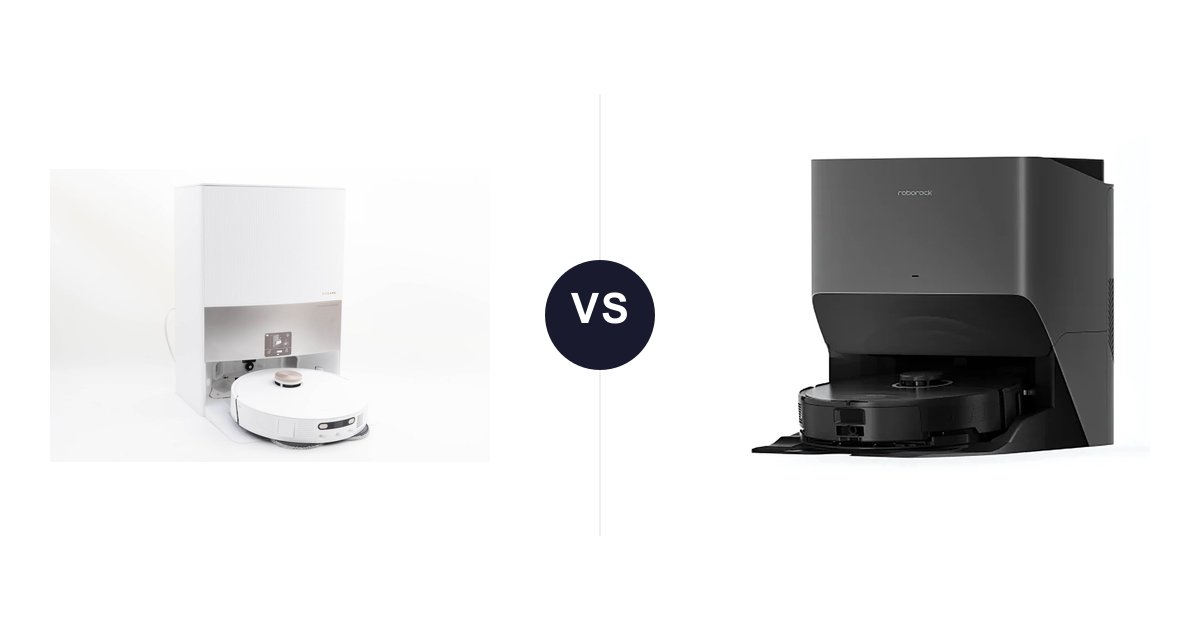
Dreame vs Roborock: Which Robot Vacuum Brand Is Better in 2026?
Dreame and Roborock are two of the fastest-growing robot vacuum brands. We compare their flagship models across navigation, suction, mopping, self-emptying stations, and value to help you pick the right one.
What Happened to Neato? Best Robot Vacuum Alternatives in 2026
Neato Robotics shut down in 2023 after Vorwerk discontinued the brand. Learn what happened, why Neato failed, and which robot vacuums are the best replacements for former Neato owners in 2026.
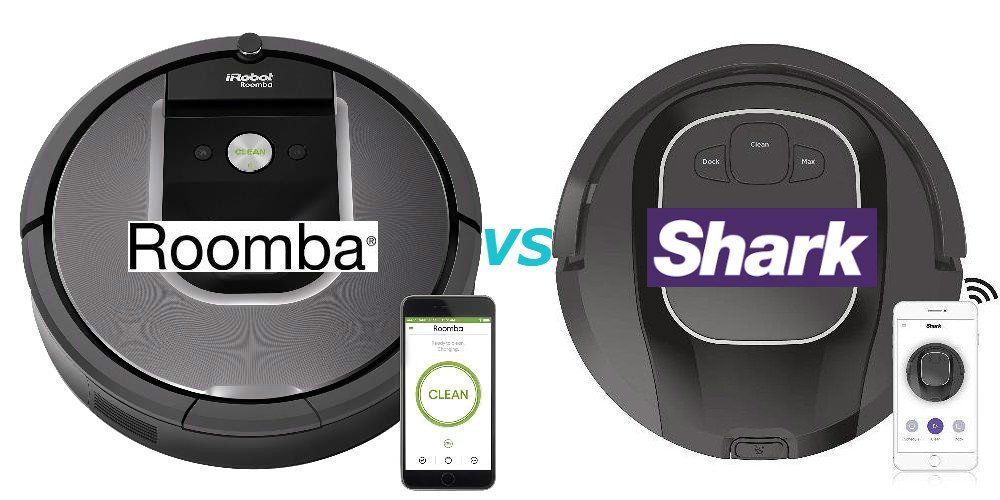
Roomba vs Shark Robot Vacuums 2026: Latest Models Compared
Compare Roomba vs Shark robot vacuums for 2026. Latest models compared with features, navigation, and value to find your perfect robot vacuum.