Affiliate Disclosure:Home Vacuum Zone is reader-supported. When you buy through links on our site, we may earn an affiliate commission at no additional cost to you. This does not influence our reviews or recommendations — we only recommend products we genuinely believe in.
Pushing a heavy vacuum cleaner across thick carpet is physically demanding. For elderly users, people with back problems, or those cleaning large carpeted homes, this effort can be a significant barrier to maintaining clean floors.
Self-propelled vacuums solve this problem by doing the forward movement for you. But are they worth the extra cost, weight, and maintenance? This guide explains how the technology works, who benefits most, and which models are worth buying in 2026.
How Self-Propelled Vacuums Work
The Mechanism
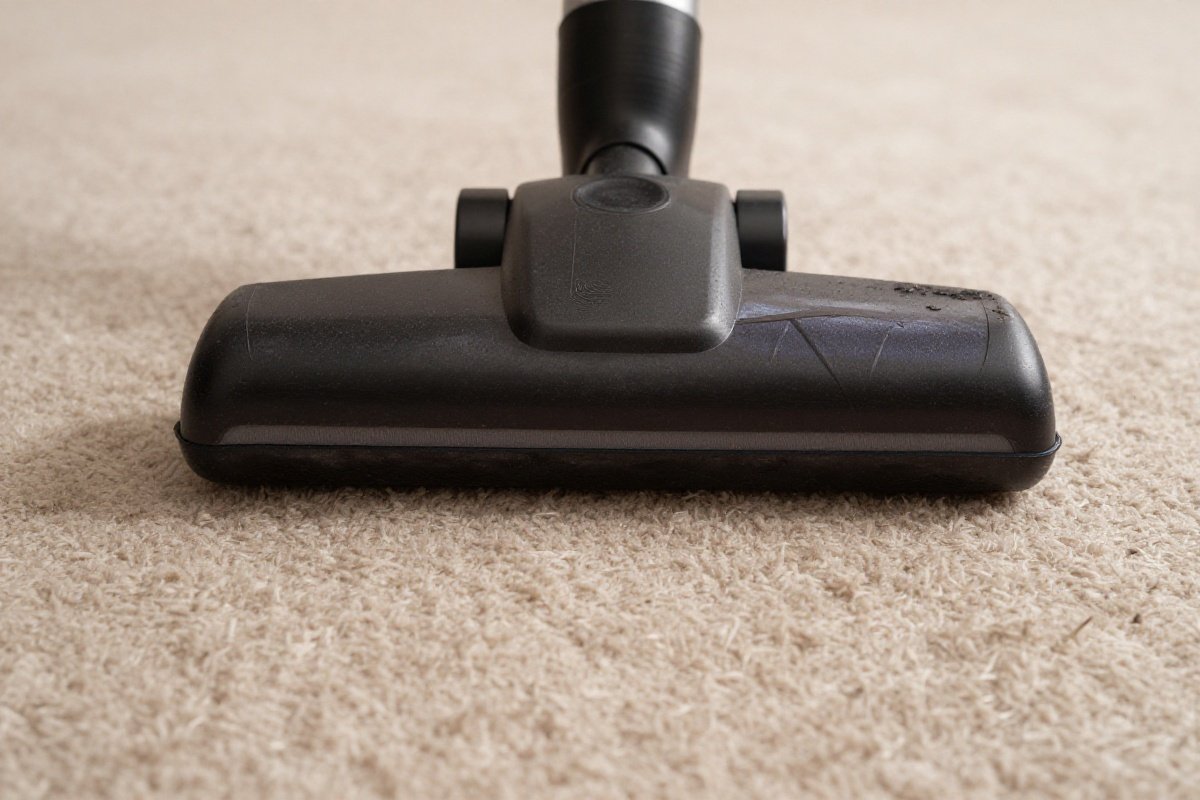
Self-propelled vacuums use a secondary motor - separate from the suction motor - to drive the wheels:
- Drive Motor: Small motor (usually 1-2 amps) located near the wheels
- Belt System: Rubber belt connects motor to wheel axle
- Transmission: Gear system controls speed
- Engagement: Handle lever or button activates the drive
- Speed Control: Usually 2-3 speeds for different carpet types
When engaged, the rear wheels turn, pulling the vacuum forward while you simply steer.
The drive system draws additional power from the electrical circuit, typically around 50-100 watts, which is minimal compared to the main suction motor’s 1000+ watts. Most manufacturers position the drive motor low in the chassis to maintain a low center of gravity and improve stability during operation.
Types of Drive Systems
Not all self-propulsion systems work the same way. Understanding the differences helps you choose the right model:
Rear-Wheel Drive (Most Common):
- Powers the back wheels only
- Best for carpet where rear wheels have better traction
- Easier to turn and maneuver
- Less effective on hard floors where wheels may slip
Front-Wheel Drive (Rare):
- Powers the front wheels
- Better for pulling rather than pushing
- More control on hard floors
- Slightly harder to turn
Variable Speed Systems:
- Allow adjustment from slow (1-1.5 mph) to fast (2-3 mph)
- Slow speed: detailed cleaning, furniture areas
- Fast speed: open floor areas, hallways
- Most common in mid-range and premium models
Single-Speed Systems:
- Fixed propulsion speed
- Simpler mechanism with fewer parts
- Common in budget models
- Less versatile but more reliable
Effort Comparison
| Task | Standard Upright | Self-Propelled |
|---|---|---|
| Push across carpet | 15-20 lbs force | 3-5 lbs force |
| Guiding only | N/A | 2-3 lbs force |
| Turning | Moderate effort | Slightly more effort |
| Backing up | Easy | Must disengage drive |
Bottom Line: Self-propulsion reduces forward pushing effort by 70-80%.
Who Should Buy a Self-Propelled Vacuum?
Ideal Users
1. Elderly Individuals
- Reduced upper body strength
- Balance concerns
- Difficulty with repetitive pushing motions
2. People with Physical Limitations
- Back problems or chronic pain
- Arthritis in hands/arms
- Recovery from surgery
- Limited mobility
3. Large Home Owners
- Homes with 2,000+ sq ft of carpet
- Multi-level homes with carpeted stairs
- Professional cleaners
4. Thick Carpet Homes
- High-pile or plush carpet
- Shag carpet
- Dense frieze carpet
Who Should Skip Self-Propelled?
✗ Small home or apartment dwellers - benefit doesn’t justify cost ✗ Mostly hard floors - wheels roll easily anyway ✗ Physically able users - lightweight vacuums are easier overall ✗ Minimal maintenance preference - more parts to service ✗ Tight spaces - harder to maneuver precisely
Real-World Scenarios
Scenario 1: Retired Homeowner, 3,000 sq ft carpeted ranch
- Challenge: Weekly cleaning becomes exhausting
- Solution: Self-propelled reduces fatigue, maintains independence
- Best fit: Hoover WindTunnel MAX or Shark Navigator Pro
Scenario 2: Young family, 1,200 sq ft apartment with area rugs
- Challenge: Limited carpet, mostly hard floors
- Solution: Lightweight upright or stick vacuum
- Best fit: NOT self-propelled - wasted investment
Scenario 3: Person with chronic back pain, 2-story home
- Challenge: Vacuuming causes pain flare-ups
- Solution: Self-propelled for main floors, consider separate cordless for upstairs
- Best fit: Shark Navigator Pro (lift-away helps with stairs)
Self-Propelled vs. Alternatives
Alternative 1: Lightweight Vacuums
Instead of self-propulsion, consider an ultra-lightweight vacuum:
| Model | Weight | Value | Best For |
|---|---|---|---|
| Oreck Elevate | 10 lbs | Mid-Range | Carpet only |
| Dyson Ball | 17.4 lbs | Premium | All floors |
| Shark Rocket | 8 lbs | Budget | Quick cleanups |
Pros: Lighter to lift and carry, no maintenance, often cheaper Cons: Still requires pushing effort, less powerful
Alternative 2: Robot Vacuums
For maintaining floors without any physical effort:
| Model | Value | Best For |
|---|---|---|
| Roomba 694 | Budget | Maintenance cleaning |
| Shark Matrix | Budget | Large spaces |
| Roborock Q5 | Mid-Range | Smart mapping |
Pros: No physical effort, automated cleaning Cons: Expensive, can’t deep clean, requires maintenance
Alternative 3: Canister Vacuums
The wand is lighter than pushing an upright:
Pros: Only the wand weight in hand, excellent for stairs Cons: Still requires physical effort, learning curve
Hybrid Approach: Best of Both Worlds
Many users find success combining two cleaning tools rather than relying on a single solution:
Combination 1: Robot + Cordless Stick
- Robot handles daily maintenance (3-4 times per week)
- Cordless stick for weekly deep cleaning and spot cleaning
- Total investment: mid-range combined
- Best for: Physically limited users who want clean floors with minimal effort
Combination 2: Self-Propelled + Handheld
- Self-propelled for main floor carpets
- Handheld for stairs, cars, upholstery
- Total investment: budget to mid-range combined
- Best for: Large carpeted homes with multiple cleaning needs
Combination 3: Lightweight Upright + Professional Service
- Lightweight for weekly maintenance
- Professional deep cleaning quarterly
- Annual cost: moderate (vacuum + services)
- Best for: Those who want cleanliness without physical strain
Best Self-Propelled Vacuums by Category
Best Budget: Hoover WindTunnel MAX
Price Tier: Budget
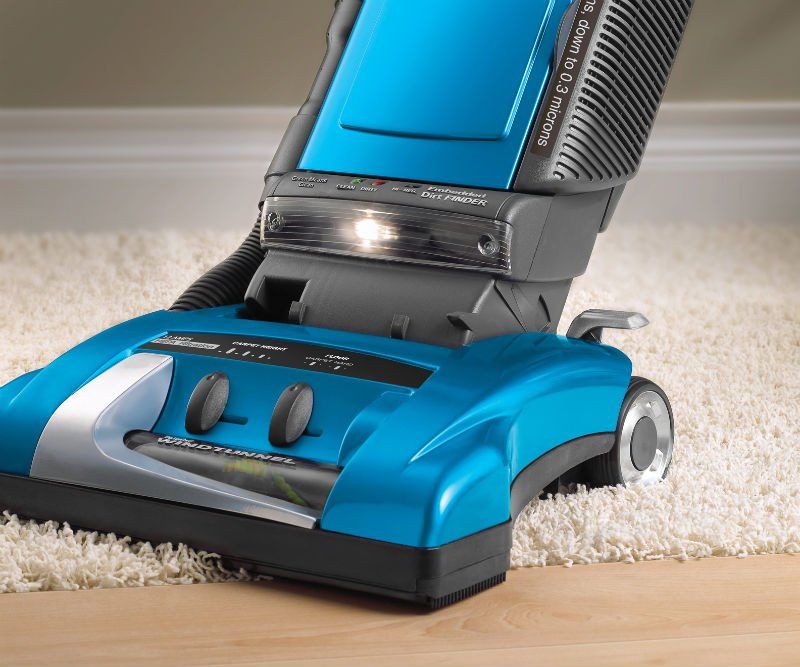
Why It Wins: The Hoover WindTunnel MAX offers the strongest self-propulsion at the lowest price. The drive system is robust and reliable, with adjustable speed control.
Key Features:
- Powerful self-propulsion system
- WindTunnel 3 technology
- HEPA filtration
- 30-foot cord
- 5-position height adjustment
Specifications:
- Weight: 18.5 lbs
- Cord: 30 ft
- Capacity: 1.2 liters
- Warranty: 3 years
Best For: Budget-conscious buyers wanting maximum assistance
Limitations:
- Heavy to lift
- No hard floor setting
- Basic attachments
Best Versatile: Shark Navigator Lift-Away Pro
Price Tier: Budget
Why It Wins: The Navigator Pro combines gentle self-propulsion with Shark’s signature Lift-Away feature, offering versatility no other self-propelled vacuum matches.
Key Features:
- Moderate self-propulsion
- Lift-Away canister
- Anti-Allergen Complete Seal
- Swivel steering
- Pet power brush
Specifications:
- Weight: 15.5 lbs
- Cord: 25 ft
- Capacity: 1.2 quarts
- Warranty: 5 years
Best For: Homes needing above-floor cleaning and portability
Advantage: Can detach canister to clean stairs with powered brush
Best Lightweight Self-Propelled: Oreck Elevate Conquer
Price Tier: Mid-Range
Why It Wins: At just 10 pounds, the Oreck Elevate Conquer is the lightest self-propelled vacuum available, making it ideal for elderly users.
Key Features:
- Ultra-lightweight design
- Self-propelled drive
- Two-speed brushroll
- Endurolife belt
- 35-foot cord
Specifications:
- Weight: 10 lbs
- Cord: 35 ft
- Bag type: Hypoallergenic
- Warranty: 3 years
Best For: Elderly users and those with limited strength
Limitations:
- No attachments
- Bagged only
- Carpet focused
Best Premium Alternative: Dyson Ball Animal 3
Price Tier: Premium
Why It’s Here: While not technically self-propelled, Dyson’s Ball technology achieves similar effort reduction through exceptional maneuverability.
Key Features:
- Ball steering (turns on a dime)
- No pushing effort on hard floors
- Minimal effort on carpet
- Superior suction
- Whole-machine HEPA
Specifications:
- Weight: 17.4 lbs
- Cord: 35 ft
- Capacity: 1.7 liters
- Warranty: 5 years
Best For: Those wanting premium performance with easy maneuvering
Advantage: No drive system to maintain, lighter overall experience
Understanding Performance Factors
Carpet Type and Self-Propulsion Effectiveness
The benefit of self-propulsion varies dramatically based on carpet type:
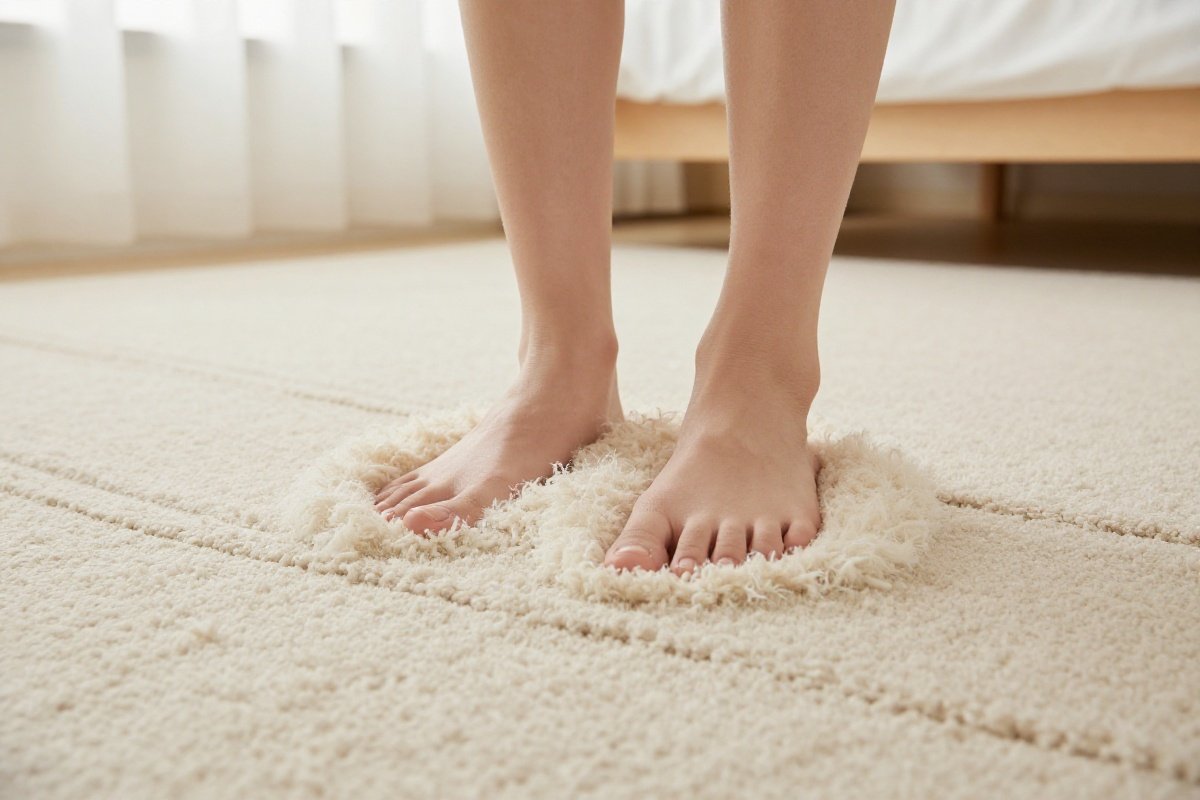
Low-Pile Carpet (Commercial, Berber):
- Rolling resistance: Low
- Benefit from self-propulsion: Moderate (30-40% effort reduction)
- Standard upright alternative: Viable for most users
Medium-Pile Carpet (Most Residential):
- Rolling resistance: Moderate
- Benefit from self-propulsion: High (60-70% effort reduction)
- Standard upright alternative: Difficult for elderly or limited mobility users
- Rolling resistance: Very high
- Benefit from self-propulsion: Maximum (70-80% effort reduction)
- Standard upright alternative: Extremely difficult for most users
Frieze/Shag Carpet:
- Rolling resistance: Extreme
- Benefit from self-propulsion: Essential (80%+ effort reduction)
- Standard upright alternative: Nearly impossible without excellent physical condition
Area Rugs on Hard Floors:
- Rolling resistance: Variable (edges can catch)
- Benefit from self-propulsion: Low to moderate
- Standard upright alternative: Usually manageable
Home Layout Considerations
Your home’s layout significantly impacts whether self-propulsion helps or hinders:
Open Floor Plans:
- Benefit: High - long straight runs maximize propulsion advantage
- Maneuverability needs: Low - few obstacles
- Recommendation: Strongly consider self-propelled
Cluttered/Furniture-Heavy Rooms:
- Benefit: Moderate - frequent stopping and starting
- Maneuverability needs: High - constant navigation
- Recommendation: Consider lightweight alternative
Multi-Room with Doorways:
- Benefit: Moderate - propulsion helps in rooms but transitions add complexity
- Maneuverability needs: Moderate - some navigation required
- Recommendation: Variable speed model if choosing self-propelled
Stairs and Multi-Level:
- Benefit: None on stairs (must carry anyway)
- Consideration: Lift-away or separate cordless for stairs
- Recommendation: Shark Navigator Pro for lift-away feature
Maintenance Costs: The Hidden Factor
Annual Maintenance Comparison
| Item | Standard Upright | Self-Propelled |
|---|---|---|
| Drive belt | N/A | Low |
| Filters | Moderate | Moderate |
| Brushroll | Moderate | Moderate |
| Total/year | Moderate | Slightly higher |
Additional costs: Drive motor repair can be significant if needed
Maintenance Schedule
Monthly:
- Check drive belt for wear
- Clean brushroll
- Empty dustbin/replace bag
Quarterly:
- Replace filters
- Inspect wheels and drive components
Annually:
- Replace drive belt
- Professional service if needed
DIY Maintenance Tips
Drive Belt Replacement (15-20 minutes):
- Unplug vacuum completely
- Flip vacuum over, remove bottom plate (usually 4-6 screws)
- Note belt routing before removing old belt
- Install new belt following same path
- Spin wheels by hand to check proper movement
- Replace bottom plate and test
Warning Signs Your Drive System Needs Service:
- Vacuum stops propelling forward
- Burning rubber smell (belt slipping)
- Squealing noise during operation
- Inconsistent speed or jerky movement
- Excessive vibration
Extending Drive System Life:
- Don’t run propulsion on hard floors continuously
- Disengage when backing up
- Keep wheels clean and free of hair/debris
- Replace belts before complete failure
- Store in dry area (moisture damages belts)
Hard Floors and Self-Propulsion
Can You Use Self-Propelled on Hard Floors?
The Short Answer: Yes, with caveats.
Considerations:
- Control Issues: Self-propulsion can make vacuums harder to control on smooth surfaces
- Scattering: Brushroll may scatter debris on hard floors
- Wheel Slip: Drive wheels may slip, reducing effectiveness
Best Practices:
- Disengage drive on hard floors if possible
- Use hard floor setting (brushroll off) if available
- Reduce speed to minimum if you must use propulsion
- Consider alternatives - self-propulsion offers minimal benefit on hard floors
Models with Hard Floor Modes:
- Shark Navigator Pro: Yes
- Hoover WindTunnel MAX: No
- Oreck Elevate: Limited
Hard Floor Performance by Design
Different self-propelled designs handle hard floors differently:
Models with Brushroll On/Off:
- Allow you to disable rotation while maintaining suction
- Prevents debris scatter
- Still may have propulsion control issues
- Best option for mixed flooring homes
Models with Floor Type Selector:
- Adjust both brushroll and propulsion for surface
- Usually reduces propulsion speed on hard floors
- More intuitive for users who forget to adjust
- Premium feature found in higher-end models
Carpet-Only Models:
- No hard floor accommodation
- Can damage delicate flooring
- Should not be used on hard floors
- Typically budget models designed for apartments with wall-to-wall carpet
Decision Framework: Should YOU Buy Self-Propelled?
Step 1: Assess Your Situation
Check all that apply:
- Home has 1,500+ sq ft of carpet
- I have back pain or physical limitations
- I’m over 65 years old
- Current vacuum is difficult to push
- I clean frequently (2+ times per week)
Score: 3+ checks = Consider self-propelled
Step 2: Consider Alternatives
Would these work better?
- Robot vacuum for maintenance
- Lightweight upright vacuum (10-12 lbs)
- Canister vacuum
- Professional cleaning service
Step 3: Budget Reality Check
Self-propelled vacuums span a wide range:
- Budget tier
- Mid-range tier
- Premium tier
Plus maintenance: slightly higher annual upkeep than standard uprights
Compare to alternatives:
- Robot vacuum: budget to premium range
- Lightweight upright: budget to mid-range
- Canister: budget to premium range
Step 4: Calculate Your 5-Year Cost
Understanding total ownership costs helps make informed decisions:
Self-Propelled Vacuum (budget model example):
- Initial cost: Budget tier
- Annual maintenance: Moderate (drive belt adds cost)
- 5-year total: Mid-range overall
Lightweight Upright (non-propelled example):
- Initial cost: Budget tier
- Annual maintenance: Low
- 5-year total: Lowest of the three options
Robot Vacuum (entry-level example):
- Initial cost: Budget to mid-range
- Annual maintenance: Moderate (brushes, filters, occasional battery)
- 5-year total: Highest of the three options
Cost Analysis: Self-propelled vacuums fall in the middle for total cost of ownership. The modest annual premium compared to standard uprights represents the convenience cost - a small monthly increase for reduced physical effort.
Common Mistakes When Buying Self-Propelled Vacuums
Mistake 1: Not Testing Propulsion Strength
The Problem: Propulsion systems vary dramatically in strength. Some provide gentle assistance, others pull aggressively.
The Solution: If possible, test in-store or buy from retailers with good return policies. What feels “helpful” to one person may feel “too aggressive” to another.
What to Test:
- How easy it is to stop the vacuum
- How it handles when turning
- Whether you can comfortably control it
- How it responds when backing up
Mistake 2: Ignoring Weight Despite Propulsion
The Problem: Assuming propulsion makes weight irrelevant.
The Reality: You still lift the vacuum for:
- Stairs
- Storage
- Around furniture
- Maintenance/cleaning
The Solution: Choose the lightest self-propelled model that meets your needs. A 10-pound self-propelled vacuum (like the Oreck Elevate Conquer) is easier to live with than an 18-pound model, even if both propel themselves equally well.
Mistake 3: Buying Self-Propelled for Mostly Hard Floors
The Problem: Self-propulsion offers minimal benefit on hard floors where wheels roll easily anyway.
The Math: If your home is 70% hard floors and 30% carpet, you’re paying for a feature that helps with only 30% of your cleaning.
The Solution: For predominantly hard-floor homes, consider:
- Lightweight upright without propulsion
- Canister vacuum with powered nozzle
- Robot vacuum for maintenance
- Cordless stick for flexibility
Mistake 4: Overlooking Service and Parts Availability
The Problem: Drive belts and motors eventually need replacement. Some brands make parts difficult to find or expensive.
The Solution: Before buying, check:
- Replacement belt cost and availability
- Local service center locations
- Owner reviews about reliability
- Warranty coverage for drive system
Brands with Good Parts Availability:
- Hoover: Wide distribution, affordable parts
- Shark: Excellent customer service, readily available parts
- Oreck: Dedicated service centers, specialized parts
When Self-Propulsion Isn’t Enough
Signs You Need a Different Solution
Even with self-propulsion, some users find vacuuming remains too difficult:
Warning Signs:
- Pain persists despite self-propulsion
- Fatigue after cleaning small areas
- Balance problems while guiding vacuum
- Inability to lift vacuum for stairs
- Anxiety about vacuum use
Alternative Solutions:
For Severe Mobility Issues:
- Primary tool: Robot vacuum for daily maintenance
- Backup tool: Cordless handheld for spot cleaning
- Professional deep cleaning: Monthly or quarterly service
For Balance Concerns:
- Canister vacuum with lightweight wand
- Cordless stick vacuum with floor stand for stability
- Consider professional services
For Multi-Story Homes:
- Self-propelled for main floor
- Separate lightweight cordless for upper floors
- Robot vacuum for basement/lower level
For Temporary Recovery (Surgery, Injury):
- Rent professional equipment temporarily
- Use cleaning service during recovery
- Ask family/friends for assistance
- Return to preferred vacuum after healing
Further Reading
- Central Vacuum Systems in 2026: Still Worth Installing?
- Should You Buy a Refurbished Vacuum? [2026 Buyer’s Guide]
- Beater Bar vs No Beater Bar: Does Your Vacuum Need One? (2026 Guide)
Future Technology Trends in Self-Propulsion
2026 and Beyond
Smart Speed Adjustment: Newer models are beginning to incorporate sensors that automatically adjust propulsion speed based on:
- Carpet thickness detected
- User’s pushing/pulling force
- Floor type transitions
Improved Energy Efficiency: Modern drive motors use up to 30% less power than models from five years ago, with no reduction in propulsion strength.
Better Hard Floor Performance: Manufacturers are developing drive systems that automatically reduce or eliminate propulsion on hard floors, then re-engage on carpet - all without user input.
Lighter Drive Systems: Advanced materials and engineering are reducing drive system weight by 2-3 pounds compared to older designs, making self-propelled vacuums more manageable overall.
Extended Belt Life: New belt materials and improved tensioning systems are extending belt life from 12-18 months to 24-36 months, reducing maintenance frequency and costs.
Recommended Products
Hoover WindTunnel MAX Self-Propelled
Best budgetThe Hoover WindTunnel MAX Self-Propelled combines a motorized drive system that reduces pushing effort with WindTunnel suction technology and HEPA filtration for allergen control. It is best for users with large carpeted areas or physical limitations who want a vacuum that propels itself across the floor while delivering strong cleaning performance.
What We Like
- Strong self-propulsion system reduces pushing effort
- WindTunnel technology for effective suction
- HEPA filtration for allergen control
What We Don't
- Heavy at 20 lbs which limits portability
- Lacks dedicated hard floor setting for optimal bare floor cleaning
- Small 1L dustbin fills quickly given the powerful suction
Shark Navigator Lift-Away Pro
Best versatileThe Shark Navigator Lift-Away Pro offers strong suction and a detachable canister for versatile above-floor cleaning at a mid-range price. A reliable everyday upright with HEPA filtration and a 5-year warranty for pet owners who want Lift-Away convenience without premium pricing.
What We Like
- Lift-away feature for cleaning stairs and above-floor areas
- Lighter weight at 14 lbs compared to other Navigator models
- Effective for pet hair removal
- HEPA filtration with Anti-Allergen Complete Seal
What We Don't
- Basic accessory kit compared to premium models
- Corded design limits reach
- No self-propulsion feature
Oreck Magnesium RS Swivel-Steering
Best lightweightThe Oreck Magnesium RS weighs just 7.7 lbs thanks to its magnesium alloy construction, with swivel steering and LED headlights that make thorough cleaning effortless. Best for seniors and anyone with mobility limitations who need powerful upright cleaning without the physical strain of heavier machines.
What We Like
- Ultra-lightweight at just 7.7 lbs
- Swivel steering for excellent maneuverability
- Endurolife belt never needs replacing
- Low profile design reaches under furniture easily
- LED headlights illuminate dark areas
What We Don't
- No attachments or tools included
- Not ideal for thick or high-pile carpets
- Bagged system requires ongoing costs
Dyson Ball Animal 3
Best premiumBest premium alternative with effortless steering.
What We Like
- Powerful motorized brush bar for deep carpet cleaning
- Tangle-free turbine tool prevents hair wrap
- Strong 290 AW suction power
- Whole-machine HEPA filtration captures allergens
- Ball technology for easy steering around furniture
What We Don't
- Premium price point for a corded upright
- Heavy at 17.4 lbs for prolonged use
- Small dustbin capacity requires frequent emptying
Sources & Research
Continue Reading
Explore more buying guides content or browse our other categories.
Frequently Asked Questions
- Are self-propelled vacuums worth it?
- Self-propelled vacuums are worth it for specific users: elderly individuals, people with back problems or mobility limitations, those with large carpeted homes (2,000+ sq ft), and anyone who finds pushing a vacuum physically demanding. The self-propulsion system uses a small motor to drive the wheels forward, reducing pushing effort by 70-80%. However, they're not worth it if you: have mostly hard floors (self-propulsion is less beneficial), live in a small home or apartment, are physically able and prefer lighter vacuums, or want minimal maintenance (self-propelled models have more parts to maintain). For the right user, self-propulsion transforms vacuuming from a chore into a manageable task. For others, a lightweight vacuum or robot vacuum may be better solutions.
- How do self-propelled vacuums work?
- Self-propelled vacuums use a secondary motor (separate from the suction motor) connected to the wheels through a belt and pulley system. When you engage the drive (usually via a lever or button on the handle), this motor turns the rear wheels, pulling the vacuum forward. You simply guide the direction while the vacuum does the forward movement. The drive system typically has adjustable speeds - slower for delicate carpets, faster for open areas. The mechanism adds 5-10 pounds to the vacuum's weight but eliminates the pushing effort. Most systems use rubber belts that require replacement every 1-2 years. The technology is most beneficial on carpet where rolling resistance is highest; on hard floors, the benefit is reduced since wheels roll more easily.
- Can you use self-propelled vacuums on hard floors?
- Most modern self-propelled vacuums can be used on hard floors, but with caveats. Many models have a hard floor setting that disengages the brushroll and sometimes reduces or disengages the self-propulsion. Using full self-propulsion on hard floors can make the vacuum difficult to control since wheels slip more on smooth surfaces. Best practices: check if your model has a hard floor mode, use minimal or no self-propulsion on hard floors, or turn off the brushroll to prevent scatter. Some older or budget self-propelled models are designed exclusively for carpet and should not be used on hard floors - always check the manual. For homes with significant hard flooring, consider whether self-propulsion is necessary, as the benefit is greatest on carpet.
- What are the downsides of self-propelled vacuums?
- Self-propelled vacuums have several downsides to consider: (1) Weight - they're typically 15-20 pounds versus 10-15 for non-propelled uprights; (2) Maintenance - the drive system requires periodic belt replacements and occasional servicing; (3) Cost - noticeably more than comparable non-propelled models; (4) Complexity - more parts that can fail; (5) Control - can be difficult to maneuver precisely, especially around furniture; (6) Noise - drive motor adds to overall noise level; (7) Limited models - fewer options available compared to standard uprights. Additionally, self-propulsion is primarily beneficial on carpet - on hard floors, a lightweight vacuum is often easier to use. Consider these trade-offs against the effort savings when deciding.
- What is the best self-propelled vacuum for elderly users?
- The best self-propelled vacuums for elderly users balance assistance with usability: (1) Oreck Elevate Conquer - lightest at 10 lbs with gentle propulsion; (2) Shark Navigator Pro - moderate weight with lift-away for versatility; (3) Hoover WindTunnel MAX - strongest propulsion for minimal effort. Key factors for elderly users: weight (lighter is better even with propulsion), adjustable speed control (slower settings for control), easy-to-use controls (large buttons, clear labeling), reliability (fewer service needs), and good customer support. Avoid the heaviest models (20+ lbs) even with self-propulsion, as lifting for stairs or storage becomes problematic. For users with significant mobility limitations, a robot vacuum may be a better solution than any upright.
Written By
Home Vacuum Zone
Our team researches, tests, and reviews vacuum cleaners to help you make confident buying decisions.
Related Articles
Vacuum Noise Level Comparison: Decibel Ratings for 60+ Models (2026 Database)
Comprehensive vacuum noise level database with decibel ratings for 60+ models across every vacuum type. Find the quietest vacuums and understand what dB ratings actually mean.
Vacuum Suction Power Chart: AW, Pa & kPa Ratings Compared (2026 Database)
Comprehensive vacuum suction power database with air watts, pascals, and kPa ratings compared across every vacuum type. Find how much suction you actually need.
Bagged vs Bagless Vacuums: Which Type Is Actually Better?
Bagged and bagless vacuums each have distinct advantages for different households. We compare cost, filtration, allergen control, maintenance, and convenience to help you choose the right type.