Affiliate Disclosure:Home Vacuum Zone is reader-supported. When you buy through links on our site, we may earn an affiliate commission at no additional cost to you. This does not influence our reviews or recommendations — we only recommend products we genuinely believe in.
Steam cleaners offer a chemical-free way to sanitise and deep clean your home using only water. High-temperature steam kills bacteria, dissolves grime, and leaves floors dry within minutes. But not all steam cleaners are created equal. This guide explains the key features, types, and considerations to help you pick the right machine for your needs.
We’ll cover the differences between steam mops and canister steam cleaners, what specs actually matter, which surfaces are safe to steam, and our top recommendations. For specific model recommendations, see our guide to the best steam cleaners of 2026.
Understanding the Basics
How Steam Cleaners Work
Steam cleaners heat water to temperatures between 200F and 275F, producing pressurised steam that loosens dirt and kills microorganisms on contact. That steam penetrates surfaces deeper than chemical cleaners, extracting embedded dirt from pores and grout lines.
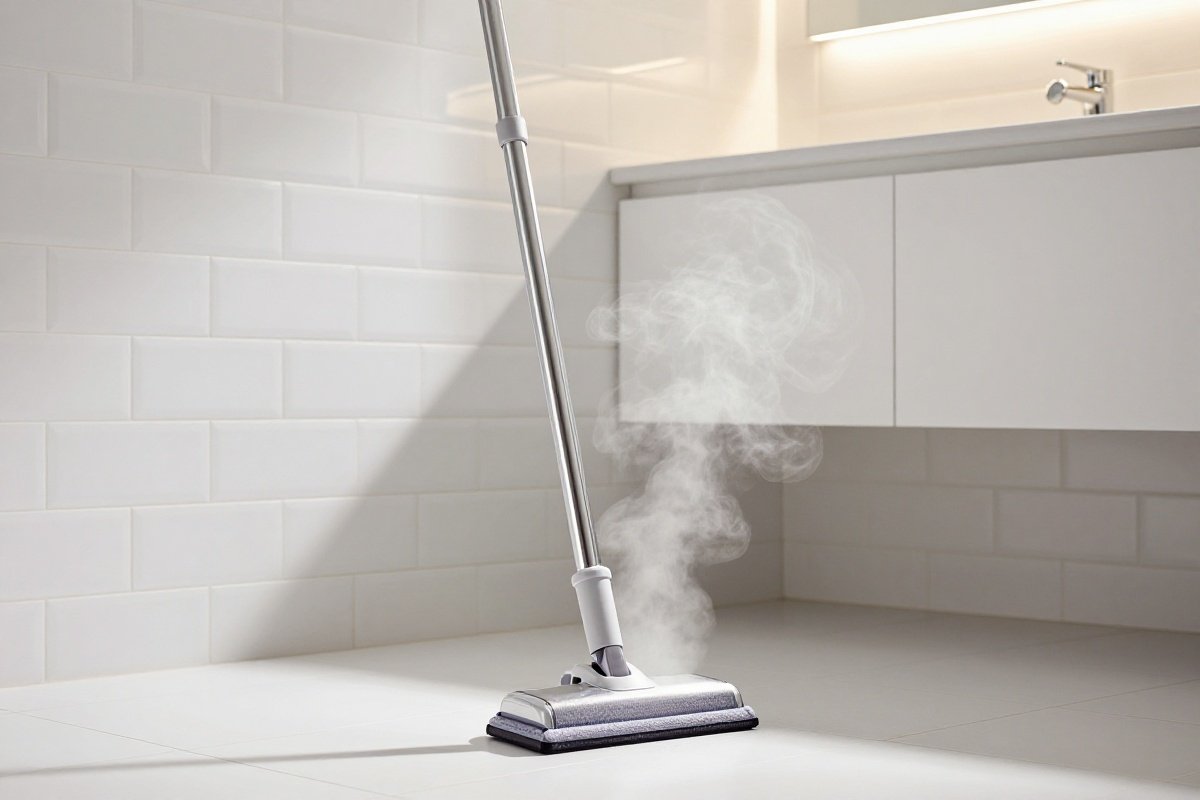
Unlike carpet cleaners that use water and detergent, steam cleaners use only water. That makes them ideal for households with children, pets, or chemical sensitivities. Sanitising power comes from heat alone. No additional cleaning products required.
Steam Mops vs Canister Steam Cleaners
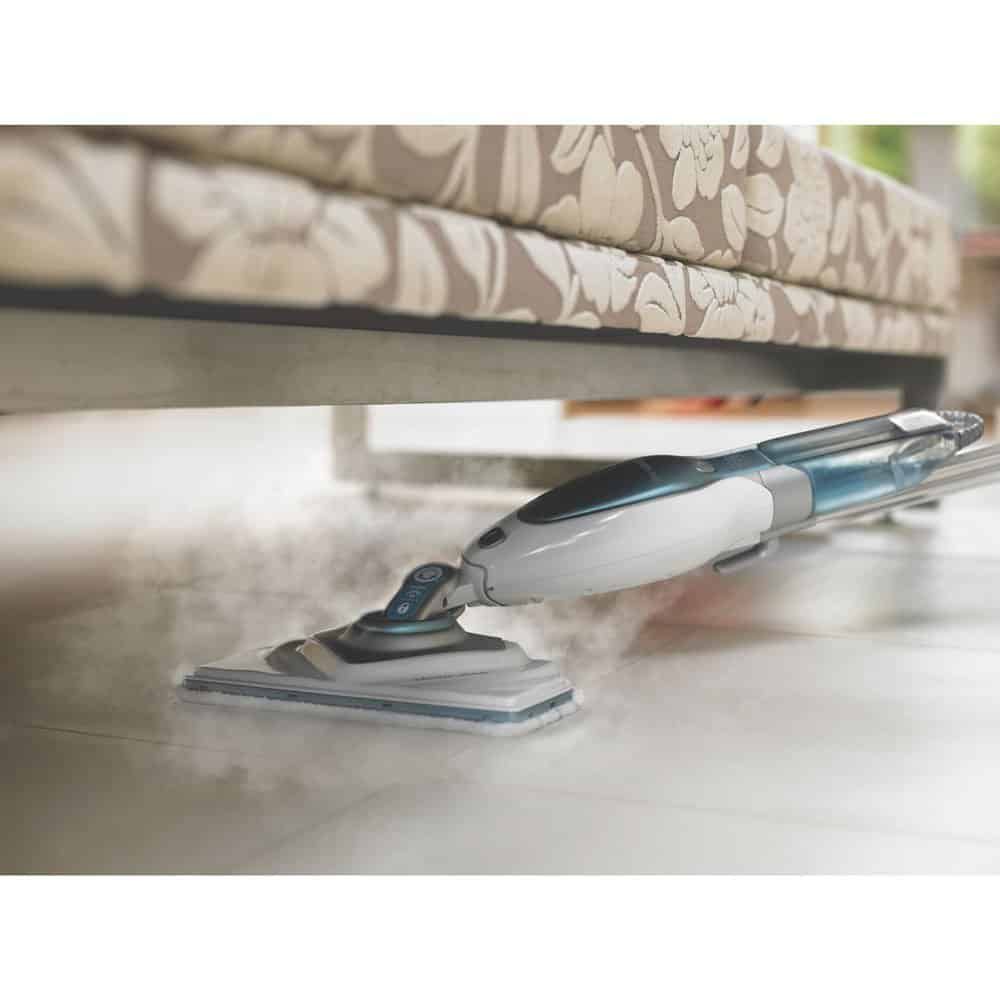
Steam mops are designed primarily for hard floor cleaning. They resemble traditional mops with a water tank and heating element built into the body. Lightweight, easy to use, and compact to store. But they don’t do much beyond floor cleaning.
Canister steam cleaners feature a separate tank unit with a hose and various attachments. These versatile machines clean floors, grout, upholstery, countertops, appliances, and more. They cost more and require more storage space but offer much broader functionality.
For a detailed comparison, see our article on steam mops vs steam cleaners.
Key Features to Consider
Steam Temperature
Steam temperature directly affects cleaning and sanitising power. Higher temperatures kill bacteria and dust mites more effectively and dissolve tough grime faster. Entry-level steam mops produce steam around 200F. Premium canister models like the Dupray Neat reach 275F for professional-level sanitisation.
For basic floor cleaning, temperatures around 200F are adequate. For sanitizing, grout cleaning, or bed bug treatment, prioritize machines with higher maximum temperatures.
Tank Capacity and Runtime
Tank capacity determines how long you can clean before refilling. Steam mops typically have smaller tanks (around 16 oz for models like the Bissell PowerFresh 1940), providing 15 to 20 minutes of steam. Canisters hold much more, 50 to 48 oz or more, offering 45 to 90 minutes of continuous steam.
Consider your cleaning habits. For quick daily floor maintenance, a steam mop with smaller capacity works fine. For whole-house deep cleaning or multiple surfaces, a canister with larger tank capacity saves time and interruptions.
Heat-Up Time
Heat-up time varies significantly between models. Bissell’s PowerFresh is ready in just 30 seconds, making it convenient for quick cleanups. Canister models like the Dupray Neat and McCulloch MC1375 require 8 minutes to reach full temperature.
If you plan to steam clean daily or multiple times per week, quick heat-up saves time over the long run. For occasional deep cleaning sessions, longer heat-up times are less significant.
Steam Pressure
Steam pressure, measured in PSI, affects how forcefully steam hits the surface. Higher pressure penetrates deeper into porous surfaces and grout lines. Canister steam cleaners typically offer 50 to 60 PSI, while steam mops have lower, unmeasured pressure.
For floor cleaning, pressure isn’t as critical as it is for grout or upholstery. The Dupray Neat delivers 50 PSI and the McCulloch MC1375 reaches 43 PSI, both, which is effective for most applications.
Attachments and Versatility
Steam mops typically include a few mop pads and possibly a carpet glider attachment. Canister steam cleaners come with extensive accessory kits. The McCulloch MC1375 includes 20 accessories for floors, grout, upholstery, windows, and more.
Consider what surfaces you want to clean beyond floors. If you need to clean bathroom tile, kitchen appliances, car interiors, or windows, a canister with attachments provides much more value than a steam mop.
Types of Steam Cleaners
Steam Mops
Steam mops excel at routine hard floor maintenance. They’re lightweight, affordable, and easy to use. Fill the tank, wait for heat-up, and push across your floors.
Best for: Quick daily floor cleaning, sealed hard floors, small apartments
Limitations: Floor cleaning only, small tank capacity, lower steam temperature
Bissell’s PowerFresh Steam Mop 1940 represents the best of this category. At 6.2 lbs with 30-second heat-up, it’s perfect for maintaining sealed hard floors. Three steam settings let you adjust intensity for different floor types. Check Price on Amazon.
Canister Steam Cleaners
Canister steam cleaners are the most versatile option. A separate tank unit houses a larger water reservoir and more powerful heating element. Attachments connect via a hose for cleaning floors, grout, upholstery, and more.
Best for: Whole-house cleaning, grout, upholstery, multiple surface types
Limitations: Larger size, more storage space needed, longer heat-up time
Dupray’s Neat Steam Cleaner offers professional-grade performance in a compact canister. With a 275F maximum temperature and 50-minute runtime, it’s suitable for serious sanitising tasks. All 18 included accessories cover virtually any cleaning scenario. Check Price on Amazon.
McCulloch’s MC1375 provides exceptional value with 90 minutes of runtime and 20 included accessories. Its 48 oz tank minimises refills during extended cleaning sessions. Check Price on Amazon.
Hybrid Steam Vacuum Cleaners
Some machines combine steam cleaning with vacuum extraction. These hybrids vacuum debris while steam cleaning in one pass. Convenient, yes, but they typically cost more than dedicated steam cleaners.
Best for: Homes with hard floors and pets, one-pass cleaning
Limitations: Higher cost, more complex maintenance, heavier than steam mops
For more on this category, see our guide to home steam cleaners.
Floor Compatibility
Safe for Steam Cleaning
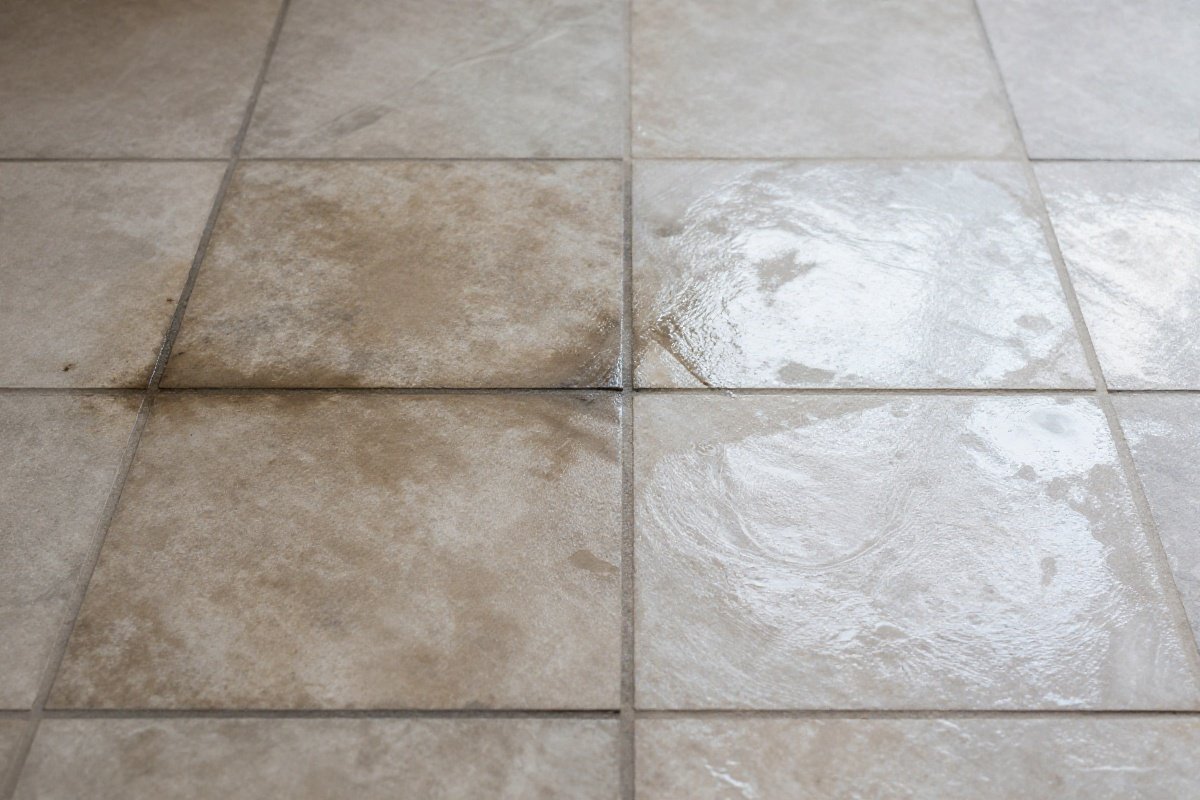
- Sealed tile and stone: Ceramic, porcelain, slate, granite, and marble with sealed surfaces handle steam well. Steam cleans grout lines effectively without chemicals.
- Sealed hardwood: Properly sealed hardwood floors can tolerate steam on low settings. Use minimal steam and dry quickly.
- Linoleum and vinyl: These resilient floors are generally steam-safe on low to medium settings.
- Laminate: Check manufacturer recommendations. Some laminate floors tolerate steam, others do not.
Not Safe for Steam Cleaning
- Unsealed hardwood: Steam can penetrate unsealed wood, causing warping, swelling, and finish damage.
- Waxed floors: Heat and moisture strip wax finishes.
- Cold glass: Sudden temperature changes can crack glass windows or shower doors.
- Delicate fabrics: Silk, velvet, and antique fabrics may be damaged by heat and moisture.
- Electronics and electronics: Never steam clean electrical outlets, appliances, or electronics.
Always check your flooring manufacturer’s recommendations before steam cleaning. When in doubt, test a small inconspicuous area first.
Choosing the Right Steam Cleaner
For Hard Floor Maintenance
If your primary goal is maintaining sealed hard floors, a steam mop offers the best value and convenience. Look for quick heat-up, adjustable steam settings, and quality microfiber pads. Bissell’s PowerFresh 1940 heats up in 30 seconds and offers three steam settings for different floor types.
For Whole-House Cleaning
If you want to clean floors, grout, bathrooms, kitchens, and upholstery, a canister steam cleaner is the right choice. Look for high steam temperature, long runtime, and comprehensive accessory kits. McCulloch’s MC1375 offers 90-minute runtime and 20 accessories at a competitive price point.
For Sanitizing and Bed Bug Treatment
For sanitizing surfaces or treating bed bugs, maximum temperature matters. Dupray’s Neat reaches 275F, hot enough to kill bed bugs and their eggs on contact. See our guide on steam cleaners for bed bug treatment for more information.
For Tile and Grout
Grout cleaning requires high temperature and pressure to penetrate porous surfaces. Canister steam cleaners with detail brushes work best. McCulloch’s MC1375 with its accessory kit handles grout effectively. See our guide to steam cleaners for tile floors for specific recommendations.
Recommended Products
Bissell PowerFresh Steam Mop 1940 - Best Steam Mop
The Bissell PowerFresh Steam Mop 1940 is our top pick for hard floor maintenance. The 30-second heat-up time makes it convenient for quick cleanups. Three steam settings (Low, Medium, High) let you adjust intensity for different floor types. The built-in Easy Scrubber flips down for tough spots, and the included Spring Breeze fragrance discs add a pleasant scent.
At 6.2 lbs with a 23-foot cord, it’s lightweight and easy to manoeuvre. A 16 oz tank provides adequate runtime for typical floor cleaning sessions. Only real limitation? Floor-only use, no attachments for other surfaces. Check Price on Amazon.
Dupray Neat Steam Cleaner - Best Canister
Dupray’s Neat Steam Cleaner delivers professional-grade steam cleaning in a portable package. At 275F maximum temperature, it provides exceptional sanitising power, killing bacteria and dust mites on contact. Its 54 oz tank offers 50 minutes of continuous steam, enough for whole-house cleaning.
Eighteen included accessories cover floors, grout, upholstery, car detailing, and more. At 8.8 lbs, the canister is reasonably portable, though the 16-foot cord limits range somewhat. A 2-year warranty reflects Dupray’s confidence in build quality. Check Price on Amazon.
McCulloch MC1375 Canister Steam Cleaner - Best Value
McCulloch’s MC1375 offers the best runtime in its class with 90 minutes of continuous steam from its 48 oz tank. Twenty included accessories provide exceptional versatility for the price. Steam temperature reaches 200F, adequate for most cleaning tasks.
At 11 lbs with a 15.7-foot cord, it’s somewhat bulkier than premium alternatives but still manageable. That 8-minute heat-up time does require planning ahead. For homeowners who want canister versatility without premium pricing, it’s an excellent choice. Check Price on Amazon.
Tips and Best Practices
- Vacuum first. Always vacuum or sweep before steam cleaning. Steam turns dust and debris into mud that is harder to remove.
- Use distilled water. If you have hard water, use distilled water to prevent mineral buildup in the machine. This extends machine life and maintains steam output.
- Work in sections. Clean one section of floor at a time, working your way out of the room. This prevents walking on damp floors.
- Replace pads regularly. Dirty mop pads spread soil rather than cleaning. Have multiple pads available and change them when they become soiled.
- Let the machine heat fully. Wait for the ready indicator before starting to clean. Starting too early produces weak steam and reduces cleaning effectiveness.
- Wipe up excess moisture. For surfaces that should not stay wet, wipe with a clean cloth after steam cleaning.
Common Mistakes to Avoid
Using on Unsealed Floors
Steam can damage unsealed hardwood, waxed floors, and some laminate finishes. Always verify your floor’s seal status and check manufacturer recommendations before you start.
Adding Cleaning Solutions
Most steam cleaners are designed for water only. Adding cleaning solutions can damage internal components, void warranties, and leave residue. A few manufacturers offer specific cleaning formulas designed for their machines, but those are the exception.
Not Emptying the Tank
Leaving water in the tank between uses promotes mineral buildup and bacterial growth. Empty and dry the tank after each use, and run a quick steam burst to clear water from internal components.
Pushing Too Hard
Let the steam do the work. Pushing down hard on the mop or attachment doesn’t improve cleaning and may damage delicate surfaces. Move slowly to allow steam to penetrate.
Ignoring Mineral Buildup
If steam output decreases, mineral deposits may be clogging the system. Follow manufacturer instructions for descaling, typically using white vinegar or a descaling solution.
Frequently Asked Questions
What surfaces can you steam clean?
Steam cleaners work well on sealed hard floors (tile, stone, linoleum, sealed hardwood), grout lines, countertops, and many upholstered surfaces. Avoid using steam on unsealed wood, delicate fabrics, cold glass, and any surface that can be damaged by heat or moisture. When in doubt, test a small hidden area first.
Do steam cleaners kill germs?
Yes. Steam cleaners heat water to 200 to 275 degrees F, producing steam that kills up to 99.9% of common household bacteria, dust mites, and mold spores on contact without any chemical cleaners. Higher temperatures provide more effective sanitization. Dupray’s Neat reaches 275F for professional-level disinfecting.
How much water do steam cleaners use?
Most steam mops have a 300 to 500 ml tank that provides 15 to 20 minutes of steam. Canister steam cleaners typically hold 1 to 2 liters and can run for 45 to 90 minutes before needing a refill. McCulloch’s MC1375 with its 48 oz tank provides up to 90 minutes of continuous steam.
Can I use tap water in my steam cleaner?
Yes, but distilled or demineralized water is better. Tap water contains minerals that can build up inside the machine over time, reducing steam output and potentially causing damage. If you have hard water, distilled water significantly extends machine life.
How often should I replace steam mop pads?
Replace steam mop pads when they become visibly worn or no longer clean effectively. Most pads last 3 to 6 months with regular use and proper washing. Have 2 to 3 pads available so you can rotate them during cleaning sessions.
Recommended Products
Dupray Neat Steam Cleaner
Best canister pickThe Dupray Neat reaches 275 degrees F with 50 PSI steam pressure, hot enough to kill bed bugs, dust mites, and 99.9% of bacteria without any chemicals. Best for homeowners dealing with pest infestations or chemical sensitivities who need a professional-grade steam cleaner with 50 minutes of runtime and 18 accessories.
What We Like
- 275°F max temperature provides effective sanitization
- 50 minute runtime from large 54 oz tank
- No chemicals needed - uses only water
- Includes 18 versatile accessories for various surfaces
- Compact and portable design
What We Don't
- Premium price point
- 8 minute heat-up time before use
- Shorter cord compared to some competitors
Bissell PowerFresh Steam Mop 1940
Best steam mop pickThe PowerFresh 1940 heats up in just 30 seconds and offers three steam levels with a built-in Easy Scrubber for stubborn spots on tile and sealed hardwood. Best for budget-minded homeowners who want chemical-free floor sanitization with the convenience of ready-to-go steam in under a minute.
What We Like
- Ready in 30 seconds
- Built-in Easy Scrubber for tough spots
- Spring Breeze fragrance discs included
- Three steam settings for different floor types
What We Don't
- Small 16 oz water tank requires frequent refills
- Steam mop only - no vacuum function
- Spring Breeze fragrance discs are a recurring consumable cost
McCulloch MC1375 Canister Steam Cleaner
Best for heavy-duty jobsThe McCulloch MC1375 offers class-leading 90-minute runtime from its 48 oz tank with 58 PSI steam pressure and 20 included accessories for whole-home chemical-free cleaning. Best for homeowners who need extended steam sessions for large kitchens, bathrooms, and tile floors without frequent refills.
What We Like
- 90-minute continuous steam runtime
- 20 versatile accessories included
- Chemical-free cleaning with high-temperature steam
- Good value for feature set
What We Don't
- Lower steam temperature than premium models
- Larger canister design less portable than handheld units
- 10-12 minute heat-up time required
Sources & Research
Continue Reading
Explore more steam cleaners content or browse our other categories.
Frequently Asked Questions
- What surfaces can you steam clean?
- Steam cleaners work well on sealed hard floors (tile, stone, linoleum, sealed hardwood), grout lines, countertops, and many upholstered surfaces. Avoid using steam on unsealed wood, delicate fabrics, cold glass, and any surface that can be damaged by heat or moisture.
- Do steam cleaners kill germs?
- Yes. Steam cleaners heat water to 200-212 degrees F, producing steam that kills up to 99.9% of common household bacteria, dust mites, and mold spores on contact without any chemical cleaners.
- How much water do steam cleaners use?
- Most steam mops have a 300-500 ml tank that provides 15-20 minutes of steam. Canister steam cleaners typically hold 1-2 liters and can run for 45-60 minutes before needing a refill.
Written By
Home Vacuum Zone
Our team researches, tests, and reviews vacuum cleaners to help you make confident buying decisions.
Related Articles
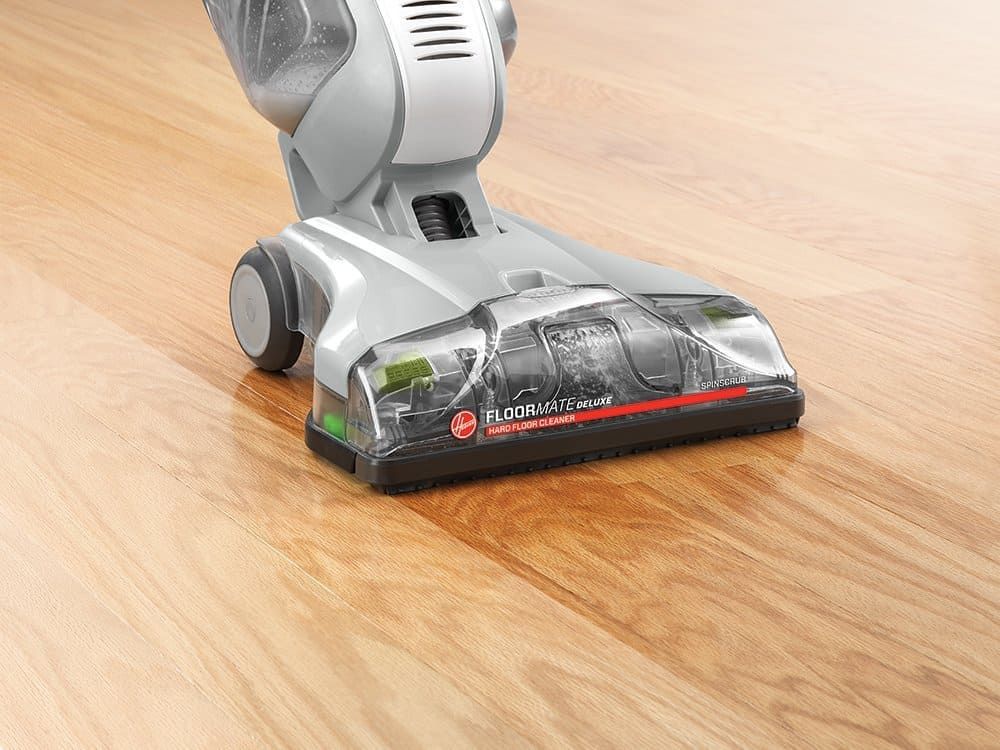
Best Steam Cleaners 2026: Top Picks for Every Floor
We tested the top steam cleaners of 2026 across hard floors, tile, and grout. Expert-ranked picks from Bissell, Dupray, Tineco, and McCulloch.
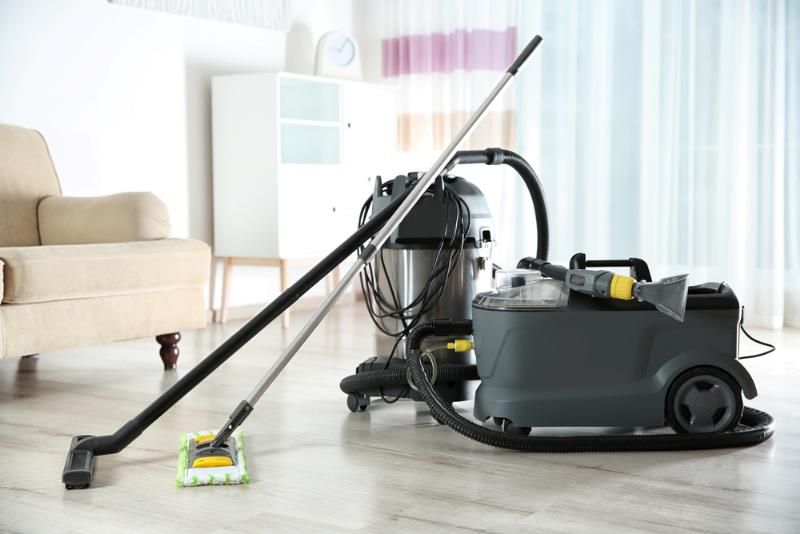
Steam Mop vs Steam Cleaner: What's the Difference?
Steam mop vs steam cleaner: what's the difference and which do you need? We compare features, cleaning power, price, and best use cases for each type.
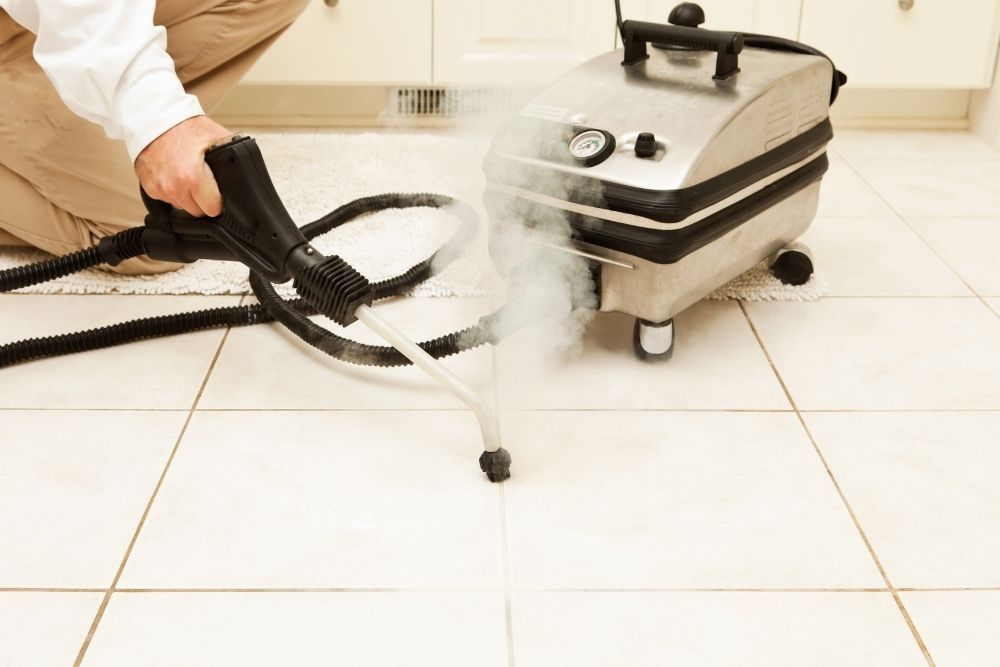
Best Steam Cleaners for Tile Floors and Grout (2026 Guide)
Find the best steam cleaners for tile floors and grout in 2026. Top picks from Bissell, Tineco, and Dupray for deep cleaning ceramic, porcelain, and natural stone tile.