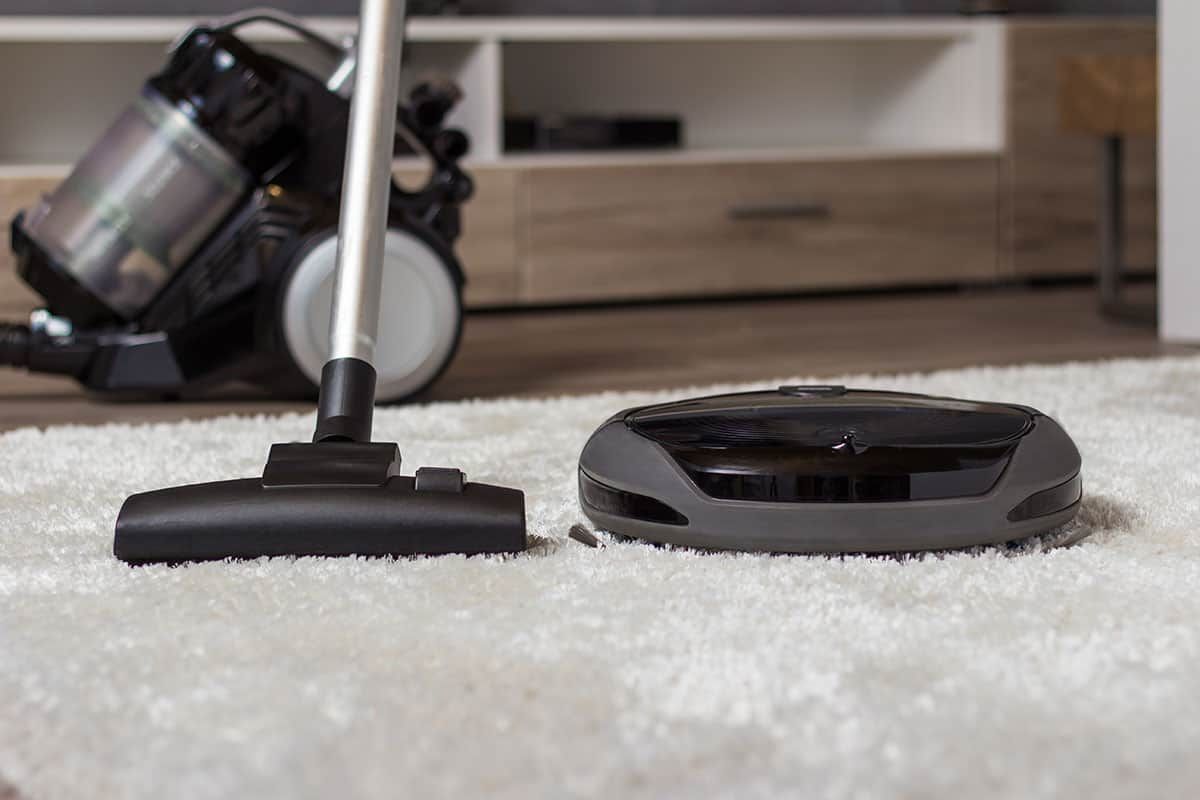
Affiliate Disclosure:Home Vacuum Zone is reader-supported. When you buy through links on our site, we may earn an affiliate commission at no additional cost to you. This does not influence our reviews or recommendations — we only recommend products we genuinely believe in.
Choosing the right vacuum cleaner can feel overwhelming with hundreds of models across dozens of brands. This comprehensive guide breaks down everything you need to know to make an informed decision.
Whether you have wall-to-wall carpet, hardwood floors, pets, allergies, or specific physical needs, we’ll help you find the perfect vacuum.
Quick Comparison: Vacuum Types at a Glance
| Type | Best For | Price Range | Weight | Pros | Cons |
|---|---|---|---|---|---|
| Upright | Large carpeted homes | Budget to premium | 10-17 lbs | Powerful suction, large capacity | Heavy, less versatile |
| Canister | Mixed floors, stairs | Mid-range to luxury | 8-20 lbs | Versatile, powerful, quiet | Canister to pull |
| Stick/Cordless | Quick cleanups, small spaces | Budget to premium | 3-8 lbs | Lightweight, convenient | Limited runtime |
| Robot | Maintenance cleaning | Budget to flagship | 6-10 lbs | Automatic, scheduled | Not deep cleaning |
| Handheld | Cars, furniture, spot cleaning | Very affordable | 2-5 lbs | Portable, targeted | Limited capacity |
| Wet/Dry | Workshops, liquids | Budget to mid-range | 10-20 lbs | Handles wet messes | Bulky, specialized |
Understanding Your Needs
Before comparing features, identify your specific requirements:
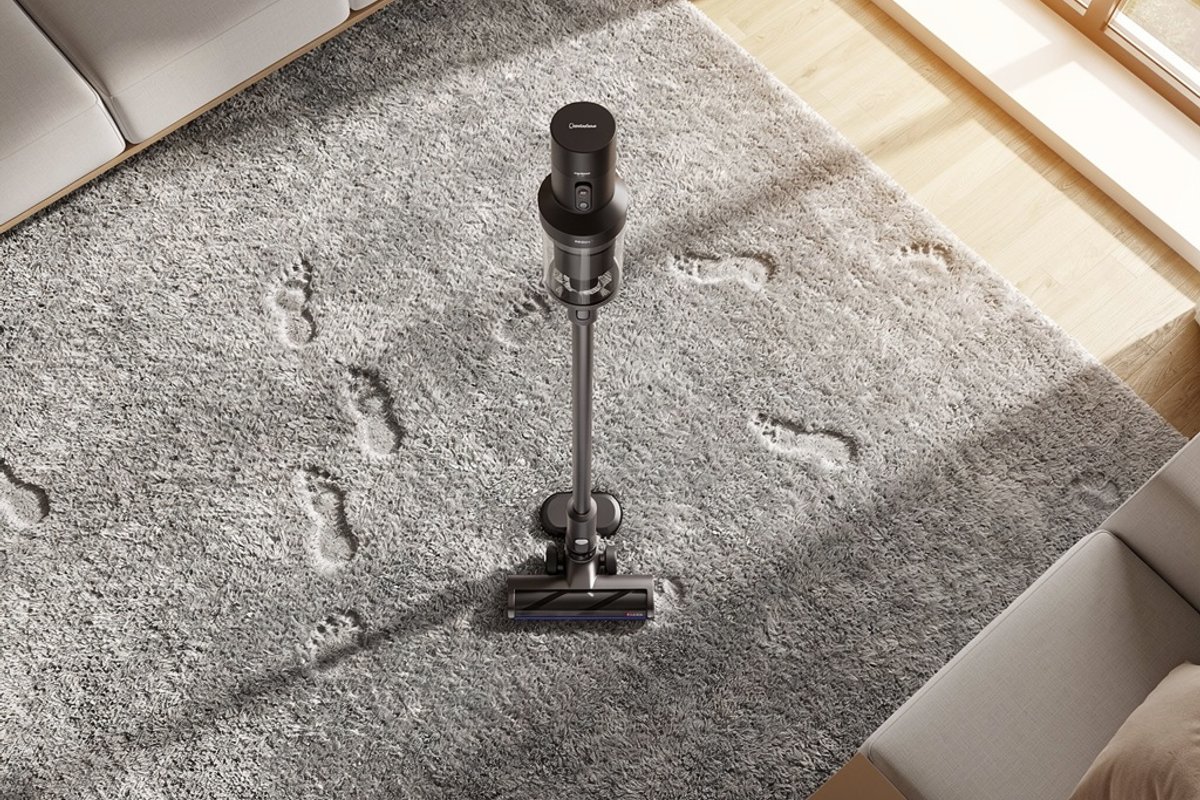
Floor Types
Mostly Carpet:
- Prioritize: Motorized brush roll, strong suction (150+ AW), adjustable height
- Best types: Upright, premium canister
Mostly Hard Floors:
- Prioritize: Soft brush roll or suction-only, sealed system
- Best types: Canister, stick, robot
- See our best vacuums for hardwood floors for dedicated picks
Mixed Flooring:
- Prioritize: Adjustable brush roll, easy transition between surfaces
- Best types: Canister, versatile upright, stick
High-Pile Carpet:
- Prioritize: Adjustable height, strong suction, large wheels
- Best types: Adjustable upright, canister with powerhead
Household Factors
Pets:
- Prioritize: Tangle-free brush roll, HEPA filtration, strong suction
- Consider: Pet-specific models with odor control
Allergies:
- Prioritize: True HEPA filtration, sealed system, bagged design
- Avoid: Bagless without sealed systems
Physical Limitations:
- Prioritize: Lightweight (under 10 lbs), self-propelled, cordless
- Avoid: Heavy uprights, large canisters
Multi-Level Home:
- Prioritize: Lightweight, cordless or long cord, portable
- Consider: Two vacuums (main + lightweight)
Home Size Considerations
Small Apartments (Under 800 sq ft): A stick vacuum or compact canister typically suffices for smaller spaces. You don’t need massive capacity or industrial-strength suction. Focus on lightweight models that store easily and handle your specific floor types. Many apartment dwellers find that a quality cordless stick vacuum paired with a handheld for spot cleaning provides complete coverage without the storage burden of larger machines.
Medium Homes (800-2,000 sq ft): Mid-sized homes benefit from either a full-featured upright or a canister with adequate capacity. If you have multiple floor types, versatility becomes more important than in single-surface homes. Consider cord length - you’ll want at least 25-30 feet to avoid constant unplugging. Models with retractable cords or cordless units with 45+ minute runtime work well for this size range.
Large Homes (2,000+ sq ft): Larger spaces demand durability, capacity, and either long cord reach or extended battery life. Self-propelled uprights reduce fatigue when cleaning extensive carpeted areas. Alternatively, invest in a premium canister with excellent maneuverability and a long hose reach. Some homeowners with multi-story large homes keep a vacuum on each floor to avoid carrying heavy units up and down stairs repeatedly.
Key Features Explained
Suction Power
Understanding Specifications:
-
Air Watts (AW): The most accurate measure of cleaning performance
- 100-150 AW: Adequate for hard floors, low-pile carpet
- 150-200 AW: Good for most homes, pet hair
- 200+ AW: Excellent, deep carpet cleaning
-
Amps: Measures electrical consumption, not cleaning power
- Most vacuums are 10-12 amps
- Higher amps ≠ better cleaning
-
CFM (Cubic Feet per Minute): Measures airflow volume
- Look for 60+ CFM for uprights, 100+ for canisters
Why Specifications Can Be Misleading: Manufacturers sometimes emphasize motor power rather than actual cleaning effectiveness. A vacuum with a 12-amp motor isn’t necessarily better than an 8-amp model - what matters is how efficiently that power translates to suction at the cleaning head. Sealed systems, brush roll design, and airflow engineering all affect real-world performance more than raw motor specifications.
Filtration Systems
Filter Types:
- Standard: Basic particle capture (20+ microns)
- HEPA: Captures 99.97% of 0.3+ micron particles - essential for allergies
- ULPA: Hospital-grade, captures 99.999% of 0.1+ microns
- Activated Carbon: Reduces odors - good for pet owners
Critical for Allergies: A HEPA filter alone isn’t enough. The vacuum must have a sealed system to prevent allergens from escaping around the filter housing.
Filter Maintenance: Even the best filtration system fails without proper maintenance. Washable filters should be cleaned monthly and allowed to dry completely (24-48 hours) before reinstalling. Non-washable filters typically need replacement every 6-12 months depending on use. Clogged filters dramatically reduce suction and can overheat motors. Set calendar reminders to check filters regularly - this simple maintenance extends vacuum life and maintains peak performance.
Bagged vs. Bagless
Bagged:
- ✅ Allergen containment when disposing
- ✅ Consistent suction until full
- ✅ Less maintenance
- ❌ Ongoing bag cost
- ❌ Less environmentally friendly
Bagless:
- ✅ No ongoing bag costs
- ✅ See when full
- ✅ More environmentally friendly
- ❌ Dust exposure when emptying
- ❌ Filters need frequent cleaning
Corded vs. Cordless
Corded:
- ✅ Unlimited runtime
- ✅ Stronger suction (typically)
- ✅ Lower long-term cost
- ❌ Limited by cord length (20-35 ft typical)
- ❌ Outlet dependency
Cordless:
- ✅ Complete portability
- ✅ Convenience for quick cleanups
- ✅ Great for stairs and cars
- ❌ Limited runtime (30-80 min typical)
- ❌ Battery degradation over time
- ❌ Higher replacement cost
Battery Technology in 2026: Modern lithium-ion batteries have improved significantly. Many premium cordless models now offer 60+ minutes on standard mode, with boost modes for stubborn messes. Battery management systems prevent overcharging and extend lifespan. However, batteries still degrade - expect 80% capacity after 2-3 years and potential replacement costs that can be significant. Some manufacturers offer swappable battery systems, letting you purchase a spare battery for extended cleaning sessions.
Brush Roll Technology
The brush roll (also called beater bar or agitator) is critical for carpet cleaning. Modern designs include:
Traditional Brush Rolls: Bristle-covered cylinders that agitate carpet fibers to loosen embedded dirt. Effective but can become tangled with hair.
Tangle-Free Designs: Rubber fins or specialized patterns that prevent hair wrap. Excellent for pet owners and long-haired households. These typically use silicone or rubber blades that flex around debris without trapping hair.
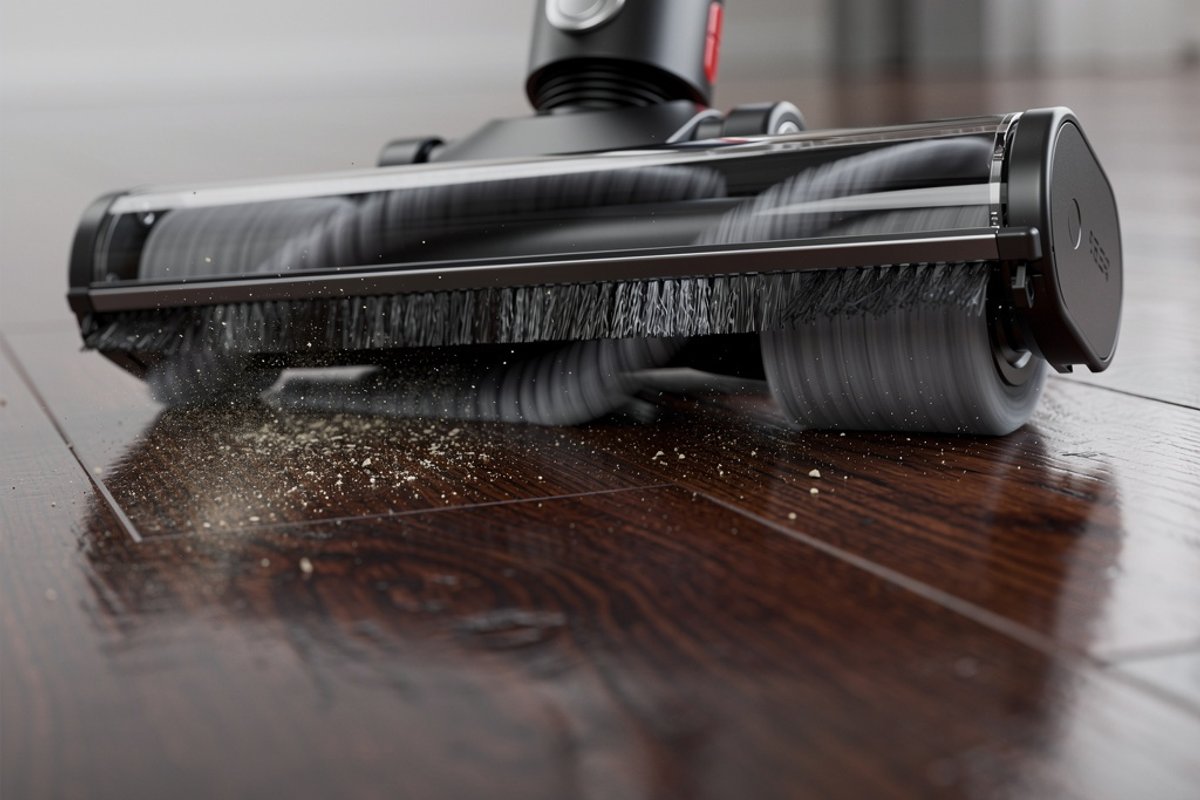
Soft Roller Brushes: Velvet-covered rollers designed for hard floors. They pick up fine dust and large debris simultaneously without scratching delicate surfaces. Many high-end stick vacuums include both carpet and hard floor roller heads.
Adjustable Height: Essential for optimal performance on different carpet piles. The brush should just barely touch carpet fibers - too low reduces airflow and makes pushing difficult; too high leaves dirt behind.
Noise Levels
Vacuum noise ranges from 60-80 decibels, with quieter models becoming more prevalent:
Quiet Operation (60-68 dB): Comparable to normal conversation. Premium canisters like Miele and SEBO excel here. Good for apartments, evening cleaning, or homes with sound-sensitive individuals.
Standard Operation (68-75 dB): Most uprights and mid-range vacuums. Noticeable but not disruptive for typical cleaning sessions.
Loud Operation (75-80+ dB): Budget models, shop vacs, and high-power units. May require hearing protection for extended use.
Canister vacuums typically run quieter than uprights because the motor sits away from you. Insulated motor compartments and rubber dampening significantly reduce noise transmission.
Vacuum Type Deep Dive
Upright Vacuums
Best For: Large carpeted homes, deep cleaning
Upright vacuums combine the motor, dustbin, and cleaning head in a single unit you push in front of you. They typically offer the strongest carpet cleaning performance.
Advantages:
- Superior carpet agitation with motorized brush rolls
- Large capacity (less frequent emptying)
- Often self-propelled (easier pushing)
- Generally lower cost per cleaning performance
Disadvantages:
- Heavy (10-17 lbs typical)
- Difficult on stairs and under furniture
- Less versatile for above-floor cleaning
- Loud operation
Top Picks 2026:
- Best Overall: Shark Vertex Pro - Self-cleaning brush, lift-away versatility
- Best Premium: Dyson Ball Animal 3 - HEPA sealed, strong suction
- Best Budget: Hoover WindTunnel 3 - Solid performance, affordable
Canister Vacuums
Best For: Mixed flooring, stairs, hard floors
Canister vacuums separate the motor/dustbin unit (which rolls behind you) from the cleaning wand. This design offers maximum versatility.
Advantages:
- Excellent for hard floors and low-pile carpet
- Superior maneuverability
- Quiet operation
- Great for stairs and above-floor cleaning
- Wide range of attachments
Disadvantages:
- Pulling canister behind you
- Less convenient for quick cleanups
- Often more expensive
- Some find two-handed operation awkward
Top Picks 2026:
- Best Overall: Miele Complete C3 Marin - Legendary quality, sealed HEPA
- Best Mid-Range: SEBO Airbelt K3 - Hospital-grade filtration
- Best Budget: Eureka Mighty Mite - Basic but capable
Stick/Cordless Vacuums
Best For: Quick cleanups, small spaces, daily maintenance
Stick vacuums are lightweight, often cordless units designed for convenience over deep cleaning. They’ve become incredibly popular for their versatility.
Advantages:
- Lightweight (3-8 lbs typical)
- Cordless convenience
- Convert to handheld for versatility
- Easy storage
- Quick to deploy
Disadvantages:
- Limited runtime (20-80 minutes)
- Smaller capacity
- Weaker suction than corded
- Battery replacement cost
Top Picks 2026:
- Best Overall: Dyson V15 Detect - Powerful, laser detection
- Best Value: Shark Stratos Cordless - Self-cleaning, good runtime
- Best Budget: Eureka RapidClean Pro - Basic but functional
Robot Vacuums
Best For: Maintenance cleaning, busy households, hard floors
Robot vacuums clean autonomously, navigating your home and returning to their charging dock. They’re supplements, not replacements, for traditional vacuums.
Advantages:
- Completely automatic
- Scheduled cleaning
- Cleans while you’re away
- Great for daily maintenance
- Reaches under furniture
Disadvantages:
- Can’t deep clean carpets
- Gets stuck on cords/clutter
- Requires pre-cleaning (pick up items)
- Expensive for full capability
- Limited capacity
Key Features to Consider:
- Navigation: LiDAR (laser) vs. camera-based
- Mapping: Can it learn and save your home’s layout?
- Self-Emptying: Base station empties robot’s bin automatically
- Obstacle Avoidance: AI that identifies and avoids objects
- Mopping: Some models vacuum and mop
Top Picks 2026:
- Best Overall: Shark AI Ultra 2-in-1 - LiDAR, self-emptying, mopping
- Best Premium: Roomba Combo j9+ - AI obstacle avoidance, auto-fill mop
- Best Budget: Eufy 11S MAX - Basic but reliable
Handheld Vacuums
Best For: Cars, furniture, quick spills, stairs
Handheld vacuums are compact units designed for targeted cleaning. They’re ideal companions to a main vacuum.
Advantages:
- Highly portable
- Perfect for cars and furniture
- Quick for small messes
- Affordable
Disadvantages:
- Small capacity
- Limited runtime (cordless)
- Not for whole-house cleaning
Top Picks 2026:
- Best Overall: BLACK+DECKER Dustbuster - Strong suction, versatile
- Best Pet Hair: Bissell Pet Hair Eraser - Motorized brush
Wet/Dry Vacuums
Best For: Workshops, garages, water cleanup, heavy debris
Wet/dry vacuums (shop vacs) handle both dry debris and liquid messes. They’re essential for workshops and can handle tasks regular vacuums can’t.
Advantages:
- Handles wet and dry messes
- Extremely powerful suction
- Large capacity
- Durable construction
Disadvantages:
- Bulky and heavy
- Loud operation
- No filtration (don’t use on carpet)
- Overkill for regular home cleaning
Top Picks 2026:
- Best Overall: Vacmaster Beast VFB511B - 5-gallon, powerful
- Best Large: Craftsman XSP - 16-gallon capacity
Special Considerations
For Pet Owners
Essential Features:
- Tangle-free brush roll (prevents hair wrap)
- HEPA filtration (captures dander)
- Strong suction (picks up embedded hair)
- Motorized pet tool (for upholstery)
- Odor control (carbon filter)
Recommended Types: Upright with pet tools, canister with turbo brush, stick for daily quick cleanups
Additional Pet-Specific Tips: Pet hair embeds deeply into carpet fibers and upholstery. Look for models with rubber brush rolls or self-cleaning designs that prevent the frustrating hair tangles that plague traditional bristle brushes. A motorized pet tool - a smaller, powered brush head - is invaluable for furniture, stairs, and car interiors where pet hair accumulates. Many pet owners benefit from daily light vacuuming with a stick vacuum to prevent hair buildup, supplemented by weekly deep cleaning with a more powerful upright or canister.
For Allergy Sufferers
Essential Features:
- True HEPA filtration (99.97% at 0.3 microns)
- Sealed system construction
- Bagged design (less dust exposure)
- Quality filters (not “HEPA-type”)
Recommended Types: Sealed canister (Miele, SEBO), sealed upright (Dyson Ball series)
Why “HEPA-Type” Isn’t Enough: Marketing terms like “HEPA-type,” “HEPA-style,” or “HEPA-like” mean the filter doesn’t meet true HEPA standards. Only filters certified to capture 99.97% of 0.3-micron particles qualify as true HEPA. Additionally, the entire vacuum system must be sealed - air should exit only through the filter, not through seams, seals, or the motor housing. Unsealed vacuums actually worsen allergies by stirring up allergens without capturing them.
For Large Homes
Essential Features:
- Large capacity (less emptying)
- Long cord or cordless with extra battery
- Self-propelled (easier pushing)
- Reliable construction (daily use)
Recommended Types: Premium upright, large canister
For Small Apartments
Essential Features:
- Compact storage
- Lightweight (stairs, small spaces)
- Adequate power for smaller area
- Versatile (multiple surfaces)
Recommended Types: Stick/cordless, compact canister
For Multi-Story Homes
Vacuuming stairs and multiple levels presents unique challenges. Consider these strategies:
Lightweight Cordless: A stick vacuum weighing under 7 lbs makes stair cleaning manageable and eliminates cord-related trip hazards.
Canister with Long Hose: Quality canisters let you park the unit at the top or bottom of stairs while the hose reaches multiple steps.
Multiple Units: Some homeowners keep a budget upright or stick vacuum on each level to avoid carrying heavy machines between floors.
Stair Attachments: Look for powered stair tools or wide upholstery nozzles that clean stair treads in fewer passes.
Attachment and Accessory Guide
Standard vacuum attachments extend functionality beyond floor cleaning:
Crevice Tool: Long, narrow attachment for tight spaces - baseboards, couch crevices, radiators, window tracks. Essential for thorough cleaning.
Dusting Brush: Soft bristles for delicate surfaces - lampshades, blinds, keyboards, shelving. The soft bristles prevent scratching while dislodging dust.
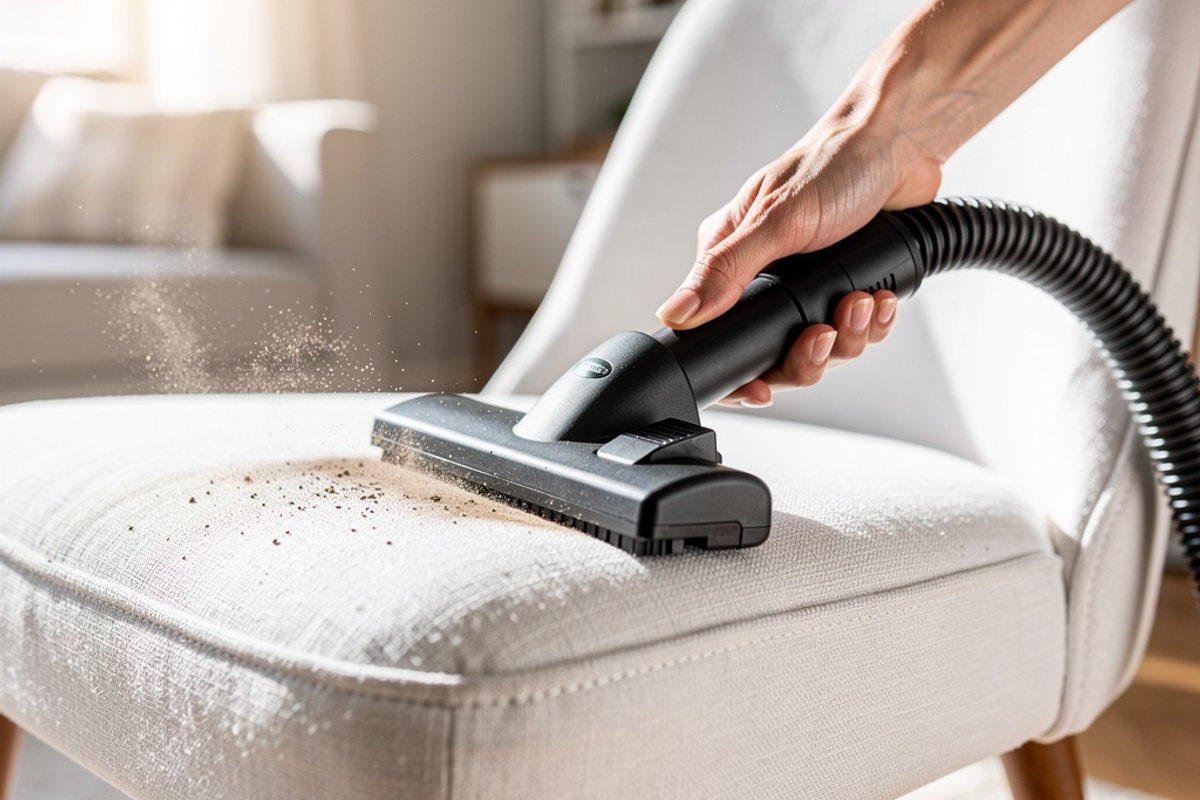
Upholstery Tool: Wide, fabric-friendly nozzle for furniture, mattresses, curtains, and car seats. Some include removable lint strips.
Pet Hair Tool: Motorized or rubber-bristled attachment specifically designed to lift pet hair from upholstery and stairs. Worth the investment for pet owners.
Extension Wand: Telescoping pole for reaching ceiling corners, ceiling fans, high shelves, and under furniture without bending.
Hard Floor Tool: Wide, felt-lined or soft-bristled head designed for hard floors without scratching. Some pivot for improved maneuverability.
Premium vacuums typically include 4-8 attachments. Budget models may include only 2-3. Consider which attachments you’ll actually use - a vacuum with fewer quality attachments often performs better than one with many mediocre tools.
Maintenance and Longevity
Proper maintenance dramatically extends vacuum life and performance:
Monthly Tasks:
- Empty bagless bins or replace bags when 2/3 full
- Check and clear brush roll of hair and debris
- Rinse washable filters (let dry 24-48 hours)
- Inspect hose for clogs or cracks
Quarterly Tasks:
- Deep clean all filters
- Inspect belts for wear or cracking
- Clean attachments and tools
- Check wheels for debris buildup
Annual Tasks:
- Replace non-washable filters
- Replace worn belts
- Professional service for premium models
- Inspect seals and gaskets
Common Issues and Solutions:
Loss of Suction: Usually caused by clogs (check hose, inlet, brush housing), dirty filters, or full bags/bins. Check these areas first before assuming motor failure. For step-by-step fixes, see our vacuum repair guide.
Brush Roll Not Spinning: Belt breakage or hair tangles are typical culprits. Replace belts annually as preventive maintenance - they’re inexpensive and prevent motor strain.
Unusual Noise: Often indicates something caught in the brush roll or impeller. Turn off immediately and inspect. Continued operation can damage motors.
Burning Smell: Can indicate belt problems, motor overheating from clogs, or bearing failure. Stop using immediately and troubleshoot.
Budget Breakdown
Budget Range
What to Expect:
- Basic suction and features
- Shorter lifespan (3-5 years)
- Plastic construction
- Limited attachments
Best Options:
- Upright: Hoover WindTunnel 3
- Stick: Eureka RapidClean Pro
- Robot: Eufy 11S MAX
Mid-Range
What to Expect:
- Good suction and features
- Moderate lifespan (5-7 years)
- Mixed construction
- Standard attachments
Best Options:
- Upright: Shark Vertex Pro
- Canister: Miele Classic C1
- Stick: Tineco Pure One S15
- Robot: Shark AI Ultra
Premium
What to Expect:
- Excellent suction and features
- Long lifespan (7-10+ years)
- Quality construction
- Premium attachments
Best Options:
- Upright: Dyson Ball Animal 3
- Canister: SEBO Airbelt K3
- Stick: Dyson V15 Detect
- Robot: Roomba j7+
Luxury
What to Expect:
- Top-tier performance
- Exceptional lifespan (10-20 years)
- Premium materials
- Best-in-class filtration
Best Options:
- Canister: Miele Complete C3 Marin
- Robot: Roomba Combo j9+
Making Your Decision
Decision Framework
Step 1: Identify Your Floor Types
- Mostly carpet → Upright or canister with powerhead
- Mostly hard floors → Canister, stick, or robot
- Mixed → Canister or versatile upright
Step 2: Consider Household Factors
- Pets → Pet-specific features
- Allergies → Sealed HEPA system
- Physical limits → Lightweight or self-propelled
- Large home → Large capacity, corded
Step 3: Set Your Budget
- Budget: Basic but functional
- Mid-range: Best value for most
- Premium: Excellent features and longevity
- Luxury: Top performance, investment grade
Step 4: Choose Your Type Based on the above, select your vacuum type and compare top models in that category.
Further Reading
- Self-Propelled Vacuum Cleaners: Are They Worth It? (2026 Buying Guide)
- Vacuum Cleaner Certifications Explained: CRI, HEPA & Allergy Standards Guide 2026
- How Does a Vacuum Cleaner Work? Motor Types, Suction Power & Filtration Explained
Warranty and Customer Service
Warranty coverage varies significantly and often reflects manufacturer confidence:
Budget Brands: Typically 1-2 year limited warranties covering defects but not normal wear. Customer service may be slow or limited to email.
Mid-Range Brands: Usually 3-5 year warranties with better customer support, phone lines, and local service centers.
Premium Brands: Often 5-7 year comprehensive warranties, excellent customer service, authorized repair networks, and readily available parts.
Luxury Brands: Miele and SEBO offer exceptional warranties (5-7 years) backed by authorized service centers and long-term parts availability - you can still get parts for 20-year-old models.
Before purchasing, research customer service reputation. A vacuum that requires service isn’t useful if you can’t get support. Check whether parts are available online, if the company has local service centers, and read reviews about warranty claim experiences.
Recommended Products
Dyson Ball Animal 3
Best premium uprightBest vacuum with beater bar for deep carpet cleaning.
What We Like
- Powerful motorized brush bar for deep carpet cleaning
- Tangle-free turbine tool prevents hair wrap
- Strong 290 AW suction power
- Whole-machine HEPA filtration captures allergens
- Ball technology for easy steering around furniture
What We Don't
- Premium price point for a corded upright
- Heavy at 17.4 lbs for prolonged use
- Small dustbin capacity requires frequent emptying
Shark Vertex Pro with Powered Lift-Away
Best overall uprightThe Shark Vertex Pro with Powered Lift-Away pairs a self-cleaning brushroll with Anti-Allergen Complete Seal that traps 99.9% of allergens, delivering serious pet hair pickup in both upright and detached canister modes. Best for allergy-prone pet households that need sealed HEPA filtration and versatile floor-to-furniture cleaning.
What We Like
- Self-cleaning brushroll removes pet hair without tangles
- Anti-Allergen Complete Seal traps 99.9% of allergens
- DuoClean PowerFins excel on pet hair and debris
- Good value for pet owners with strong performance
What We Don't
- Primarily plastic construction lacks premium feel
- 0.4-quart capacity requires frequent emptying with pets
- Heavier than some cordless alternatives at 9.3 lbs
Hoover WindTunnel 3 Max Performance
Best budget uprightBest budget performer with impressive suction power. Proves you don''t need to spend a fortune for clean carpets.
What We Like
- Triple chamber suction technology
- Budget-friendly
- Carbon HEPA filter
- Large capacity bin
What We Don't
- Heavier construction
- No swivel steering
- Shorter cord than competitors
Miele Complete C3 Marin Canister Vacuum
Best overall canisterThe Miele Complete C3 Marin is a top-tier canister vacuum with outstanding suction, whisper-quiet operation, and hospital-grade HEPA filtration. Ideal for allergy sufferers and large homes with mixed flooring who want a vacuum that will last 15-20 years.
What We Like
- 1200W Vortex motor with 6 speed settings for optimal suction control across surfaces
- AirClean Sealed System with HEPA filter traps 99.95% of particles down to 0.1 microns
- Exceptionally quiet operation at 64 dB - among the quietest canister vacuums available
- 36-foot operating radius covers large rooms without unplugging
What We Don't
- Requires bags which add ongoing maintenance cost (~$5 per bag)
- Premium pricing at top of market segment
- No motorized brush roll included - must purchase SEB 228 or SEB 236 separately
Eureka Mighty Mite 3670G Canister
Best budget canisterThe Eureka Mighty Mite 3670G packs a surprising 10-amp motor into an 8.6-lb canister body with a blower port for garage and workshop debris clearing. It is best for Berber carpet owners, stair-heavy homes, or anyone needing a lightweight suction-only canister that doubles as a blower for quick cleanups.
What We Like
- Very affordable budget option
- Lightweight at 8.6 lbs for easy portability
- Compact canister design for stairs and tight spaces
- Powerful 10-amp motor for size
What We Don't
- Basic filtration without HEPA
- Short 20-foot cord limits reach
- No powered brush for carpets
- Small 2.5-quart capacity
Dyson V15 Detect
Best overall cordlessThe most technologically advanced cordless vacuum available, with genuine innovations in dust detection and suction optimization. Best for tech-forward buyers with mostly hard floors.
What We Like
- Laser reveals microscopic dust on hard floors
- Piezo sensor counts particles and displays in real-time
- Anti-tangle Motorbar cleaner head prevents hair wrap
- Powerful 240 AW suction with auto-adjusting power
What We Don't
- 60-minute runtime only in Eco mode (8 min in Boost)
- Small 0.2-gallon dustbin requires frequent emptying
- Premium price point
- 4.5-hour charging time is lengthy
Shark Stratos Cordless
Best value cordlessThe Shark Stratos Cordless packs DuoClean PowerFins, a self-cleaning brushroll, and built-in odor neutralizer technology into a 60-minute runtime cordless vacuum with HEPA filtration. Best for pet owners seeking Shark's latest features at a lower price than the top-tier Stratos models.
What We Like
- PowerFins brush roll effectively removes pet hair without tangling
- Up to 60 minutes of runtime on standard mode
- Built-in odor neutralizer technology reduces odors
- Good value for a premium cordless vacuum with DuoClean system
- Self-cleaning brush roll prevents hair wrap
What We Don't
- Dustbin capacity is smaller than some competitors at 0.7 quarts
- Premium price point for a cordless model
- Shorter runtime on high-power mode
Eureka RapidClean Pro
Best budget cordlessThe Eureka RapidClean Pro offers LED headlights, a 2-in-1 stick-to-handheld conversion, and up to 40 minutes of runtime at a fraction of the cost of Dyson or Shark cordless models. It is best for renters or small-space dwellers who want cordless convenience for quick daily cleanups without a large investment.
What We Like
- Very affordable for a cordless stick vacuum
- LED headlights for visibility in dark spaces
- Converts to handheld for multiple surfaces
- Good runtime of up to 40 minutes
- Lightweight and maneuverable
What We Don't
- Weaker suction compared to premium cordless models
- Basic filtration system
- Battery not removable for extended use
- Smaller dust cup capacity
Shark AI Ultra 2-in-1 Robot Vacuum & Mop
Best overall robotThe Shark AI Ultra 2-in-1 pairs 360-degree LiDAR navigation with sonic mopping at 100 scrubs per minute and a 60-day self-emptying base, delivering thorough vacuuming and mopping in a single pass. Best for households wanting Shark's most capable robot without paying the premium of competing brands like Roborock or Ecovacs.
What We Like
- 360° LiDAR navigation for precise room mapping
- 60-day bagless self-emptying base
- Sonic mopping with scrubbing motion
- Good value for 2-in-1 functionality
What We Don't
- Basic obstacle avoidance without camera-based AI
- Limited to single-floor mapping
- 6-hour charging time is significantly longer than competitors
- Sonic mopping lacks the water pressure of dedicated robot mops
iRobot Roomba Combo j9+ Self-Emptying
Best premium robotThe iRobot Roomba Combo j9+ is the most autonomous Roomba available, featuring SmartScrub back-and-forth mopping, an auto-fill water system, and AI-powered obstacle recognition that avoids pet waste. It is best for large multi-surface homes where owners want truly hands-off cleaning with minimal maintenance for up to 60 days at a time.
What We Like
- Advanced AI obstacle avoidance and recognition
- SmartScrub back-and-forth mopping for better cleaning
- Retractable mop pad lifts completely over carpets
- 60-day self-emptying with auto-fill water system
What We Don't
- Very expensive at premium price tier
- Large base station footprint requires significant space
- Auto-fill water reservoir needs plumbing-adjacent placement or manual refills
Eufy 11S MAX
Best budget robotThe Eufy 11S MAX delivers reliable cleaning on hard floors and low-pile carpets with BoostIQ automatic suction adjustment and whisper-quiet 55dB operation. It is best suited for budget-conscious buyers with smaller homes who want a simple set-and-forget robot vacuum without app complexity.
What We Like
- Affordable entry-level robot vacuum
- Quiet operation at 55dB
- Good for hard floors and low-pile carpets
- Slim 2.85-inch design fits under furniture
- BoostIQ automatically increases suction on carpets
What We Don't
- No mapping technology - uses random navigation
- Small 0.6L dustbin requires frequent emptying
- Struggles with thick carpets and rugs
- No app control or smart features
Black+Decker Dustbuster
Best handheldThe Dustbuster combines the iconic handheld form factor with modern lithium-ion battery technology and up to 30 minutes of cordless runtime. Best for households needing a simple, affordable grab-and-go vacuum for crumbs on countertops, car interiors, and quick stair cleanups.
What We Like
- Iconic handheld design with modern upgrades
- Affordable for the feature set
- Multiple attachments for various cleaning tasks
- Easy to store with compact footprint
What We Don't
- Runtime varies significantly by power mode used
- Basic filtration may not trap allergens effectively
- 4-5 hour charge time is lengthy for occasional use
Bissell Pet Hair Eraser Turbo Plus
Best pet hair handheldThe Turbo Plus upgrades the Pet Hair Eraser line with OnePass technology and an LED-lighted crevice tool for cleaning dark corners and under furniture. Best for pet owners who want a corded upright with unlimited runtime and specialized tools for tackling embedded fur on carpets and upholstery.
What We Like
- Tangle-free brush roll prevents hair wrap around brush
- Specialized pet tools including Pet TurboEraser and 2-in-1 pet dusting brush
- Febreze filter helps eliminate pet odors
- OnePass technology cleans on first pass
What We Don't
- Not a sealed allergen system like premium models
- Basic filtration compared to HEPA-equipped models
- Heavier design at nearly 18 lbs
Miele Classic C1 Pure Suction
Best gentle suctionThe Miele Classic C1 Pure Suction uses a smooth floor nozzle without a rotating brush, making it ideal for hardwood, tile, and delicate rugs that powered brushes can damage. Best for homes with primarily hard flooring who want Miele build quality, 6-speed suction control, and 72 dB quiet operation.
What We Like
- Pure suction design ideal for hardwood and smooth floors
- No rotating brush to damage delicate surfaces
- Quiet operation at 72 dB
- 6-speed suction control for versatile cleaning
What We Don't
- Not suitable for deep carpet cleaning without powered brush
- Requires ongoing bag purchases
- Heavier than modern bagless alternatives
Tineco Pure One S15 PRO
Best smart featuresThe Tineco Pure One S15 PRO features an iLoop smart sensor that automatically adjusts suction based on real-time dirt detection, paired with app-connected cleaning reports and a ZeroTangle brushroll. Best for tech-forward households that want data-driven cleaning optimization and automatic power management to maximize battery life.
What We Like
- Smart iLoop sensor adjusts suction automatically for battery efficiency
- App connectivity provides cleaning reports and maintenance alerts
- Up to 60 minutes runtime in eco mode
- LED display shows real-time dirt detection
- 4-stage HEPA filtration captures allergens
What We Don't
- App requires setup and smartphone connectivity
- 0.6L dustbin is smaller than some competitors
- Higher price point compared to non-smart models
iRobot Roomba j7+ Self-Emptying Robot Vacuum
Best current RoombaThe iRobot Roomba j7+ combines PrecisionVision camera-based obstacle avoidance with a 60-day self-emptying Clean Base and the P.O.O.P. guarantee for pet waste detection, setting it apart from older Roomba models. It is best for pet owners who want the confidence that their robot will navigate around cords, shoes, and pet accidents without getting stuck.
What We Like
- PrecisionVision AI obstacle avoidance (avoids pet waste)
- 60-day capacity self-emptying Clean Base
- Smart mapping with room-specific cleaning schedules
- Pet Owner Official Promise (P.O.O.P.)
What We Don't
- Premium price point
- No mopping capability
- Camera-based navigation requires adequate lighting
Sources & Research
- Amazon Product Page
- Dyson Official Product Page
- Amazon Product Page
- Shark Official
- Shark Official Product Page
- Amazon Product Page
- Miele Official Product Page
- Miele Official Product Page
- Amazon Product Page
- Eureka Official Product Page
- Eureka Official Website
- Dyson official product page
- RTINGS lab test results
- Amazon Product Page
- Amazon Product Page
- Amazon Product Page
- Eureka Official
- Amazon Product Page
- Manufacturer Page
- Amazon Product Page
- iRobot Official Product Page
- iRobot Official Product Page
- Amazon Product Page
- Eufy Official Page
- Eufy Official Product Page
- Amazon Product Page
- BLACK+DECKER Official Site
- BLACK+DECKER Handheld Vacuums
- Amazon Product Page
- Bissell Official Product Page
- Amazon Product Page
- Miele Official Product Page
- Miele Official Product Page
- Amazon Product Page
- Tineco Official Page
- Amazon Product Page
- iRobot Official Page
- iRobot j7 Series
Continue Reading
Explore more buying guides content or browse our other categories.
Frequently Asked Questions
- How much should I spend on a vacuum?
- For most households, $200-500 is the sweet spot for value and performance. Budget models under $200 work for small spaces or occasional use but typically last 3-5 years. Mid-range vacuums ($200-500) offer the best balance of features, durability (5-7 years), and cleaning performance. Premium models ($500-1,000+) offer superior filtration, build quality, and 7-15 year lifespans. If you have allergies, pets, or a large home, investing $400-600+ pays off in better cleaning and longevity.
- Are bagless vacuums better than bagged?
- Neither is universally better - each suits different needs. Bagged vacuums are better for allergy sufferers because they contain dust during disposal and maintain consistent suction. They're also less maintenance (no filter cleaning). Bagless vacuums save money long-term (no bags to buy) and let you see when full, but require filter cleaning and expose you to dust when emptying. Choose bagged for allergies; bagless for convenience and cost savings.
- How long do vacuums last?
- Vacuum lifespan varies by price and quality: Budget vacuums ($100-200) typically last 3-5 years. Mid-range models ($200-500) last 5-7 years. Premium vacuums ($500-1,000) last 7-10 years. Luxury models ($1,000+) like Miele can last 15-20 years. Factors affecting lifespan include frequency of use, maintenance (filter cleaning, brush roll clearing), floor types (carpet is harder on motors), and build quality. Proper maintenance can extend any vacuum's life by 2-3 years.
- Do I need a HEPA filter?
- You need a HEPA filter if you have allergies, asthma, or want the cleanest possible air. True HEPA filters capture 99.97% of particles down to 0.3 microns - including pollen, dust mites, pet dander, and mold spores. However, the vacuum must also have a sealed system to prevent particle escape around the filter. Without a sealed system, even HEPA filters won't prevent allergen recirculation. For non-allergy sufferers, standard filtration is adequate for general cleaning.
- Can one vacuum do everything?
- One high-quality vacuum can handle most homes effectively. A versatile canister or upright with attachments cleans floors, stairs, upholstery, and above-floor areas. However, many households benefit from having two vacuums: a main unit (upright or canister) for deep cleaning and a stick or handheld for quick cleanups, stairs, and cars. Robot vacuums supplement rather than replace traditional vacuums - they maintain between deep cleans but don't deep clean carpets. For most homes, invest 80% of your budget in the main vacuum and 20% in a convenient secondary unit.
- What's the difference between cordless runtime in eco vs. boost mode?
- Cordless vacuums offer multiple power modes that dramatically affect runtime. Eco or low-power mode typically provides 60-80 minutes by using minimal suction - adequate for hard floors and light debris. Standard mode balances power and runtime, offering 30-40 minutes of good suction for routine cleaning. Boost or max mode delivers maximum suction for deep carpet cleaning or stubborn messes but drains batteries in 10-20 minutes. Plan your cleaning strategy accordingly - use eco mode for hard floors, standard for most carpets, and boost only when needed. Smart models automatically adjust suction based on floor type and debris level to optimize battery life.
- How do I know if my vacuum has enough suction?
- Adequate suction depends on your flooring and debris types. For hard floors, 100-120 air watts suffices. Low-pile carpet needs 120-150 air watts. Medium to high-pile carpet requires 150-200+ air watts. Pet hair and deep carpet cleaning benefit from 200+ air watts. However, suction is only part of the equation - brush roll design, airflow efficiency, and cleaning head seal against floors matter equally. Test by vacuuming test areas: if the vacuum lifts carpet pile slightly and removes embedded debris in 2-3 passes, suction is adequate. If you must make 5+ passes or debris remains visible, you need more power or better brush agitation.
Written By
Home Vacuum Zone
Our team researches, tests, and reviews vacuum cleaners to help you make confident buying decisions.
Related Articles
Vacuum Noise Level Comparison: Decibel Ratings for 60+ Models (2026 Database)
Comprehensive vacuum noise level database with decibel ratings for 60+ models across every vacuum type. Find the quietest vacuums and understand what dB ratings actually mean.
Vacuum Suction Power Chart: AW, Pa & kPa Ratings Compared (2026 Database)
Comprehensive vacuum suction power database with air watts, pascals, and kPa ratings compared across every vacuum type. Find how much suction you actually need.
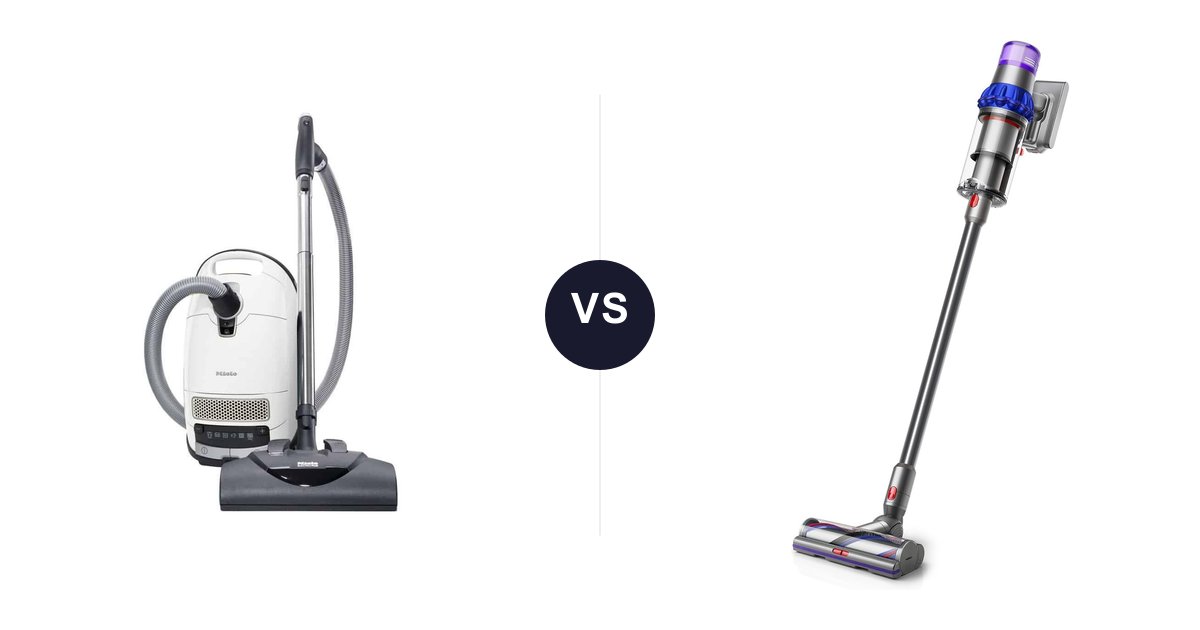
Bagged vs Bagless Vacuums: Which Type Is Actually Better?
Bagged and bagless vacuums each have distinct advantages for different households. We compare cost, filtration, allergen control, maintenance, and convenience to help you choose the right type.