Affiliate Disclosure:Home Vacuum Zone is reader-supported. When you buy through links on our site, we may earn an affiliate commission at no additional cost to you. This does not influence our reviews or recommendations — we only recommend products we genuinely believe in.
Wet Dry Vacuum vs Shop Vac: They’re Not the Same Thing
Search “wet dry vacuum” on Google and you’ll get two completely different products in the results. On one side, sleek cordless floor cleaners from Tineco and Bissell. On the other, hulking plastic buckets on wheels from Ridgid and DeWalt.
Both get called “wet dry vacuums.” Both can technically handle liquid. That’s where the similarity ends.
I’ve lost count of how many people tell me they bought a shop vac thinking it would mop their kitchen floor, or ordered a Tineco expecting it to suck up drywall dust from a renovation. The naming is genuinely terrible, and manufacturers haven’t done much to fix it. So let’s sort it out.
What Is a Wet Dry Vacuum (Wet Floor Cleaner)?
In 2026, if someone says “wet dry vacuum,” they almost always mean a cordless stick appliance that vacuums and mops hard floors at the same time. You might also see these called a wet mop vacuum, wet floor cleaner, wet and dry vacuum, or wet dry cleaner. All the same thing.
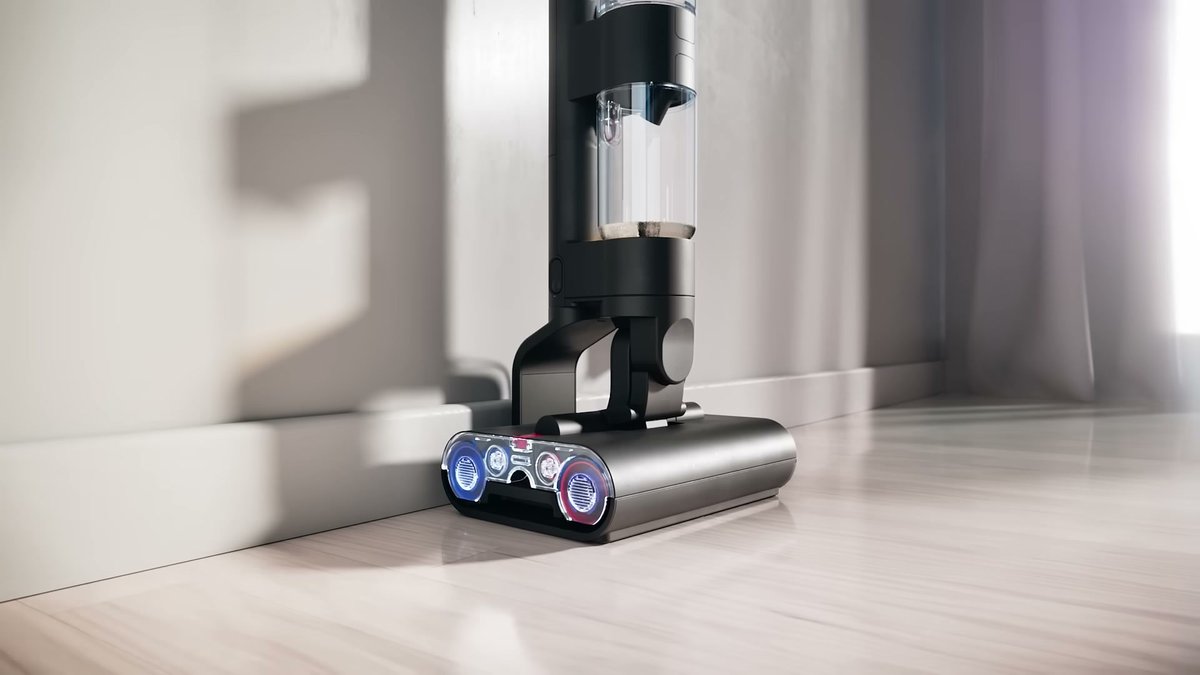
These machines look like a cordless stick vacuum but with a water tank bolted on. A spinning roller brush picks up dry debris while simultaneously laying down clean water and scrubbing the floor. Dirty water gets sucked into a separate tank. You vacuum and mop in a single pass.
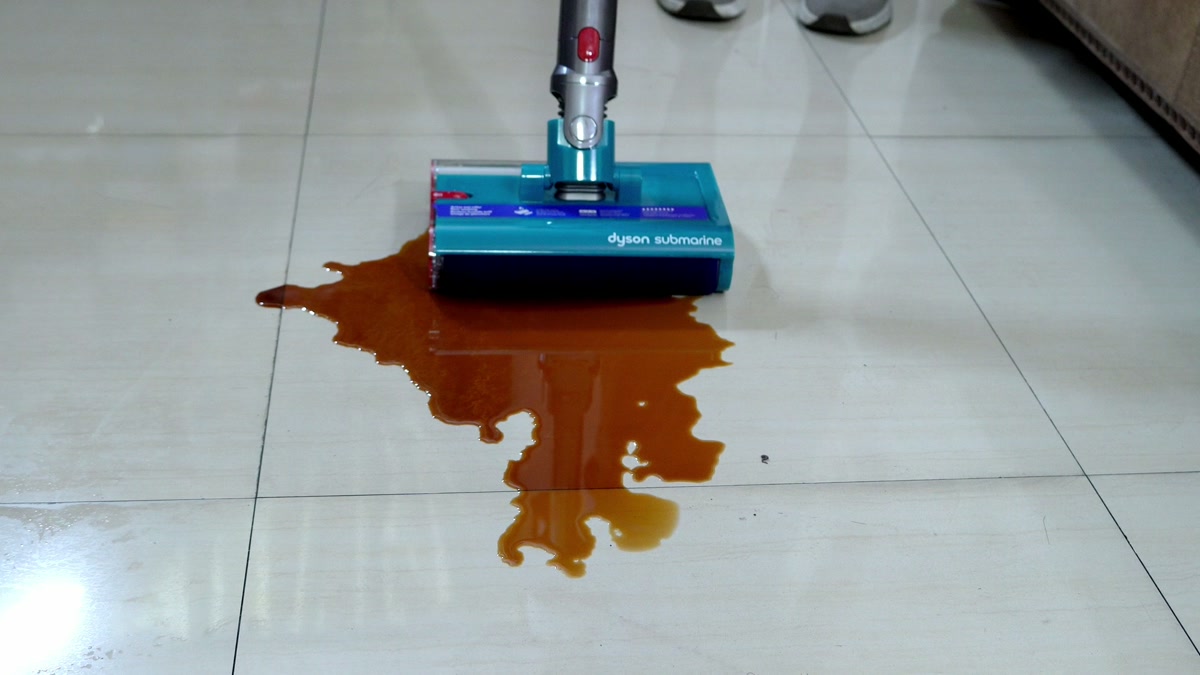
Brands making these include Tineco (they basically invented the modern category), Dreame, Roborock, Shark, Bissell, and Dyson with their WashG1. MSRPs range from around $200 for a basic Bissell CrossWave up to $999 for a top-spec Tineco Floor One S9.
What they’re good at: daily hard floor maintenance. Kitchen floors after cooking. Muddy paw prints in the hallway. Sticky juice spills. They’re light enough to use every day, quiet enough that you won’t wake the house, and they actually wash the floor rather than just pushing dirt around.
What they’re not good at: anything heavy-duty. You wouldn’t use one to clean up after a plumbing leak. You can’t suck sawdust out of a table saw with one. Most don’t work on carpet at all (a few like the CrossWave can manage low-pile rugs, but that’s it).
What Is a Shop Vac?
A shop vac is a completely different beast. It’s a large canister vacuum, usually on casters, with a big hose and round drum body. You plug it into the wall, attach whatever nozzle fits the job, and it sucks up pretty much anything short of a brick.
Sawdust, nails, drywall dust, standing water from a flooded basement, wet leaves, spilt paint. Shop vacs don’t care. They’re built for garages, workshops, construction sites, and disaster cleanup.
Ridgid, DeWalt, Craftsman, and Milwaukee all make popular models. “Shop-Vac” was actually a brand name that became generic (the company went bankrupt in 2020, which tells you something about the state of the market). MSRPs run from about $50 for a basic 4-gallon unit to $200 for a big 16-gallon beast with all the accessories.
Here’s the critical difference: a shop vac does not mop. It can suck up water, sure. Gallons of it. But it doesn’t scrub, doesn’t apply cleaning solution, doesn’t wash the floor. Sucking up a puddle and actually cleaning a floor are two very different things. After you shop-vac a wet floor, that floor is still dirty. Just less wet.
They’re also loud. Really loud. Like “your neighbours will hear it through the walls” loud. Nobody is running a shop vac for daily kitchen cleanup.
Key Differences at a Glance
| Feature | Wet Dry Vacuum (Floor Cleaner) | Shop Vac |
|---|---|---|
| Primary purpose | Daily floor washing and vacuuming | Heavy-duty debris and water removal |
| Power source | Rechargeable battery (cordless) | Mains power (corded) |
| Weight | 4-6 kg | 7-15 kg |
| Price range (MSRP) | $200-$999 | $50-$200 |
| Floor types | Hard floors (some do rugs) | Any surface, plus non-floor cleanup |
| Mops floors? | Yes, vacuum + mop in one pass | No, suction only |
| Portability | Very portable, store in a cupboard | Bulky, lives in the garage |
| Noise level | 70-78 dB (reasonable) | 80-90 dB (wear ear protection) |
| Tank capacity | 0.5-0.8 litres | 15-60 litres |
| Self-cleaning | Most have a self-clean cycle | You hose it out manually |
Which One Do You Need?
Forget features for a minute. Think about the problem you’re actually trying to solve.
Get a wet dry vacuum if you want to:
- Keep hard floors genuinely clean day to day
- Replace your mop and bucket
- Handle pet messes, kitchen spills, and muddy footprints
- Have a single appliance that vacuums and washes in one go
- Something light enough to grab on a whim
Get a shop vac if you need to:
- Clean up a workshop after woodworking
- Remove standing water from a flooded area
- Vacuum up construction debris (drywall dust, sawdust, screws)
- Clean out your car interior (dry debris, not washing)
- Deal with something your regular vacuum would choke on
And honestly? If you own a home, you might want both eventually. We have a Tineco for the kitchen and bathrooms, and a cheap Ridgid in the garage for everything else. Different tools for different jobs. Trying to make one do both is like using a screwdriver as a chisel. It sort of works until it really doesn’t.
Can One Replace the Other?
Nope.
A wet dry vacuum can’t replace a shop vac because it doesn’t have the suction power, tank capacity, or durability for heavy-duty work. Try vacuuming drywall dust with a Tineco and you’ll clog the roller brush in about ten seconds. The tiny 0.7-litre tank would fill up before you’ve cleared a square metre of standing water.
Going the other direction is even worse. A shop vac can’t replace a wet mop vacuum because it doesn’t mop. Full stop. You could suck up a spill with a shop vac, but you’d still need to get down on your hands and knees with a cloth to actually clean the floor. Plus you’d need to haul a 10 kg canister out of the garage, find an outlet, uncoil the hose, and deal with the noise. For a juice spill in the kitchen? Nobody’s doing that.
They’re not competitors. They’re not even in the same category despite sharing a name. One is a home cleaning appliance. One is a power tool.
Our Recommendations
If you’ve worked out which type you actually need, we’ve got detailed roundups for both.
For wet dry vacuums (the floor-washing kind), check out our best wet dry vacuums for 2026 roundup. We’ve tested models from Tineco, Dreame, Bissell, and more. If you want a specific recommendation, the Bissell CrossWave HF3 is a solid mid-range pick.
For shop vacs, head to our best shop vac guide for top picks across different sizes and budgets.
And if you’re torn between a wet dry vacuum and a steam mop (another common source of confusion), we’ve covered that too in our steam mop vs wet dry vacuum comparison.
Bottom line: check what problem you’re solving before you buy. The name “wet dry vacuum” has become meaningless. Know what you’re getting.
Continue Reading
Explore more wet & dry vacuums content or browse our other categories.
Frequently Asked Questions
- Is a shop vac a wet dry vacuum?
- Technically, yes. A shop vac can suck up both wet and dry messes, so it fits the literal definition. But in everyday use, "wet dry vacuum" now refers to cordless stick-style machines that vacuum and mop simultaneously. Shop vacs are bulky canister units built for garages and job sites. They don't mop and they're not designed for daily home use.
- Can a shop vac mop floors?
- No. A shop vac can suck up standing water, but it can't wash or scrub your floors. It has no mopping pad, no clean water tank, and no way to apply cleaning solution. If you want something that vacuums and mops in one pass, you need a wet dry vacuum like a Tineco or Bissell CrossWave.
- Which is better for home use?
- For daily floor cleaning, a wet dry vacuum (wet mop vacuum) is far better. It's lighter, quieter, cordless, and actually cleans your floors rather than just sucking up debris. A shop vac is overkill for kitchen spills and pet messes. Save it for the garage, basement floods, and renovation cleanup.
- What is a wet mop vacuum?
- A wet mop vacuum is another name for a wet dry vacuum or wet floor cleaner. These are cordless stick-format appliances from brands like Tineco, Dreame, Bissell, and Shark that vacuum and mop hard floors at the same time. They use a roller brush, clean water tank, and suction to wash floors in a single pass.
Written By
Home Vacuum Zone
Our team researches, tests, and reviews vacuum cleaners to help you make confident buying decisions.
Related Articles
Dyson V15s Detect Submarine Review: The Vacuum That Also Mops
Hands-on review of the Dyson V15s Detect Submarine. We test the 240 AW suction, Submarine wet mopping head, green laser particle detection, and whether this 2-in-1 actually works.
Best Wet Dry Vacuums 2026: 8 Floor Washers That Actually Work
We tested the top wet dry vacuums and wet mop vacuums for 2026. From Dyson and Tineco to budget picks from Shark, these 8 wet floor cleaners vacuum and mop in one pass.
Do You Need a Wet Dry Vacuum? Honest Answer Inside
Not everyone needs a wet dry vacuum. Here's who benefits most, who can skip it, and what to look for if you decide to buy one.