Affiliate Disclosure:Home Vacuum Zone is reader-supported. When you buy through links on our site, we may earn an affiliate commission at no additional cost to you. This does not influence our reviews or recommendations — we only recommend products we genuinely believe in.
Quick Picks
For allergy and asthma sufferers, vacuuming isn’t just about clean floors - it’s about removing microscopic allergens that trigger symptoms. The wrong vacuum can actually make allergies worse by recirculating dust, pollen, and pet dander into the air you breathe.
This guide covers the six best vacuums specifically designed for allergy control, featuring true HEPA filtration, sealed systems, and features that trap allergens rather than spreading them.
What Makes a Vacuum Allergy-Friendly?
Before getting into recommendations, understand the essential features that make vacuums safe for allergy sufferers:
True HEPA Filtration
What It Is: HEPA (High-Efficiency Particulate Air) filters capture 99.97% of particles down to 0.3 microns. This includes:
- Dust mite feces and body parts
- Pet dander
- Pollen
- Mold spores
- Fine dust
What to Look For:
- “True HEPA” certification (not “HEPA-type” or “HEPA-like”)
- Replaceable filters (washable HEPA filters degrade)
- Hospital-grade H13 HEPA for severe allergies (captures to 0.1 microns)
Understanding the Technology: The 0.3-micron specification isn’t arbitrary - it represents the most penetrating particle size (MPPS). Our guide to vacuum cleaner standards and testing explains these certifications in more detail. Particles larger and smaller than this size are actually easier to capture. HEPA filters use three mechanisms: interception (particles follow air stream contours), impaction (larger particles collide with fibers), and diffusion (small particles collide randomly). This multi-mechanism approach explains why properly designed HEPA filters are so effective across the entire particle size spectrum.
Sealed System Construction
A HEPA filter alone isn’t enough. The vacuum must have sealed joints, gaskets, and housing that prevents air from bypassing the filter. Unsealed vacuums leak allergens through gaps in the plastic housing.
Signs of a Sealed System:
- “Sealed system” or “Complete Seal” in marketing
- Multiple gaskets around filter housing
- Quality construction with tight tolerances
Why Sealing Matters: Even a small gap in the housing lets unfiltered air, and the particles in it, escape back into your home. Premium manufacturers like Miele and SEBO use rubber gaskets, precision-molded components, and tested seals at every potential leak point. When evaluating vacuums, look for manufacturers that specify their sealing standards and provide documentation of independent testing.
Bagged vs. Bagless Design
Bagged (Recommended for Allergies):
- Dust and allergens contained in disposable bags
- No dust cloud when emptying
- Sealed disposal
- Ongoing bag costs
Bagless:
- Dustbin requires careful emptying (preferably outdoors)
- Risk of allergen exposure during emptying
- Lower ongoing costs
- More convenient for frequent emptying
The Practical Difference: The moment you open a dustbin, some of what’s in it becomes airborne, while a sealed bag leaves the house closed. If you choose bagless for convenience, invest in models with bottom-empty designs that minimize dust exposure, and always empty outdoors while wearing a mask.
Top Allergy Vacuum Reviews
1. Miele Complete C3 Marin - Best Overall for Allergies
Miele’s Complete C3 Marin represents the gold standard for allergy-friendly vacuuming. As a premium investment, it pays dividends in cleaner air and reduced symptoms.
Why It’s Best for Allergies:
Miele builds the AirClean Sealed System around multiple gaskets and precision construction to stop dust escaping around the filters. Its dustbag has a self-sealing collar that closes automatically when removed, preventing any allergen exposure during disposal.
HEPA AirClean filter captures 99.999% of particles down to 0.1 microns - exceeding standard HEPA requirements. This hospital-grade filtration removes even the smallest allergens.
Features:
- Six suction settings for different surfaces
- Electro Premium power brush for deep carpet cleaning
- 36-foot operating radius
- All-metal telescopic wand
- LED headlight for spotting dust
Why Variable Suction Matters: Variable suction control isn’t just a gimmick - it matters for allergen removal. Lower settings for delicate surfaces like drapes and upholstery prevent damage while still capturing allergens. Maximum power for carpets drives the motorized brush deep into pile, agitating embedded dust mites and dander. Adjustable suction paired with specialized floor tools makes this vacuum adaptable to every surface in your home.
Considerations: Canister design requires pulling rather than pushing, which takes getting used to if you’re coming from an upright. The premium price is significant, though Miele endurance-tests its mains-operated bagged canisters to what it calls a 20-year equivalent of average use.
Verdict: For severe allergies or asthma, the Miele C3 Marin offers unmatched filtration and sealing.
2. Dyson Ball Animal 3 Extra - Best HEPA Upright
Dyson’s Ball Animal 3 proves that upright vacuums can deliver allergy-friendly performance without compromising on convenience.
Why It’s Great for Allergies:
Dyson’s whole-machine HEPA filtration means every component is sealed - from the cyclone to the exhaust. No allergen escape points. The washable lifetime filter reduces ongoing costs while maintaining filtration performance.
Its self-adjusting cleaner head maintains optimal contact with all floor types, ensuring consistent suction and allergen removal across carpets and hard floors.
Features:
- 290 AW suction power
- Self-adjusting cleaner head
- Tangle-free brush roll
- Ball steering for maneuverability
- 35-foot cord
Considerations: Dustbin is small (0.3 gallons) and requires frequent emptying. Trigger-style power button (on cordless models) requires constant pressure - though the Ball Animal 3 uses a traditional on/off switch.
Verdict: Best upright option for allergy sufferers wanting powerful HEPA filtration.
3. SEBO Felix Premium - Best for Severe Allergies
This slot used to go to the SEBO Automatic X5, which SEBO no longer makes. The Felix Premium is SEBO’s current bagged upright with the same S-class filtration.
Why It Suits Allergy Sufferers:
SEBO fits a pre-motor filter, a three-layer AeraPure bag and an S-class exhaust microfilter, so dust is caught at three stages before air leaves the machine. Being bagged, it also keeps what you’ve picked up sealed away when you empty it, rather than tipping it out of a bin.
Features:
- 12-inch power head with four manual height settings, and a light that warns when the brush is set too high or worn
- 0.92-gallon bag
- 31-foot cord and a 6-foot hose
- 1,000 W suction motor plus a separate 175 W brush motor
Considerations: Height is set by hand, not automatically, and the body weighs 15.4 lbs before the 3 lb handle. SEBO sells through dealers, so the button here goes to SEBO rather than Amazon. It’s premium-priced, and an upright is less versatile than a canister for above-floor cleaning.
Verdict: For severe allergies, the Felix’s bagged S-class system is the upright to look at.
4. Shark Vertex DuoClean PowerFins - Best Value HEPA Vacuum
Shark’s Vertex DuoClean PowerFins (AZ2001) delivers allergy-friendly features at a mid-range price, proving you don’t need to spend at premium levels for effective allergen control.
Allergy Features:
Anti-Allergen Complete Seal Technology combines HEPA filtration with gasket construction that prevents dust escape. Shark says the seal traps 99.9% of dust and allergens inside the vacuum.
DuoClean PowerFins uses two brush rolls - one for hard floors, one for carpets - maintaining effective allergen removal across all surfaces.
Features:
- Powered Lift-Away mode for above-floor cleaning
- Self-cleaning brush roll
- LED headlights
- 30-foot cord
- 5-year warranty
Considerations: The build is mostly plastic, and Shark’s own figure for the seal (99.9%) sits below the HEPA-class numbers Miele and SEBO quote.
Verdict: Best value for allergy sufferers wanting HEPA filtration without premium pricing.
5. Miele Triflex HX2 Pro - Best Cordless for Allergies
Miele’s Triflex HX2 Pro brings their filtration excellence to cordless convenience - though with some caveats.
Allergy Considerations:
Unlike other Miele vacuums, the Triflex uses AirClean filtration rather than HEPA standard. While still excellent (captures 99.9% of particles), it’s not certified to HEPA 99.97% standards. For most allergy sufferers, this is sufficient; those with severe allergies may prefer a true HEPA model.
Sealed system construction maintains Miele’s standards - no dust escape from the cordless design.
Features:
- 3-in-1 design (stick, compact, handheld)
- 60-minute runtime
- Smart wall mount with filter indicator
- LED headlight
- Miele quality construction
Considerations: Price is premium for cordless. AirClean (not HEPA) filtration is a compromise for the cordless form factor.
Verdict: Best cordless option for those prioritizing brand quality and filtration, but true HEPA cordless options are limited.
6. Kenmore Elite 31150 - Best Budget HEPA Upright
Kenmore’s Elite 31150 proves that true HEPA filtration doesn’t require premium pricing.
Allergy Features:
A genuine HEPA filter captures 99.97% of allergens. The sealed system construction prevents dust escape, though not to the extent of premium brands. The Pet Handi-Mate attachment removes embedded pet hair and dander from upholstery.
Indirect Steering System makes maneuvering easier, ensuring you actually use the vacuum regularly - which matters more than features you ignore.
Features:
- True HEPA filter
- LED headlight
- Pet Handi-Mate attachment
- 35-foot cord
- Inexpensive replacement bags
Considerations: Kenmore’s declining brand status means service and parts availability may become issues. Build quality is budget-grade, and Kenmore doesn’t publish an endurance figure to compare against Miele’s.
Verdict: Best entry point into HEPA vacuuming for budget-conscious allergy sufferers.
Allergy Vacuum Buying Guide
By Allergy Severity
Mild Allergies (Occasional sneezing, seasonal):
- Shark Vertex DuoClean PowerFins (mid-range)
- Kenmore Elite 31150 (budget-friendly)
Moderate Allergies (Year-round symptoms, asthma):
- Dyson Ball Animal 3 (mid-range to premium)
- Miele Triflex HX2 Pro (premium)
Severe Allergies (Chronic symptoms, chemical sensitivities):
- Miele Complete C3 Marin (premium)
- SEBO Felix Premium (premium)
By Home Type
Small Apartments:
- Miele Triflex HX2 Pro (cordless convenience)
- Kenmore Elite 31150 (compact upright)
Large Homes:
- Miele Complete C3 Marin (long cord, large capacity)
- SEBO Felix Premium (0.92-gallon bag, 31-foot cord)
Multi-Level Homes:
- Dyson Ball Animal 3 (lightweight, portable)
- Shark Vertex DuoClean PowerFins with Powered Lift-Away
Pet Households:
- Dyson Ball Animal 3 (tangle-free brush) - also see our best upright vacuums for pet hair
- SEBO Felix Premium (sealed bag system for dander)
By Flooring Type
Primarily Carpet: Look for motorized brush rolls with adjustable height and strong suction. Models with several brush height settings, like the SEBO Felix Premium’s four, let you match the brush to the pile so it keeps proper contact. Deep pile carpets harbor more allergens than hard floors, requiring more powerful agitation and airflow to extract embedded particles. Our carpet care guide covers the best maintenance approach for each pile type.
Primarily Hard Floors: Hard floor cleaning requires gentler brush rolls or dedicated hard floor tools to prevent scratching while still capturing fine dust. The Miele Complete C3 Marin includes a parquet floor brush specifically designed for delicate surfaces. Avoid vacuums with overly aggressive brush rolls that scatter debris on hard surfaces.
Mixed Flooring: Homes with both carpet and hard floors benefit from vacuums with automatic floor detection or easy manual adjustments. The Dyson Ball Animal 3’s self-adjusting cleaner head seamlessly transitions between surfaces without manual intervention, maintaining consistent allergen removal throughout your home.
Essential Accessories for Allergy Sufferers
Mattress Encasements:
- Allergen-proof covers for mattresses and pillows
- Trap dust mites in bedding
- Washable for ongoing protection
Microfiber Dusting Cloths:
- Trap dust rather than dispersing it
- Wash and reuse
- Use before vacuuming for best results
Air Purifiers:
- HEPA air purifiers capture airborne allergens
- Run continuously in bedrooms
- Supplement - but don’t replace - vacuuming
Upholstery Tools: Furniture harbors significant allergens in fabric fibers. Specialized upholstery tools with gentle suction and rotating brushes remove embedded particles without damaging fabric. Use these tools weekly on sofas, chairs, and curtains as part of your allergen control routine.
Crevice Tools: Allergens accumulate in corners, baseboards, and tight spaces that standard floor heads can’t reach. Extended crevice tools (12+ inches) allow access to these problem areas where dust and pet dander concentrate.
Understanding Allergen Removal Beyond Vacuuming
While HEPA vacuums are essential tools, comprehensive allergen control requires a multi-faceted approach:
The Role of Humidity Control
Dust mites thrive in humidity levels above 50%. Maintaining indoor humidity between 30-50% using dehumidifiers significantly reduces dust mite populations. Combine this with regular HEPA vacuuming for maximum allergen reduction. In dry climates, the opposite problem exists - static electricity from low humidity makes dust cling to surfaces, requiring more frequent vacuuming.
Surface Material Choices
Hard flooring (hardwood, tile, laminate) harbors fewer allergens than carpet. If replacing flooring, consider this factor. However, quality HEPA vacuuming can make carpeted homes viable for allergy sufferers. Low-pile carpet is easier to clean thoroughly than deep plush varieties. Area rugs that can be removed and washed offer flexibility for allergen control in specific rooms.
Air Filtration Systems
Whole-house HEPA filtration through HVAC systems works synergistically with vacuum cleaners. Central systems filter air continuously, while vacuums remove settled particles from surfaces. Portable HEPA air purifiers in bedrooms provide additional protection during sleep hours when you’re most vulnerable to airborne allergens.
Further Reading
- Best Canister Vacuum Reviews - 5 Top Models for 2026
- Best Robot Vacuums for Pet Hair in 2026 - 6 Top Picks
- Best Car Vacuums 2026: Cordless, Handheld & Wet/Dry Options
Maintaining Your Allergy Vacuum
A HEPA vacuum only works if properly maintained:
Monthly:
- Check and replace bags when 2/3 full (never overfill)
- Wash or replace pre-motor filters
- Clean brush rolls of hair and debris
- Wipe down exterior and seals
Quarterly:
- Replace HEPA filters (most are not washable)
- Check seals and gaskets for damage
- Deep clean dustbin (bagless models)
- Inspect hoses for cracks
Annually:
- Professional service for premium models
- Replace worn brush rolls
- Check motor and electrical components
Warning Signs Your Vacuum Needs Attention:
- Reduced suction power
- Musty odors during operation
- Visible dust escaping from seals
- Unusual motor noise
- Brush roll not spinning freely
Address these issues immediately - a compromised vacuum can worsen allergies rather than control them.
Our Top Picks
Miele Complete C3 Marin Canister Vacuum
Quiet operation seekers, luxury buyers, thorough filtration needsThe Miele Complete C3 Marin is a top-tier canister vacuum with outstanding suction, whisper-quiet operation, and hospital-grade HEPA filtration. Ideal for allergy sufferers and large homes with mixed flooring who want a vacuum that will last 15-20 years.
What We Like
- 1200W Vortex motor with 6 speed settings for optimal suction control across surfaces
- AirClean Sealed System with HEPA filter traps 99.95% of particles down to 0.1 microns
- Exceptionally quiet operation at 64 dB - among the quietest canister vacuums available
- 36-foot operating radius covers large rooms without unplugging
What We Don't
- Requires bags which add an ongoing consumable cost
- Premium pricing at top of market segment
- No motorized brush roll included - must purchase SEB 228 or SEB 236 separately
Dyson Ball Animal 3 Extra
Best HEPA uprightBest HEPA upright with powerful suction and sealed filtration.
What We Like
- Whole-machine HEPA filtration traps 99.97% of particles
- Tangle-free turbine tool prevents hair wrap
- 290 AW suction power for deep cleaning
- Sealed system prevents allergen leakage
- Self-adjusting cleaner head for all floor types
What We Don't
- Premium pricing for a corded upright
- Small 0.45 gallon dustbin needs frequent emptying
- Heavy at 17.3 lbs for extended use
Sebo Felix Premium Upright Vacuum
Homes with mixed flooring and noise-sensitive householdsThe SEBO Felix Premium delivers German-engineered reliability with variable electronic suction control, ultra-quiet 68 dBA operation, and a detachable handheld unit for above-floor cleaning. Ideal for noise-sensitive households with mixed flooring that want a vacuum backed by a 7-year motor warranty.
What We Like
- German engineering with a 7-year motor warranty
- Variable electronic suction control for delicate surfaces
- Ultra-quiet operation at 68 dB
- Multi-surface brush roll adjustment with four height settings
- Detachable handheld unit for stairs and furniture
What We Don't
- Smaller dust bag capacity at 0.9 gallons
- Replacement S-class bags cost more than standard bags
- Multiple features require initial learning for optimal use
Miele Triflex HX2 Pro
Best cordless allergiesMiele's 3-in-1 cordless with a lifetime HEPA filter and up to an hour on low with the electric brush. Best for allergy-conscious households who want a stick that converts to a handheld.
What We Like
- Versatile 3-in-1 design for multiple cleaning modes
- Lifetime HEPA filter, per Miele
- Up to 60 minutes with the electric brush on low (120 for the motor unit alone)
- Removable battery
What We Don't
- Premium pricing for a cordless stick vacuum
- About 28 minutes with the electric brush on high
- Heavy for a stick at 8 lbs
Kenmore Elite 31150 Pet-Friendly
Best budget HEPAThe Kenmore Elite 31150 combines true HEPA filtration capturing 99.97% of particles with specialized pet tools and indirect steering at an affordable price point. Best for allergy-prone pet owners who want genuine HEPA performance without paying Miele or Dyson premiums.
What We Like
- True HEPA filtration captures 99.97% of particles
- Effective pet hair handling with specialized tools
- Indirect steering for easy maneuverability
- Affordable compared to premium canister brands
What We Don't
- Heavier than some competitor models at 24 lbs
- Kenmore brand support has declined in recent years
- 35-foot cord provides decent whole-home reach
Shark Vertex DuoClean PowerFins
Best value HEPA uprightAnti-Allergen Complete Seal with HEPA, DuoClean PowerFins and Powered Lift-Away in a corded upright.
What We Like
- DuoClean PowerFins dual brush system deep cleans carpets and hard floors
- Self-cleaning brush roll continuously removes hair wrap during use
- Strong value for premium features compared to competitor flagship models
- LED headlights for improved visibility
- Largest dustbin capacity at 1 quart reduces emptying frequency
What We Don't
- Heavier than comparable Dyson models at 16.4 lbs
- Lacks automatic height adjustment for different floor types
- Bulky design may be challenging in tight spaces
Sources & Research
- Independent decibel-meter testing of the Complete C3 across all six power settings
- Amazon Product Page
- Miele Complete C3 series page (discontinued notice)
- Miele canister vacuum operating instructions (HS22), Limited Warranty - Vacuum Cleaners USA
- Amazon Product Page
- Dyson Official Product Page
- SEBO FELIX Product Page
- SEBO Warranty Terms
- Miele USA TriFlex HX2 Pro product page
- Miele Official Product Page (Triflex HX2 Pro)
- Miele Triflex HX2 series page
- Amazon Product Page
- Amazon Product Page (AZ2001AMZ)
Continue Reading
Explore more pet cleaning & allergies content or browse our other categories.
Frequently Asked Questions
- What type of vacuum is best for allergy sufferers?
- The best vacuums for allergy sufferers have three essential features: (1) True HEPA filtration that captures 99.97% of particles down to 0.3 microns, (2) A sealed system that prevents dust escape around filters and joints, and (3) Bagged or easy-empty design that minimizes allergen exposure during maintenance. Canister vacuums like Miele Complete C3 excel for allergies due to better sealing and filtration. Uprights like Dyson Ball Animal 3 and SEBO Felix Premium also work well with proper HEPA systems. Avoid bagless vacuums without sealed systems as they release dust during emptying.
- Do HEPA vacuums really help with allergies?
- Yes, HEPA vacuums significantly help with allergies when properly designed. True HEPA filters capture 99.97% of dust mite allergens, pet dander, pollen, and mold spores. However, filtration alone isn't enough - the vacuum must also have a sealed system to prevent particles from leaking around the filter housing. For best results, vacuum weekly with a HEPA machine, wash bedding in hot water, and use allergen-proof mattress encasements. HEPA vacuums are most effective as part of a comprehensive allergen control strategy.
- Are bagless or bagged vacuums better for allergies?
- Bagged vacuums are generally better for allergies than bagless models. When you empty a bagless vacuum's dustbin, allergens become airborne again, potentially triggering symptoms. Bagged vacuums allow you to dispose of the entire sealed bag without allergen exposure. Look for bags with automatic seals that close when removed. However, some high-end bagless models like Dyson with sealed systems and easy-empty dustbins can work well for allergy sufferers if emptied carefully outdoors. If choosing bagless, models with point-and-shoot emptying that minimizes dust cloud are preferable.
- How often should allergy sufferers vacuum?
- Allergy sufferers should vacuum high-traffic areas 2-3 times per week and bedrooms weekly with a HEPA vacuum (see our complete guide on [how often to vacuum](/how-often-should-i-vacuum/)). Bedrooms are critical since you spend 8+ hours daily there - dust mites concentrate in mattresses, pillows, and carpets. Use a vacuum with a motorized brush roll for carpet agitation. Vacuum upholstery and curtains monthly. If you have pets, increase frequency to every 2-3 days for pet hair and dander control. Empty the vacuum immediately after use (preferably outdoors) and wash or replace filters according to manufacturer schedules - typically every 3-6 months for HEPA filters.
- What is the best vacuum filter for allergies?
- True HEPA (High-Efficiency Particulate Air) filters are the gold standard for allergy sufferers, capturing 99.97% of particles down to 0.3 microns including dust mites, pollen, pet dander, and mold spores. Look for filters labeled "True HEPA" not "HEPA-type" or "HEPA-like" which are inferior. For severe allergies, consider vacuums with hospital-grade H13 HEPA filters (99.95% to 0.1 microns). The filter must be part of a sealed system - otherwise unfiltered air leaks around it. Miele's AirClean Sealed System and Dyson's whole-machine filtration are excellent examples of properly implemented HEPA systems.
Written By
Home Vacuum Zone
Our team researches vacuum cleaners against published specifications and independent lab results to help you make confident buying decisions.
Related Articles
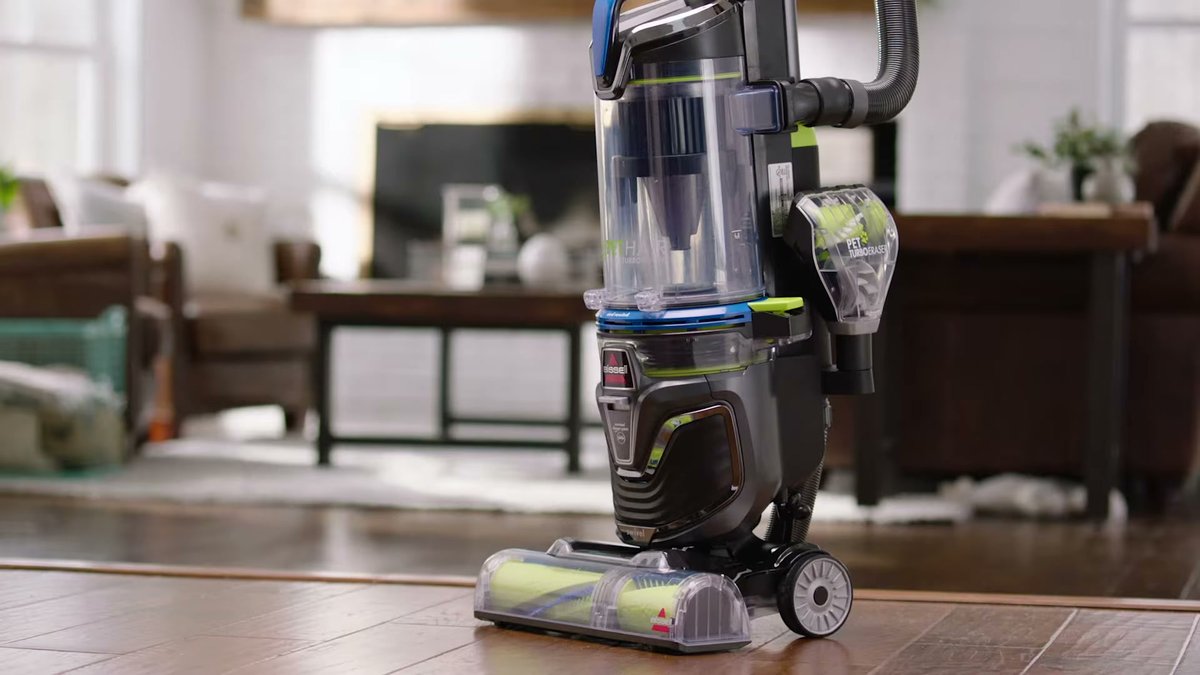
Best Vacuums for Cat Litter 2026
We compared the best vacuums for cat litter cleanup in 2026. Our picks handle tracked granules, dust, and odors while surviving the abuse of daily litter patrol.
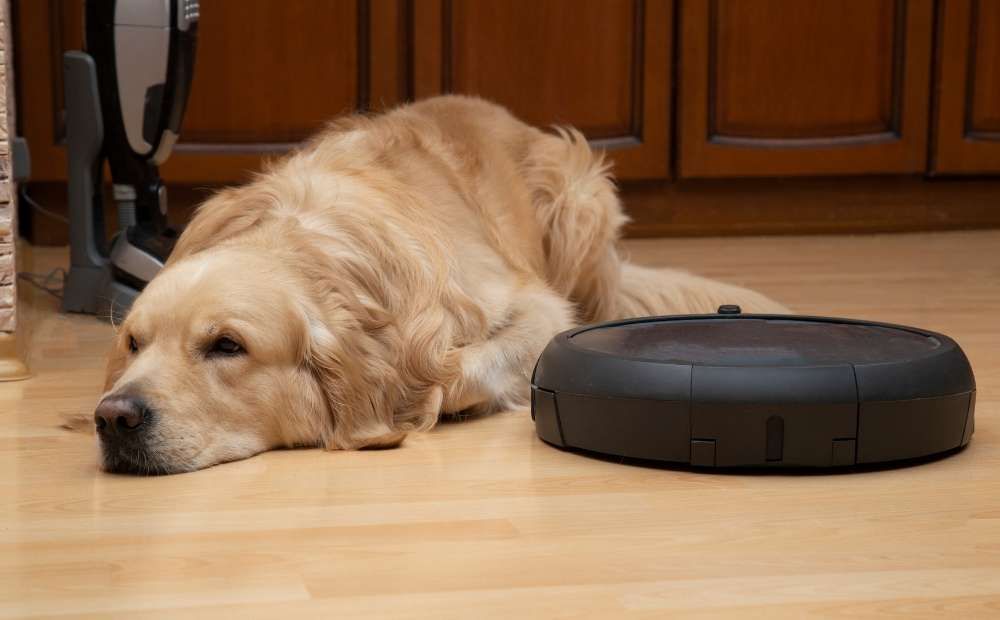
Best Robot Vacuums for Pet Hair in 2026 - 6 Top Picks
Best robot vacuums for pet hair in 2026. Top picks for homes with dogs and cats, featuring self-empty, anti-tangle brushes, and obstacle avoidance.
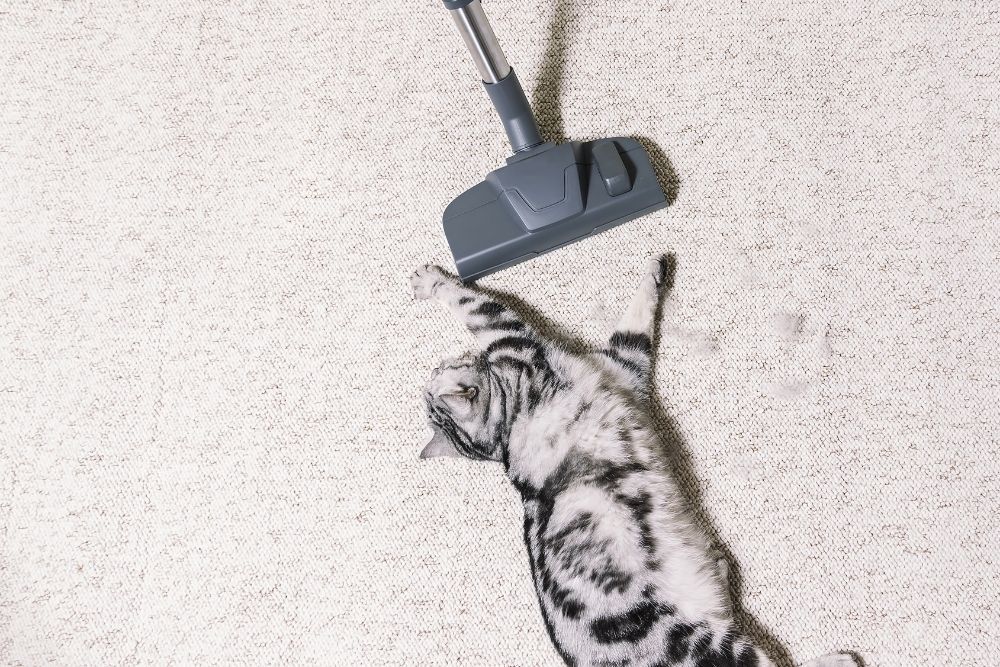
Best Bagged Vacuum Cleaners for Pet Hair in 2026 - 5 Top Picks
Discover the best bagged vacuum cleaners for pet hair in 2026. Our picks include Miele, Kenmore, and Riccar models with HEPA filtration and superior pet hair pickup.