
Affiliate Disclosure:Home Vacuum Zone is reader-supported. When you buy through links on our site, we may earn an affiliate commission at no additional cost to you. This does not influence our reviews or recommendations — we only recommend products we genuinely believe in.
Miele has built its reputation on “Immer Besser” (Forever Better), a commitment to quality that’s made it the gold standard in vacuum cleaners for over a century. But in an era of global manufacturing, where are these premium machines actually produced?
We’ll examine Miele’s manufacturing footprint in 2026, what “Made in Germany” really means for vacuum quality, and how Chinese production fits into their strategy.
Quick Answer: Where Miele Vacuums Are Made
| Product Category | Manufacturing Location | Key Components |
|---|---|---|
| Canister Vacuums | Bielefeld, Germany | Motors from Euskirchen, electronics from Romania |
| Cordless Stick Vacuums | Dongguan, China | Motors from Germany, assembly in China |
| Robot Vacuums | Dongguan, China | Chinese components with German design |
| Motors (All Types) | Euskirchen, Germany | 100% German-made |
Miele’s Manufacturing Facilities
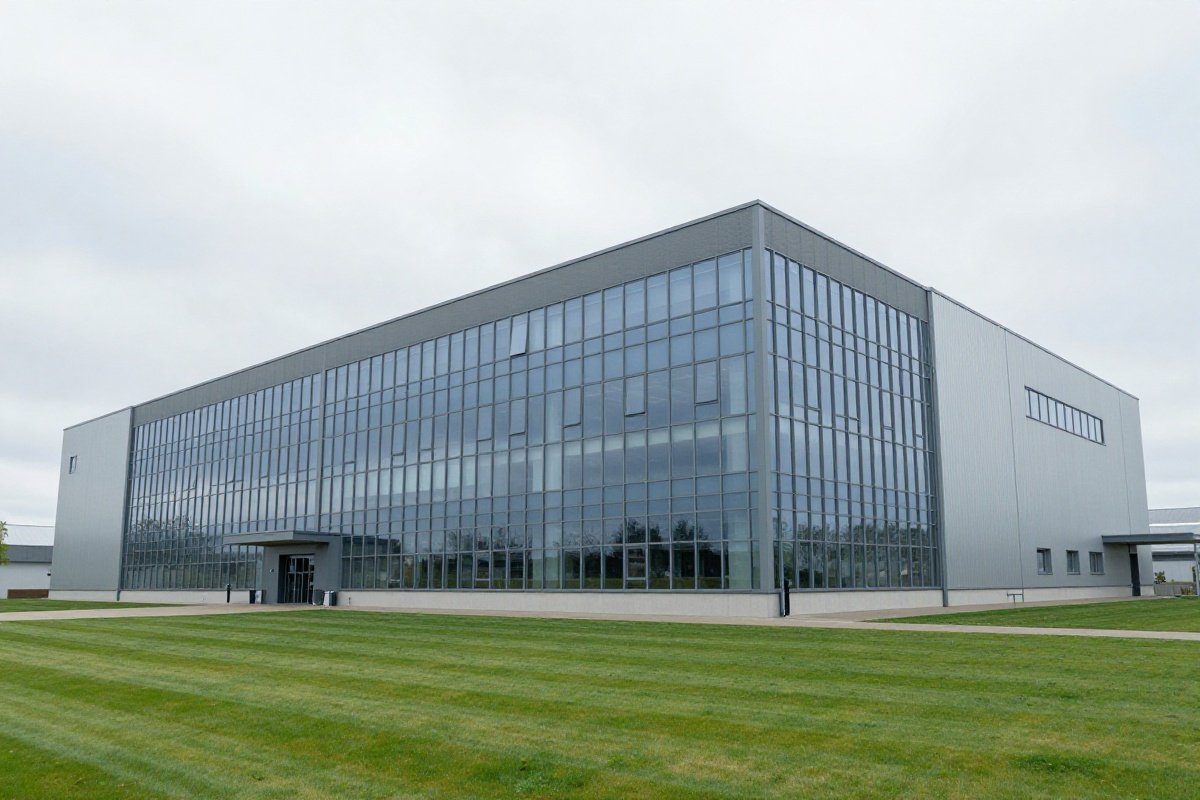
Bielefeld, Germany - The Main Plant
Location: Bielefeld, North Rhine-Westphalia, Germany
Established: 1907 (original Miele factory)
Employees: ~2,000
Production: ~2 million vacuum units annually
Products: Canister vacuums, traditional uprights, built-in systems
Bielefeld is Miele’s largest and most important manufacturing plant. Complete C3 series, Classic C1 series, and Blizzard CX1 bagless models all come off these lines.
What Makes It Special:
- German engineering standards: Every vacuum undergoes rigorous quality testing
- Metal construction: Many components use metal where competitors use plastic
- Motor integration: German-made Euskirchen motors are installed here
- Research proximity: Close to Miele’s R&D headquarters in Gütersloh
Over a century of manufacturing expertise lives in this factory. Unlike automated facilities that prioritize speed, Bielefeld combines modern automation with skilled craftsmanship. Each production line is staffed by technicians who’ve completed Miele’s 18-24 month training program covering quality standards, assembly techniques, and troubleshooting.
Vertical integration sets this facility apart. Where many vacuum manufacturers buy pre-assembled components and snap them together, Bielefeld manufactures proprietary parts in-house: specialized filtration housings, precision-machined metal telescoping wands, proprietary hose connectors. That’s a big part of why Miele vacuums last as long as they do.
Miele has also invested heavily in solar panels and energy recovery systems here, making it one of Europe’s most energy-efficient vacuum plants. About 40% of the facility’s energy comes from renewable sources as of 2026.
Dongguan, China - The Asian Hub
Location: Dongguan, Guangdong Province, China
Established: 1996
Employees: ~1,500
Production: ~600,000 units annually (as of 2026)
Products: Triflex cordless vacuums, Scout robot vacuums
Miele established their Chinese facility in 1996, not to reduce costs for existing products, but to enter new categories where German manufacturing economics didn’t work.
Strategic Rationale:
- Cordless market: Chinese manufacturing enables competitive pricing in the cordless stick vacuum market
- Robot vacuums: Most robot vacuum component suppliers are in China
- Asian market: Proximity to major Asian consumer markets
- Cost efficiency: Lower production costs for newer, more price-sensitive categories
Dongguan operates under strict Miele quality protocols that mirror German standards. Labour costs are significantly lower, but Miele hasn’t cut corners on quality control infrastructure. Same testing equipment as Bielefeld. Quality control supervisors train in Germany before overseeing Chinese production.
A key advantage of Dongguan: proximity to Southern China’s electronics supply chain. Battery manufacturers, circuit board suppliers, sensor technology companies are all within a few hours’ drive. This clustering lets Miele iterate quickly on cordless and robot vacuum designs, responding to market demands faster than German manufacturing would allow.
Dongguan also serves as Miele’s primary distribution centre for Asian markets. Products reach major cities in China, Japan, South Korea, and Southeast Asia within 2-3 days, compared to 4-6 weeks from Germany.
Euskirchen, Germany - Motor Manufacturing
Location: Euskirchen, Germany
Established: 1927
Specialization: Vacuum motors for all Miele products
Annual Production: ~4 million motors
Here’s Miele’s secret weapon. Whether your vacuum was assembled in Germany or China, the motor comes from Euskirchen.
Why It Matters:
- Consistent performance: Same motor quality regardless of assembly location
- 7-year warranty: Confidence in German motor engineering
- Power efficiency: Miele motors deliver 1200W+ suction with energy efficiency
Nearly a century of specialized motor engineering expertise lives in this plant. Miele designs and manufactures every motor in-house, refusing to outsource even as competitors increasingly rely on third-party suppliers. This means they can optimize motor design specifically for vacuum applications rather than adapting generic motors.
Production involves precision winding of copper wire, specialised balancing to reduce vibration and noise, and proprietary bearing systems that extend motor life. Every motor undergoes computerised testing simulating years of operation in compressed time. Potential failures get caught before anything leaves the factory.
Miele’s Vortex motor technology creates a powerful airflow pattern maximizing suction while minimizing energy consumption. It meets strict EU energy regulations while outperforming many competitors’ higher-wattage motors.
Euskirchen also produces motors for Miele dishwashers and washing machines, letting the company apply motor expertise across product lines and hit economies of scale that vacuum-only manufacturers can’t.
Brasov, Romania - Electronics Production
Location: Brasov, Romania
Established: 2009
Products: Electronic modules, circuit boards, control systems
Many electronic components for Miele vacuums are manufactured here, then shipped to both German and Chinese assembly plants.
Brasov represents Miele’s strategy of manufacturing in EU countries with lower labor costs while maintaining European quality standards. Romania was chosen for its skilled technical workforce (strong engineering education programs) and EU customs union membership, which simplifies logistics to Germany.
Electronic modules produced here include power control boards, user interface panels, sensor arrays for robot vacuums, and the increasingly complex electronics managing battery charging in cordless models. Clean-room manufacturing conditions and precision soldering, all to Miele’s exacting specs.
Brasov works closely with German engineering teams, often producing prototype electronics for testing before full production begins. Rapid iteration on new technologies, reasonable production costs.
German vs Chinese Production: What’s the Difference?
Manufacturing Philosophy
German Production (Bielefeld):
- Focus on longevity (15-20 year lifespan design)
- Metal components where possible
- Extensive hand-assembly and inspection
- Higher labor costs offset by premium pricing
- Traditional canister vacuum expertise
Chinese Production (Dongguan):
- Focus on modern categories (cordless, robots)
- Mixed material construction
- More automated assembly
- Competitive pricing for newer market segments
- Innovation in battery and electronic integration
These philosophical differences reflect broader market realities. German manufacturing excels where customers prioritize durability and will pay premium prices. Hand-assembling complex mechanisms with skilled technicians makes sense when the product commands a premium and customers expect decades of service.
Chinese manufacturing thrives where speed to market, component integration, and competitive pricing determine success. The cordless vacuum market is intensely competitive, dozens of brands fighting on features and price. Miele’s Chinese facility lets them compete while differentiating on German motor quality.
None of this means Chinese production is inferior. It’s optimized for different outcomes. Automated lines in Dongguan produce cordless vacuums faster and more consistently than hand assembly, and that matters when you’re up against brands like Dyson producing millions of cordless units annually.
Quality Control Comparison
| Aspect | German Production | Chinese Production |
|---|---|---|
| Testing per unit | 100% functional testing | 100% functional testing |
| Material inspection | German suppliers verified | Mixed German/Chinese suppliers |
| Final inspection | German engineers | Miele-trained Chinese technicians |
| Warranty | 5-7 years | 2-5 years (category dependent) |
| Design origin | Germany | Germany |
Key Point: Miele applies the same quality standards regardless of manufacturing location. The difference is in the product categories and material choices, not quality control.
Both facilities use similar testing protocols. Every vacuum undergoes suction testing, filtration testing for proper sealing, and endurance testing simulating months of use in accelerated timeframes. Testing equipment is often identical between facilities, purchased from the same German suppliers, calibrated to the same standards.
Where differences show up is supply chain. German facilities rely on European suppliers with decades-long Miele relationships who understand the exacting standards. Chinese facilities work with a mix of established suppliers and newer Asian vendors, requiring more hands-on supplier quality management.
Why the warranty difference? Canister vacuums with metal construction and proven German motors warrant longer guarantees. Cordless vacuums with lithium batteries and more electronic components face different failure modes, so warranty periods are more conservative and in line with industry norms for these product types.
What “Made in Germany” Means for Miele Quality
The German Engineering Advantage
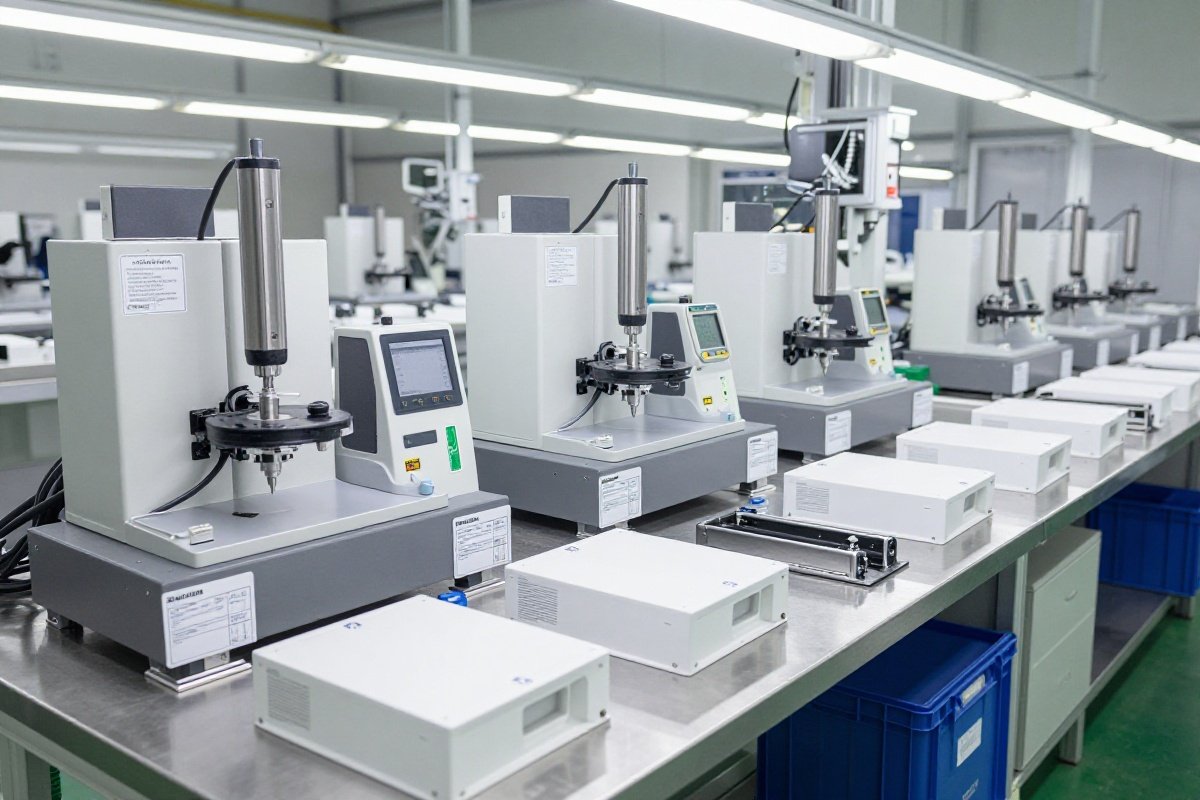
Miele’s German production offers several advantages that justify the premium:
1. Longevity Design
- Built for 15-20 year lifespan vs 3-5 for mass-market brands
- Replaceable parts available for decades
- Repair-friendly construction
German manufacturing prioritizes serviceability in ways that Chinese manufacturing typically doesn’t. When Bielefeld engineers design a canister vacuum, they consider how a repair technician will access internal components a decade later. Screws rather than glued joints, modular component design rather than integrated assemblies, and clear service documentation all contribute to exceptional longevity.
Repair-friendly philosophy extends to parts availability too. Miele maintains extensive parts inventories for products manufactured decades ago. You can still order replacement hoses, motors, and filtration components for Miele vacuums from the 1990s, something virtually impossible with mass-market brands that discontinue parts support within 5-7 years.
2. Material Quality
- Metal wands and components where others use plastic
- High-grade plastics selected for durability
- Rubber wheels and seals that don’t degrade
Material selection at the Bielefeld facility reflects a “total cost of ownership” mindset rather than minimizing manufacturing costs. Stainless steel telescoping wands cost significantly more than aluminum or plastic alternatives, but they don’t bend, dent, or wear out over decades of use. The upfront cost increase is minimal relative to the vacuum’s price, but the longevity benefit is substantial.
Even the plastics used in German-made Miele vacuums are specified for durability. ABS plastic housings are thicker than industry norms and reinforced in stress areas. The plastics are UV-stabilized to prevent yellowing and embrittlement over time, a concern for vacuums stored in garages or sunny locations.
Rubber components receive similar attention. Wheels on Miele canisters use high-grade rubber compounds that remain flexible and mark-free for years, unlike cheaper rubber that hardens and can scratch hardwood floors. Gaskets and seals are designed to maintain their shape and sealing properties across thousands of compression cycles.
3. Suction Performance
- Vortex motor technology developed in Germany
- Consistent suction across bag fill levels
- Optimized airflow design
Because Miele controls both motor manufacturing and vacuum design, they can optimise the entire airflow path from intake nozzle through filtration to motor exhaust. Few competitors can match that level of integration.
Where it really shows: suction consistency. Many vacuum cleaners lose power dramatically as bags or bins fill with debris. Miele’s engineers designed airflow paths that minimise this effect, maintaining strong suction even when bags are 80-90% full. Careful attention to air turbulence, filtration positioning, and motor characteristics makes that possible.
4. Filtration Excellence
- AirClean filtration system (99.999% particle capture)
- Sealed systems prevent leakage
- HEPA filters standard on premium models
German manufacturing allows Miele to implement sophisticated multi-stage filtration that requires precision assembly. The AirClean filtration system involves precise alignment of filter stages, sealed connections between components, and careful quality control to ensure no air bypasses the filtration media.
Sealed system construction is particularly challenging to execute properly. Every connection point must seal completely to prevent unfiltered air from escaping: hose to vacuum body, filter housing to motor compartment, exhaust vent to exterior. German manufacturing tolerances and quality control ensure these seals function as designed, something that’s difficult to achieve consistently in higher-volume, lower-cost manufacturing.
HEPA filtration, standard on Miele’s Complete C3 series, captures 99.97% of particles down to 0.3 microns. This includes most allergens, dust mite debris, pollen, and fine dust particles. The German manufacturing process includes testing each vacuum’s sealed system to verify it meets HEPA standards, not just installing a HEPA-rated filter but confirming the entire system performs as designed.
The China Production Reality
Miele’s Chinese-made products (Triflex, Scout) still benefit from German engineering:
What’s German:
- Motor design (Euskirchen motors)
- Overall product design
- Quality control standards
- Software and app development
What’s Chinese:
- Final assembly
- Battery pack production
- Some plastic components
- Circuit board manufacturing (some)
The Result: Chinese-made Miele products cost less than German-made equivalents but still outperform many competitors due to German motor technology and design standards.
That hybrid approach gives Miele’s Chinese-manufactured products a unique market position. They’re not simply budget alternatives to German-made models but products optimised for different use cases, drawing on Chinese manufacturing strengths while keeping Miele’s core technological advantages intact.
Battery pack production in China makes particular sense given the concentration of lithium-ion battery expertise in Asia. That same region producing batteries for electric vehicles and consumer electronics can apply the expertise to Miele’s cordless vacuums, often at quality levels and costs German production couldn’t match.
Software development, interestingly, remains in Germany even for Chinese-manufactured robot vacuums. Navigation algorithms, obstacle avoidance, and cleaning pattern logic are all developed by German engineers who understand Miele’s quality expectations. It’s then integrated with Chinese-manufactured hardware at the Dongguan facility.
Current Miele Product Lines by Manufacturing Location
Made in Germany (Bielefeld)
Complete C3 Series
- C3 Calima, C3 Kona, C3 Marin, C3 Brilliant
- Premium canister vacuums with HEPA filtration
- Best for: Allergy sufferers, large homes, premium buyers
Miele’s flagship canister line, the Complete C3 showcases everything German manufacturing does well. Our Miele C1 vs C2 vs C3 comparison breaks down the differences between all three tiers. These models pack the most powerful German motors, the most comprehensive filtration systems, and the highest-quality materials. Price differences reflect included accessories and powerhead options rather than compromises in core vacuum quality.
Models like the Complete C3 Calima serve as the entry point to German-made Miele quality, offering the same motor, filtration, and construction as higher-priced variants but with a more basic floorhead and fewer included accessories. This makes German engineering accessible to buyers who want Miele durability without paying for specialized tools they may not need.
Higher-end Complete C3 variants add electrobrush powerheads for carpet deep cleaning, specialized tools for pet hair removal, and premium accessories like flexible crevice tools and upholstery brushes. The C3 Brilliant, at the top of the range, includes nearly every tool Miele produces and represents the most comprehensive cleaning system the company offers.
Classic C1 Series
- C1 Pure Suction, C1 Turbo Team
- Entry-level German-made canisters
- Best for: First-time Miele buyers, smaller homes
German manufacturing doesn’t always mean premium pricing, and the Classic C1 series proves it. These models use the same German motors as more expensive lines, the same durable construction, the same repair-friendly design philosophy. Savings come from simpler controls, slightly smaller motors, and fewer included accessories rather than compromised build quality.
For buyers with primarily hard floors or low-pile carpets, the C1 Pure Suction offers German engineering at its most affordable. It lacks a powered carpet head but includes quality attachments for hard surfaces and above-floor cleaning. This makes it ideal for apartment dwellers, seniors downsizing to smaller homes, or anyone whose cleaning needs don’t justify a Complete C3’s capabilities.
Want carpet capability without an electric powerhead? The C1 Turbo Team adds a turbine-powered carpet head that uses airflow rather than electricity to spin the brush roll — effective carpet cleaning without the complexity and cost of electric powerheads, hitting a sweet spot for buyers with moderate carpet coverage who want German quality without Complete C3 pricing.
Blizzard CX1 Series
- Bagless canister vacuums
- Vortex technology without bags
- Best for: Those wanting bagless Miele quality
Miele’s response to the bagless vacuum trend, the Blizzard CX1 maintains German manufacturing standards without compromise. Cyclonic separation technology combined with German motors delivers strong suction without bags. And the sophisticated multi-cyclone system separates fine particles more effectively than single-cyclone competitors.
Bagless technology required Miele’s German engineers to solve challenges that don’t exist in bagged models. The dust bin must empty cleanly without creating dust clouds, filters must remain cleanable rather than disposable, and the motor must resist damage from fine dust particles that in bagged systems would be captured before reaching the motor.
German manufacturing at Bielefeld means these challenges are addressed through quality engineering rather than compromises. The bin emptying system is designed to contain dust, the lifetime filters are genuinely washable and maintain performance over years, and the motor incorporates additional protection against fine particle infiltration.
Made in China (Dongguan)
Triflex HX2 Series
- HX2, HX2 Pro, HX2 Cat & Dog
- Cordless stick vacuums with 3-in-1 design
- Best for: Cordless convenience with Miele quality
Miele’s Triflex line demonstrates how Chinese manufacturing serves product categories where speed to market and competitive pricing matter most. Cordless stick vacuums are among the fastest-growing vacuum categories, dominated by brands like Dyson and Shark that iterate quickly on features and design.
Chinese manufacturing allows Miele to compete in this space while still differentiating on motor quality. The Euskirchen-designed motors in Triflex models deliver suction comparable to corded vacuums, a significant advantage over many cordless competitors that sacrifice power for battery life.
That 3-in-1 design (stick vacuum, handheld, or motor-at-the-bottom configuration) required extensive engineering but is straightforward to manufacture in China’s flexible production environment. More plastic components than German-made canisters, sure, but the plastics are engineered for the stresses of daily reconfiguration.
Battery technology in the Triflex benefits from China’s lithium-ion expertise. The removable battery packs use high-quality cells and sophisticated battery management systems that maximize runtime while protecting against overcharging and deep discharge that degrades battery life. Some Triflex models support a second battery for extended runtime, a feature particularly valued by users with larger homes.
Scout RX3 Series
- Scout RX3, RX3 Home Vision
- Robot vacuums with 3D navigation
- Best for: Automated cleaning with Miele reliability
Robot vacuum manufacturing is overwhelmingly concentrated in China, where the component supply chain for sensors, motors, wheels, and electronics is most developed. Miele’s decision to manufacture Scout models in Dongguan reflects this reality - attempting to manufacture robot vacuums in Germany would mean shipping components from Asia to Europe for assembly, then shipping finished products back to global markets.
For 3D navigation, the Scout RX3 uses multiple sensors to map rooms and avoid obstacles. LIDAR, gyroscopes, infrared sensors, and camera systems are all manufactured by specialised suppliers in China and integrated at Dongguan. Software that interprets sensor data and controls navigation? Developed in Germany, then loaded during Chinese final assembly.
Build quality on Scout robots reflects Miele standards even though manufacturing occurs in China. The chassis construction is more robust than typical robot vacuums, with reinforced bumpers and higher ground clearance for traversing thresholds and carpet edges. The brush system uses German-designed components that resist hair tangling better than many competitors.
With the Home Vision variant, a built-in camera lets users remotely view their home through the robot vacuum. Adding this feature meant Miele had to develop secure communication protocols and data handling procedures that protect user privacy. German engineers did the work; Chinese-manufactured hardware runs it.
How Miele Compares to Other Premium Brands
Manufacturing Location Comparison
| Brand | Primary Manufacturing | Motors | Assembly Quality |
|---|---|---|---|
| Miele | Germany (canisters), China (cordless) | Germany | Excellent |
| SEBO | Germany | Germany | Excellent |
| Dyson | Malaysia, Philippines | Malaysia | Very Good |
| Shark | China | China | Good |
| Riccar | USA (assembly) | China | Very Good |
A revealing look at how premium vacuum brands approach manufacturing differently. SEBO maintains the most traditional approach - everything manufactured in Germany with German motors. For a detailed SEBO vs Miele comparison, see our dedicated head-to-head. This supports their positioning as the premium choice for commercial and allergy applications but limits their ability to compete on price or in categories like cordless vacuums.
Dyson represents a different strategy: design in the UK, manufacture entirely in Asia. For more on their production, see where Dyson vacuums are made. Their Malaysian and Philippine facilities produce motors and vacuums to high standards, but they don’t claim German engineering heritage. Instead, Dyson competes on innovation and industrial design, releasing new models with novel features at a pace that German manufacturing typically can’t match.
Shark leverages Chinese manufacturing to compete primarily on value and features. Their Chinese-made motors and assembly can’t match Miele longevity, but they offer innovative features at price points that make them accessible to mainstream buyers. Shark vacuums typically cost a fraction of what Miele charges, making them accessible to mainstream buyers.
Riccar occupies an interesting middle ground, assembling vacuums in the USA using a mix of American and imported components. This allows them to market as “Made in USA” while keeping costs below Miele’s German-made models. Their motors come from China, but final assembly occurs in Missouri with American labor. See our Riccar vacuum reviews for a closer look at what that domestic manufacturing delivers.
The Price Factor
Miele’s German production contributes to higher prices:
| Cost Factor | Miele (German-made) | Competitor (Asian-made) |
|---|---|---|
| Labor costs | High (German wages) | Low (Asian wages) |
| Material quality | Premium metals/plastics | Standard plastics |
| Testing/inspection | Extensive | Standard |
| Resulting price | Premium | Budget to mid-range |
Labour costs are the most obvious factor driving Miele’s premium pricing. German manufacturing wages are among the world’s highest, particularly for skilled technical positions like those at the Bielefeld facility. A technician assembling Miele vacuums earns 5-10 times what a similar worker in China makes.
However, labor costs alone don’t explain the price gap. Material quality choices add substantially to costs. The stainless steel, high-grade plastics, and precision rubber components Miele specifies cost more than commodity alternatives. These materials often must be sourced from specific European suppliers who meet Miele’s quality standards, adding both material costs and logistics expenses.
Testing and inspection represent another cost layer rarely visible to consumers. Miele’s extensive testing - every vacuum undergoes multiple test protocols before shipping - requires expensive equipment, skilled technicians to interpret results, and time that slows production throughput. Competitors often use statistical sampling, testing a percentage of production rather than every unit, reducing costs but increasing the risk of defects reaching customers.
All of this positions Miele at the top of the market. Their German-made canisters compete with other premium brands and justify prices through superior longevity and performance. Chinese-made Miele models price lower, competing with premium cordless brands while offering German motor technology as a differentiator.
Is It Worth Paying for German-Made?
When German-Made Matters Most
Buy German-Made (Canisters) If:
- You want 15-20 year lifespan
- Allergies are a major concern
- You prefer bagged systems
- You value repairability
- Budget allows for premium
Chinese-Made Is Fine If:
- You want cordless convenience
- Robot vacuum automation
- You prioritize modern features over longevity
- You want Miele quality at lower price points
Choosing between German and Chinese-made Miele products often comes down to use case and priorities. German-made canisters excel in situations where durability and filtration matter most. Homeowners planning to stay in their homes for decades, families with severe allergies, and users who vacuum extensively benefit most from German engineering and construction.
For allergy sufferers in particular, German-made Miele’s sealed systems and HEPA filtration represent gold-standard performance. The Complete C3 series captures virtually all allergens and exhausts cleaner air than most homes’ ambient air. This level of filtration requires precision manufacturing and quality control best achieved in Miele’s German facilities.
Chinese-made Miele products serve different needs. Cordless convenience matters more than ultimate longevity for many users, particularly those in apartments, small homes, or who prefer quick clean-ups to thorough weekly vacuuming. The Triflex line delivers Miele motor performance in a cordless format that competes effectively with Dyson and other cordless leaders.
Robot vacuums represent another category where Chinese manufacturing makes sense. Most users view robots as supplemental cleaning tools rather than primary vacuums, running them daily for maintenance cleaning between manual vacuuming sessions. In this role, the Scout RX3’s Chinese manufacturing doesn’t detract from its value proposition - reliable daily cleaning with better build quality than most robot vacuum competitors.
Long-Term Value Calculation
| Vacuum Type | Value Tier | Expected Lifespan | Annual Cost Efficiency |
|---|---|---|---|
| Miele C3 (Germany) | Premium | 15 years | Excellent (lowest per-year) |
| Dyson V15 (Malaysia) | Premium | 5 years | Moderate (higher per-year) |
| Shark Stratos (China) | Mid-Range | 5 years | Good |
| Generic Brand (China) | Budget | 3 years | Moderate |
Bottom Line: German-made Miele vacuums offer comparable annual cost to cheap vacuums but with superior performance and longevity.
Here’s the counterintuitive truth from cost-per-year analysis: premium German-made Miele vacuums can cost less over time than cheaper alternatives. A premium Miele Complete C3 that lasts 15-20 years has one of the lowest annual costs of any vacuum. A mid-range Shark that needs replacement every 5 years costs significantly more per year despite the lower purchase price.
Factor in performance consistency and it looks even better. Miele vacuums maintain strong suction and filtration throughout their lifespan, while cheaper vacuums often degrade noticeably after 2-3 years. Users may tolerate reduced performance rather than replacing a vacuum that still “works,” but they’re vacuuming with diminished effectiveness.
Repair costs also factor into long-term value. Miele’s repair-friendly design and extensive parts availability mean most issues can be fixed economically. A new motor, hose, or powerhead is a fraction of the original purchase price and can extend a Miele’s life by another 5-10 years. Cheaper vacuums often aren’t worth repairing - replacement parts cost almost as much as a new vacuum, and the manufacturer may have discontinued parts support.
Environmental considerations add another dimension to the value calculation. A single Miele vacuum lasting 15-20 years generates far less waste than 3-5 cheaper vacuums replaced over the same period. For environmentally conscious consumers, the longevity of German engineering aligns with sustainability values.
The Future of Miele Manufacturing
Trends in 2026
- Increasing Chinese production for cordless and robot categories
- German focus shifting to premium canisters and built-in systems
- Romanian expansion for electronic components
- Sustainability initiatives including carbon-neutral production targets
Miele’s manufacturing strategy continues evolving to balance traditional strengths with market realities. The trend toward Chinese production for cordless and robot vacuums will likely accelerate as these categories grow faster than traditional canisters. Miele recognizes that competing effectively in modern vacuum categories requires manufacturing flexibility and cost structures that Chinese facilities provide.
German facilities, rather than shrinking, are focusing on what they do best: premium canisters, built-in vacuum systems, and high-end commercial vacuums. These products justify German labor costs through superior longevity and performance, serving customers who prioritize these attributes. Bielefeld is also expanding capacity for built-in vacuum systems as luxury home construction increasingly includes central vacuum infrastructure.
Romanian expansion reflects Miele’s broader European manufacturing strategy. As electronics become increasingly sophisticated in all vacuum types - from app connectivity to smart sensors - having a European electronics manufacturing base within the EU customs union provides flexibility and quality control. The Brasov facility is likely to take on more advanced electronics production currently done in Asia.
Sustainability represents a growing focus across all Miele manufacturing. The company has announced targets for carbon-neutral production by 2030, requiring significant investment in renewable energy, energy efficiency, and sustainable materials. German facilities are furthest along this path, with substantial solar installations and energy recovery systems already operational.
What Stays in Germany
Miele has committed to keeping these in Germany:
- Canister vacuum assembly
- Motor manufacturing (Euskirchen)
- Research and development
- Quality control standards
- Corporate headquarters
These commitments reflect both Miele’s identity as a German company and pragmatic business considerations. Motor manufacturing stays in Germany because it represents core intellectual property and technological advantages that competitors would love to replicate. Keeping motor production in-house and in Germany protects these advantages.
Research and development remains in Germany for similar reasons - proximity to manufacturing allows rapid prototyping and iteration, while Germany’s strong engineering education system provides talent for developing next-generation vacuum technologies. The Gütersloh R&D facility works closely with both the Bielefeld manufacturing plant and German universities on advanced filtration, motor efficiency, and material science.
Canister vacuum assembly staying in Germany acknowledges that this is where Miele’s reputation was built and where they maintain the clearest competitive advantages. German manufacturing adds tangible value to canister vacuums through superior longevity and filtration, value that customers recognize and pay premium prices to obtain.
Quality control standards remaining under German oversight ensures consistency across all manufacturing locations. Chinese-made Miele products undergo quality testing designed by German engineers using equipment specified by German quality managers. This approach maintains brand consistency even as manufacturing spreads globally.
Further Reading
- Miele vs Dyson: The Ultimate Premium Vacuum Showdown
- Kenmore vs Miele Vacuum (2026): Complete Brand Comparison Guide
- LG CordZero Handstick Vacuums: Complete 2026 Review & Buyer”s Guide
- Quiet Vacuum Cleaner Reviews: Best Low-Noise Vacuums for 2026
- Best Car Vacuums 2026: Cordless, Handheld & Wet/Dry Options
Understanding Component Sourcing
The Global Supply Chain
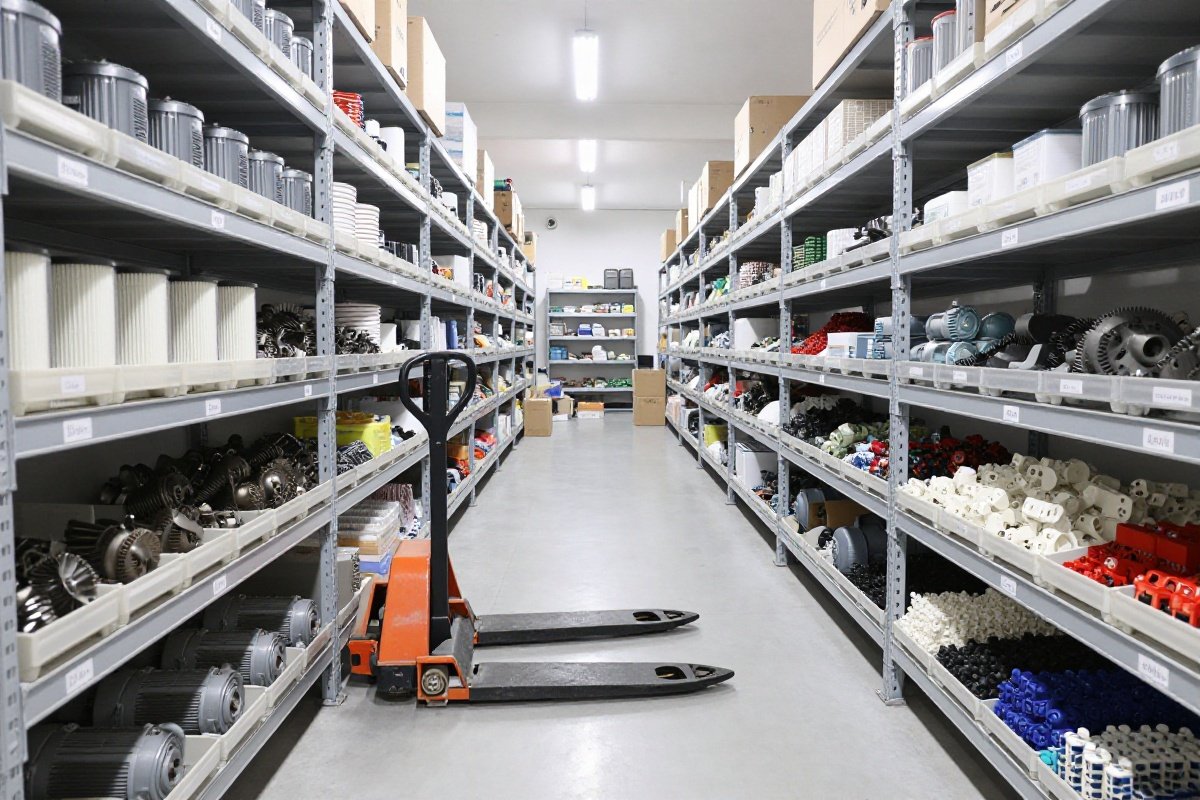
Even German-made Miele vacuums rely on a global supply chain:
German Components:
- Motors (Euskirchen)
- Metal telescoping wands (German suppliers)
- High-grade plastic housings (European suppliers)
European Components:
- Electronics (Romania)
- Rubber wheels and seals (various EU suppliers)
- Vacuum bags and filters (Germany)
Asian Components:
- Some electronic sensors
- Certain plastic components
- Packaging materials
This global sourcing strategy reflects modern manufacturing realities. No vacuum manufacturer, regardless of where final assembly occurs, produces every component in-house. The key differentiator is how carefully sourcing is managed and how much value is added during final assembly.
Miele maintains stringent supplier qualification processes. New suppliers undergo audits of their quality management systems, production capabilities, and material certifications. Established suppliers receive regular re-qualification audits to ensure continued compliance with Miele standards.
For critical components like motors, Miele’s decision to manufacture in-house represents an acknowledgment that these are too important to outsource. Motors determine suction performance, noise levels, energy efficiency, and reliability - core attributes that define Miele quality. Maintaining complete control over motor production allows Miele to continuously improve these attributes without relying on third-party innovation.
Filters and vacuum bags represent another category where Miele maintains direct control. These consumables directly impact filtration performance and user experience, so Miele manufactures them to exact specifications rather than licensing production to third parties. This ensures consistent quality and allows Miele to capture ongoing revenue from consumable sales.
Material Traceability
German manufacturing provides superior material traceability:
- Lot tracking: Every batch of materials traced through production
- Quality documentation: Material certifications maintained for years
- Recall capability: Ability to identify affected units if material issues emerge
- Supplier audits: Regular verification of supplier quality management
This traceability matters most when problems occur. If a batch of rubber seals proves defective, Miele can quickly identify which vacuums used those seals and proactively contact customers or dealers. This level of tracking requires sophisticated systems and disciplined processes more common in German manufacturing than in cost-focused Asian production.
The documentation burden of full traceability is substantial. Each component must be logged, each assembly step recorded, each quality
Recommended Products
Miele Complete C3 Calima Canister Vacuum
Best entry MieleBest entry-level Miele with German engineering.
What We Like
- CRI Gold certified for effective carpet cleaning
- Premium HEPA filtration captures 99.95% of particles
- Quiet operation at 64dB
- Excellent for high-pile carpet and hardwood floors
What We Don't
- Premium price point
- Requires bag replacements (ongoing cost)
- No motorized brush roll included with base model
Miele Triflex HX2 Pro
Best Miele cordlessBest Miele cordless with versatile design.
What We Like
- Versatile 3-in-1 design for multiple cleaning modes
- AirClean filtration captures fine dust particles
- 60-minute runtime on lowest setting
- Premium Miele build quality and reliability
What We Don't
- AirClean filtration not certified HEPA standard
- Premium pricing for a cordless stick vacuum
- Heavy at 3.2 kg for extended handheld use
Miele Scout RX3 Home Vision
Best Miele robotThe Miele Scout RX3 uses 3D dual-camera navigation for precise room mapping with a slim 8.5 cm profile that fits under most furniture. Best for Miele loyalists who want reliable robot vacuum navigation and app scheduling without switching away from the brand ecosystem.
What We Like
- 3D smart navigation with dual cameras for mapping
- 120-minute runtime on standard mode
- App control with scheduling and monitoring
- Slim profile fits under furniture
What We Don't
- Premium price compared to competitors
- Limited availability in some markets
- No self-emptying dock option
- Suction power lower than premium competitors
Miele Complete C3 Marin Canister Vacuum
Quiet operation seekers, luxury buyers, thorough filtration needsThe Miele Complete C3 Marin is a top-tier canister vacuum with outstanding suction, whisper-quiet operation, and hospital-grade HEPA filtration. Ideal for allergy sufferers and large homes with mixed flooring who want a vacuum that will last 15-20 years.
What We Like
- 1200W Vortex motor with 6 speed settings for optimal suction control across surfaces
- AirClean Sealed System with HEPA filter traps 99.95% of particles down to 0.1 microns
- Exceptionally quiet operation at 64 dB - among the quietest canister vacuums available
- 36-foot operating radius covers large rooms without unplugging
What We Don't
- Requires bags which add ongoing maintenance cost (~$5 per bag)
- Premium pricing at top of market segment
- No motorized brush roll included - must purchase SEB 228 or SEB 236 separately
Miele Classic C1 Pure Suction
Best gentle suctionThe Miele Classic C1 Pure Suction uses a smooth floor nozzle without a rotating brush, making it ideal for hardwood, tile, and delicate rugs that powered brushes can damage. Best for homes with primarily hard flooring who want Miele build quality, 6-speed suction control, and 72 dB quiet operation.
What We Like
- Pure suction design ideal for hardwood and smooth floors
- No rotating brush to damage delicate surfaces
- Quiet operation at 72 dB
- 6-speed suction control for versatile cleaning
What We Don't
- Not suitable for deep carpet cleaning without powered brush
- Requires ongoing bag purchases
- Heavier than modern bagless alternatives
Miele Compact C1 Turbo Team
Allergy sufferers and those wanting premium build qualityThe Miele Compact C1 brings premium canister performance to small spaces. It's remarkably quiet for apartments with thin walls, and the compact design doesn't sacrifice the legendary Miele suction power.
What We Like
- Exceptional suction power in compact form factor
- AirClean sealed filtration captures 99.9% of fine dust
- Quiet 71 dB operation
- Includes air-driven turbo brush for carpet cleaning
- 7-year motor warranty demonstrates durability
What We Don't
- Premium pricing compared to bagless competitors
- Ongoing cost of replacement bags and filters
- 18 ft cord limits mobility compared to cordless models
- Heavier than modern stick vacuums at 10.5 lbs
Miele Triflex HX1 Cat & Dog
Best Premium OptionThe Miele Triflex HX1 Cat & Dog is a premium cordless stick vacuum with German engineering, outstanding filtration, and a versatile 3-in-1 design. While pricey, its build quality and HEPA AirClean filter justify the investment for allergy sufferers and pet owners.
What We Like
- German engineering with HEPA AirClean filter for superior filtration
- 3-in-1 design converts between stick, handheld, and compact modes
- Electrobrush with automatic floor detection
- Up to 60-minute runtime with removable battery
What We Don't
- Premium price point significantly higher than competitors
- Replacement parts and accessories are expensive
- Heavier than many cordless competitors at 3 kg
- 4-hour charge time is longer than most cordless rivals
Sources & Research
- Amazon Product Page
- Miele Official Product Page
- Miele Official Product Page
- Amazon Product Page
- Miele Triflex Series
- Miele Cordless Vacuums
- Amazon Product Page
- Miele Robot Vacuums
- Miele Robot Vacuums
- Amazon Product Page
- Miele Official Product Page
- Miele Official Product Page
- Amazon Product Page
- Miele Official Product Page
- Miele Official Product Page
- Amazon Product Page
- Miele Official Product Page
- Miele Official Product Page
- Amazon Product Page
Continue Reading
Explore more reviews content or browse our other categories.
Frequently Asked Questions
- Are all Miele vacuums made in Germany?
- No, not all Miele vacuums are made in Germany. While Miele's canister vacuums and premium uprights are manufactured in Bielefeld, Germany, their cordless stick vacuums (Triflex series) and robot vacuums (Scout series) are produced in China at their Dongguan facility. This is due to the different manufacturing requirements and component sourcing for these product categories. German production focuses on the traditional canister vacuums that built Miele's reputation, while Chinese production handles newer cordless and robotic categories where Miele entered the market later and needed cost-effective manufacturing.
- Which Miele vacuums are made in China?
- Miele's cordless stick vacuums (Triflex HX1, HX2 series) and robot vacuums (Scout RX series) are manufactured in China at the Dongguan facility. As of 2026, this includes: Triflex HX1, Triflex HX2, Triflex HX2 Pro, Triflex HX2 Cat & Dog, Scout RX2, Scout RX3, and Scout RX3 Home Vision. These products are designed in Germany but assembled in China using a mix of German and Chinese components. The motors still come from Miele's Euskirchen, Germany plant, while electronic modules and some plastic components are sourced from China and Romania.
- Is Miele still a German company?
- Yes, Miele remains a German family-owned company headquartered in Gütersloh, Germany. Founded in 1899 by Carl Miele and Reinhard Zinkann, the company is still privately held by the Miele and Zinkann families. While they expanded manufacturing to China in 1996 and have facilities in several countries, the company maintains its German identity, engineering standards, and quality control. The Miele family still controls the company through their ownership structure, and key strategic decisions are made in Germany.
- Why are Miele vacuums so expensive?
- Miele vacuums command premium prices ($500-$1,500+) due to several factors: (1) German engineering and manufacturing for canister models, with higher labor costs than Asian production; (2) Premium materials including metal components where competitors use plastic; (3) Rigorous quality control and testing - each vacuum undergoes extensive testing before shipping; (4) Long lifespan design - Miele vacuums are built to last 15-20 years; (5) High-performance motors manufactured in Germany with 7-year warranties; (6) Advanced filtration systems including HEPA AirClean filters; (7) Research and development investment in suction technology and air filtration. While expensive upfront, the cost-per-year is often lower than cheaper vacuums that need replacement every 3-5 years.
- How does Miele compare to other German vacuum brands?
- Miele is the largest and most well-known German vacuum brand, competing primarily with SEBO (another German manufacturer). Miele focuses on canister vacuums with bagged systems and premium filtration, while SEBO specializes in upright vacuums with hospital-grade filtration. Both emphasize German engineering and longevity. Miele offers broader product range including cordless and robot vacuums (made in China), while SEBO focuses on traditional upright and canister models (mostly made in Germany). Miele has stronger brand recognition globally and more extensive distribution, while SEBO is often preferred by allergy sufferers for its S-Class filtration. Both are significantly more expensive than mass-market brands like Dyson or Shark.
Written By
Home Vacuum Zone
Our team researches, tests, and reviews vacuum cleaners to help you make confident buying decisions.
Related Articles
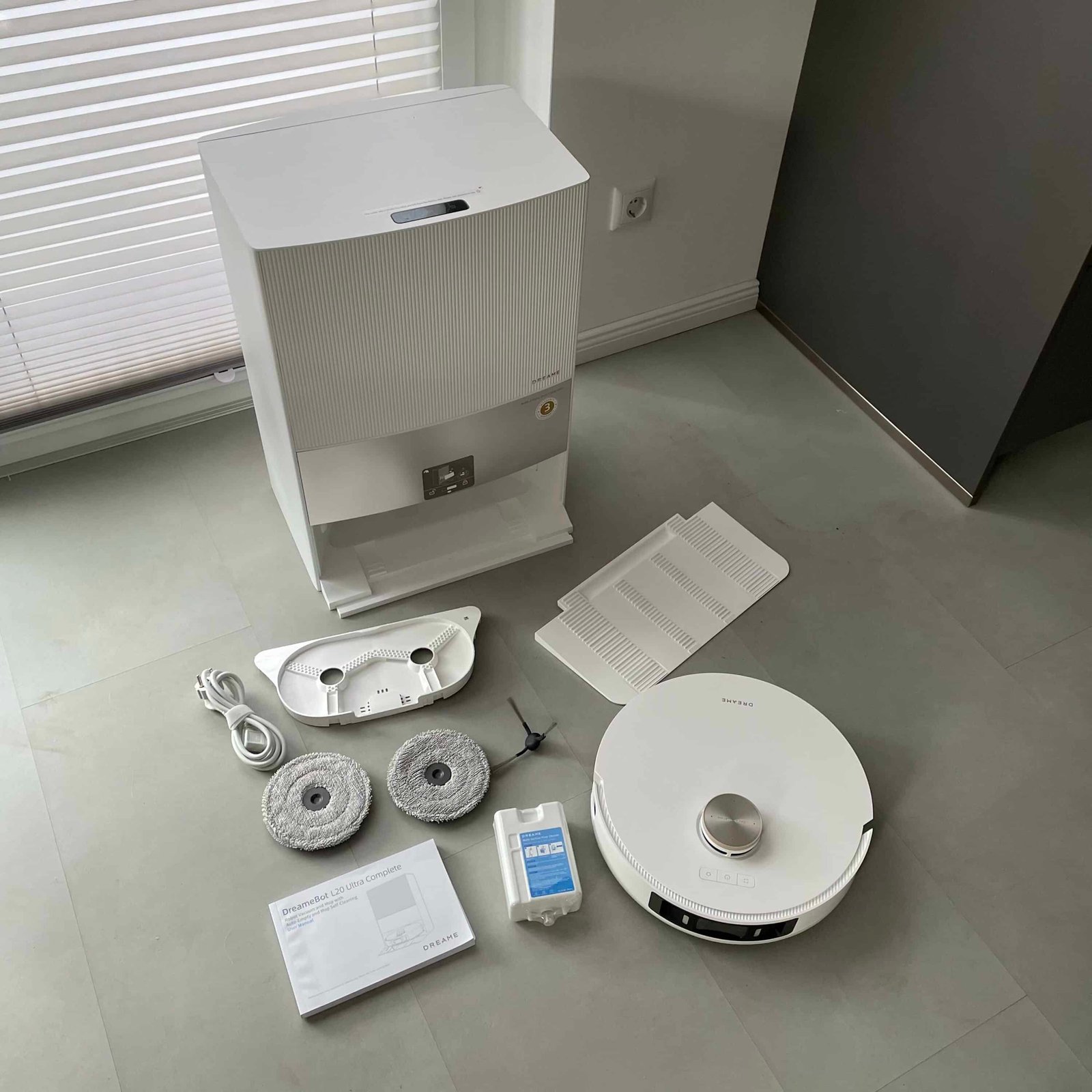
Dreame L20 Ultra Review: Budget Premium Robot Vacuum
We tested the Dreame L20 Ultra robot vacuum with 7000Pa suction and MopExtend edge cleaning. Read our review of performance, mopping, and value.
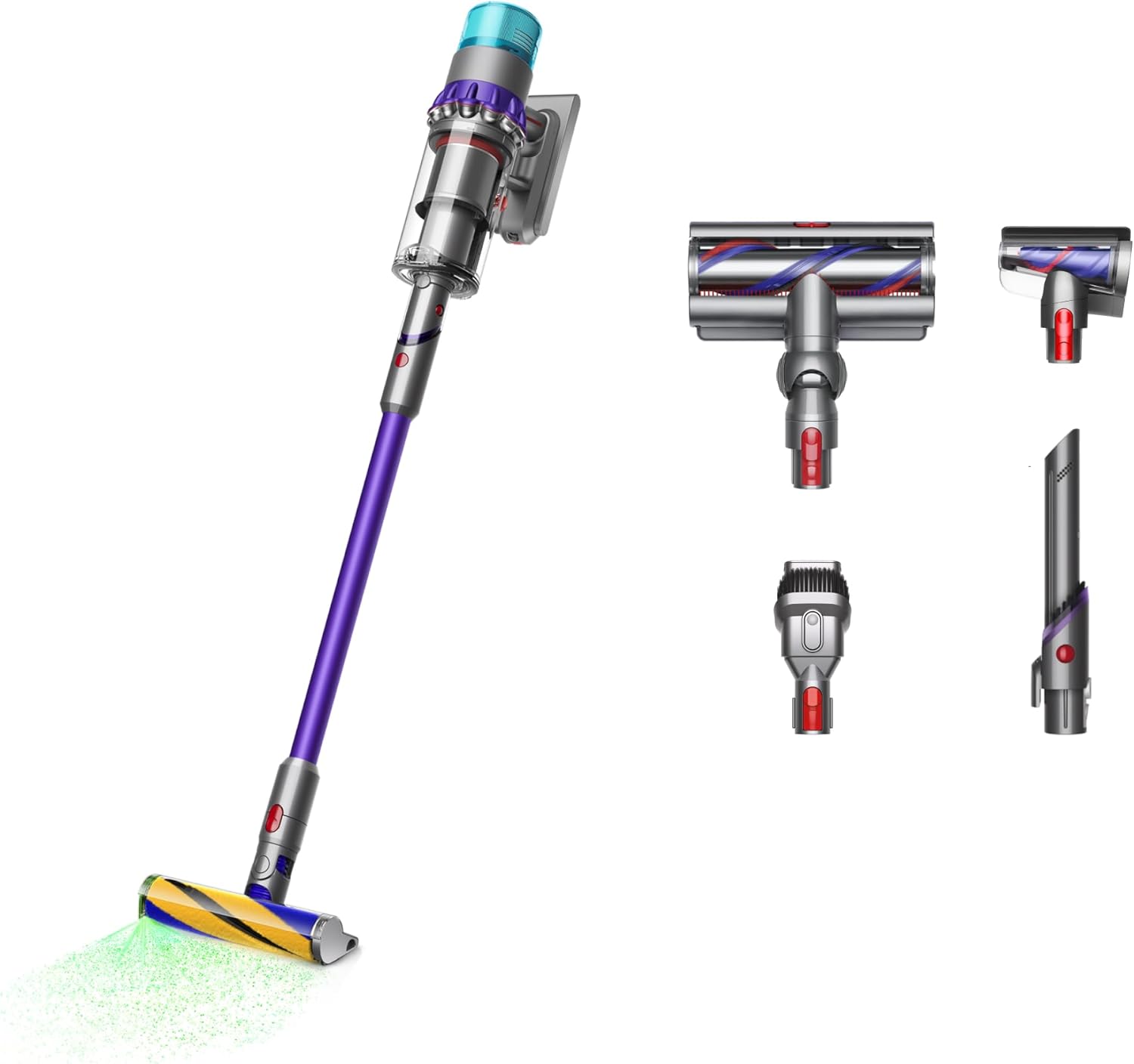
Dyson Gen5detect Review: Is It Worth the Upgrade?
We tested the Dyson Gen5detect with 262 AW suction and 70-minute runtime. Read our in-depth review covering performance, features, and whether it justifies the upgrade.
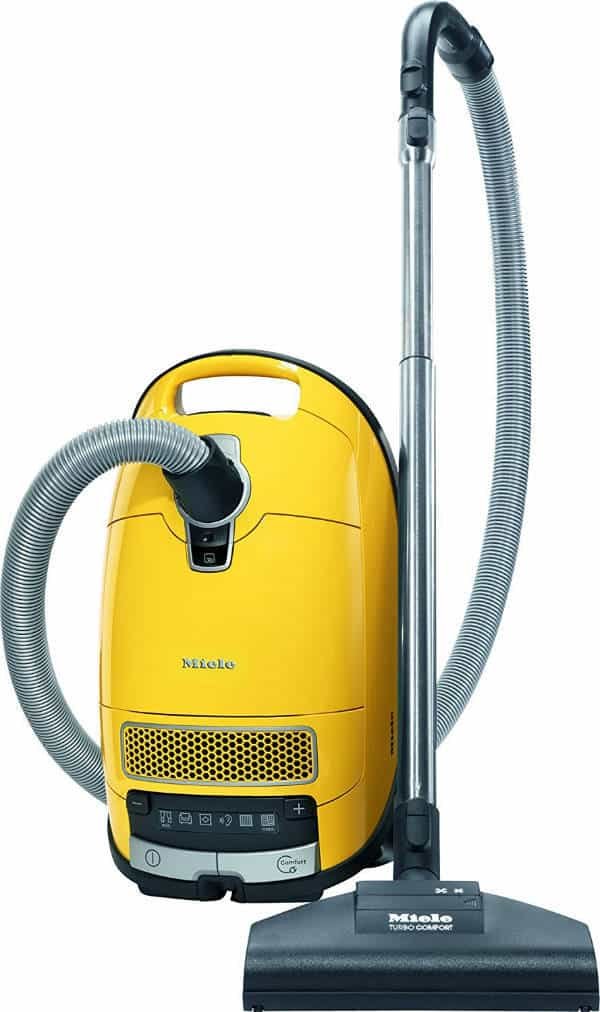
Miele Complete C3 Calima Review: The Gold Standard Canister
We tested the Miele Complete C3 Calima canister vacuum with 150 Air Watts suction and HEPA filtration. Read our review covering performance on carpets, hard floors, and allergens.