Affiliate Disclosure:Home Vacuum Zone is reader-supported. When you buy through links on our site, we may earn an affiliate commission at no additional cost to you. This does not influence our reviews or recommendations — we only recommend products we genuinely believe in.
If you’ve ever vacuumed your carpet and wondered why some vacuums clean better than others, the answer often lies in one component: the beater bar. This rotating brush system can make the difference between surface-level cleaning and deep carpet restoration.
This comprehensive guide explains what beater bars do, when you need them, and which vacuums work best with and without them.
What Is a Beater Bar?
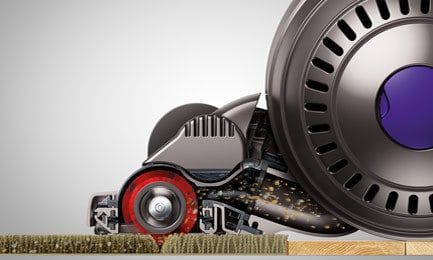
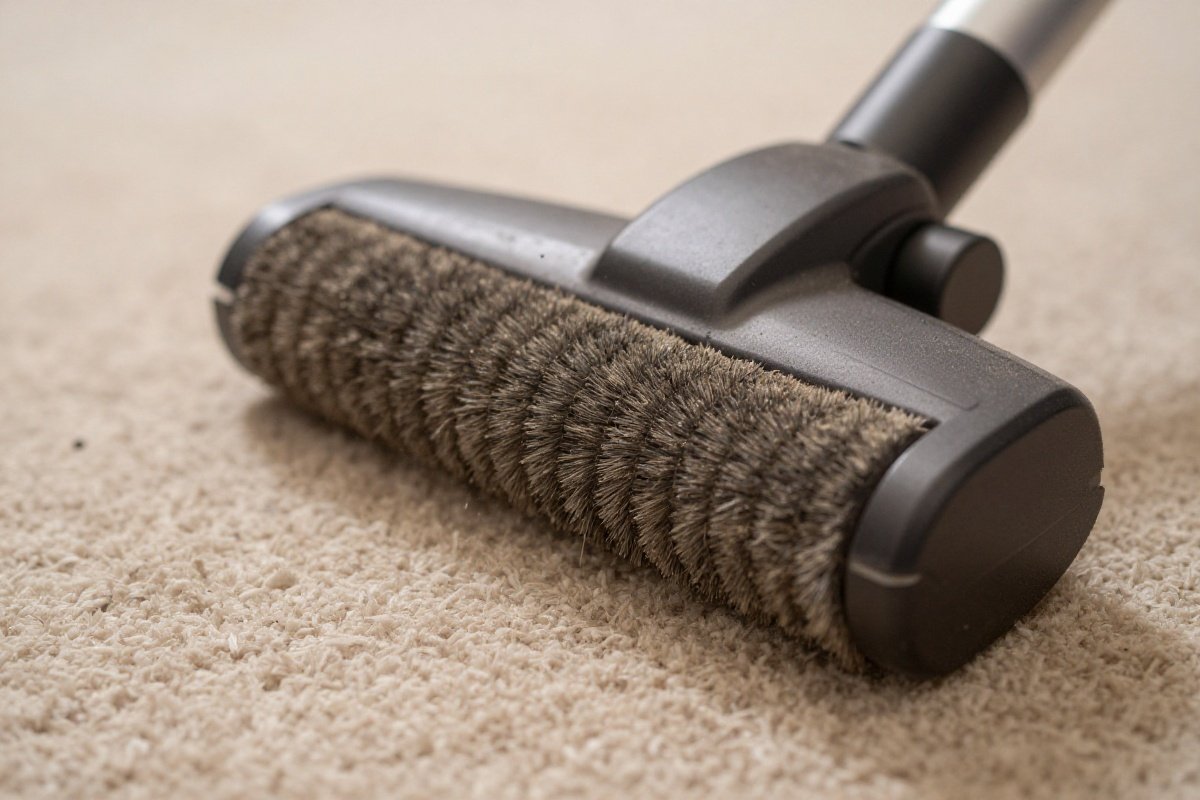
A beater bar (also called a brush roll or agitator) is a rotating cylinder with bristles or fins located at the base of a vacuum cleaner head. As you push the vacuum across carpet, the beater bar spins rapidly - typically 3,000 to 6,000 revolutions per minute (RPM).
How It Works
The beater bar serves two critical functions:
1. Mechanical Agitation
- Beats carpet fibers to loosen embedded dirt
- Vibrates particles from deep within the pile
- Breaks up compacted debris
2. Fiber Separation
- Lifts and separates carpet fibers
- Creates space for air flow
- Allows suction to reach the carpet base
The combination of mechanical agitation and fiber separation is what makes beater bars so effective on carpets. Without this action, vacuum suction alone can only remove surface-level debris. Think of it like washing dishes: you can rinse them under water, but scrubbing with a brush (the agitation) is what truly cleans them.
Types of Beater Bars
| Type | Design | Best For |
|---|---|---|
| Bristle brush | Traditional stiff bristles | Deep carpet cleaning |
| Rubber fins | Flexible rubber paddles | Pet hair, anti-tangle |
| Combination | Bristles + rubber | Versatile cleaning |
| Soft roller | Soft microfiber | Hard floors, delicate surfaces |
Modern beater bars have evolved significantly. Traditional bristle designs excel at deep carpet cleaning but can tangle with hair. Rubber fin designs resist tangling and are gentler on surfaces while still providing agitation. Combination designs attempt to capture the best of both worlds, using rubber fins for anti-tangle properties and bristles for aggressive carpet cleaning.
Beater Bar vs No Beater Bar: Comparison
Performance by Surface
| Surface Type | With Beater Bar | Without Beater Bar | Winner |
|---|---|---|---|
| High-pile carpet | Excellent deep cleaning | Surface only | With |
| Medium carpet | Very good | Adequate | With |
| Low-pile carpet | Good | Good | Tie |
| Hardwood floors | Can scatter debris | Smooth, effective | Without |
| Tile/linoleum | Unnecessary | Preferred | Without |
| Area rugs | May damage delicate rugs | Gentle cleaning | Without |
Key Differences
With Beater Bar:
- ✓ Deep carpet cleaning
- ✓ Removes embedded pet hair
- ✓ Lifts matted carpet fibers
- ✓ Better for high-traffic areas
- ✗ Can damage delicate floors
- ✗ Louder operation
- ✗ Requires maintenance
- ✗ More expensive
Without Beater Bar:
- ✓ Gentle on all surfaces
- ✓ Quieter operation
- ✓ Lower maintenance
- ✓ Often less expensive
- ✗ Limited carpet deep cleaning
- ✗ Less effective on pet hair
- ✗ Won’t revive matted carpet
- ✗ Poor for high-pile carpet
When You Need a Beater Bar
Definitely Need One
✓ Wall-to-wall carpet: Any home with significant carpeted areas ✓ High-pile or shag carpet: Essential for reaching deep fibers ✓ Pet owners: Loosens embedded pet hair from carpet ✓ High-traffic areas: Restores matted, compacted carpet ✓ Allergy sufferers: Removes dust mites and allergens from deep carpet
Don’t Need One
✗ Hardwood throughout: Suction-only is more effective ✗ Delicate antique rugs: Risk of damage to fibers ✗ Tile or laminate floors: Unnecessary and can scatter debris ✗ Light cleaning needs: Maintenance cleaning doesn’t require deep agitation
Consider Your Lifestyle
Your specific household needs should drive your decision. A family with young children who play on carpeted floors will benefit from the deep-cleaning power of a beater bar, as it removes ground-in dirt, food particles, and other debris that works its way into carpet fibers. Conversely, a minimalist apartment dweller with only hardwood floors and a single area rug would find a beater bar unnecessary and potentially problematic.
Similarly, consider your cleaning frequency. If you vacuum daily or multiple times per week, surface-level suction may be sufficient. However, if you vacuum weekly or less frequently, a beater bar becomes more valuable for removing the accumulated dirt that has settled deeper into carpet fibers over time.
Best Vacuums With Beater Bars
Best Overall: Dyson Ball Animal 3
Value Tier: Premium Beater Bar: Radial Root Cyclone + de-tangling brushroll
The Dyson Ball Animal 3 features one of the most effective beater bar systems available. The de-tangling brushroll uses polycarbonate fins that actively prevent hair wrap while maintaining aggressive carpet agitation.
Why It’s Best:
- 290 AW suction pulls loosened debris effectively
- Tangle-free design reduces maintenance
- Whole-machine HEPA captures allergens
- Adjustable for different carpet heights
Best For: Homes with carpet and pets needing deep cleaning
Best Canister: Miele Complete C3 Calima
Value Tier: Premium
Beater Bar: Electro Plus powerhead with 5-level adjustment
Miele’s canister system with an electrobrush powerhead provides the cleaning power of an upright with the versatility of a canister. The beater bar adjusts to five different heights for optimal cleaning on any carpet.
Why It’s Excellent:
- Independent motor drives beater bar
- Adjustable for any carpet type
- Gentle on fibers, tough on dirt
- German engineering quality
Best For: Those wanting canister flexibility with upright carpet performance
Best Value: Shark Vertex
Value Tier: Mid-Range Beater Bar: PowerFins with self-cleaning brushroll
The Shark Vertex combines affordability with innovative beater bar technology. The PowerFins use flexible rubber paddles that continuously clean themselves while providing aggressive carpet agitation.
Why It’s Great Value:
- Self-cleaning reduces hair wrap
- Powerful agitation at mid-range price
- Lift-away feature for versatility
- LED headlights show debris
Best For: Budget-conscious buyers wanting premium beater bar performance
Best Budget with Control: Kenmore Elite 31150
Value Tier: Mid-Range Beater Bar: Standard bristle with on/off switch
The Kenmore Elite offers essential beater bar functionality with the crucial ability to turn it off for hard floors. This versatility makes it ideal for homes with mixed flooring.
Why It’s a Smart Buy:
- Beater bar on/off switch included
- Affordable price point
- HEPA filtration
- Strong suction
Best For: Mixed flooring homes on a budget
Best Vacuums Without Beater Bars
Best for Hard Floors: Dyson V15 Detect
Value Tier: Premium Cleaning Head: Laser Slim Fluffy soft roller
The V15 Detect uses a soft roller head instead of a traditional beater bar. The microfiber roller captures fine dust and large debris simultaneously without scattering particles.
Why It’s Superior for Hard Floors:
- Soft roller won’t scratch floors
- Laser reveals microscopic dust
- No debris scattering
- Gentle yet effective
Best For: Homes with hardwood, tile, or laminate flooring
Best Gentle Suction: Miele Classic C1 Pure Suction
Value Tier: Mid-Range
Cleaning Head: Suction-only parquet attachment
The C1 Pure Suction is designed specifically for hard floors and low-pile rugs without a beater bar. The parquet attachment provides gentle, effective cleaning for delicate surfaces.
Why It’s Ideal:
- No risk of floor damage
- Quiet operation
- Excellent for antiques
- High-quality construction
Best For: Delicate floors, antiques, and minimal carpet homes
Best Budget: Eureka WhirlWind
Value Tier: Budget
Cleaning Head: Suction-only canister design
This affordable canister vacuum provides effective hard floor cleaning without the complexity or cost of a beater bar system.
Why It’s a Bargain:
- Affordable price point
- Effective on hard floors
- Lightweight and maneuverable
- No maintenance brushroll
Best For: Apartments, hard floor homes, tight budgets
Surface-Specific Recommendations
For Wall-to-Wall Carpet
Choose: Upright with powerful beater bar
Recommended: Dyson Ball Animal 3 or Shark Vertex
Why: Deep cleaning requires aggressive agitation
Wall-to-wall carpet represents the highest demand for beater bar performance. The fibers trap dirt at multiple levels, from surface particles to deeply embedded grime near the carpet backing. An upright vacuum with a motorized beater bar provides the most consistent, effective cleaning pattern. Look for models with adjustable height settings to accommodate different carpet pile heights - using the wrong setting can either provide inadequate agitation (set too high) or strain the motor (set too low).
For Mixed Flooring
Choose: Vacuum with beater bar on/off switch
Recommended: Kenmore Elite 31150 or Miele C3
Why: Flexibility to optimize for each surface
Mixed flooring environments require adaptability. The ideal vacuum allows you to engage the beater bar for carpeted rooms and disengage it for hard floor areas. This prevents debris scattering on hard surfaces while still providing deep carpet cleaning where needed. Canister vacuums with multiple attachments excel in this scenario, as you can swap between a powered carpet head and a hard floor tool as you move through your home.
For Hardwood Throughout
Choose: No beater bar or soft roller design
Recommended: Dyson V15 Detect or Miele C1 Pure Suction
Why: Gentle cleaning without scattering debris
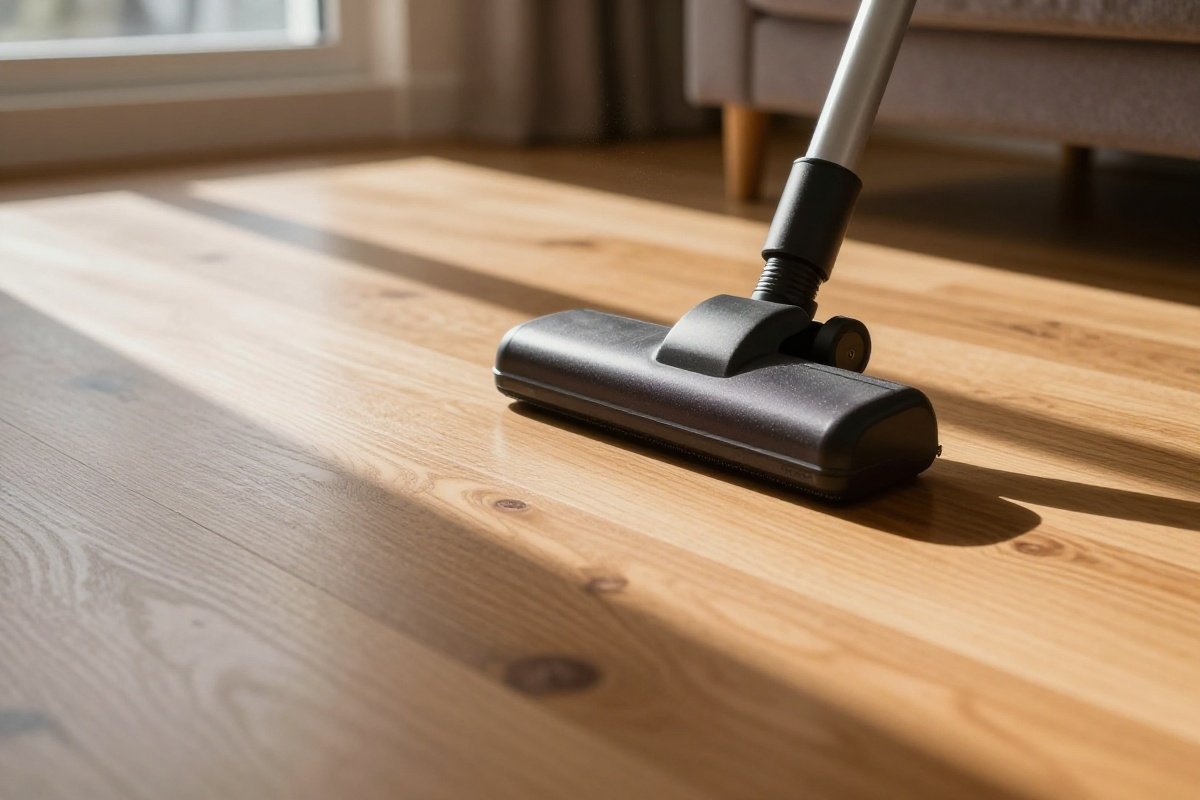
Hardwood floors benefit from suction-focused cleaning. A beater bar on hardwood can propel lightweight debris forward rather than capturing it, creating a frustrating cleaning experience. Soft roller heads, like those found on models such as the Dyson V15 Detect, provide just enough surface agitation to capture fine dust without the aggressive action of a traditional beater bar. These designs often incorporate microfiber or felt coverings that polish the floor while cleaning.
For Pet Hair on Carpet
Choose: Beater bar with anti-tangle design
Recommended: Dyson Ball Animal 3 or Shark Vertex
Why: Loosens embedded hair, prevents tangle
Pet hair presents unique challenges. It works its way deep into carpet fibers and clings stubbornly to fabric. A beater bar is essential for dislodging this hair, but not all beater bars handle hair equally. Anti-tangle designs using rubber fins or spiral brush patterns prevent hair from wrapping around the roll, which reduces maintenance and maintains consistent performance. Some models feature self-cleaning brush rolls that actively strip away wrapped hair during operation.
For Delicate Area Rugs
Choose: Suction-only or adjustable gentle setting
Recommended: Miele C1 Pure Suction or canister with rug tool
Why: Prevents fiber damage and pulling
Antique, handwoven, or delicate area rugs require special consideration. The aggressive action of a beater bar can pull loops, damage fringe, or fray edges. For these surfaces, suction-only cleaning or a specialized rug tool provides effective cleaning without risk. If you must use a beater bar on a rug, ensure your vacuum has adjustable settings and use the gentlest option available. Consider using a handheld attachment around rug edges where fringe or binding is most vulnerable.
Common Beater Bar Myths Debunked
Myth: Beater Bars Damage All Carpets
Reality: Quality beater bars, when properly adjusted, actually extend carpet life by removing abrasive dirt particles that wear down fibers. The key is using the correct height setting for your carpet type. Modern vacuums with adjustable beater bars allow you to customize the agitation level, ensuring effective cleaning without excessive wear.
Myth: More RPM Equals Better Cleaning
Reality: While beater bar speed matters, it’s not the sole factor in cleaning performance. A beater bar spinning at 6,000 RPM with poor suction will underperform compared to a 3,500 RPM model with excellent airflow. The combination of agitation, suction power, and brush design determines overall effectiveness. Some premium vacuums actually use variable-speed beater bars that adjust automatically based on surface type and debris load.
Myth: You Should Never Use a Beater Bar on Hard Floors
Reality: While generally true, some modern soft roller designs technically qualify as beater bars but are safe for hard floors. The Dyson V15 Detect’s Laser Slim Fluffy head, for example, rotates like a beater bar but uses soft materials designed specifically for hard surfaces. The distinction lies in the brush material and design rather than simply whether something rotates.
Beater Bar Maintenance
Regular Maintenance
Weekly:
- Check for hair wrap around beater bar
- Remove debris from bristles
- Clear any tangled threads or fibers
Monthly:
- Remove beater bar for deep cleaning
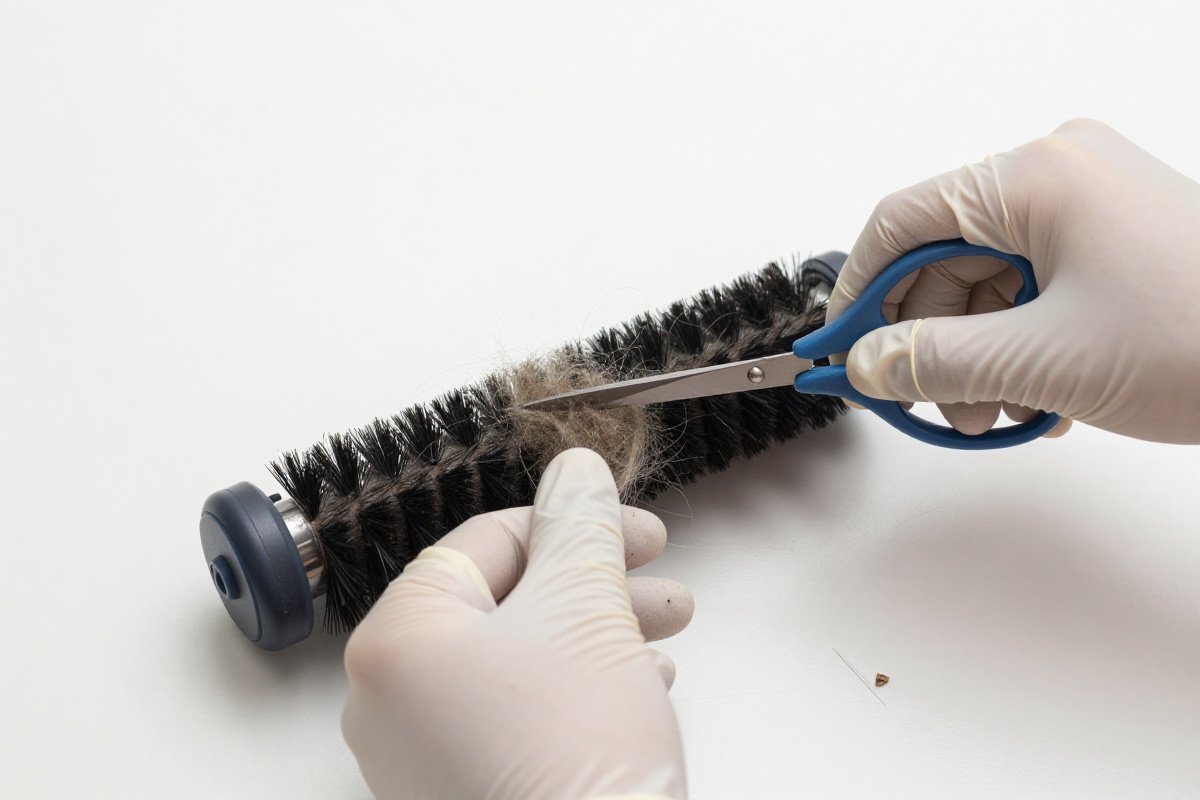
- Cut away wrapped hair with scissors
- Check bristle condition
- Clean end caps and bearings
Quarterly:
- Replace worn bristles if available
- Lubricate bearings if recommended
- Check belt tension (if belt-driven)
- Inspect for damage
Proper Maintenance Technique
When removing hair from a beater bar, use scissors or a seam ripper to carefully cut wrapped strands. Cut along the length of the bar rather than pulling, which can damage bristles or bearings. Many vacuums feature removable end caps that allow you to slide the entire beater bar out for thorough cleaning - consult your manual for the specific removal process for your model.
For belt-driven beater bars, regularly check the belt condition. A worn or stretched belt will reduce beater bar performance even if the brush itself is in good condition. Belts typically need replacement every 6-12 months with regular use, or sooner if you notice burning smells, reduced brush speed, or visible wear.
Signs Your Beater Bar Needs Attention
- Reduced carpet cleaning performance
- Unusual noise or vibration
- Visible hair wrap accumulation
- Brush not spinning properly
- Burning smell (belt issue)
When to Replace
Replace your beater bar or brushroll when:
- Bristles worn down significantly
- Cracks or damage to the roll
- Excessive noise despite cleaning
- Poor performance after maintenance
- Typically every 1-2 years with heavy use
Brush wear varies significantly based on cleaning frequency and surface type. Homes with high-pile carpet, multiple pets, or frequent vacuuming will wear out beater bars faster than average. Some manufacturers offer replacement brushrolls as consumable items, making it economical to maintain peak performance rather than replacing the entire vacuum.
Advanced Features in Modern Beater Bars
Auto-Adjusting Technology
Premium vacuums now feature sensors that detect floor type and automatically adjust beater bar height and speed. The Dyson V15 Detect, for instance, uses piezo sensors to measure particle size and adjust suction accordingly, while some models vary beater bar RPM based on surface resistance. This technology removes the guesswork from vacuum operation and optimizes cleaning for each surface.
Dual Brush Roll Systems
Some high-end uprights feature two counter-rotating brush rolls instead of a single beater bar. This design provides more aggressive carpet agitation and can help prevent the vacuum from pushing itself forward or pulling backward during use. The dual-roll configuration also tends to capture larger debris more effectively, preventing items from bouncing off the cleaning head.
Illuminated Cleaning Paths
LED lights integrated into the cleaning head have become increasingly common. While not directly related to beater bar function, they dramatically improve cleaning effectiveness by revealing dust, pet hair, and debris that would otherwise go unnoticed. Models like the Dyson V15 Detect take this further with laser illumination that makes microscopic dust particles visible on hard floors.
Further Reading
- Should You Buy a Refurbished Vacuum? [2026 Buyer’s Guide]
- Best Vacuum for Long Hair - 6 Anti-Tangle Models for 2026
- Best Vacuum For Stairs - 6 Top Corded & Cordless Options
Environmental Considerations
Energy Efficiency
Beater bars require motor power beyond basic suction, which increases energy consumption. Belt-driven beater bars powered by the main vacuum motor are generally more energy-efficient than models with separate brush motors, though they may offer less adjustability. If energy usage concerns you, look for models with efficient motor designs and the ability to turn off the beater bar when not needed.
Sustainability and Longevity
Vacuums without beater bars typically have fewer wear components and may last longer with less maintenance. However, a quality vacuum with a well-designed beater bar that receives proper maintenance can provide decades of service. Consider the availability of replacement parts when making your purchase - some manufacturers make brushrolls, belts, and other consumables readily available, while others use proprietary designs that are expensive or difficult to replace.
Recommended Products
Dyson Ball Animal 3
Best with beater barBest vacuum with beater bar for deep carpet cleaning.
What We Like
- Powerful motorized brush bar for deep carpet cleaning
- Tangle-free turbine tool prevents hair wrap
- Strong 290 AW suction power
- Whole-machine HEPA filtration captures allergens
- Ball technology for easy steering around furniture
What We Don't
- Premium price point for a corded upright
- Heavy at 17.4 lbs for prolonged use
- Small dustbin capacity requires frequent emptying
Miele Complete C3 Calima Canister Vacuum
Best canisterBest canister with beater bar for versatile cleaning.
What We Like
- CRI Gold certified for effective carpet cleaning
- Premium HEPA filtration captures 99.95% of particles
- Quiet operation at 64dB
- Excellent for high-pile carpet and hardwood floors
What We Don't
- Premium price point
- Requires bag replacements (ongoing cost)
- No motorized brush roll included with base model
Shark Vertex DuoClean PowerFins
Best valueBest value upright with advanced beater bar.
What We Like
- DuoClean PowerFins dual brush system deep cleans carpets and hard floors
- Self-cleaning brush roll continuously removes hair wrap during use
- Strong value for premium features compared to competitor flagship models
- LED headlights for improved visibility
- Largest dustbin capacity at 1 quart reduces emptying frequency
What We Don't
- Heavier than comparable Dyson models at 16.4 lbs
- Lacks automatic height adjustment for different floor types
- Bulky design may be challenging in tight spaces
Dyson V15 Detect
Best without beater barBest vacuum without beater bar for hard floors.
What We Like
- Laser reveals microscopic dust on hard floors
- Piezo sensor counts particles and displays in real-time
- Anti-tangle Motorbar cleaner head prevents hair wrap
- Powerful 240 AW suction with auto-adjusting power
What We Don't
- 60-minute runtime only in Eco mode (8 min in Boost)
- Small 0.2-gallon dustbin requires frequent emptying
- Premium price point
- 4.5-hour charging time is lengthy
Miele Classic C1 Pure Suction
Best gentle suctionThe Miele Classic C1 Pure Suction uses a smooth floor nozzle without a rotating brush, making it ideal for hardwood, tile, and delicate rugs that powered brushes can damage. Best for homes with primarily hard flooring who want Miele build quality, 6-speed suction control, and 72 dB quiet operation.
What We Like
- Pure suction design ideal for hardwood and smooth floors
- No rotating brush to damage delicate surfaces
- Quiet operation at 72 dB
- 6-speed suction control for versatile cleaning
What We Don't
- Not suitable for deep carpet cleaning without powered brush
- Requires ongoing bag purchases
- Heavier than modern bagless alternatives
Kenmore Elite 31150 Pet-Friendly
Best budget with controlBest budget vacuum with beater bar control.
What We Like
- True HEPA filtration captures 99.97% of particles
- Effective pet hair handling with specialized tools
- Indirect steering for easy maneuverability
- Affordable compared to premium canister brands
What We Don't
- Heavier than some competitor models at 24 lbs
- Kenmore brand support has declined in recent years
- 35-foot cord provides decent whole-home reach
Eureka WhirlWind NEN110A
Best budget without beater barAffordable suction-only canister for hard floors without beater bar scratching.
What We Like
- Bagless design eliminates ongoing bag costs
- Washable filter for easy maintenance
- Large 2.5L capacity reduces emptying frequency
- 3-in-1 crevice tool for versatile cleaning
- Ultra-lightweight at 4 lbs
- Very affordable price point
What We Don't
- No powered brush for deep carpet cleaning
- Plastic construction may be less durable
- Shorter cord length limits range
- Lower suction power than full-size vacuums
Sources & Research
- Amazon Product Page
- Dyson Official Product Page
- Amazon Product Page
- Miele Official Product Page
- Miele Official Product Page
- Amazon Product Page
- Shark Official
- Dyson official product page
- RTINGS lab test results
- Amazon Product Page
- Amazon Product Page
- Miele Official Product Page
- Miele Official Product Page
- Amazon Product Page
- Amazon Product Page
- Eureka Official
- Eureka Official Website
Continue Reading
Explore more buying guides content or browse our other categories.
Frequently Asked Questions
- What is a beater bar on a vacuum?
- A beater bar (also called a brush roll or agitator) is a rotating cylinder with bristles or fins located at the base of a vacuum cleaner. As the vacuum moves across carpet, the beater bar spins rapidly (typically 3,000-6,000 RPM) and beats or brushes the carpet fibers. This action serves two purposes: (1) It loosens embedded dirt, dust, and pet hair from deep within carpet fibers, and (2) It lifts and separates carpet fibers to allow the vacuum's suction to pull debris from the base of the carpet. Beater bars are essential for deep-cleaning medium to high-pile carpets but can be turned off or removed for hard floors to prevent scattering debris or damaging delicate surfaces. Modern vacuums may have bristle brushes, rubber fins, or combination designs for different floor types.
- Do I need a beater bar for hardwood floors?
- No, you do not need a beater bar for hardwood floors. In fact, using a beater bar on hardwood can be counterproductive - it can scatter lightweight debris, potentially scratch the finish, and doesn't improve cleaning effectiveness. For hardwood floors, you want suction-only cleaning or a soft roller head designed specifically for hard surfaces. Look for vacuums with a beater bar on/off switch, a hard floor setting that stops the brush roll, or dedicated hard floor attachments. Canister vacuums with parquet attachments work excellently on hardwood. If you have mixed flooring (hardwood and carpet), choose a vacuum with adjustable height settings and the ability to turn the beater bar on and off. For homes with only hardwood, tile, or laminate, a vacuum without a beater bar is often quieter and more effective.
- Can you turn off the beater bar on a vacuum?
- Yes, many vacuums allow you to turn off or control the beater bar. There are several ways this is implemented: (1) On/off switch - some uprights have a dedicated button or pedal that engages or disengages the beater bar; (2) Height adjustment - setting the vacuum to 'hard floor' or lowest height setting often stops the beater bar or lifts it off the floor; (3) Auto-sensing - premium vacuums detect floor type and automatically adjust; (4) Attachment change - canister vacuums let you switch between a power head (with beater bar) and suction-only attachments. The Kenmore Elite 31150 and many Shark models have convenient beater bar on/off switches. Check your vacuum's manual for the specific method. If your vacuum doesn't allow turning off the beater bar and you have delicate floors, consider using a different vacuum or attachment for those areas.
- Is a beater bar better for pet hair?
- Yes, a beater bar is generally better for removing pet hair from carpet. The rotating brushes agitate carpet fibers, loosening embedded pet hair that suction alone can't reach. This is especially important for: (1) Deep carpet pile where hair works into the fibers; (2) Long-haired pets whose hair tangles in carpet; (3) High-traffic pet areas with accumulated hair. However, the type of beater bar matters for pet hair: Rubber fin designs (like Dyson's or Shark's PowerFins) resist hair wrap better than traditional bristle brushes. Self-cleaning beater bars actively remove wrapped hair. Some vacuums have tangle-free brushrolls specifically designed for pet hair. For hard floors, a beater bar isn't necessary and soft roller attachments work better for pet hair. The best vacuums for pet hair on carpet combine a quality beater bar with strong suction and anti-tangle design.
- What is the difference between a beater bar and a brush roll?
- The terms 'beater bar' and 'brush roll' are often used interchangeably, but there are subtle differences. A beater bar traditionally refers to a metal bar with bristles that 'beats' the carpet to loosen dirt - it was originally a separate component from the brush. A brush roll is a rotating cylinder with bristles or fins that sweeps debris into the suction path. In modern vacuums, these functions are combined into a single component. You may hear: (1) 'Beater bar' used more often for upright vacuums with aggressive carpet cleaning action; (2) 'Brush roll' used for gentler cleaning heads or in canister power attachments; (3) 'Agitator' as a technical term for any rotating brush component. Functionally, they serve the same purpose: agitating carpet fibers to release dirt. The design varies: traditional bristle brushes, combination bristle/rubber, or all-rubber fins. Some manufacturers use specific terms like 'PowerFins' (Shark) or 'Dual brush rolls' (Dyson) to describe their variations.
Written By
Home Vacuum Zone
Our team researches, tests, and reviews vacuum cleaners to help you make confident buying decisions.
Related Articles
Vacuum Noise Level Comparison: Decibel Ratings for 60+ Models (2026 Database)
Comprehensive vacuum noise level database with decibel ratings for 60+ models across every vacuum type. Find the quietest vacuums and understand what dB ratings actually mean.
Vacuum Suction Power Chart: AW, Pa & kPa Ratings Compared (2026 Database)
Comprehensive vacuum suction power database with air watts, pascals, and kPa ratings compared across every vacuum type. Find how much suction you actually need.
Bagged vs Bagless Vacuums: Which Type Is Actually Better?
Bagged and bagless vacuums each have distinct advantages for different households. We compare cost, filtration, allergen control, maintenance, and convenience to help you choose the right type.