Affiliate Disclosure:Home Vacuum Zone is reader-supported. When you buy through links on our site, we may earn an affiliate commission at no additional cost to you. This does not influence our reviews or recommendations — we only recommend products we genuinely believe in.
Proper carpet care extends the life of your flooring, maintains appearance, and ensures a healthy indoor environment. This comprehensive guide covers maintenance for all carpet types with specific recommendations for each.
Carpets represent a significant investment in your home, typically lasting 10-15 years with proper care - or failing within 5-7 years without it. The difference between these outcomes comes down to understanding your specific carpet type, implementing the right maintenance routine, and using appropriate cleaning techniques. Whether you’re dealing with luxurious plush carpeting in a formal living room or durable Berber in a busy family space, this guide provides the actionable strategies you need to maximize your carpet’s lifespan and appearance.
Understanding Carpet Types
The foundation of effective carpet care starts with identifying what type of carpet you have. Carpet construction dramatically affects how dirt accumulates, what cleaning methods work best, and which vacuuming techniques you should use. Most residential carpets fall into two main categories: cut pile and loop pile, each with distinct subcategories that require specific care approaches.
Cut Pile Carpets
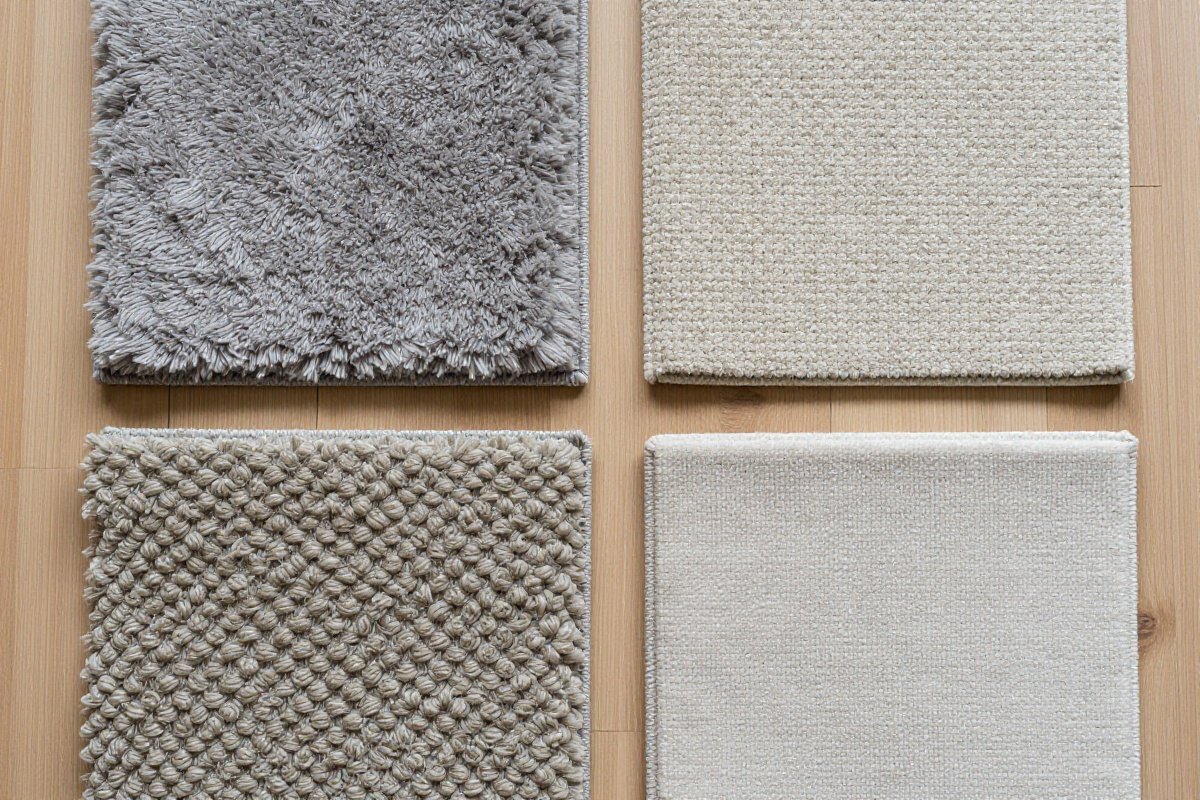
Cut pile carpets have fibers that are cut at the ends, creating a soft, plush surface. These carpets offer exceptional comfort underfoot and a luxurious appearance, but they also show footprints, vacuum marks, and traffic patterns more readily than loop pile options. The visibility of these marks isn’t a defect - it’s an inherent characteristic of the construction that reflects light differently when fibers are disturbed.
| Type | Characteristics | Best For |
|---|---|---|
| Saxony | Dense, formal, shows footprints | Low-traffic, formal rooms |
| Textured | Casual, hides marks, versatile | Family rooms, bedrooms |
| Frieze | Twisted fibers, durable, modern | High-traffic, casual spaces |
| Plush | Velvet-like, luxurious, formal | Master bedrooms, formal areas |
Saxony carpets feature straight, densely-packed fibers that stand upright, creating an elegant, uniform appearance. While beautiful, Saxony shows every footprint and vacuum line, making it best suited for formal rooms with light traffic. The dense construction actually works in your favor for cleaning - dirt tends to sit on top rather than filtering deep into the pile, making regular vacuuming highly effective.
Textured cut pile carpets have fibers twisted and set at different angles, creating a more casual appearance that naturally camouflages footprints and wear patterns. This makes textured carpets one of the most forgiving options for busy households. The varied fiber direction also means dirt doesn’t show as readily, though this doesn’t mean you can skip regular cleaning - hidden dirt still causes premature wear.
Frieze carpets (often called “shag” in their longer forms) feature tightly twisted fibers that curl in various directions. This construction creates excellent durability and the best ability among cut piles to hide dirt and traffic patterns. Modern frieze carpets offer a casual, contemporary look while requiring less frequent vacuuming than other cut pile types. However, the twisted construction means you need a vacuum with strong suction and a motorized brushroll that can reach between the curled fibers.
Plush carpets represent the most formal, luxurious option with a smooth, velvet-like surface. These carpets show absolutely everything - footprints, vacuum marks, furniture indentations, and traffic patterns. They’re best reserved for low-traffic areas like master bedrooms or formal sitting rooms. The trade-off for their high-maintenance nature is an unmatched elegance and soft feel underfoot.
Care Tips:
- Vacuum with adjustable height settings to ensure the brushroll makes contact without pushing too deep
- Use a motorized beater bar for deep cleaning - the agitation helps lift embedded dirt from between cut fibers
- Expect to see vacuum marks (this is normal and indicates proper cleaning)
- Rotate furniture to prevent permanent indentations - even a few inches of movement every 6 months helps
- Use a carpet rake on plush and Saxony to restore the upright appearance after vacuuming
- For furniture indentations, place ice cubes on the compressed area and allow them to melt - the moisture helps fibers spring back
- Vacuum in multiple directions (north-south, then east-west) to lift all fibers and remove embedded dirt
Loop Pile Carpets
Loop pile carpets have uncut yarn loops, creating a more durable, textured surface. The continuous fiber loops create a construction that naturally resists crushing and matting, making these carpets ideal for high-traffic areas. However, the loops also present unique challenges - they can snag on pet claws, furniture legs, or sharp objects, potentially causing runs similar to pantyhose.
| Type | Characteristics | Best For |
|---|---|---|
| Level Loop | Uniform loops, very durable | Commercial, high-traffic home areas |
| Multi-Level Loop | Patterned appearance | Stylish, moderate-traffic areas |
| Berber | Large loops, casual look | Basements, family rooms, casual spaces |
Level loop carpets feature loops of uniform height, creating a flat, even surface with exceptional durability. This construction is common in commercial settings because it withstands heavy traffic while hiding wear patterns. In homes, level loop works well in hallways, entryways, and children’s play areas. The tight loop construction naturally resists dirt penetration, though this also means surface dirt is more visible - regular vacuuming is essential to maintain appearance.
Multi-level loop carpets combine loops of varying heights to create patterns and visual texture. This construction offers an attractive compromise between durability and aesthetics, working well in living rooms, dining rooms, and other spaces where you want style without sacrificing practicality. The varying loop heights create a subtle pattern that effectively hides minor stains and traffic patterns while maintaining good durability.
Berber carpets typically feature larger, chunkier loops in a casual, flecked appearance. Traditional Berber uses neutral colors with darker flecks that hide dirt effectively. This makes Berber particularly popular for basements, family rooms, and other casual spaces where durability matters more than formal appearance. The large loops create a distinctive look while offering excellent longevity when properly maintained.
Care Tips:
- Use suction-only or very gentle brushroll settings to avoid catching and pulling loops
- Never use aggressive beater bars - they can snag and damage the loop structure
- Watch for snags from pets or furniture; address them immediately before they run
- If a loop gets pulled up, don’t cut it - carefully pull the loop back to the original height with a blunt tool
- Berber is very durable against wear but can unravel catastrophically if a loop gets snagged and pulls
- Consider canister vacuums with parquet floor heads for the safest cleaning approach
- Keep pets’ nails trimmed short to prevent snagging during play
- Inspect regularly for loose loops and secure them with carpet adhesive before they become problems
Cut and Loop Combinations
Some carpets use both cut and loop pile construction in a single carpet, creating sculptured patterns and enhanced visual interest. These carpets typically feature loop pile in the background with cut pile creating raised patterns or designs. This construction offers good durability from the loop pile base while adding the soft touch of cut pile in the design elements.
Care considerations for cut and loop carpets involve treating them like the more delicate of the two constructions - use gentle brushroll settings and adjustable height to avoid snagging loops while still effectively cleaning the cut pile areas. These carpets often hide dirt and wear patterns particularly well due to their varied surface texture.
Carpet Fiber Types and Their Care Requirements
Beyond pile construction, carpet fibers themselves vary significantly in durability, stain resistance, and maintenance needs. Understanding your carpet’s fiber content helps you select appropriate cleaning products and techniques.
Nylon Carpets
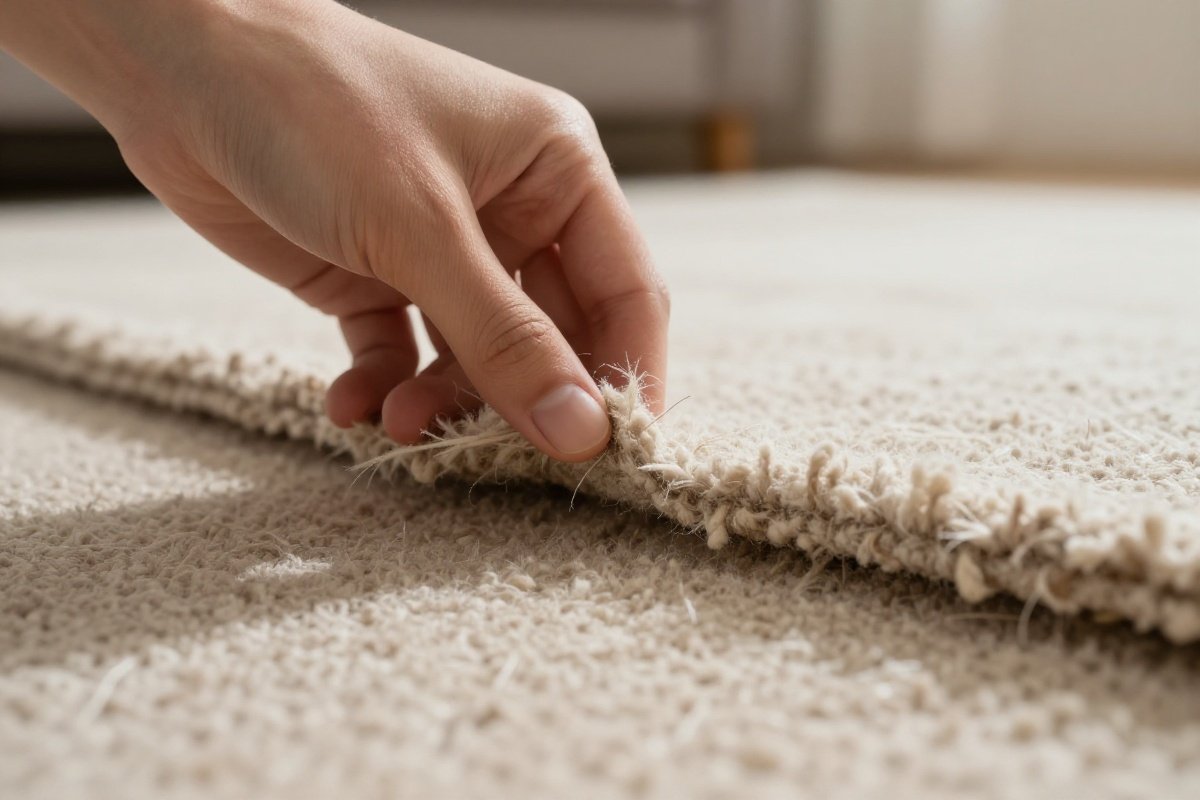
Nylon remains the most popular carpet fiber due to its excellent resilience, durability, and stain resistance. Modern nylon carpets often include built-in stain protection that makes them resistant to most household spills. Nylon holds up well to frequent vacuuming with motorized brushrolls and tolerates most cleaning solutions. The fiber naturally resists matting and crushing, bouncing back even in high-traffic areas.
Care advantages: Accepts hot water extraction cleaning well, resists most stains, maintains appearance long-term, tolerates aggressive vacuuming.
Care cautions: Can fade in direct sunlight, may develop static electricity in dry conditions, acidic stains (like vinegar or wine) should be neutralized quickly.
Polyester Carpets
Polyester carpets offer excellent stain resistance at a lower price point than nylon. The fiber naturally resists water-based stains and has a soft, luxurious feel. However, polyester is less resilient than nylon - it tends to mat down in high-traffic areas and doesn’t bounce back as readily. This makes polyester better suited for low to medium traffic areas like bedrooms.
Care advantages: Highly stain-resistant, soft feel, resists fading, generally affordable.
Care cautions: Mats down more easily, oil-based stains penetrate deeply, requires gentle vacuuming to avoid accelerating matting, professional cleaning helps restore texture.
Olefin (Polypropylene) Carpets
Olefin carpets appear frequently in Berber styles and indoor-outdoor applications due to their moisture resistance and durability. The fiber resists water, mildew, and most stains, making it ideal for basements and other potentially damp areas. Olefin is also very colorfast - the color is part of the fiber itself, so it won’t fade.
Care advantages: Excellent moisture resistance, mildew-proof, resists bleach damage, very affordable, good for indoor-outdoor use.
Care cautions: Attracts oil-based stains that are difficult to remove, can mat down under heavy traffic, generates significant static, may look less luxurious than nylon or wool.
Wool Carpets
Wool represents the premium natural fiber option, offering unmatched luxury, natural resilience, and environmental benefits. Wool naturally resists soiling, flame, and static electricity. The fiber has a natural crimp that helps it spring back after compression. However, wool requires more careful maintenance than synthetic fibers.
Care advantages: Luxurious feel, natural stain resistance, flame-resistant, biodegradable, excellent insulation properties, natural resilience.
Care cautions: More expensive, requires professional cleaning with wool-safe products, can shed initially, susceptible to moth damage if not properly maintained, acidic cleaners cause damage, water exposure requires thorough drying to prevent mildew.
Carpet Care Schedule
Consistent maintenance prevents the accumulation of damaging dirt and extends carpet life significantly. Industry research, including findings from the CRI (Carpet & Rug Institute), shows that regular vacuuming removes abrasive particles before they can cut carpet fibers, potentially doubling carpet lifespan. Follow this schedule and adjust based on your household’s specific traffic patterns and soil conditions.
Daily/As Needed
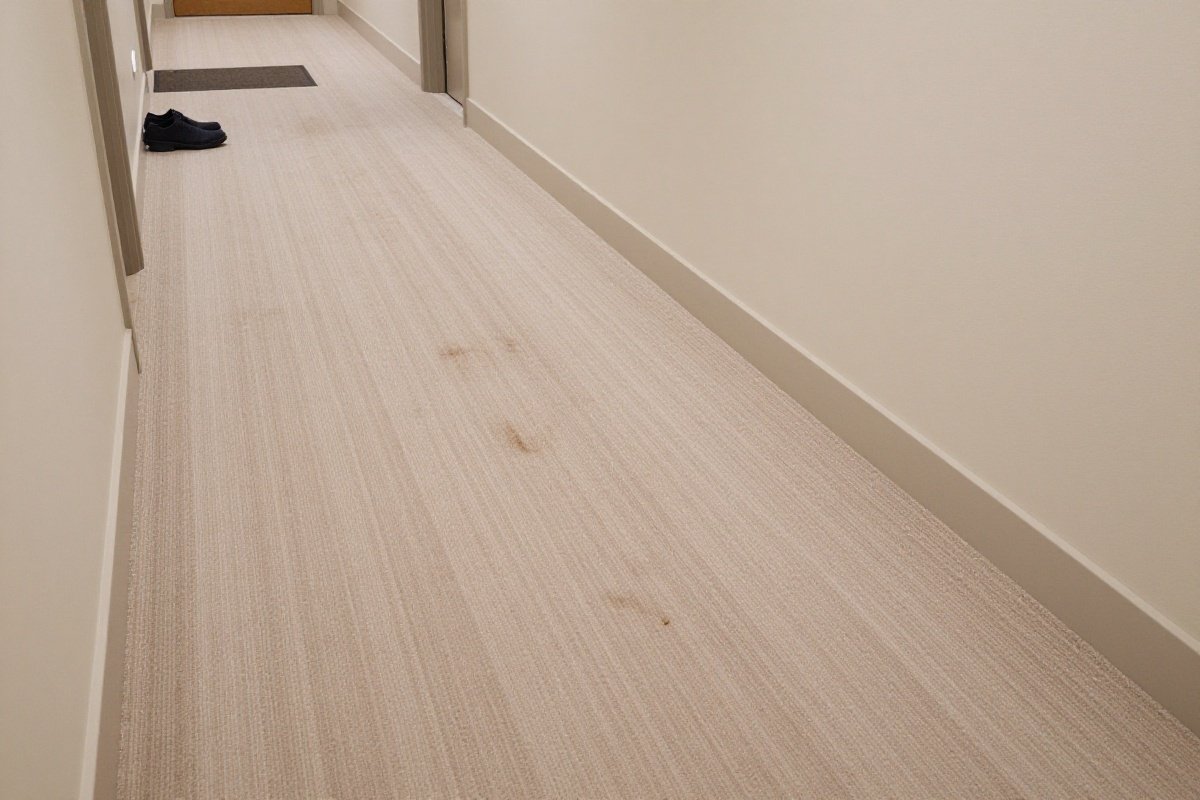
- Spot clean spills immediately - most stains are easily removed within the first few minutes
- Remove large debris by hand before it gets ground into fibers
- Check for stains or damage in high-traffic zones
- Wipe pets’ paws when they come inside during muddy conditions
- Address pet accidents immediately to prevent permanent damage
- Quick-vacuum heavily used pathways in high-traffic homes
2-3 Times Weekly
- Vacuum medium-traffic areas including living rooms, dining rooms, and main hallways
- Clean under furniture edges where dust and pet hair accumulate
- Check high-traffic zones for developing wear patterns
- Empty or replace vacuum bags/containers before they reach full capacity
- Spot-treat any new stains discovered during vacuuming
- Use a hand-vac or crevice tool in corners and along baseboards
Weekly
- Vacuum all carpeted areas thoroughly, making multiple passes in high-traffic zones
- Use crevice tool along baseboards to remove dust and debris
- Clean under light furniture that you can easily move
- Check and clean your vacuum’s brushroll and filters
- Inspect for new damage, wear, or developing problems
- Treat any lingering odors with baking soda application (sprinkle, wait 15 minutes, vacuum)
- Vacuum stairs with appropriate attachments or handheld vacuum
Monthly
- Move light furniture and vacuum underneath - accumulated dust under furniture contributes to overall indoor air quality problems
- Check and clean vacuum brushroll thoroughly, removing hair and fiber tangles
- Inspect carpet for wear or damage, noting areas that may need professional attention
- Deep-clean entrance mats and area rugs
- Check carpet edges and seams for fraying or separation
- Vacuum upholstery to prevent dust and pet hair from transferring to carpet
- Wipe down baseboards to prevent dust from settling onto carpet edges
Every 6 Months
- Professional cleaning for high-traffic homes or homes with pets and allergy sufferers
- Deep clean with carpet cleaner machine for moderate-traffic homes
- Rotate area rugs to ensure even wear
- Move heavy furniture slightly to prevent permanent indentations
- Inspect carpet padding for deterioration or moisture damage
- Have HVAC ducts cleaned to reduce dust recirculation onto carpets
- Apply carpet protector to high-traffic areas if needed
- Trim any pulled fibers or snags carefully with scissors
Every 12-18 Months
- Professional hot water extraction cleaning for all households
- Carpet protector reapplication by professionals
- Thorough inspection for replacement needs, especially in high-traffic areas
- Consider professional deodorizing if odors persist after cleaning
- Evaluate whether any areas need patching or repair
- Reassess your maintenance routine and adjust if certain areas show accelerated wear
Vacuum Selection by Carpet Type
Choosing the right vacuum for your carpet type dramatically impacts both cleaning effectiveness and carpet longevity. Using an inappropriate vacuum can actually damage carpet - too aggressive on loop pile, too gentle on deep pile. Here’s how to match vacuum features to carpet requirements.
High-Pile/Plush Carpet
Recommended: Adjustable height upright with gentle but effective brushroll - see our best vacuums for high pile carpet roundup Examples: Miele Complete C3, Dyson Ball Animal 3 High-pile and plush carpets need strong suction combined with adjustable height settings. The vacuum head should make contact with carpet fibers without pushing so deep that it strains the motor or damages the backing. Look for vacuums with automatic height adjustment or clear indicators for manual adjustment. Motorized brushrolls are essential - they agitate deep into the pile to lift embedded dirt that suction alone would miss.
Key features needed: Height adjustment (automatic or manual), strong suction (at least 200 air watts), motorized brushroll with soft bristles, large cleaning path (12+ inches), effective filtration to prevent dust recirculation.
Features to avoid: Fixed-height designs, suction-only models, overly aggressive brushrolls with stiff bristles, lightweight vacuums that tip over on thick carpet.
Low-Pile/Flat Carpet
Recommended: Any quality vacuum with effective brushroll Examples: Shark Navigator, Bissell CleanView Low-pile carpets are the most forgiving carpet type for vacuum selection. Almost any vacuum with a motorized brushroll will clean them effectively. The shorter fibers mean embedded dirt is less of an issue, though regular vacuuming remains important. Budget-friendly uprights work well here, making this carpet type ideal for cost-conscious households.
Key features needed: Motorized brushroll, reasonable suction, reliable performance, easy maintenance.
Features to avoid: Extremely heavy models that are difficult to maneuver, vacuums without brushrolls (suction-only models are less effective).
Berber/Loop Carpet
Recommended: Canister with suction-only or gentle brush, or upright with brushroll-off option
Examples: Miele Classic C1 Pure Suction, canister with parquet head
Berber and other loop pile carpets require the most careful vacuum selection. For specific models, see our best vacuums for Berber carpets guide. Aggressive brushrolls can catch loops and pull them, potentially causing runs that destroy the carpet. The safest approach uses a canister vacuum with a parquet floor head (no brushroll) relying on suction alone. If you prefer an upright, choose one with a brushroll shut-off feature and use it in the “off” position. Some modern uprights have sufficiently gentle brushrolls designed specifically for loop pile.
Key features needed: Ability to operate without brushroll, adjustable height set to high, strong suction to compensate for lack of agitation, gentle attachments.
Features to avoid: Aggressive beater bars, fixed brushrolls that can’t be turned off, vacuums with stiff bristles, vacuums without height adjustment.
Stairs
Recommended: Lightweight canister or convertible stick vacuum with appropriate attachments
Examples: Miele C1, Dyson V15 Detect
Stair cleaning requires specialized consideration - you need effective cleaning power in a lightweight, maneuverable package. Canister vacuums with long hoses excel here, as do convertible stick vacuums that transform into handheld units. The key is finding a solution that’s light enough to carry up and down stairs safely while providing sufficient power to clean effectively.
Key features needed: Lightweight design (under 10 lbs for handhelds, under 20 lbs for canisters), long reach (hose or cord), effective handheld mode, appropriate brushroll for your carpet type, comfortable handle grip.
Features to avoid: Heavy uprights that are dangerous to carry on stairs, corded models with short reach, underpowered handhelds that require multiple passes.
Multi-Surface Homes
Many households have multiple carpet types plus hard floors, requiring a versatile vacuum solution. Look for models with automatic height adjustment, brushroll on/off control, and appropriate attachments for all surfaces. Many modern uprights and canisters include these features, eliminating the need for multiple vacuums.
Consider canister vacuums for maximum versatility - the separate powerhead connects via hose, and different heads accommodate different surfaces. Alternatively, modern cordless stick vacuums like the Dyson V15 Detect offer impressive versatility with swappable heads and automatic floor-type detection.
Stain Removal Guide
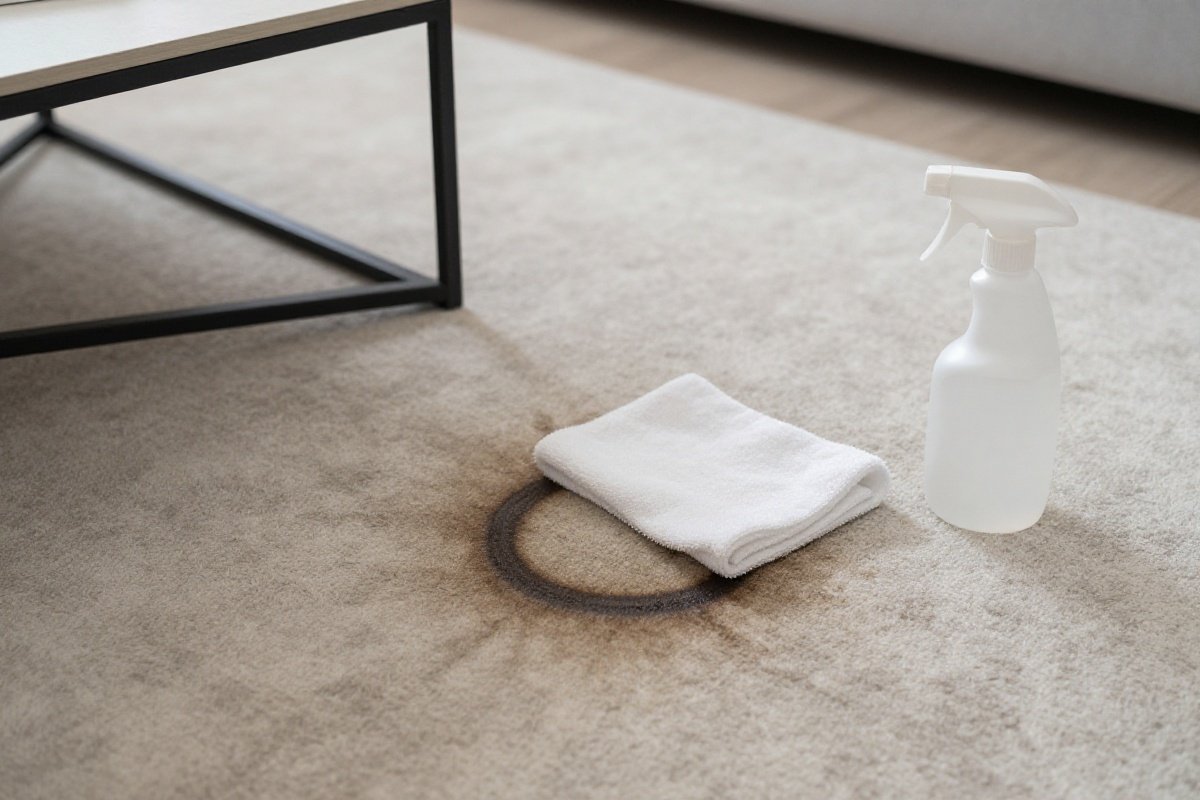
Quick action on spills makes the difference between easy cleanup and permanent stains. Always keep basic stain removal supplies readily accessible - the longer a spill sits, the harder it becomes to remove. Never scrub or rub stains vigorously; this pushes the stain deeper and can damage carpet fibers. Instead, blot gently from the outside of the stain toward the center to avoid spreading.
General Stain Removal Principles
Before addressing specific stains, understand these universal principles:
- Act immediately - Fresh spills are exponentially easier to remove than set stains
- Blot, never rub - Rubbing damages fibers and spreads stains; blotting lifts the stain
- Work from outside in - Starting at the stain’s edge prevents spreading
- Test cleaning solutions - Always test in an inconspicuous area first
- Avoid over-wetting - Excess moisture damages backing and padding, potentially causing mold
- Rinse thoroughly - Cleaning solution residue attracts dirt, causing rapid resoiling
- Dry completely - Moisture promotes mold growth and backing deterioration
Common Household Stains
Food & Drink:
- Blot immediately with clean white cloths or paper towels - never use colored towels that might transfer dye
- Apply a solution of warm water (not hot) and a few drops of mild dish soap
- Blot from the outside of the stain inward, using a clean section of cloth with each blot
- Rinse the area by blotting with clean water to remove all soap residue
- Dry thoroughly with clean towels, then allow to air dry completely
- If the stain persists, repeat the process or try a carpet-specific stain remover
- For sugar-based drinks, ensure thorough rinsing to prevent sticky residue that attracts dirt
Coffee and Tea:
- Blot up as much liquid as possible immediately
- Mix one tablespoon white vinegar with one tablespoon dish soap and two cups warm water
- Apply solution sparingly with a clean cloth
- Blot repeatedly until stain lifts
- Rinse with clean water and blot dry
- For cream-based coffee drinks, treat as a protein stain (see below)
Pet Accidents:
- Blot up as much as possible using paper towels or old cloths - apply pressure to absorb liquid from padding
- Apply enzymatic cleaner specifically designed for pet stains (products like Nature’s Miracle or Rocco & Roxie)
- Wait the full recommended time (typically 10-15 minutes) - enzymes need time to break down proteins
- Blot (don’t rinse yet) to remove the enzymatic cleaner
- If odor persists, reapply enzymatic cleaner and wait longer
- After odor is eliminated, rinse with clean water and blot dry
- Allow to air dry completely - use fans to accelerate drying
- Never use steam cleaners or hot water on pet urine - heat permanently sets the proteins
Oil/Grease:
- Sprinkle baking soda or cornstarch liberally on the stain to absorb oil
- Wait 15-30 minutes for maximum absorption
- Vacuum thoroughly to remove the powder
- Apply a small amount of dry cleaning solvent or rubbing alcohol to a clean cloth
- Blot the stain gently - don’t pour solvent directly on carpet
- Repeat if necessary with fresh solvent and clean cloth sections
- Rinse with clean water and blot dry
- For kitchen grease, a mixture of dish soap (which cuts grease) and warm water may work after the initial absorption step
Red Wine:
- Blot immediately - speed is critical with wine stains
- Pour club soda directly on the stain while fresh - the carbonation helps lift the wine
- Blot repeatedly with clean cloths
- If stain persists, make a paste of 3 parts baking soda to 1 part water
- Apply the paste to the stain and let dry completely
- Vacuum up the dried paste
- If traces remain, use a mixture of hydrogen peroxide and dish soap (test first - peroxide can bleach some carpets)
Ink Stains:
- Blot with rubbing alcohol on a clean white cloth - don’t oversaturate
- Blot repeatedly, using clean sections of cloth
- For stubborn ink, use hair spray (the alcohol content helps) or commercial ink remover
- Work from outside to center to prevent spreading
- Rinse with clean water and blot dry
- Repeat as necessary - ink may require multiple treatments
Blood Stains:
- Always use cold water - hot water sets protein stains permanently
- Blot with cold water until no more blood transfers to the cloth
- Mix two tablespoons ammonia with one cup cold water
- Apply solution and blot repeatedly
- Rinse thoroughly with cold water
- If stain persists, apply hydrogen peroxide (test first) and blot
- Rinse and dry completely
Mud and Dirt:
- Let mud dry completely - trying to clean wet mud spreads it
- Vacuum thoroughly to remove dried mud particles
- Apply carpet cleaner solution to remaining stain
- Blot until clean
- Rinse and dry
- For ground-in dirt, a carpet cleaning machine may be necessary
Stain Removal Supplies to Keep on Hand
Maintain a carpet care kit with these essentials:
- Clean white cloths or paper towels (never use colored towels)
- Enzymatic pet stain cleaner
- Mild dish soap
- White vinegar
- Baking soda
- Rubbing alcohol (70% or 90%)
- Hydrogen peroxide (3%)
- Club soda
- Spray bottle for mixing solutions
- Commercial carpet stain remover
- Carpet spot cleaner machine (for serious stain-prone households)
Deep Cleaning Methods
Regular vacuuming removes surface dirt and prevents abrasion, but deep cleaning is necessary to remove embedded soil, allergens, and contaminants that regular vacuuming can’t reach. Most carpet warranties require professional cleaning every 12-18 months to remain valid, and manufacturers recommend this frequency because embedded dirt causes premature fiber wear.
Hot Water Extraction (Steam Cleaning)
Best For: Deep soil removal, allergy control, comprehensive cleaning
Frequency: Every 12-18 months (6-12 months for high-traffic or pet homes)
Pros: Most thorough cleaning method, removes deep dirt, recommended by carpet manufacturers, restores appearance, removes allergens
Cons: Long drying time (6-24 hours), requires planning around family schedule, improper technique can over-wet carpet
Hot water extraction, commonly called “steam cleaning” (though it doesn’t actually use steam), injects hot water and cleaning solution deep into carpet fibers, then immediately extracts it along with dissolved dirt. For a step-by-step walkthrough, see our how to deep clean carpet guide. This method reaches the carpet backing and removes contaminants that have worked their way deep into the pile.
Professional vs. DIY: Professional equipment generates significantly more heat and suction than rental machines, resulting in deeper cleaning and faster drying. However, rental machines like those from Rug Doctor or Bissell work adequately for maintenance between professional cleanings. If you go the DIY route, make multiple slow passes in extraction mode to remove as much water as possible - inadequate water removal leads to extended drying times and potential mold issues.
Drying considerations: Proper drying is critical. Open windows, run fans, and use dehumidifiers to accelerate drying. Walk on carpet minimally until fully dry. If carpet isn’t dry within 24 hours, you’ve over-wet it or haven’t extracted enough water - this can damage backing, promote mold growth, and cause carpet delamination.
Dry Cleaning (Compound Method)
Best For: Quick cleaning, delicate carpets, situations requiring minimal downtime
Frequency: Every 6-12 months
Pros: Fast drying (1-2 hours), less disruption, minimal moisture risk, good for maintenance
Cons: Less thorough than hot water extraction, more expensive per cleaning, limited stain removal
Dry cleaning uses absorbent compounds that attach to dirt particles. The compound is spread over the carpet, worked in with a machine, allowed to dwell, then vacuumed up along with the attached dirt. Modern dry cleaning compounds are more effective than older formulations, though they still can’t match hot water extraction for deep soil removal.
This method works well for commercial spaces that can’t close for extended drying times, or for maintenance cleaning between hot water extraction sessions. Some carpet types, particularly wool and natural fibers, benefit from dry cleaning’s minimal moisture exposure.
Carpet Shampooing
Best For: Surface cleaning, odor removal, spot treatments
Frequency: As needed
Pros: Good for spot treatment, effectively removes surface dirt, addresses odors
Cons: Can leave residue that attracts dirt, may require additional rinsing, old-fashioned method largely replaced by better options
Traditional carpet shampooing creates foam that encapsulates dirt particles. The shampoo is worked into the carpet with rotating brushes, then allowed to dry. Once dry, the encapsulated dirt is vacuumed up. However, removing all shampoo residue is difficult, and remaining residue attracts dirt rapidly, causing the carpet to resoil quickly.
Modern encapsulation cleaning improves on traditional shampooing by using crystallizing polymers that don’t leave sticky residue. This method offers a middle ground between dry cleaning and hot water extraction in terms of cleaning power and drying time.
Bonnet Cleaning
Best For: Quick commercial surface cleaning, maintaining appearance between deep cleanings
Frequency: As needed in commercial settings
Pros: Very fast, minimal moisture, good for appearance maintenance
Cons: Only cleans surface, can push dirt deeper, not suitable for residential deep cleaning
Bonnet cleaning uses a rotating pad soaked in cleaning solution to absorb surface dirt. This method is common in hotels and commercial spaces for quick touch-ups but isn’t recommended for residential deep cleaning. The method can actually push dirt deeper into the carpet pile while only cleaning the surface.
DIY vs. Professional Cleaning
When DIY is appropriate:
- Maintenance cleaning between professional sessions
- Spot treatment of small areas
- Budget constraints make professional cleaning difficult
- Fresh spills that need immediate attention
- Low-traffic homes with minimal soiling
When professional cleaning is necessary:
- Annual or biannual whole-house deep cleaning
- Persistent odors that don’t respond to DIY treatment
- Carpet warranty maintenance requirements
- Heavy soiling from water damage or major spills
- Before/after moving in or out
- Homes with severe allergies requiring maximum allergen removal
- Restoration of badly neglected carpets
Professional cleaners bring powerful truck-mounted equipment, effective cleaning solutions, and expertise in treating various carpet types and stains. The investment varies based on home size and carpet condition, but should be considered essential maintenance rather than optional service.
Carpet Protection Tips
Preventing damage is far easier and less expensive than repairing it. These protective measures extend carpet life significantly while reducing maintenance demands.
Prevention
- Use entrance mats - Place mats both outside and inside every exterior door. Mats trap dirt, moisture, and debris before they reach carpet. The first few steps inside a home deposit the most dirt, so using mats can eliminate 70% or more of incoming soil.
- Remove shoes indoors - Shoes track in dirt, oils, pesticides, and other contaminants. Establishing a shoes-off policy dramatically reduces carpet soiling and extends its life. Provide a convenient shoe storage area near entrances.
- Apply carpet protector after cleaning - Products like Scotchgard create a protective barrier that makes fibers more resistant to staining. Reapply after each professional cleaning. Some carpet comes with factory-applied protector, but it wears away over time and needs replenishment.
- Keep pets’ nails trimmed - Long nails snag loop pile carpets and scratch backing. Regular nail trimming protects both carpet and hardwood floors.
- Use furniture coasters - Wide, flat coasters distribute furniture weight over a larger area, preventing indentations in carpet. Coasters are especially important under piano legs, bed frames, and heavy sofas.
- Install proper padding - Quality padding extends carpet life by absorbing impact and reducing wear. The right pad thickness depends on carpet type - too thick and carpet can buckle, too thin and it wears prematurely. Manufacturers typically recommend 3/8” to 1/2” padding for residential applications.
- Rotate area rugs - If you layer area rugs over carpet, rotate them every 6 months to ensure even wear and sun exposure.
Maintenance
- Vacuum regularly with appropriate settings - Consistent vacuuming removes abrasive dirt particles before they cut fibers. Adjust height so the vacuum makes contact without straining the motor.
- Address spills immediately - Set stains are exponentially harder to remove. Keep stain removal supplies accessible throughout your home.
- Rotate furniture periodically - Moving furniture even a few inches every 6 months prevents permanent traffic patterns and compression marks.
- Trim snags carefully - If a carpet fiber gets pulled up, use scissors to carefully trim it level with surrounding fibers. Never pull on a snag - it can create a run, especially in loop pile.
- Professional cleaning on schedule - Regular professional cleaning removes embedded dirt that accelerates wear, restores appearance, and maintains carpet warranties.
- Use rugs in high-traffic zones - Decorative rugs over carpet in high-traffic areas like hallways take the wear, protecting the carpet underneath. Ensure rugs have non-slip backing appropriate for use on carpet.
- Groom carpet after vacuuming - Use a carpet rake on plush and high-pile carpets to restore the upright appearance and ensure even fiber distribution.
- Maintain indoor air quality - Clean HVAC filters regularly and have ducts cleaned periodically. Cleaner air means less dust settling onto carpets.
Special Considerations for Pet Owners
Pets add specific challenges to carpet maintenance:
- Place washable rugs in areas where pets frequently rest
- Use enzymatic cleaners specifically designed for pet accidents
- Vacuum more frequently to remove pet hair before it embeds in fibers
- Consider carpet tiles in pet areas for easy replacement if damage occurs
- Wipe muddy paws immediately after outdoor time
- Use pet-safe carpet deodorizers to control odors between cleanings
- Train pets to use specific areas, protecting carpeted rooms if possible
- Consider hard surface flooring in areas where accidents are most likely (near doors, in pet sleeping areas)
Further Reading
- Does Vacuuming Remove Pet Dander? [2026 Science + Best Vacuums]
- Best Bagged Vacuum Cleaners for Pet Hair in 2026 - 5 Expert Picks
- Best Upright Vacuum for Pet Hair in 2026 - 5 Top Picks for Dog & Cat Owners
Signs Your Carpet Needs Attention
Recognizing problems early allows for intervention before damage becomes irreversible. Regular inspection helps you catch issues when they’re still manageable.
Immediate Action Needed:
- Visible stains or odors - Fresh stains are much easier to remove than set stains. Persistent odors indicate contamination that needs enzymatic or professional treatment.
- Mold or mildew smell - Musty odors indicate moisture problems in the carpet, padding, or subfloor. This requires immediate professional assessment to prevent health issues and structural damage.
- Pest infestation signs - Carpet beetles, moths (in wool carpets), or fleas require immediate treatment. Visible damage, shed skins, or adult insects indicate infestation.
- Water damage - Any water exposure beyond surface spills requires immediate extraction to prevent mold growth. Professional water damage restoration may be necessary for significant exposure.
- Loose seams or edges - Separating seams or lifting edges need repair before the problem worsens and requires carpet replacement.
- Ripples or buckling - These indicate installation problems or moisture issues and can cause accelerated wear if not addressed.
Plan Replacement Soon:
- Wear patterns in high-traffic areas - When traffic lanes show significantly more wear than surrounding areas, even professional cleaning won’t fully restore appearance. This typically indicates the carpet has reached the end of its useful life in those areas.
- Matting that won’t fluff - If carpet fibers stay compressed even after professional cleaning and grooming, the carpet has lost its resilience - a sign of age and heavy use.
- Persistent odors after cleaning - Odors that return shortly after cleaning indicate contamination in the padding or subfloor that cleaning can’t address.
- Over 10-15 years old - Carpet older than this has likely reached the end of its useful life even if it looks acceptable. Consider replacement, especially if padding is original - aged padding provides minimal cushioning and support.
- Visible backing or worn patches - Seeing carpet backing through the pile, or areas worn completely through, requires replacement. These areas can’t be effectively repaired.
- Padding deterioration -
Recommended Products
Miele Complete C3 Cat & Dog
Best for carpet careBest vacuum for comprehensive carpet care with pet hair.
What We Like
- Handheld turbo brush excellent for pet hair on furniture
- Bagged design hygienic for allergy sufferers
- German engineering with superior build quality
- Charcoal filter neutralizes pet odors effectively
What We Don't
- Very expensive compared to competitors
- Ongoing cost of replacement bags
- Lacks motorized powerhead in base configuration
Dyson Ball Animal 3
Best uprightBest upright for deep carpet cleaning and maintenance.
What We Like
- Powerful motorized brush bar for deep carpet cleaning
- Tangle-free turbine tool prevents hair wrap
- Strong 290 AW suction power
- Whole-machine HEPA filtration captures allergens
- Ball technology for easy steering around furniture
What We Don't
- Premium price point for a corded upright
- Heavy at 17.4 lbs for prolonged use
- Small dustbin capacity requires frequent emptying
Shark Navigator Lift-Away
Best valueBest value vacuum for versatile carpet care.
What We Like
- Lift-away feature for versatile cleaning of stairs and furniture
- HEPA filter with Anti-Allergen Complete Seal technology
- Swivel steering for easy maneuverability
- Durable build quality with 5-year warranty
What We Don't
- Heavier at 12.5 lbs compared to some competitors
- Corded design limits cleaning range
- No self-cleaning brushroll - requires manual hair removal
- Smaller dustbin than some competitors at 0.9 quarts
Miele Classic C1 Pure Suction
Best gentle suctionThe Miele Classic C1 Pure Suction uses a smooth floor nozzle without a rotating brush, making it ideal for hardwood, tile, and delicate rugs that powered brushes can damage. Best for homes with primarily hard flooring who want Miele build quality, 6-speed suction control, and 72 dB quiet operation.
What We Like
- Pure suction design ideal for hardwood and smooth floors
- No rotating brush to damage delicate surfaces
- Quiet operation at 72 dB
- 6-speed suction control for versatile cleaning
What We Don't
- Not suitable for deep carpet cleaning without powered brush
- Requires ongoing bag purchases
- Heavier than modern bagless alternatives
Dyson V15 Detect
Best cordless vacuumThe most technologically advanced cordless vacuum available, with genuine innovations in dust detection and suction optimization. Best for tech-forward buyers with mostly hard floors.
What We Like
- Laser reveals microscopic dust on hard floors
- Piezo sensor counts particles and displays in real-time
- Anti-tangle Motorbar cleaner head prevents hair wrap
- Powerful 240 AW suction with auto-adjusting power
What We Don't
- 60-minute runtime only in Eco mode (8 min in Boost)
- Small 0.2-gallon dustbin requires frequent emptying
- Premium price point
- 4.5-hour charging time is lengthy
Bissell CleanView Swivel Pet 2252
Best budget pet vacuumThe Bissell CleanView Swivel Pet 2252 delivers impressive pet hair pickup and edge-to-edge cleaning at a budget-friendly price. An excellent entry-level upright for pet owners who want strong suction without spending $300+.
What We Like
- Triple Action Brush Roll loosens, lifts, and removes embedded pet hair from carpets
- Scatter-free technology keeps debris in the cleaning path on hard floors
- Edge-to-edge cleaning reaches baseboards and corners without attachments
- Large 1.0L dirt tank reduces emptying frequency during big cleaning sessions
- Swivel steering makes maneuvering around furniture and tight spaces effortless
What We Don't
- Corded design limits mobility and reach between rooms
- Louder than premium models, noticeable in quiet homes
- No HEPA filtration - not ideal for allergy sufferers
- Plastic construction feels less durable than higher-end Bissell models
Sources & Research
- Amazon Product Page
- Miele Official Product Page
- Miele Official Product Page
- Amazon Product Page
- Dyson Official Product Page
- Amazon Product Page
- Shark Official Website
- Shark Official Site
- Amazon Product Page
- Miele Official Product Page
- Miele Official Product Page
- Dyson official product page
- RTINGS lab test results
- Amazon Product Page
Continue Reading
Explore more pet cleaning & allergies content or browse our other categories.
Frequently Asked Questions
- How often should I vacuum my carpet?
- Vacuum frequency depends on traffic and household factors (see our full guide on [how often to vacuum](/how-often-should-i-vacuum/)). For high-traffic areas, vacuum daily or every other day. Medium-traffic areas need vacuuming 2-3 times per week. Low-traffic areas can be vacuumed weekly. Homes with pets should vacuum daily in pet areas to prevent hair and dander buildup. Homes with allergies benefit from more frequent vacuuming with HEPA-filtered vacuums. Commercial spaces and homes with children typically need more frequent cleaning. The key is consistency - regular vacuuming prevents dirt from becoming embedded in carpet fibers, making deep cleaning easier and extending carpet life.
- What is the difference between cut pile and loop pile carpet?
- Cut pile carpet has fibers that are cut at the ends, creating a soft, plush surface. Types include Saxony (formal, shows footprints), Textured (casual, hides marks), Frieze (twisted, durable), and Plush (velvet-like, formal). Cut pile is softer underfoot but shows vacuum marks and wear patterns more easily. Loop pile carpet has uncut yarn loops, creating a more durable, textured surface. Types include Level Loop (uniform, commercial), Multi-Level Loop (patterned), and Berber (large loops, casual). Loop pile is more durable and hides dirt better but can snag on pet claws or furniture. Cut pile is better for bedrooms and formal areas; loop pile excels in high-traffic areas and homes with active families.
- Can I use any vacuum on Berber carpet?
- No, Berber carpet requires careful vacuum selection. The large, uncut loops can snag on aggressive brushrolls, causing runs and damage. For Berber carpet, use a vacuum with adjustable height settings set to high, a suction-only canister vacuum, or an upright with a gentle brushroll that can be turned off or raised. Avoid vacuums with beater bars that cannot be disabled. Canister vacuums with parquet brushes work well. If using an upright, ensure the brushroll doesn't catch on the loops. Some Berber carpets have warranties that specify approved vacuum types - check your carpet warranty before selecting a vacuum. Miele and other premium brands often include Berber-safe attachments.
- How do I remove pet stains from carpet?
- For pet stains, act quickly: (1) Blot up as much liquid as possible with paper towels - never rub, which spreads the stain; (2) Apply an enzymatic pet stain remover (Nature's Miracle, Rocco & Roxie) that breaks down proteins in urine and feces; (3) Let the cleaner sit for 10-15 minutes per product instructions; (4) Blot again with clean towels; (5) Rinse with clean water and blot dry; (6) For old or set stains, you may need a carpet cleaning machine with pet-specific solution. Avoid steam cleaners on pet stains - heat can set protein stains permanently. For recurring accidents in the same spot, consider a blacklight to find all affected areas, then treat thoroughly. Professional cleaning may be needed for severe or widespread staining.
- When should I have my carpets professionally cleaned?
- Professional carpet cleaning is recommended every 12-18 months for most homes. However, adjust based on: (1) Traffic - high-traffic homes need cleaning every 6-12 months; (2) Pets - homes with pets benefit from cleaning every 6-12 months; (3) Allergies - allergy sufferers should clean every 6 months with hypoallergenic methods; (4) Children - homes with young children may need more frequent cleaning; (5) Carpet color - light carpets show dirt faster; (6) Warranty requirements - some carpet warranties require professional cleaning at specified intervals to remain valid. Signs you need professional cleaning include visible traffic patterns, persistent odors, allergies acting up, or the carpet looking dull despite regular vacuuming. Professional hot water extraction (steam cleaning) is the most thorough method.
Written By
Home Vacuum Zone
Our team researches, tests, and reviews vacuum cleaners to help you make confident buying decisions.
Related Articles
Best Vacuums for Cat Litter 2026
We tested the best vacuums for cat litter cleanup in 2026. Our picks handle tracked granules, dust, and odors while surviving the abuse of daily litter patrol.
Best Bagged Vacuum Cleaners for Pet Hair in 2026 - 5 Expert Picks
Discover the best bagged vacuum cleaners for pet hair in 2026. Our expert picks include Miele, Kenmore, and Oreck models with HEPA filtration and superior pet hair pickup.
Best Canister Vacuum Cleaners for Pet Hair in 2026 - 4 Expert Picks
Discover the best canister vacuum cleaners for pet hair in 2026. Top picks include Miele, Dyson, and Kenmore models with powerful suction and pet-specific attachments.