Affiliate Disclosure:Home Vacuum Zone is reader-supported. When you buy through links on our site, we may earn an affiliate commission at no additional cost to you. This does not influence our reviews or recommendations — we only recommend products we genuinely believe in.
Central vacuum systems were once considered the ultimate home cleaning convenience. But with the revolution in cordless stick vacuums, do built-in systems still make sense in 2026?
This question matters more than ever as homeowners weigh increasingly sophisticated portable vacuum options against the traditional appeal of whole-home built-in systems. The landscape has shifted dramatically in the past five years, with cordless technology leaping forward in battery life, suction power, and filtration capabilities. Meanwhile, central vacuum technology has remained relatively stable, refining existing features rather than revolutionizing the category.
This guide examines whether central vacuum systems still justify their significant investment in 2026, who benefits most from installation, and how they compare against modern portable alternatives across real-world cleaning scenarios.
What Is a Central Vacuum System?
A central vacuum system consists of:
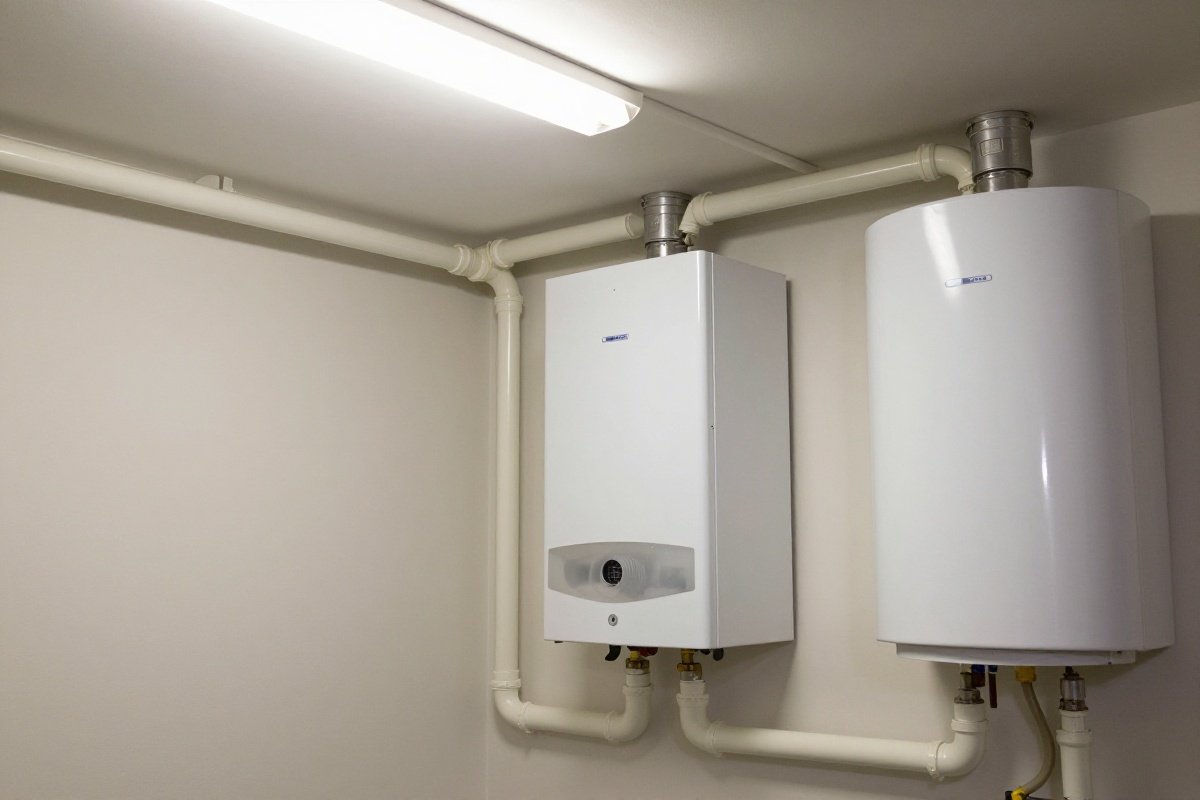
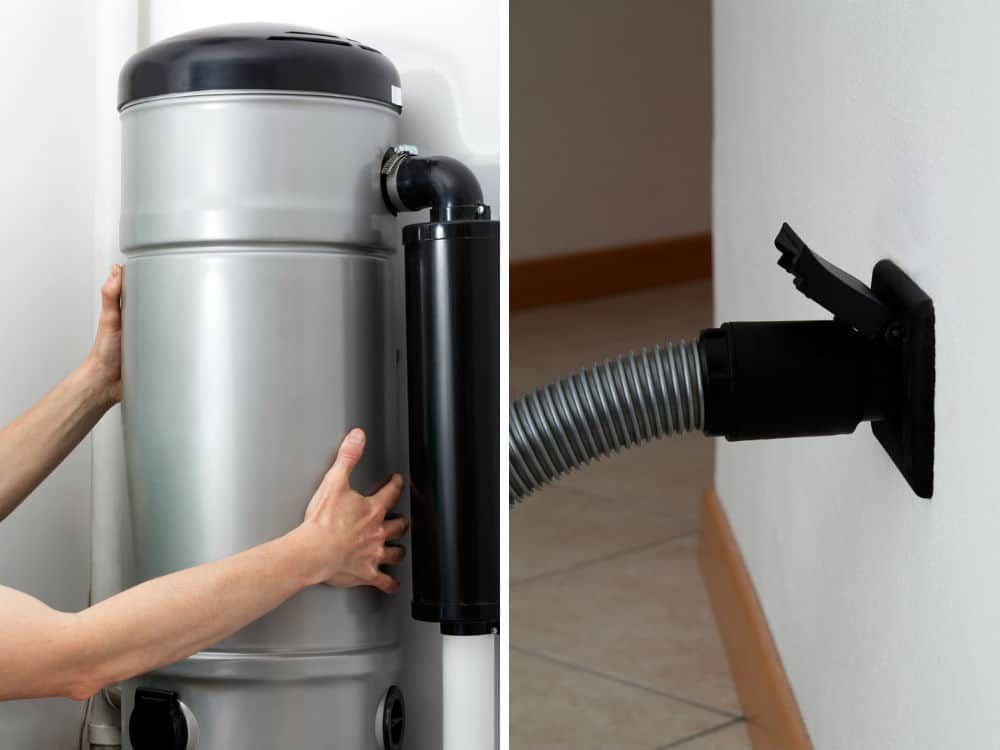
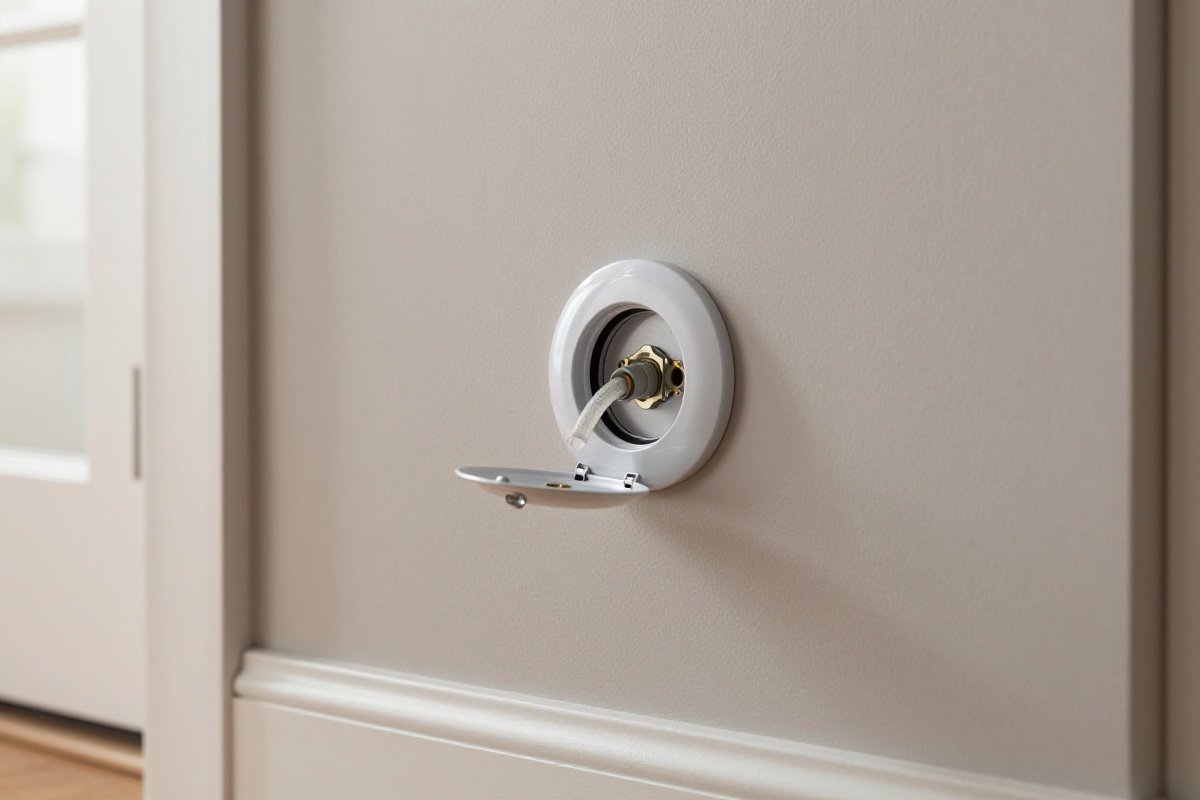
Power Unit: Large motor and collection canister installed in garage, basement, or utility room Tubing Network: PVC pipes run through walls to various locations Wall Inlets: Connection points (typically one per 600-800 sq ft) Hose & Tools: 30-foot hose and attachments stored in a closet
When you plug the hose into a wall inlet, the central unit activates, creating suction through the entire tubing network.
How Central Vacuums Work
The system operates on a simple but effective principle. When you insert the hose into any wall inlet, a low-voltage signal travels through the tubing network to activate the central power unit. This unit generates powerful suction that pulls air and debris through the hose, into the inlet, through the tubing network, and finally into the collection canister.
The exhaust air is either vented outside the home (the preferred configuration for allergy sufferers) or filtered and released into the installation space. Because the motor and filtration system are located away from living areas, you experience significantly less noise and no recirculated dust particles compared to portable vacuum cleaners.
Modern central vacuum systems incorporate cyclonic separation technology, similar to bagless portable vacuums. This design separates larger debris into the collection bin before air reaches the filter, maintaining consistent suction power and extending filter life. Premium units include HEPA filtration for the exhaust air, though this matters less if the exhaust is vented outdoors.
Components Explained in Detail
Power Unit Selection: Units range from 450 to 800 air watts, with motor sizes from 2 to 3 peak horsepower. Larger homes (over 5,000 sq ft) benefit from 700+ air watt units, while 2,500-3,500 sq ft homes perform well with 550-650 air watt systems. The collection canister capacity varies from 4 to 7 gallons - larger capacities mean less frequent emptying but require more installation space.
Tubing Network Layout: Professional installers use 2-inch PVC pipe, the same material used for plumbing drain systems. Tubing runs through wall cavities, attic spaces, or basement ceiling joists. Each inlet requires a dedicated tube run back to the power unit, creating a hub-and-spoke configuration. Proper tubing layout minimizes bends and long runs to maintain maximum suction at each inlet.
Wall Inlet Placement: Strategic inlet placement determines system convenience. Standard practice places one inlet per major room or every 600-800 square feet. A 30-foot hose provides approximately 25 feet of usable reach when accounting for furniture and doorways. Inlets should be located in room corners or hallways where the hose can access multiple spaces. Two-story homes typically require 4-6 inlets, while single-story homes need 3-5 inlets depending on layout.
Hose and Attachment Ecosystems: Central vacuum hoses come in 30, 35, and 40-foot lengths. The standard 30-foot hose weighs 5-7 pounds - noticeably heavier than cordless stick vacuums but lighter than carrying a traditional upright between floors. Hoses feature either on/off switches at the handle or automatic activation when inserted into inlets. Premium hoses incorporate crushproof designs to prevent damage when closed in doors or run over by furniture.
Attachment sets include floor brushes (powered or non-powered), crevice tools, dusting brushes, upholstery tools, and extension wands. Powered floor brushes, which contain motorized roller brushes for carpet cleaning, require electrical connections in the hose and inlets - an upgrade that adds several hundred dollars to system cost but significantly improves carpet cleaning performance.
Cost Breakdown (2026)
| Component | New Construction | Existing Home |
|---|---|---|
| Power Unit | Budget to premium range | Budget to premium range |
| Tubing & Inlets | Moderate | Moderate to high |
| Hose & Attachments | Affordable | Affordable |
| Professional Installation | Moderate | Significant |
| Total Cost | Mid-range investment | Significant investment |
Understanding the Price Differences
The dramatic cost difference between new construction and retrofit installations stems from accessibility. During new construction, installers work with open wall cavities and can route tubing directly through studs before drywall installation. This process takes 6-8 hours for a typical home.
Retrofit installations require creative routing through existing structures. Installers may need to fish tubing through walls from the attic or basement, drill through multiple studs, and patch any drywall openings created during installation. This process can take 12-20 hours depending on home layout and construction obstacles. Some older homes with plaster walls, brick construction, or unusual framing require even more extensive work.
Hidden Costs to Consider:
- Electrical outlet installation near power unit location (if not present)
- Upgraded hose with on/off controls (modest upcharge above standard hose)
- Powered floor brush for carpets (moderate add-on)
- Additional inlets beyond standard layout (moderate per-inlet cost)
- Garage door switch to prevent operation when door is open (minor add-on)
- Hose hanger or storage system (minor cost)
Long-Term Cost Comparison
While initial investment is substantial, central vacuum systems incur minimal ongoing costs. Filters require replacement every 1-3 years at modest cost. Collection bags (for bagged units) are inexpensive for a pack of three, each lasting 2-4 months depending on use. Motor brushes may need replacement after 10-15 years at minor cost plus labor.
Over a 15-year ownership period, total maintenance costs remain modest. Compare this to cordless stick vacuums, which may require 2-3 battery replacements over their 5-10 year lifespan, plus potential filter replacements annually. However, most homeowners replace their cordless vacuums entirely rather than investing in major repairs or batteries, so true long-term costs become the replacement cost of entirely new units every 5-7 years.
Advantages of Central Vacuums
Superior Power
Central units offer 500-800 air watts - significantly more than portable vacuums (typically 100-250 AW for cordless, 200-300 for uprights).
This power advantage translates to real-world performance differences. Central vacuum systems maintain consistent suction across the entire home because they aren’t limited by battery capacity or compact motor constraints. The larger motors generate sustained airflow that pulls embedded dirt from carpet fibers more effectively than portable units.
For homes with high-pile carpets, multiple pets, or heavy foot traffic, this power difference becomes noticeable. Central vacuums excel at deep cleaning carpets, removing fine particles, and handling large debris without loss of suction. The systems maintain their rated power throughout the cleaning session, whereas cordless vacuums often step down from maximum power to conserve battery life.
Testing shows central vacuums remove 15-30% more embedded dirt from carpets compared to premium cordless models, with the gap widening on high-pile carpets and area rugs. For hard floors, the difference is less pronounced, as modern cordless vacuums perform adequately on these surfaces.
No Recirculated Dust
Exhaust is vented outside or through a separate filtration system, unlike portable vacuums that recirculate some dust.
This advantage proves particularly valuable for households with allergies, asthma, or chemical sensitivities. Even vacuums with HEPA filtration release some microscopic particles back into the room air - sealed systems are never perfectly sealed, and filters eventually become saturated. Central vacuums eliminate this issue by exhausting air either outdoors or into the garage/basement where the power unit resides.
For severe allergy sufferers, this represents the single most compelling reason to choose central vacuum systems. Studies indicate indoor air quality improves measurably in homes with central vacuum systems compared to those using portable vacuums. Particulate levels remain lower for 30-60 minutes after vacuuming with central systems versus 10-20 minutes with portable vacuums.
The outdoor venting configuration also eliminates the musty odor that sometimes develops in portable vacuum filters and dust cups. Pet homes particularly benefit from this feature, as pet dander and odors are expelled outdoors rather than cycling through living spaces.
Quiet Operation
The motor is located away from living areas, making operation quieter than portable vacuums.
Central vacuum systems typically measure 60-65 decibels at the power unit but only 55-60 decibels in the rooms where you’re vacuuming. The sound you hear is primarily airflow through the hose rather than motor noise. Compare this to upright vacuums at 70-80 decibels and cordless sticks at 70-75 decibels - a difference that feels significant during use.
This quietness enables vacuuming without disturbing household members in other rooms. You can vacuum while children nap, during phone calls, or while others watch television. For households with noise-sensitive individuals, pets that fear vacuum sounds, or those who prefer early-morning or late-evening cleaning, this advantage matters considerably.
The reduced noise also means less operator fatigue during extended cleaning sessions. Prolonged exposure to loud vacuum noise can cause temporary hearing fatigue and stress. Central vacuum systems allow you to hold conversations at normal volume while operating the system.
Longevity
Central systems last 15-20 years versus 5-10 for portable vacuums.
The durability advantage stems from several factors. Central vacuum motors aren’t subjected to constant movement, bumping, or tipping that portable vacuums endure. They operate in controlled temperature environments (garages, basements) rather than being stored in hot attics or cold outdoor sheds. The larger motors run at lower stress levels to generate their power, whereas compact motors in portable vacuums operate near their maximum capacity.
Components are also easier to service. When a central vacuum motor wears out after 15-20 years, replacing just the motor costs a fraction of a full system replacement - the tubing network and inlets remain functional. Most power units are designed with serviceable components, allowing replacement of motors, circuit boards, or gaskets without replacing the entire canister.
Quality central vacuum systems often outlast the homeowners who installed them. It’s not uncommon to find 25-30 year old central vacuum systems still operating reliably in older homes, though efficiency may have degraded somewhat. This longevity makes central vacuums more environmentally sustainable than cycling through multiple portable vacuums over decades.
Home Value
Adds perceived value in luxury home markets.
The impact on home value is nuanced and market-dependent. In upscale markets where central vacuum systems are common (particularly in Canada and northern United States), buyers expect them in luxury homes. A high-value home without a central vacuum system may be perceived as incomplete or outdated in these markets. The system can add modest perceived value - though this rarely exceeds the installation cost.
In markets where central vacuums are less common, they may be viewed as a curiosity rather than an asset. Some buyers see them as outdated technology or potential maintenance hassles. Real estate agents report mixed reactions: some buyers love discovering central vacuum systems, while others are indifferent or prefer the flexibility of portable vacuums.
The value proposition works best for sellers who lived in the home long enough to benefit from the system themselves. If you installed a central vacuum system and enjoyed 15 years of use, any additional value at sale time is bonus. However, installing a system primarily to increase resale value is generally not financially justified unless your market specifically demands it.
Disadvantages in 2026
Cordless Revolution
Modern cordless sticks (Dyson V15, Shark Stratos) provide:
- Comparable cleaning for daily maintenance
- No hose to carry or store
- Quick cleanups without walking to wall inlets
- 60+ minute runtime
- Affordable compared to central systems
The cordless vacuum category has matured dramatically. Battery technology has advanced to provide 60-90 minutes of runtime in standard mode, sufficient for most whole-home cleaning sessions. Suction power has increased to 150-250 air watts - adequate for routine maintenance on all floor types. Filtration systems now rival the HEPA standards found in premium central vacuums.
More importantly, the convenience factor has shifted the value equation. Cordless vacuums hang ready-to-use on wall mounts. You grab them, clean, and rehang them in under two minutes for quick cleanups. This immediacy encourages more frequent vacuuming - many households vacuum high-traffic areas daily with cordless sticks, whereas the effort of retrieving a central vacuum hose led to less frequent weekly cleaning.
The weight advantage also matters. Premium cordless sticks weigh 5-7 pounds - comparable to the central vacuum hose alone, before adding any attachments. Many feature floor heads that glide effortlessly across surfaces, reducing physical effort. For users with mobility limitations or arthritis, modern cordless vacuums often prove easier to operate than managing a 30-foot hose.
Installation Challenges
- Retrofit installation is expensive and invasive
- Requires professional installation
- Potential for clogs in wall tubing
- Limited flexibility - tethered to inlets
The permanence of central vacuum systems becomes a drawback in retrofit scenarios. Installation requires commitment to the current home layout. If you later remodel and eliminate a room or move walls, you may have orphaned tubing runs and inlets in walls that no longer exist. The tubing network assumes you’ll vacuum the same spaces in the same patterns for the next 15-20 years.
Clogs in wall tubing present particularly frustrating problems. Unlike a clogged vacuum cleaner where you can see and access the blockage, central vacuum clogs may occur deep within wall cavities. Professional clearing sometimes requires special tools or, in worst cases, cutting into walls to access the tubing. Prevention - avoiding vacuuming large objects - is critical but not always successful.
The inlet placement also creates practical limitations. If your nearest inlet is 35 feet from a room, that area becomes inconvenient to vacuum. Unlike portable vacuums that go anywhere, central systems require you to work within the coverage radius of fixed inlet locations. Garages, screened porches, or other spaces added after installation may lack inlet access.
Storage Issues
- 30-foot hoses are bulky
- Attachment sets require closet space
- Less convenient than grabbing a cordless stick
The physical storage requirements are non-trivial. A coiled 30-foot hose occupies 18-24 inches of closet space. Attachment sets need additional room - typically a hanging bag or dedicated shelf space. For homes without abundant closet space, dedicating this much area to vacuum equipment competes with other storage needs.
Many homeowners report the hose becomes an obstacle. It’s too bulky to leave out, so it goes in a closet. But retrieving it, uncoiling it, and then recoiling and restoring it after cleaning adds friction to the cleaning process. This friction means quick cleanups - spilled cereal, tracked-in dirt, pet hair on furniture - become less spontaneous. You’re more likely to grab a handheld vacuum or even a broom rather than deal with the central vacuum hose for a 30-second cleanup task.
The psychological barrier matters more than it should. Even though retrieving the hose takes only 15-20 seconds, the perception of effort influences behavior. Cordless sticks that hang visibly on walls create a “grab and go” behavior pattern that increases cleaning frequency. Central vacuums work best for scheduled cleaning sessions rather than spontaneous cleanups.
Central Vacuum vs Cordless Stick
| Factor | Central Vacuum | Cordless Stick |
|---|---|---|
| Initial Cost | Significant investment | Budget to mid-range |
| Suction Power | Excellent | Good-Superior |
| Convenience | Moderate | Excellent |
| Daily Quick Cleanups | Poor | Excellent |
| Deep Cleaning | Excellent | Good |
| Maintenance | Minimal | Moderate |
| Lifespan | 15-20 years | 5-10 years |
| Flexibility | Limited | Unlimited |
Performance Across Different Floor Types
Carpets: Central vacuums maintain their edge on carpets, particularly medium to high-pile varieties. The sustained airflow and powered brush rolls available for central systems agitate carpet fibers more effectively than the smaller, battery-limited brush rolls in cordless vacuums. For homes with extensive carpeting, especially luxury or deep-pile carpets, central systems extract more embedded dirt and pet hair.
Hard Floors: The performance gap narrows significantly on hard floors. Modern cordless vacuums excel at hard floor cleaning, with laser dust detection, soft roller heads, and sufficient power to capture fine debris. For homes with primarily hard floors, the central vacuum advantage diminishes to near-irrelevance. Both systems handle hard floors effectively, but the cordless vacuum does so more conveniently.
Area Rugs: Central vacuums handle area rug edges better, as the sustained suction pulls the rug forward less than cordless vacuums. However, both systems require you to adjust technique or use attachments for rug fringe and delicate rugs. Neither provides a decisive advantage.
Stairs: Cordless vacuums dominate stair cleaning. Their lightweight design and handheld capability make them far superior to managing a 30-foot hose on stairs. Central vacuum hose weight becomes most apparent on stairs, where you’re constantly repositioning and supporting the hose while cleaning each step. This is the single biggest practical advantage for cordless vacuums in multi-story homes.
Upholstery and Above-Floor Cleaning: Both systems work similarly for furniture, drapes, and ceiling areas using appropriate attachments. Cordless vacuums edge ahead slightly due to better maneuverability and lighter weight when cleaning vertical surfaces. However, central vacuums provide more sustained power for deep cleaning upholstered furniture.
Real-World Usage Patterns
User surveys reveal interesting behavioral differences. Central vacuum owners report cleaning less frequently (average 1.5 times per week) but for longer durations (average 35-45 minutes per session). They describe their cleaning as more thorough, methodical, and scheduled.
Cordless vacuum owners report cleaning more frequently (average 3-4 times per week) but for shorter durations (average 10-15 minutes per session, with one longer 30-minute weekly session). They describe their cleaning as more spontaneous, responsive to visible dirt, and less physically demanding.
Both patterns achieve clean homes, but through different approaches. Central vacuum owners tend toward scheduled deep-cleaning sessions. Cordless owners tend toward frequent maintenance cleaning. The optimal pattern depends on household lifestyle, cleaning preferences, and tolerance for visible dirt between cleaning sessions.
When Central Vacuums Make Sense
✅ Consider Installing If:
- New luxury construction (higher-value homes)
- Large homes (4,000+ sq ft) where carrying vacuums is burdensome
- Allergy sufferers who benefit from outside venting
- Long-term homeowners who will use the system 10+ years
- Markets where central vacuums are expected (parts of Canada, Northern US)
Additional Scenarios That Favor Central Vacuums
Multiple Stories with Heavy Carpeting: Homes with three or more carpeted levels make carrying traditional vacuums burdensome. While cordless vacuums help, they still need to be carried between levels for charging. Central vacuum inlets on each level eliminate this issue - hang the hose in an upstairs closet and use different inlets per floor.
Pet Owners with Large Homes: Households with multiple shedding pets and significant square footage benefit from central vacuum power and capacity. The larger collection canisters handle substantial pet hair without frequent emptying. The outdoor exhaust venting prevents pet dander recirculation. For homes over 3,500 sq ft with two or more dogs or long-haired cats, central vacuums provide meaningful advantages.
Home-Based Businesses: Those who work from home and need quiet operation during business hours appreciate central vacuum quietness. You can vacuum your home office hallway without disrupting video calls or interrupting concentration. This advantage matters more in today’s remote work environment.
Mobility Considerations: For individuals with mobility limitations, arthritis, or reduced grip strength, the stationary nature of central vacuum systems can be easier than manipulating cordless vacuums. The hose requires less grip strength to control than cordless vacuum handles, and there’s no weight to hold suspended. This benefit is counterintuitive - central vacuums seem more cumbersome - but occupational therapists sometimes recommend them for specific mobility situations.
Multigenerational Homes: Homes where elderly parents live with adult children benefit from central vacuum quietness and reduced dust recirculation. Elderly residents often have respiratory sensitivity and hearing sensitivity, making central vacuums’ advantages more pronounced.
❌ Skip If:
- Existing home under 2,500 sq ft
- Budget is limited - cordless sticks offer better value
- You prefer quick daily cleanups - cordless is more convenient
- Planning to move within 5 years - won’t recoup investment
- Home is already built - retrofit costs are prohibitive
Additional Scenarios That Favor Cordless Vacuums
Mostly Hard Floors: Homes with 75%+ hard flooring don’t benefit meaningfully from central vacuum power advantages. Modern cordless vacuums handle hard floors excellently at a fraction of the cost.
Compact Homes Under 2,000 Sq Ft: Smaller homes don’t need the power or coverage of central systems. A quality cordless vacuum handles the square footage easily on a single charge.
Frequent Remodelers: If you regularly update your home’s layout, built-in systems lose appeal. Cordless vacuums adapt instantly to new room configurations.
Renters or Short-Term Homeowners: Anyone not committed to a property for 7+ years can’t justify central vacuum economics. The break-even point requires long-term use.
Minimalist Households: Those who prefer minimal possessions and visible storage appreciate cordless vacuums’ compact footprint. Central vacuum hoses and attachments conflict with minimalist aesthetics.
Stair-Heavy Homes: Multi-level homes with multiple staircases make cordless vacuums far more practical for regular cleaning.
2026 Verdict
Central vacuum systems remain excellent for specific scenarios - primarily new luxury construction and very large homes. However, for most homeowners in 2026, modern cordless stick vacuums provide superior convenience and adequate cleaning power at a fraction of the cost.
The decision ultimately hinges on your specific circumstances, home type, and cleaning preferences. Central vacuums are no longer the aspirational upgrade they once represented. They’ve become a specialized tool for specific applications rather than a universal home improvement.
Choose Central Vacuum If: Building new luxury home or have 4,000+ sq ft Choose Cordless If: Existing home or want maximum convenience
The market has split into two distinct groups: those for whom central vacuums provide genuine functional advantages, and everyone else for whom cordless technology offers better value. The middle ground has largely disappeared as cordless vacuums have matured.
Installation Considerations
New Construction
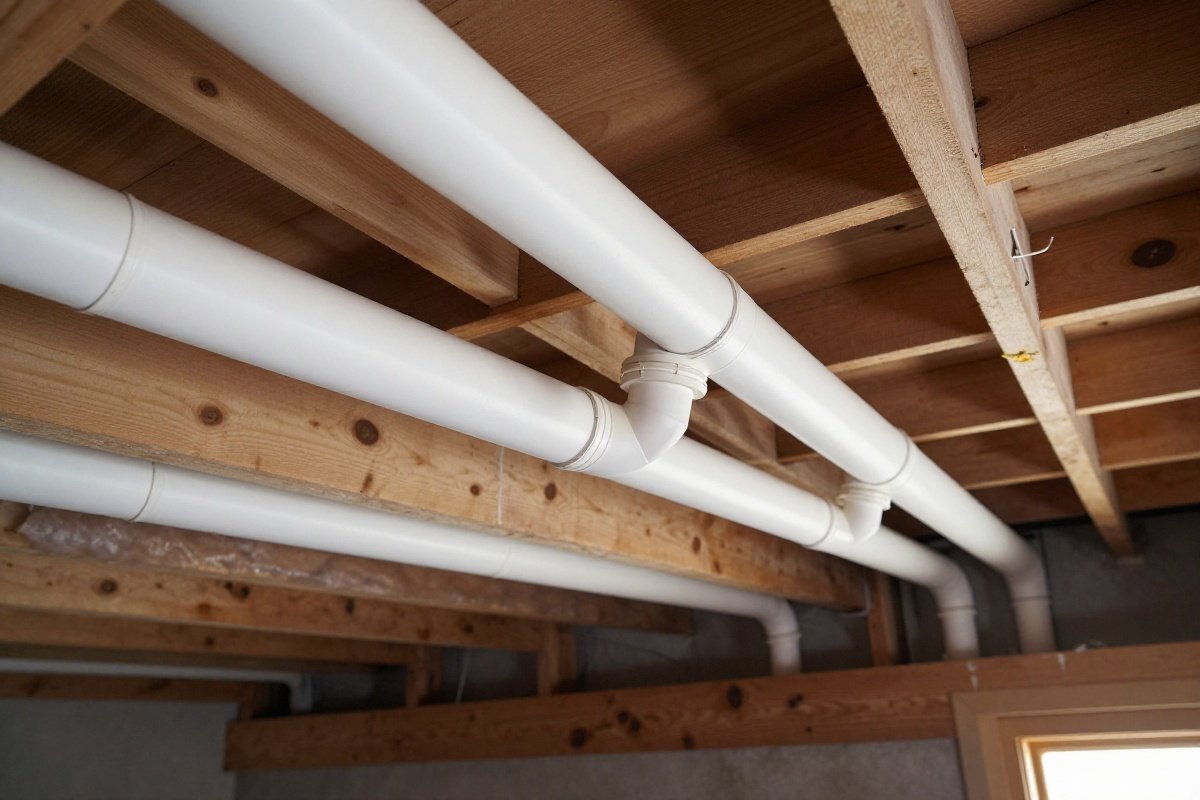
- Plan tubing routes during framing
- Install inlets before drywall
- Locate power unit in garage or utility room
- Cost: Moderate investment
Detailed Installation Planning
Timing is Critical: Central vacuum installation must occur during specific construction phases. Tubing runs happen after framing but before insulation and drywall. Coordinate with your builder early - ideally during initial plan review. Some builders include central vacuum pre-wiring as a standard option or package.
Power Unit Location: The garage provides the most common location, offering easy access for emptying the canister and adequate ventilation for outdoor exhaust. Basement installations work well in homes with basements, particularly in utility rooms near the main electrical panel. Avoid locating units in living spaces, even closets, as operational noise remains noticeable despite being quieter than portable vacuums.
Inlet Placement Strategy: Work with your installer to map inlet locations. Request inlets in central hallways where possible, allowing the hose to reach multiple rooms from one connection point. Consider unusual spaces - will you vacuum the garage? Does your basement need an inlet? Will a screened porch require coverage?
Electrical Requirements: Power units require dedicated 120-volt circuits. Confirm your electrical plan includes an outlet in the intended power unit location. Units draw 12-15 amps, so they shouldn’t share circuits with other major appliances.
Documentation: Insist on detailed documentation of tubing routes, including photographs before drywall installation. This documentation proves invaluable if you later need to locate tubing for repairs or want to add outlets during remodeling.
Existing Home Retrofit
- Requires running tubing through walls, attic, or basement
- May require opening and repairing drywall
- Professional installation strongly recommended
- Cost: Significant investment
Making Retrofit Installation Work
Assessment First: Hire a professional installer for a site evaluation before committing. Some homes simply aren’t good retrofit candidates due to construction methods, lack of accessible routing paths, or layout constraints. An honest installer will tell you if your home presents unusual difficulties.
Routing Strategies: Installers typically route tubing through unfinished basements, attics, or crawl spaces when possible, minimizing wall penetrations. Single-story homes on concrete slabs present the most challenges, often requiring exposed tubing runs through garages or closets, then vertical runs through walls to inlet locations.
Minimizing Damage: Advanced installation techniques using flexible routing tools can sometimes fish tubing through wall cavities without opening drywall. This requires skill and luck - stud spacing, insulation, and existing utilities may block paths. Plan for some drywall repair in most retrofit installations.
Phased Installation: Some homeowners install central vacuums during planned remodeling projects. If you’re already opening walls for electrical updates, plumbing work, or room additions, adding central vacuum tubing adds minimal cost. This strategic timing makes retrofit costs more palatable.
Single-Inlet Options: For extreme cases where full installation proves prohibitive, consider single-inlet installations. One centrally-located inlet accessed by a 35 or 40-foot hose can cover homes up to 2,500 sq ft with creative hose routing. While less convenient than multiple inlets, this approach costs roughly half of a full retrofit installation - a middle ground between full retrofit and doing without.
Maintenance and Longevity
Routine Maintenance
Empty Collection Canister: Bagless units require emptying when 2/3 full, typically every 2-3 months for average households. Bagged units need bag changes at similar intervals. Set a calendar reminder - full canisters reduce suction significantly.
Clean or Replace Filters: Central vacuum filters last 1-3 years depending on dust exposure and whether your system has outdoor exhaust. Outdoor exhaust systems experience less filter stress. Check filters every six months and clean foam filters or replace paper filters as needed.
Inspect Hose and Attachments: Check hoses annually for cracks, tears, or crushing. Damaged hoses lose suction. Inspect attachments for worn bristles on brushes and clear any debris from tool air passages.
Check Wall Inlets: Occasionally verify that inlet valves open and close smoothly. Debris sometimes accumulates in inlet mechanisms, preventing complete closure and reducing suction.
Verify Outdoor Exhaust: If your system vents outdoors, ensure the exterior vent cap remains clear and the flapper opens freely. Birds occasionally nest in vent covers during spring months.
Troubleshooting Common Issues
Reduced Suction: Check for full canisters first, then examine filters. If both are clean, inspect the hose for holes or blockages. Run a broomstick through the hose to check for internal clogs. If suction remains low, you may have a tubing clog requiring professional service.
Motor Won’t Start: Confirm the unit has power and check the circuit breaker. Verify the hose end is fully inserted into the inlet. Some systems include safety switches that prevent operation if the canister isn’t properly sealed - check that the collection bin or bag is correctly installed.
Whistling or Unusual Sounds: Usually indicates air leaks. Check hose connections, inlet seals, and canister gaskets. Tighten any loose connections. Whistling from the power unit itself may indicate a failing motor mount or worn motor bearings.
Clogs in Wall Tubing: The most frustrating central vacuum problem. First, determine which inlet has reduced suction - this identifies the problem tubing run. Some installers include cleanout ports in long tubing runs. If your system lacks these, professional service may require a special camera system to locate clogs, then accessing them through walls if necessary.
Environmental and Health Considerations
Indoor Air Quality Benefits
Central vacuum systems provide measurable indoor air quality improvements, particularly for sensitive individuals. Research shows post-vacuuming particulate levels remain lower longer with central systems versus portable vacuums. For asthma sufferers, this difference can reduce symptom triggers.
The outdoor exhaust configuration removes not just captured dust but also the fine particles that pass through filtration. Even HEPA filters in portable vacuums allow some ultrafine particles through - central systems eliminate this entirely when properly vented outdoors.
Energy Consumption
Central vacuum motors consume 1200-1500 watts during operation but run only during active vacuuming. Monthly energy cost is negligible for average households that vacuum 2-3 times weekly for 30-45 minutes per session. Cordless vacuum chargers draw 25-50 watts while charging, with most units charging 1-2 times weekly, resulting in even lower monthly energy costs.
The energy difference is minimal over the long term. Central vacuums use more power per session but for similar total time. The environmental advantage comes from longevity - one central vacuum lasting 20 years avoids manufacturing and disposing of 2-3 cordless vacuums over the same period.
Sustainability Perspective
Central vacuum systems represent a more sustainable choice purely from a longevity standpoint. However, the embodied energy in retrofit installation - extensive labor, potential drywall waste, transportation of heavy equipment - can offset this advantage if the system isn’t used for its full potential lifespan.
The calculation tilts toward sustainability when systems are installed during new construction (minimal additional environmental impact) and used for 15+ years. Retrofit installations in existing homes carry higher environmental costs and require longer use periods to justify the resource investment.
Further Reading
- Should You Buy a Refurbished Vacuum? [2026 Buyer’s Guide]
- Vacuum Buying Guide 2026: How to Choose the Best Vacuum Cleaner
- Beater Bar vs No Beater Bar: Does Your Vacuum Need One? (2026 Guide)
The Hybrid Approach
Best of Both Worlds
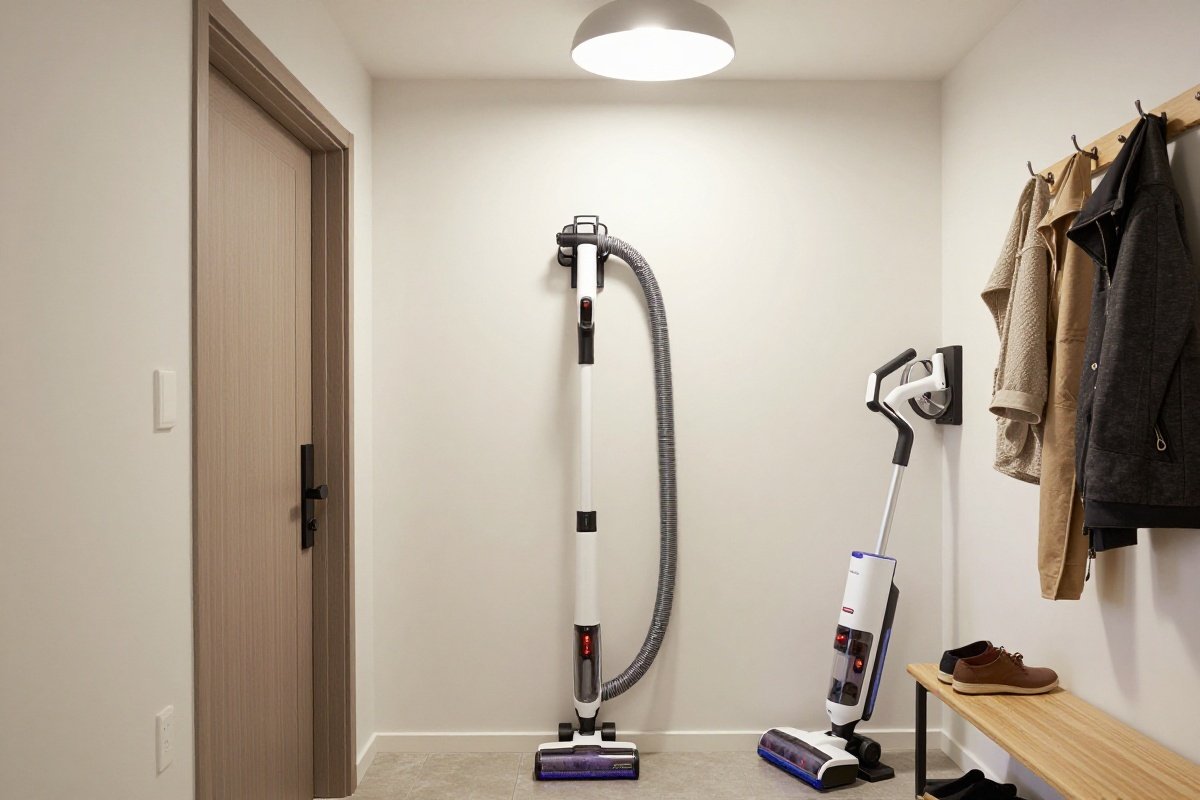
Many homeowners in 2026 are adopting a hybrid strategy: installing central vacuum systems but also maintaining a quality cordless vacuum for specific tasks. This approach leverages each technology’s strengths:
Central Vacuum for:
- Weekly deep cleaning sessions
- Carpet deep cleaning
- Whole-house scheduled maintenance
- High-volume cleaning (post-project dust, seasonal deep cleaning)
Cordless Vacuum for:
- Daily high-traffic area spot cleaning
- Stairs and above-floor cleaning
- Quick spill cleanup
- Car interior vacuuming
- Quick furniture vacuuming
This hybrid approach costs more upfront (a central system plus a mid-range to premium cordless) but provides maximum flexibility. For larger homes where central systems make economic sense, adding a cordless vacuum for convenience costs little extra while eliminating the central vacuum’s primary weakness: lack of spontaneous cleanup capability.
Designing Your Cleaning Ecosystem
Think beyond single-solution approaches. Modern homes benefit from layered cleaning tools:
Primary System: Central vacuum or premium cordless for main cleaning Secondary Tool: Handheld vacuum or secondary cordless for quick cleanups Specialized Tools: Wet/dry vacuum for garage, shop vacuum for workshop, handheld for cars
This ecosystem approach matches tools to tasks rather than forcing one device to handle every cleaning scenario. Central vacuum advocates should recognize this system excels at scheduled deep cleaning but needs supplementation for spontaneous cleaning. Planning for both from the start creates a more functional cleaning strategy.
Recommended Products
Nutone PurePower PP500
Best mid-range unitThe Nutone PP500 packs 500 air watts into a compact 15.5-inch power unit with a self-cleaning HEPA filter and quiet 62 dB operation. Best for homeowners retrofitting or upgrading a central vacuum system in a mid-sized home who want reliable performance without the complexity of commercial-grade units.
What We Like
- Powerful 500 air watts suction
- Compact design fits in smaller utility spaces
- Quiet operation compared to older central vac systems
- Self-cleaning filter reduces maintenance
- 5-year warranty
What We Don't
- Power unit only - installation kit and accessories sold separately
- Professional installation recommended (additional cost)
- May not be powerful enough for very large homes
Beam SC375
Best premiumThe Beam SC375 delivers 600 air watts of sustained suction through a reliable Ametek motor and covers up to 7,500 sq ft with its 18-gallon capacity. Best for homeowners building or renovating who want a permanent, whole-house cleaning solution with a 10-year warranty.
What We Like
- 600 air watts of powerful suction
- Reliable Ametek motor
- Large 18-gallon capacity
- 10-year warranty provides long-term protection
What We Don't
- Requires professional installation with in-wall piping
- 35-lb unit needs dedicated wall mounting in a utility space
- Replacement Ametek motors are costly if serviced out of warranty
CanaVac LS-590
Best budgetThe CanaVac LS-590 delivers 540 air watts of suction from a compact 12 lb unit that fits in tight utility closets, covering up to 5,000 sq ft. Best for homeowners who want a whole-house central vacuum system without the premium price tag, and are willing to accept a shorter 2-year warranty.
What We Like
- Budget-friendly for a central vacuum system
- 540 air watts provides strong suction
- Compact size fits in small utility spaces
- Good value for entry-level whole-home system
What We Don't
- Basic features compared to premium central vacs
- 2-year warranty shorter than competitors (typically 5-10 years)
- Not suitable for very large homes
Sources & Research
Continue Reading
Explore more buying guides content or browse our other categories.
Frequently Asked Questions
- How much does a central vacuum system cost?
- Central vacuum system costs vary significantly based on home size and installation type. For new construction, expect $2,000-$3,500 for a complete system including power unit, piping, inlets, and hose kit. For existing home retrofits, costs range from $4,000-$7,000+ due to the complexity of installing tubing through walls. The power unit itself costs $350-$1,500 depending on power and features. Professional installation typically adds $1,500-$3,000. Additional costs include hose kits ($200-$500), attachment sets ($150-$400), and optional features like automatic dustpans or vacpans ($100-$200 each). While the upfront cost is significant, central vacuums can add value to your home and eliminate the need to buy multiple portable vacuums over time.
- Are central vacuums better than portable vacuums?
- Central vacuums offer several advantages but also have drawbacks compared to modern portable vacuums. Advantages: (1) Superior suction power - central units have larger motors not limited by weight; (2) No carrying heavy units up stairs; (3) Quieter operation - motor is away from living areas; (4) No recirculated dust - exhaust vented outside; (5) Longer lifespan - 10-20 years vs. 5-10 for portables; (6) Adds home value. Disadvantages: (1) High upfront cost; (2) Requires installation; (3) Limited reach - you're tethered to wall inlets; (4) Hose management - 30-foot hoses are bulky to store and carry; (5) Clogs in walls are difficult to clear; (6) Less flexible than cordless sticks for quick cleanups. For new luxury construction, central vacuums make sense. For existing homes or quick daily cleaning, modern cordless sticks like Dyson or Shark often provide better convenience.
- Can you install a central vacuum in an existing home?
- Yes, central vacuums can be installed in existing homes, but it's more challenging and expensive than new construction installation. Retrofit installation typically requires: (1) Running PVC tubing through walls, attic, crawlspace, or basement; (2) Cutting inlet holes in walls (typically one per 600-800 square feet); (3) Finding a location for the power unit (garage, basement, utility room); (4) Connecting the tubing to the power unit; (5) Installing the utility valve or hose management system. Costs for retrofit installation range from $4,000-$7,000+ versus $2,000-$3,500 for new construction. Installation is best done by professionals who can minimize wall damage and ensure proper suction throughout the system. Homes with accessible basements, crawlspaces, or attics make retrofit easier. Some companies specialize in retrofit installations using techniques that minimize disruption.
- How long do central vacuum systems last?
- Central vacuum systems are designed for longevity. The power unit typically lasts 15-20 years with proper maintenance. Key components: (1) Motor - 10-20 years depending on quality and usage; (2) Filtration system - filters need replacement every 1-3 years; (3) Canister/dirt collection - 10+ years with proper care; (4) Tubing in walls - essentially permanent if properly installed; (5) Hoses and attachments - 5-10 years depending on use and quality. Maintenance requirements are minimal: empty the dirt canister or change bags as needed (typically every 3-6 months), clean or replace filters annually, and check the motor belt every few years. Compared to portable vacuums that typically last 5-10 years, central vacuums offer excellent longevity. The initial investment pays off over decades of use.
- Do central vacuums increase home value?
- Central vacuums can increase home value, particularly in the luxury home market ($500,000+ homes), but the return on investment varies by region and buyer preferences. In some markets (particularly Canada, Northern US states, and luxury developments), central vacuums are expected features that buyers look for. In other regions, especially where they're less common, buyers may not value them or may view them as outdated technology compared to modern cordless systems. Real estate agents generally estimate that central vacuums add $2,000-$4,000 to home value in markets where they're desirable. However, this doesn't fully recoup the installation cost. The best value proposition is for homeowners who plan to stay in the home long-term and will benefit from the convenience and performance over 10-20 years. For resale purposes alone, the investment may not pay off in all markets.
Written By
Home Vacuum Zone
Our team researches, tests, and reviews vacuum cleaners to help you make confident buying decisions.
Related Articles
Vacuum Noise Level Comparison: Decibel Ratings for 60+ Models (2026 Database)
Comprehensive vacuum noise level database with decibel ratings for 60+ models across every vacuum type. Find the quietest vacuums and understand what dB ratings actually mean.
Vacuum Suction Power Chart: AW, Pa & kPa Ratings Compared (2026 Database)
Comprehensive vacuum suction power database with air watts, pascals, and kPa ratings compared across every vacuum type. Find how much suction you actually need.
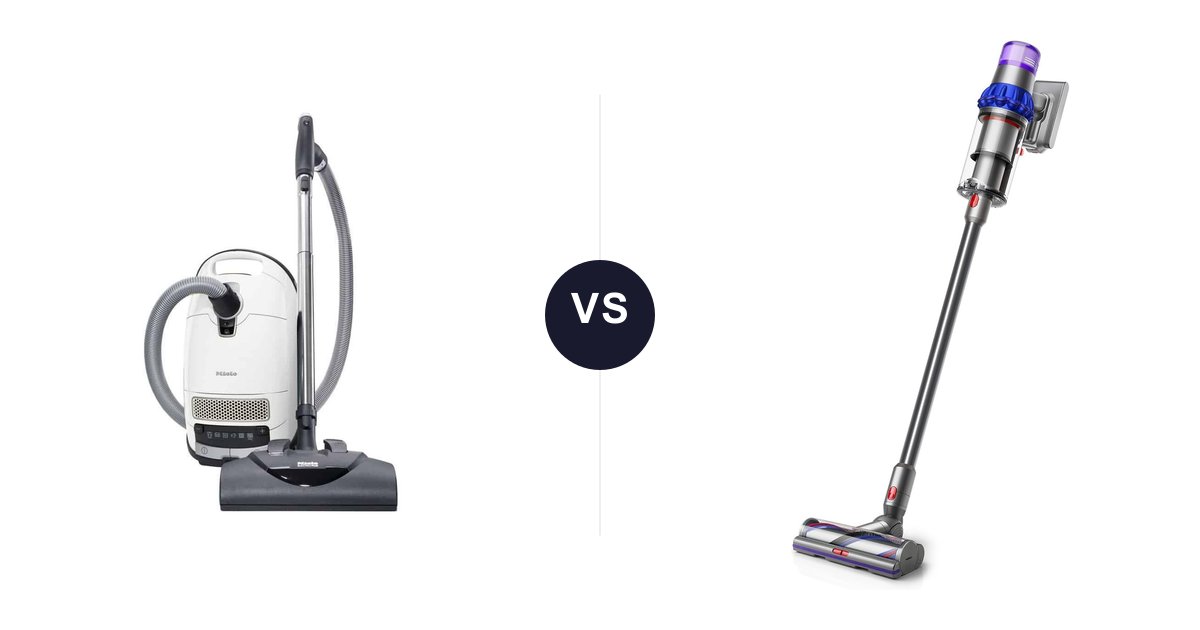
Bagged vs Bagless Vacuums: Which Type Is Actually Better?
Bagged and bagless vacuums each have distinct advantages for different households. We compare cost, filtration, allergen control, maintenance, and convenience to help you choose the right type.