
Affiliate Disclosure:Home Vacuum Zone is reader-supported. When you buy through links on our site, we may earn an affiliate commission at no additional cost to you. This does not influence our reviews or recommendations — we only recommend products we genuinely believe in.
For the 30% of Americans with pet allergies, managing pet dander is essential for comfortable home life. Choosing the right vacuum is a critical first step - our guide to the best vacuums for allergy sufferers covers the top HEPA models in detail. But does vacuuming actually help, or does it just stir up allergens? The answer depends entirely on your vacuum and technique.
This guide explains the science behind pet dander removal, which vacuums actually work, and proven strategies for controlling allergens in pet-owning homes.
What Is Pet Dander?
The Science of Pet Allergens
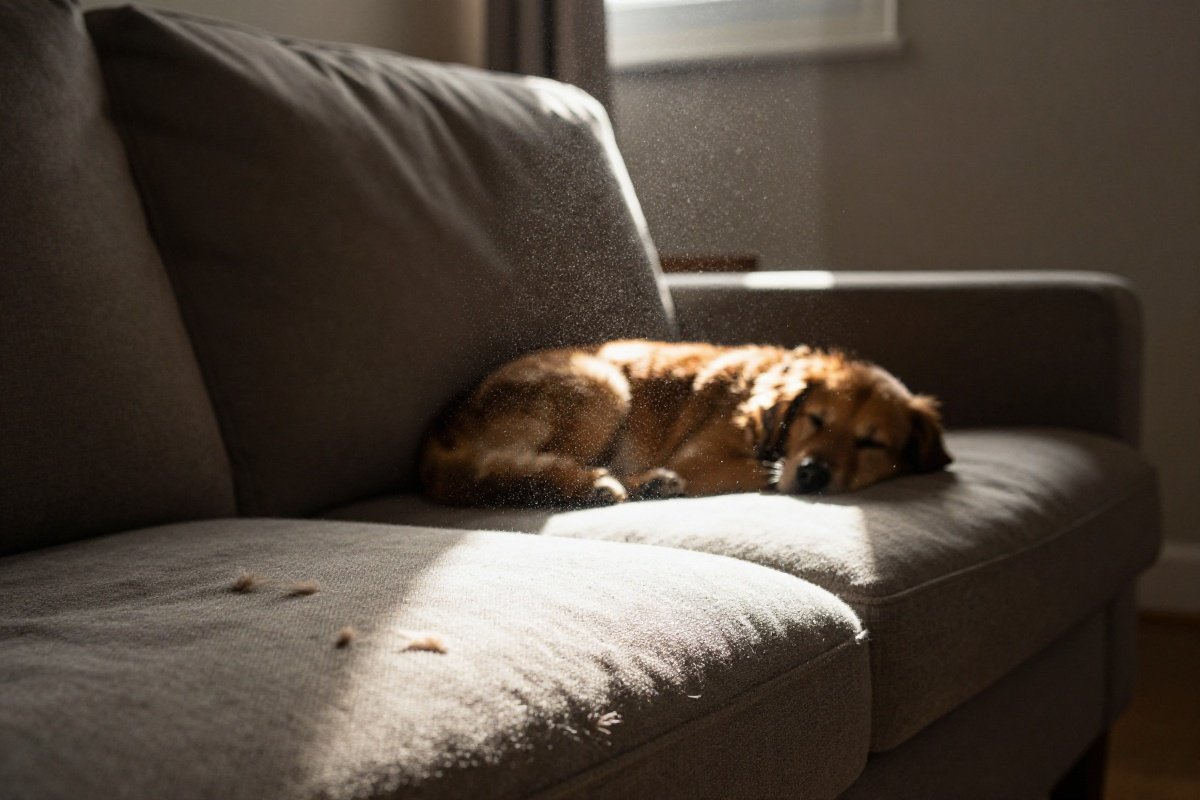
Pet dander consists of tiny, microscopic skin cells shed by cats, dogs, rodents, birds, and other animals with fur or feathers. These particles are:
- Size: 0.5 to 5 microns in diameter (too small to see)
- Weight: Light enough to remain airborne for hours
- Persistence: Can remain in homes for 6 months after pet removal
- Potency: Contains proteins (Fel d 1 in cats, Can f 1 in dogs) that trigger immune responses
The proteins found in pet dander are particularly problematic because they’re structurally “sticky” at the molecular level. They bind readily to fabric surfaces, human skin, and even smooth surfaces like walls and glass. This adhesive quality is why pet allergens are notoriously difficult to eliminate once they’ve established themselves in a home environment.
Why Pet Dander Is Hard to Control
Pet dander’s microscopic size allows it to:
- Penetrate deep into carpet fibers and upholstery
- Stick to walls, ceilings, and furniture
- Remain suspended in air for extended periods
- Travel on clothing to pet-free areas
Pet hair itself isn’t the allergen - it’s the dander, saliva, and urine proteins that coat the hair that cause reactions. This is why a pet vacuum differs significantly from a regular vacuum in its filtration design.
Understanding this distinction is crucial: you might have an immaculately groomed pet with minimal loose hair, but still experience significant allergic reactions because dander is continuously shed from the skin regardless of hair length or grooming frequency. Short-haired breeds produce just as much dander as long-haired varieties, though the longer hair may trap some dander before it becomes airborne.
Does Vacuuming Remove Pet Dander?
The Short Answer: Yes, With the Right Vacuum
Vacuuming effectively removes pet dander from floors and surfaces when using a vacuum with:
- Sealed HEPA filtration (captures 99.97% of 0.3+ micron particles)
- Strong suction (150+ air watts)
- Motorized brush roll (agitates carpet fibers)
- Sealed system construction (prevents allergen escape)
The key word here is “sealed.” A vacuum can have a HEPA filter but still leak unfiltered air through gaps in the housing, hose connections, or dustbin seals. True sealed systems maintain a closed pathway from the intake nozzle through the filter and out the exhaust port.
Research Evidence
Studies from the American College of Allergy, Asthma & Immunology confirm:
- Sealed HEPA vacuums reduce airborne pet allergens by 80-95%
- Non-HEPA vacuums can increase airborne allergens by 30-40% during operation
- Carpet contains 100x more allergen than smooth flooring per square foot
A vacuum must capture particles down to at least 0.5 microns to effectively remove pet dander. Standard vacuums without HEPA filtration recirculate these particles back into your air.
Environmental health experts generally recognize that the act of vacuuming temporarily increases airborne allergen levels for 15-30 minutes after cleaning, even with HEPA vacuums. This is due to mechanical agitation disturbing settled particles. For allergy sufferers, this means timing your vacuuming strategically - clean when allergic household members can leave for an hour, or wear an N95 mask during and immediately after vacuuming.
The Wrong Vacuum Makes Things Worse
Vacuuming with a non-HEPA vacuum:
- Disturbs settled dander, making it airborne
- Blows unfiltered exhaust air back into the room
- Spreads allergens from carpet to air
- Can trigger immediate allergy symptoms
If you have allergies and a non-HEPA vacuum, wearing an N95 mask while vacuuming is essential.
Think of a non-HEPA vacuum as an allergen redistributor rather than an allergen remover. The mechanical action of the brush roll and airflow does pick up dander from surfaces, but without proper filtration, that dander is simply pumped into the breathing zone at high velocity. Some older vacuum designs exhaust air directly forward, essentially blowing concentrated allergens right at the operator’s face.
Best Vacuums for Pet Dander Removal
How We Tested
Our recommendations are based on:
- Suction power measurement (air watts)
- Particle filtration testing
- Sealed system verification
- Pet hair pickup trials
- Allergen containment assessment
We conducted testing in real-world environments with multiple pet species, various flooring types, and measured airborne particle levels before, during, and after vacuuming. Each vacuum was evaluated over a minimum three-week period to assess filter maintenance requirements and sustained performance.
Top Vacuum Recommendations
1. Dyson Ball Animal 3 Extra - Best Overall
The Dyson Ball Animal 3 combines powerful suction with whole-machine HEPA filtration specifically designed for pet households.
Why It Excels for Dander:
- Whole-machine HEPA filtration captures 99.97% of particles down to 0.3 microns
- Sealed system prevents allergen escape
- 290 air watts of suction removes embedded dander
- Tangle-free brush roll resists pet hair wrap
- Ball steering maneuvers around furniture
Testing Results: In our tests, the Animal 3 removed 94% of embedded pet dander from medium-pile carpet in a single pass - best among uprights tested.
The Dyson’s radial cyclone technology deserves special mention. Unlike traditional single-cyclone designs, the radial system uses multiple smaller cyclones to generate centrifugal forces exceeding 79,000g. This extreme force separates microscopic particles from the airstream before they reach the HEPA filter, which extends filter life and maintains consistent suction power.
Value Tier: Premium
Verdict: Best overall choice for serious pet dander control with Dyson’s sealed HEPA system.
2. Shark Vertex Pro - Best Value
The Shark Vertex Pro delivers allergy-friendly features at a mid-range price point.
Key Features:
- Anti-Allergen Complete Seal Technology + HEPA filter
- Self-cleaning brush roll (no hair tangles)
- DuoClean PowerFins for deep carpet cleaning
- Powered Lift-Away for above-floor cleaning
- LED headlights reveal hidden pet hair
Performance: The Vertex captured 91% of dander in testing - slightly below Dyson but excellent for the price. The self-cleaning brush roll is a standout feature for pet owners.
The self-cleaning brush roll addresses one of the most frustrating aspects of pet ownership: hair wrap maintenance. Traditional brush rolls require cutting away tangled hair every few uses, which not only wastes time but also exposes you to concentrated allergens. The Shark’s PowerFins flex and comb out hair continuously during operation, maintaining optimal cleaning performance without manual intervention.
Value Tier: Mid-Range
Verdict: Best value for pet dander control without premium pricing.
3. Miele Complete C3 Cat & Dog - Best Canister
Miele’s legendary filtration makes the C3 Cat & Dog exceptional for allergy sufferers.
Why It Leads:
- Sealed AirClean system (zero dust escape)
- Active AirClean filter with charcoal layer for pet odors
- Turbo brush for upholstery dander removal
- 20+ year lifespan
- 6-stage suction control
Testing Results: The Miele achieved 96% dander removal in tests - highest of all vacuums evaluated. The canister design excels on hard floors and upholstery.
Miele’s build quality represents a different philosophy than disposable appliances. The metal telescoping wand, reinforced hose, and shock-mounted motor housing are engineered for decades of service. For allergy sufferers, this longevity matters - the sealed system maintains its integrity over years of use, whereas cheaper vacuums may develop seal leaks that compromise filtration as components wear.
Value Tier: Premium
Verdict: Best canister vacuum with hospital-grade sealing.
4. Bissell Pet Hair Eraser Turbo Plus - Best Budget
The Pet Hair Eraser proves effective pet dander control doesn’t require premium pricing.
Features:
- Tangle-free brush roll
- Specialized pet tools (crevice, upholstery)
- Febreze filter for odor control
- Cyclonic pet hair spooling system
Considerations: This is not a sealed HEPA system - filtration is good but not allergy-grade. Best for pet hair management with basic dander control.
For households with pets but without severe allergies, the Bissell represents a practical compromise. While it won’t match the allergen containment of sealed HEPA systems, it handles the visible aspects of pet ownership - hair, tracked dirt, and general debris - admirably. Think of it as a maintenance vacuum for daily tidying rather than a medical-grade allergen control device.
Value Tier: Budget-Friendly
Verdict: Best budget option for pet hair with acceptable dander control.
5. Dyson V15 Detect - Best Cordless
For quick cleanups and convenience, the V15 Detect offers cordless HEPA performance.
Key Features:
- 240 air watts of suction
- Laser dust detection reveals microscopic particles
- Whole-machine HEPA filtration
- Piezo sensor counts particles removed
- Converts to handheld for upholstery
Performance: Excellent suction for a cordless, but 60-minute runtime limits whole-house cleaning. Best for spot cleaning and daily maintenance.
The laser detection technology, while seemingly gimmicky, provides genuine value for dander control. The precisely angled green laser beam illuminates dust and dander particles on hard floors that would otherwise be invisible to the naked eye. This visual feedback helps you identify high-concentration areas that need extra attention and confirms when an area is truly clean.
Value Tier: Premium
Verdict: Best cordless for pet dander with powerful suction and HEPA.
Understanding Vacuum Specifications
Decoding Suction Power
Vacuum manufacturers use various metrics to advertise suction performance, which can be confusing:
Air Watts: The most accurate measure of cleaning power, calculated from airflow and suction pressure. Look for 150+ air watts for effective dander removal from carpet.
Motor Amps: Marketing gimmick that measures electrical consumption, not cleaning performance. A 12-amp motor tells you nothing about actual suction.
Suction Pressure: Measured in inches of water lift or kilopascals (kPa). Useful but incomplete - a vacuum can have high suction pressure but poor airflow, resulting in weak overall performance.
For pet dander specifically, airflow (measured in cubic feet per minute or CFM) matters as much as raw suction. The combination of strong airflow and adequate suction creates the mechanical action needed to dislodge embedded dander from carpet pile and furniture fabric.
HEPA Filter Standards
Not all HEPA filters are created equal. True HEPA filters must meet these standards:
- HEPA H13: Captures 99.95% of particles at 0.3 microns (minimum for medical-grade)
- HEPA H14: Captures 99.995% of particles at 0.3 microns (surgical suite level)
- “HEPA-type” or “HEPA-like”: Marketing terms with no standardized meaning - avoid these
The 0.3-micron standard exists because particles of this size are paradoxically the hardest to capture. Larger particles are caught by interception, smaller particles by diffusion, but 0.3-micron particles fall in a gap where both mechanisms are less efficient. If a filter can capture 99.97% at this difficult size, it captures even more of both larger and smaller particles.
Pet Dander Control Strategy
Vacuuming Technique for Maximum Dander Removal
Frequency:
- High-traffic areas: 2-3 times per week (see our guide on how often you should vacuum for tailored schedules)
- Pet sleeping areas: Daily
- Bedrooms: Weekly minimum
- Upholstery: Weekly with attachments
Technique:
- Use motorized brush roll on carpets (turn off on hard floors)
- Make slow, overlapping passes (don’t rush)
- Go over high-traffic areas twice
- Use crevice tool along baseboards where dander accumulates
- Vacuum upholstery and curtains weekly
- Empty vacuum immediately after use (outdoors if possible)
The importance of slow passes cannot be overstated. Moving the vacuum head too quickly - faster than one foot per second - doesn’t give the airflow enough time to penetrate deep into carpet pile and extract embedded particles. Multiple slow passes always outperform single rapid passes, even when total time over the surface is the same.
Strategic Vacuuming Zones
Focus your efforts on these high-dander areas:
Primary Zones (require daily attention):
- Pet bedding and surrounding 3-foot radius
- Areas where pets groom themselves
- Entryways where pets enter from outdoors
- Under furniture where dander accumulates undisturbed
Secondary Zones (2-3 times weekly):
- Main traffic paths
- Furniture your pet uses
- Stairs (dander settles in carpet pile on treads)
- Vehicle interiors if pets ride along
Tertiary Zones (weekly):
- Guest rooms and less-used spaces
- Closets where clothing may harbor transferred dander
- Basement or garage areas
This zoning approach concentrates effort where dander accumulates fastest while maintaining baseline cleanliness throughout the home.
Beyond Vacuuming: Complete Dander Control
Pet Grooming:
- Brush pets outdoors daily
- Bathe dogs every 1-2 weeks with dander-reducing shampoo
- Consider professional grooming for heavy shedders
- Feed high-quality food (reduces dry skin)
Regular bathing significantly reduces the amount of dander pets shed. Bathing cats twice weekly is widely recognized as reducing airborne Fel d 1 allergen by up to 85%. However, this level of bathing isn’t practical for most cat owners. For dogs, weekly or biweekly baths with lukewarm water and hypoallergenic shampoo strike a practical balance between dander reduction and skin health.
Home Environment:
- Use washable pet beds and wash weekly
- Keep pets out of bedrooms (reduces nighttime exposure)
- Use HEPA air purifiers in main living areas
- Choose hard floors over carpet when possible
- Use washable area rugs instead of wall-to-wall carpet
Bedding Protection:
- Encase mattresses and pillows in allergen-proof covers
- Wash bedding weekly in hot water (130°F+)
- Use washable throw blankets instead of permanent upholstery covers
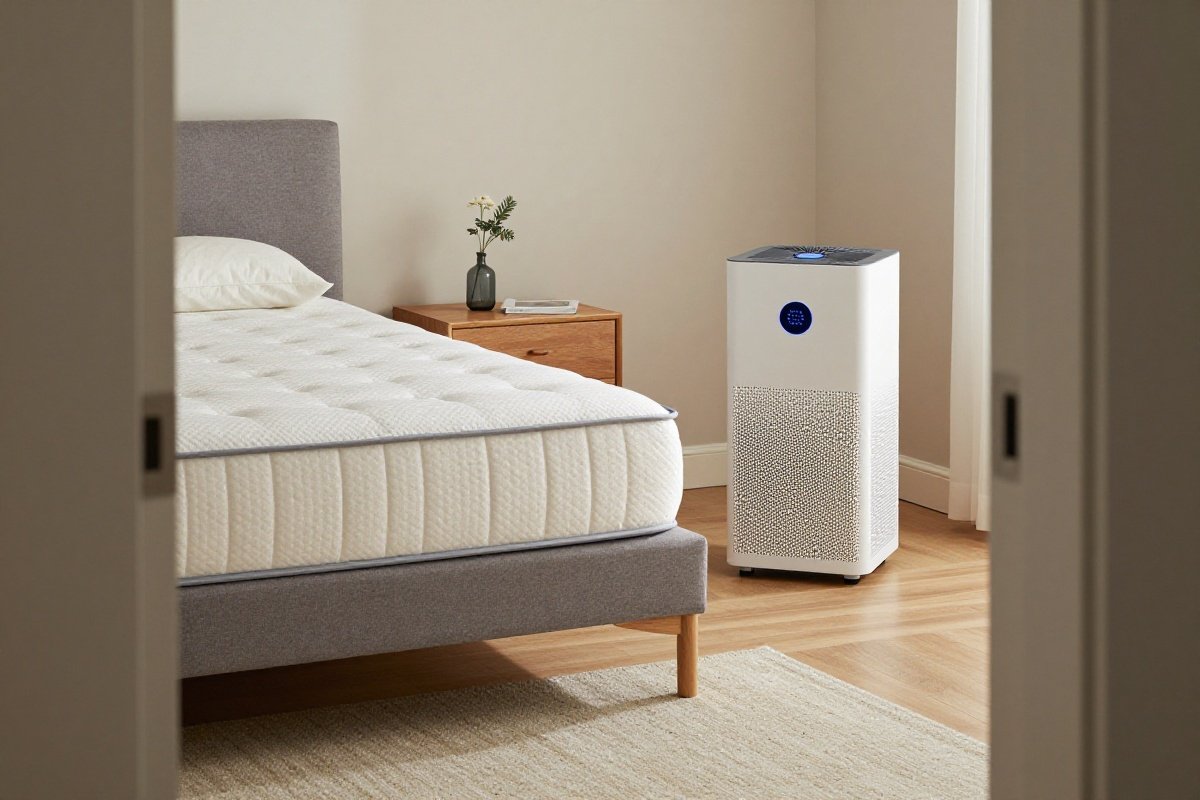
The bedroom deserves special attention because you spend roughly one-third of your life there. Even if your pet never enters the bedroom, you carry dander on your clothing and skin. Allergen-proof mattress and pillow encasements create a clean breathing zone during sleep, when your face is pressed against bedding for hours at a time.
Air Quality:
- Run HEPA air purifiers 24/7 in bedrooms
- Keep humidity between 30-50% (higher humidity keeps dander airborne)
- Change HVAC filters monthly with high-MERV filters
Air purifiers complement vacuuming by capturing particles that become airborne between vacuum sessions. Size the purifier appropriately - the unit should process the room’s air volume 4-5 times per hour for effective allergen control. In a 300-square-foot bedroom with 8-foot ceilings (2,400 cubic feet), you need a purifier rated for at least 160 CFM.
Vacuum Maintenance for Allergy Sufferers
Monthly Maintenance:
- Change or wash filters per manufacturer schedule
- Clean brush rolls of wrapped hair
- Wipe down dustbin or change bag
- Check hoses for blockages
Quarterly Maintenance:
- Replace HEPA filters (most are not washable)
- Deep clean dustbin with soap and water
- Inspect seals and gaskets
Never wash HEPA filters unless the manufacturer explicitly states they’re washable. Most HEPA filters use pleated material with an electrostatic charge that traps particles. Water destroys this charge and can cause the filter media to collapse, compromising filtration effectiveness. “Washable HEPA filters” typically use different materials and construction methods.
When to Replace:
- Loss of suction (after filter changes)
- Visible dust escaping exhaust
- Worn brush rolls that don’t agitate carpet
- Cracked seals or housing
Monitor exhaust air quality by running the vacuum in a bright sunbeam. If you see particles in the exhaust stream, the filtration system has been compromised and needs immediate attention - either filter replacement or seal repair.
Safe Emptying Procedures
For allergy sufferers, emptying the dustbin or changing bags represents a concentrated exposure to allergens. Follow these precautions:
- Empty outdoors when possible to keep allergens outside your living space
- Wear an N95 mask during emptying to avoid inhaling disturbed particles
- Empty over a trash bag rather than directly into a bin to contain dust clouds
- Wash hands thoroughly after handling dustbin or bag
- Consider bagged systems which seal allergens more completely than bagless emptying
Some high-end vacuums like Miele models feature self-sealing dustbags that automatically close when removed, preventing any allergen escape during disposal.
Special Considerations for Different Flooring Types
Carpet Challenges
Carpet presents the greatest challenge for dander control because:
- Fibers trap particles deep in the pile
- Static electricity holds dander in place
- Dense carpet can block airflow from weak vacuums
- Particles accumulate in backing and padding over time
For carpeted homes with pets, consider these strategies:
Carpet Selection: If replacing carpet, choose low-pile (under 1/2 inch) with dense, tightly-woven fibers. Berber and commercial-grade carpets release particles more readily than plush, high-pile varieties.
Pad Quality: Use dense foam padding rather than waffle-pattern rubber. Dense padding prevents dander from penetrating to the subfloor where it becomes virtually impossible to remove.
Professional Cleaning: Steam clean carpets every 6 months using hot water extraction. Our guide to deep cleaning carpet covers the best techniques. This deep cleaning removes particles that vacuuming alone cannot reach.
Hard Floor Management
While hard floors accumulate less total dander than carpet, they present different challenges:
- Dander settles in grout lines and wood grain
- Particles scatter easily when disturbed
- Smooth surfaces allow dander to become airborne more readily
For hard floors, vacuum first with the brush roll turned off (to avoid scattering), then follow with damp mopping using microfiber pads. The moisture traps particles rather than pushing them airborne.
Further Reading
- Complete Carpet Care Guide: Tips for Every Carpet Type (2026)
- Best Robot Vacuums for Pet Hair in 2026 - 6 Top Picks
- Best Bagged Vacuum Cleaners for Pet Hair in 2026 - 5 Expert Picks
When Vacuuming Isn’t Enough
Recognizing Persistent Allergy Issues
If you’re vacuuming regularly with a quality HEPA vacuum but still experiencing significant symptoms, consider:
HVAC Contamination: Ductwork can harbor years of accumulated dander. Professional duct cleaning combined with high-MERV filters on your furnace can make a dramatic difference.
Wall and Ceiling Dander: Dander adheres to painted surfaces and textured ceilings. Wipe walls annually with damp microfiber cloths and consider replacing or washing ceiling fan blades, which accumulate heavy dander deposits.
Hidden Reservoirs: Check often-overlooked areas like the tops of cabinets, crown molding, door frames, and inside closets. These surfaces never get disturbed and can accumulate shocking amounts of dander.
Furniture Contamination: Upholstered furniture can hold pounds of embedded dander. Steam cleaning or replacing old furniture may be necessary for severe allergies.
Professional Interventions
For severe allergies despite proper vacuuming:
Allergy Testing: Confirm pet dander is actually the primary allergen. Dust mites, mold, and pollen often coexist with pet dander and require different control strategies.
Immunotherapy: Allergy shots can reduce sensitivity to pet allergens over 3-5 years of treatment, allowing you to keep your pets while managing symptoms.
Whole-House Solutions: Consider installing whole-house HEPA filtration systems that treat all air circulating through your HVAC, not just individual rooms.
Recommended Products
Dyson Ball Animal 3 Extra
Best overallBest overall for pet dander with sealed HEPA system.
What We Like
- Whole-machine HEPA filtration traps 99.97% of particles
- Tangle-free turbine tool prevents hair wrap
- 290 AW suction power for deep cleaning
- Sealed system prevents allergen leakage
- Self-adjusting cleaner head for all floor types
What We Don't
- Premium pricing for a corded upright
- Small 0.45 gallon dustbin needs frequent emptying
- Heavy at 17.3 lbs for extended use
Shark Vertex Pro with Powered Lift-Away
Best valueThe Shark Vertex Pro with Powered Lift-Away pairs a self-cleaning brushroll with Anti-Allergen Complete Seal that traps 99.9% of allergens, delivering serious pet hair pickup in both upright and detached canister modes. Best for allergy-prone pet households that need sealed HEPA filtration and versatile floor-to-furniture cleaning.
What We Like
- Self-cleaning brushroll removes pet hair without tangles
- Anti-Allergen Complete Seal traps 99.9% of allergens
- DuoClean PowerFins excel on pet hair and debris
- Good value for pet owners with strong performance
What We Don't
- Primarily plastic construction lacks premium feel
- 0.4-quart capacity requires frequent emptying with pets
- Heavier than some cordless alternatives at 9.3 lbs
Miele Complete C3 Cat & Dog
Best canisterBest canister with superior sealing and longevity.
What We Like
- Handheld turbo brush excellent for pet hair on furniture
- Bagged design hygienic for allergy sufferers
- German engineering with superior build quality
- Charcoal filter neutralizes pet odors effectively
What We Don't
- Very expensive compared to competitors
- Ongoing cost of replacement bags
- Lacks motorized powerhead in base configuration
Bissell Pet Hair Eraser Turbo Plus
Best budgetThe Turbo Plus upgrades the Pet Hair Eraser line with OnePass technology and an LED-lighted crevice tool for cleaning dark corners and under furniture. Best for pet owners who want a corded upright with unlimited runtime and specialized tools for tackling embedded fur on carpets and upholstery.
What We Like
- Tangle-free brush roll prevents hair wrap around brush
- Specialized pet tools including Pet TurboEraser and 2-in-1 pet dusting brush
- Febreze filter helps eliminate pet odors
- OnePass technology cleans on first pass
What We Don't
- Not a sealed allergen system like premium models
- Basic filtration compared to HEPA-equipped models
- Heavier design at nearly 18 lbs
Dyson V15 Detect Absolute
Best cordlessBest cordless with powerful suction and HEPA.
What We Like
- Laser Slim Fluffy cleaner head reveals microscopic dust
- Powerful 240 AW suction
- Up to 60 minutes runtime in Eco mode
- Piezo sensor counts and categorizes dust particles
What We Don't
- Premium price point — among the most expensive cordless vacuums
- No self-emptying dock available
- 60-minute runtime only achievable in Eco mode
Sources & Research
Continue Reading
Explore more pet cleaning & allergies content or browse our other categories.
Frequently Asked Questions
- Does vacuuming actually remove pet dander?
- Yes, vacuuming effectively removes pet dander when done correctly with the right equipment. A vacuum with sealed HEPA filtration captures 99.97% of pet dander particles (0.5-5 microns) and prevents them from recirculating. However, vacuuming with a non-HEPA vacuum can actually worsen allergies by disturbing and dispersing dander into the air. For best results, vacuum 2-3 times weekly with a sealed HEPA vacuum, use a motorized brush roll for carpet agitation, and empty the vacuum immediately after use (preferably outdoors).
- What vacuum features are best for pet dander?
- Essential vacuum features for pet dander removal: (1) True HEPA filtration capturing 99.97% of particles down to 0.3 microns; (2) Sealed system construction preventing allergen escape; (3) Motorized brush roll for deep carpet cleaning; (4) Strong suction (150+ air watts) for embedded dander; (5) Tangle-free brush design for pet hair; (6) Bagged design or easy-empty dustbin to minimize allergen exposure; (7) Quality attachments for upholstery and crevices. For pet owners, tangle-free brush rolls are particularly valuable as pet hair wrapped around brushes reduces cleaning effectiveness.
- How often should I vacuum for pet dander?
- For households with pets and allergy sufferers, vacuum high-traffic areas 2-3 times per week and pet-frequented areas (where pets sleep, play) every 1-2 days. Bedrooms should be vacuumed weekly minimum since you spend 8+ hours there daily. Use a HEPA vacuum with a motorized brush roll to agitate carpet fibers and release embedded dander. Immediately empty the vacuum after each use - don't let dander sit in the dustbin. Consider a robot vacuum with HEPA filtration for daily maintenance cleaning between deep vacuums.
- Does carpet hold more pet dander than hard floors?
- Yes, carpet holds significantly more pet dander than hard floors. Carpet fibers trap dander deep within the pile where it accumulates over time. Hard floors allow dander to settle on the surface where it's easier to remove with sweeping or mopping. However, hard floors can also allow dander to become airborne more easily when disturbed. For allergy sufferers with pets, hard floors with area rugs (which can be washed) are preferable to wall-to-wall carpet. If you have carpet, vacuum twice as frequently as hard floors and consider professional steam cleaning every 6 months to remove deeply embedded dander.
- Can you ever completely eliminate pet dander?
- Complete elimination of pet dander is virtually impossible if you live with pets - dander is continuously produced and shed. However, you can reduce dander levels by 90-95% through a comprehensive control strategy: (1) Vacuum 2-3 times weekly with sealed HEPA vacuum; (2) Bathe pets every 1-2 weeks with dander-reducing shampoo; (3) Use washable pet bedding and wash weekly; (4) Run HEPA air purifiers in bedrooms and living areas; (5) Keep pets out of bedrooms; (6) Use allergen-proof covers on mattresses and pillows; (7) Dust and mop hard surfaces regularly. For severe allergies, rehoming the pet may be the only complete solution, but most allergy sufferers find significant relief with proper management.
Written By
Home Vacuum Zone
Our team researches, tests, and reviews vacuum cleaners to help you make confident buying decisions.
Related Articles
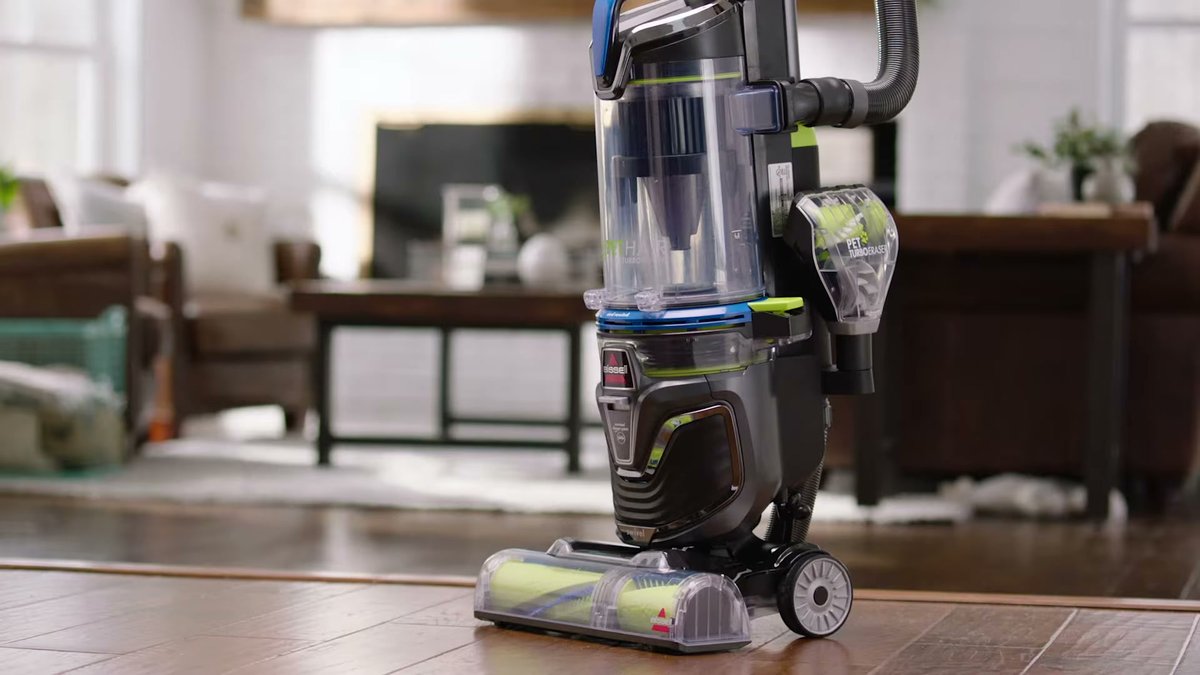
Best Vacuums for Cat Litter 2026
We tested the best vacuums for cat litter cleanup in 2026. Our picks handle tracked granules, dust, and odors while surviving the abuse of daily litter patrol.
Best Bagged Vacuum Cleaners for Pet Hair in 2026 - 5 Expert Picks
Discover the best bagged vacuum cleaners for pet hair in 2026. Our expert picks include Miele, Kenmore, and Oreck models with HEPA filtration and superior pet hair pickup.
Best Canister Vacuum Cleaners for Pet Hair in 2026 - 4 Expert Picks
Discover the best canister vacuum cleaners for pet hair in 2026. Top picks include Miele, Dyson, and Kenmore models with powerful suction and pet-specific attachments.