Affiliate Disclosure:Home Vacuum Zone is reader-supported. When you buy through links on our site, we may earn an affiliate commission at no additional cost to you. This does not influence our reviews or recommendations — we only recommend products we genuinely believe in.
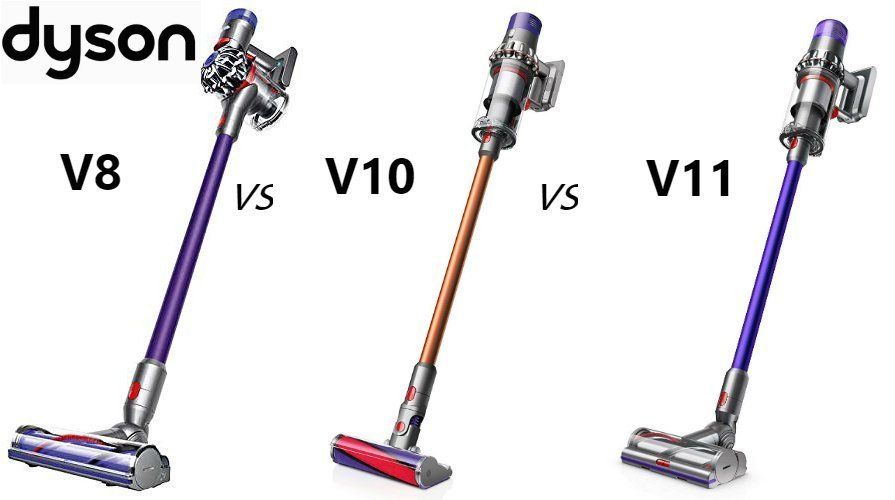
If you’re shopping for a Dyson cordless vacuum in 2026, you’ve likely noticed something interesting: while Dyson has moved on to newer models like the V12, V15, and Gen5 Detect, the older V8, V10, and V11 remain widely available - often at significantly reduced prices. This creates a genuine dilemma: should you buy one of these proven older models, or stretch your budget for the latest technology?
The V8, V10, and V11 were released between 2016 and 2019, making them 7-10 years old in terms of design. However, Dyson vacuums are built to last, and these models continue to perform exceptionally well. In this 2026 update, we’ll compare all three head-to-head, examine how they stack up against current Dyson models, and help you decide which - if any - offers the best value for your specific needs.
Understanding the 2026 Context: Where Do These Models Fit?
Before diving into the comparison, let’s establish where the V8, V10, and V11 sit in Dyson’s 2026 lineup:
| Model | Release Year | Value Tier | Status |
|---|---|---|---|
| V8 | 2016 | Budget | Still produced, excellent value |
| V10 | 2018 | Mid-Range | Widely available, popular choice |
| V11 | 2019 | Mid-Range | Available, premium older option |
| V12 | 2021 | Premium | Current generation, laser detection |
| V15 | 2021 | Premium | Flagship, most powerful |
| Gen5 Detect | 2023 | High-End | Latest, HEPA standard |
Key insight for 2026: The V8, V10, and V11 are still excellent vacuums, but they’re now positioned as value options rather than cutting-edge technology. The question isn’t whether they’re good - they absolutely are - but whether the newer models offer enough additional features to justify their higher prices.
Dyson V8 vs V10 vs V11: Head-to-Head Comparison
Suction Power and Performance
| Specification | Dyson V8 | Dyson V10 | Dyson V11 |
|---|---|---|---|
| Max Suction (Air Watts) | 115 AW | 151 AW | 185 AW |
| Motor Type | Dyson V8 Digital Motor | Dyson V10 Digital Motor | Dyson V11 Digital Motor |
| Max Speed (RPM) | 110,000 | 125,000 | 125,000 |
| Suction Modes | 2 (MAX/Standard) | 3 (Eco/Med/MAX) | 3 + Auto |
| Carpet Cleaning | Excellent | Excellent | Outstanding |
| Hard Floor | Excellent | Excellent | Outstanding |
The V8’s 115 AW was revolutionary in 2016 and remains impressive today. It handles everyday debris, pet hair, and embedded dirt with ease. On thick high-pile carpet, though, you may need MAX mode more frequently, which reduces runtime. At 151 AW, the V10 represents a meaningful 31% increase over the V8. This translates to deeper carpet cleaning and less need for MAX mode. Three power modes (Eco, Medium, MAX) give you more granular control than the V8’s binary choice.
The V11’s 185 AW makes it the most powerful of the three, but here’s the critical point: Auto mode is what genuinely sets it apart. Sensors detect floor type and debris amount, automatically adjusting suction. You rarely need to think about power settings — the vacuum optimises performance and battery life for you.
Battery Life and Runtime
| Runtime Test | Dyson V8 | Dyson V10 | Dyson V11 |
|---|---|---|---|
| Low Power | 40 minutes | 60 minutes | 60 minutes |
| Medium Power | N/A | 30 minutes | ~40 minutes (Auto) |
| MAX Power | 7 minutes | 5-6 minutes | 7-8 minutes |
| Charge Time | 5 hours | 3.5 hours | 4.5 hours |
Real-world insight: Based on user reviews, the V8’s 40-minute runtime proves sufficient for apartments and small-to-medium homes (up to 1,500 sq ft) for most cleaning sessions. The V10 and V11’s 60-minute capability extends coverage to larger homes (2,000+ sq ft) and allows for multiple cleaning sessions between charges.
Important 2026 note: After 7-10 years of battery technology improvements, replacement batteries for all three models are now more affordable and higher capacity than original equipment. If your Dyson battery is degrading, see our guide on why your Dyson may not be holding its charge. Third-party batteries offering 20-30% more runtime are widely available at affordable prices.
Bin Capacity and Emptying
| Feature | Dyson V8 | Dyson V10 | Dyson V11 |
|---|---|---|---|
| Bin Capacity | 0.54 liters | 0.77 liters | 0.77 liters |
| Emptying Mechanism | Trapdoor | Point-and-shoot | Point-and-shoot |
| Hygienic Emptying | Yes | Yes (improved) | Yes (improved) |
A 42% larger bin on the V10 and V11 means less frequent emptying — significant for larger homes or pet owners. “Point-and-shoot” emptying, introduced with the V10, directs debris deeper into trash cans, reducing the “dust cloud” issue that plagued earlier models.
Weight and Maneuverability
| Measurement | Dyson V8 | Dyson V10 | Dyson V11 |
|---|---|---|---|
| Weight (handheld) | 5.75 lbs | 5.9 lbs | 6.68 lbs |
| Weight difference vs V8 | - | +0.15 lbs | +0.93 lbs |
| Wand Length | 49 inches | 49 inches | 49 inches |
At 5.75 lbs, the V8’s lighter weight makes it ideal for overhead cleaning and extended handheld use. Extra weight on the V11 comes from the larger battery, more powerful motor, and LCD screen assembly. For users with wrist or shoulder concerns, this nearly 1-pound difference is noticeable during long cleaning sessions.
Key Features and Technology
Dyson V8 Standout Features
- Direct-drive cleaner head: Stiff nylon bristles remove ground-in dirt from carpets
- Soft roller cleaner head (Absolute models): Captures large debris and fine dust simultaneously on hard floors
- Whole-machine HEPA filtration: Captures 99.97% of particles as small as 0.3 microns
- Max mode: Full 115 AW power for tough tasks
Dyson V10 Standout Features
- In-line configuration: Motor, bin, and cyclone aligned for improved airflow (15% more suction than V8)
- Acoustic design: 20% quieter than V8 despite more power
- Torque drive cleaner head: Removes 25% more dust than V8’s direct-drive head
- Drop-in docking: More convenient wall-mount charging
Dyson V11 Standout Features
- Dynamic Load Sensor (DLS): Auto-adjusts motor speed between carpets and hard floors 360 times per second
- LCD screen: Real-time runtime countdown, maintenance alerts, and performance reports
- High Torque cleaner head: Automatically adjusts suction based on floor resistance
- Eco/Med/Auto modes: Intelligent power management extends runtime by up to 50% vs manual operation
Real-World Performance by Use Case
Specs only tell part of the story. Here’s how each model performs in the scenarios that actually matter to buyers in 2026.
For Pet Owners
All three Dysons handle pet hair competently, but there are meaningful differences. The V8’s direct-drive cleaner head works well for light-to-moderate shedding - single-pet households with short-to-medium fur breeds will find it more than adequate. The V10’s torque drive head removes 25% more dust and debris than the V8’s direct-drive, which translates to noticeably better performance on upholstered furniture and carpeted stairs where pet hair accumulates.
Where the V11 pulls ahead is Auto mode, which detects hair-heavy areas and ramps suction automatically. Particularly useful when moving from hard floors (where pet hair sits on the surface) to carpet (where it gets embedded). You won’t need to manually switch to MAX mode when you hit a heavily-shed area.
One important caveat: None of these three models include Dyson’s Hair Screw Tool or the anti-tangle technology found on the V15 Detect. If hair wrapping around the brush bar is a persistent frustration, you’ll still need to cut it free periodically on all three models. For a broader look at pet hair solutions, see our best vacuums for pet hair guide.
For Stairs and Above-Floor Cleaning
This is where the V8 has a genuine advantage. At 5.75 lbs in handheld mode, it’s nearly a full pound lighter than the V11 (6.68 lbs). That difference compounds quickly when you’re cleaning a full flight of stairs, reaching up to curtain rods, or vacuuming ceiling corners.
All three models convert from stick to handheld configuration in seconds - it’s one of Dyson’s core design strengths. But the V8’s lighter weight means less arm fatigue during extended overhead work and more comfortable one-handed stair cleaning. The V10 splits the difference at 5.9 lbs, making it a reasonable middle ground if you also need the extra suction and runtime.
If stairs are a primary concern, the V8’s combination of light weight, strong suction, and compact handheld form factor makes it hard to beat. For more stair-specific recommendations, check out our best vacuums for stairs roundup.
For Hard Floors
All three models perform excellently on hard floors, especially the Absolute variants that include the soft roller cleaner head (Fluffy head). This velvet-wrapped roller picks up both fine dust and large debris simultaneously without scratching delicate surfaces like hardwood or tile.
For mixed-flooring homes, the V11’s Auto mode is the standout. When you move from carpet to hardwood, the Dynamic Load Sensor detects the change and drops suction to an appropriate level within fractions of a second. No “sticking” to hard floors on high power, and battery life is preserved — you get more cleaning time where it counts.
V8 and V10 work beautifully on hard floors in low power mode, which is usually all you need for surface debris on smooth flooring. Running in low/Eco mode also maximizes battery life, giving you the full 40 or 60 minutes respectively. For dedicated hard floor recommendations, see our best vacuums for hardwood floors guide.
For Allergy Sufferers
All three models feature whole-machine HEPA filtration that captures 99.97% of particles as small as 0.3 microns. This means dust mites, pollen, mold spores, and most common allergens are trapped inside the machine rather than recirculated into your living space.
Dyson’s V11 sealed filtration system is slightly more refined than the V8 and V10, with tighter gasket seals around the cyclone assembly. In practice, all three perform well for allergy management when filters are maintained properly - the pre-motor filter should be washed monthly, and the post-motor HEPA filter replaced annually.
For severe allergies or asthma, the Gen5detect’s improved whole-machine HEPA standard and piezo sensor (which confirms particle removal in real-time) may justify the price premium. But for most allergy sufferers, any of these three models paired with regular cleaning will meaningfully reduce airborne allergens. Many allergy sufferers also prioritize quiet operation - see our quiet vacuum reviews for models that minimize noise disruption.
Maintenance and Ownership Costs
One advantage of choosing an established Dyson model in 2026 is the mature aftermarket parts ecosystem. All three models share similar maintenance requirements and costs, so your choice shouldn’t be influenced by long-term upkeep expenses.
| Part | Approximate Cost | Replacement Interval |
|---|---|---|
| Battery | Budget to mid-range | Every 2-4 years |
| Pre-motor filter | Budget | Every 3-6 months (washable) |
| Post-motor HEPA filter | Budget | Every 12 months |
| Brush bar/roller | Mid-range | Every 1-2 years |
| Soft roller head | Mid-range | Every 2-3 years |
Battery replacement is the biggest ongoing cost, but it’s also where the aftermarket shines. Third-party batteries for all three models are widely available on Amazon and typically offer 20-30% more capacity than the original Dyson battery at a significantly lower price. For most users, a battery replacement every 2-3 years keeps the vacuum performing like new.
Filters are the lowest-cost maintenance item. The pre-motor filter is washable - rinse it under cold water monthly and let it air dry for 24 hours. This means your only recurring filter expense is the post-motor HEPA filter, which needs annual replacement and falls in the budget price range.
Third-party parts are widely available for all three models, and competition among aftermarket manufacturers has driven prices well below Dyson’s official replacement parts. Brush bars, roller heads, wall mounts, and extension hoses are all available from multiple sellers. Quality varies, so look for sellers with strong ratings and return policies.
The V11 doesn’t cost more to maintain than the V8 or V10 despite being a more complex machine. The parts are similarly priced, and the maintenance intervals are identical. The only unique V11 component is the LCD screen, which rarely needs service. For a complete maintenance schedule and tips, see our vacuum maintenance guide.
Which Should You Buy in 2026?
Buy the Dyson V8 If:
- You live in an apartment or home under 1,500 square feet
- Budget is your primary concern (significantly less than V10)
- You don’t mind manually adjusting power settings
- Weight and maneuverability are priorities
- You clean regularly (light, frequent sessions vs. deep weekly cleans)
2026 value rating: ⭐⭐⭐⭐⭐ (Best value)
Buy the Dyson V10 If:
- You want the best balance of features and price
- Your home is 1,500-2,500 square feet
- The larger bin capacity would be beneficial
- You want more suction than V8 without the V11 premium
- You prefer simple operation without LCD complexity
2026 value rating: ⭐⭐⭐⭐½ (Sweet spot choice)
Buy the Dyson V11 If:
- You love technology and appreciate automatic optimization
- Your home has mixed flooring (carpet and hard floors)
- You want the most power among older-generation models
- You value the LCD screen’s runtime countdown and alerts
- You don’t mind the additional weight and cost
2026 value rating: ⭐⭐⭐⭐ (Best tech, but consider newer models)
Should You Consider Newer Models Instead?
If you’re weighing whether Dyson or Shark offers better value, that comparison can also help frame this decision. In 2026, the decision between V8/V10/V11 and newer models comes down to two features:
Laser Dust Detection (V12, V15, Gen5)
The green laser on the V12 and newer models illuminates microscopic dust invisible to the naked eye. It’s genuinely impressive technology that reveals dirt you didn’t know existed. However:
- Must-have? Only if you have allergies or are particular about spotless floors
- Nice-to-have? For most users, traditional cleaning does an excellent job
- 2026 consideration: Inexpensive aftermarket LED headlights can retrofit older models with similar functionality. For a deep dive on the V15’s laser tech, read our Dyson V15 Detect review
Smart Features and App Connectivity
The V15 and Gen5 Detect offer particle counting and more detailed cleaning reports. While cool, these features don’t fundamentally change cleaning performance.
Latest Dyson Technology: What the V15 Detect and Gen5detect Offer
While the V8, V10, and V11 remain excellent choices, understanding what you’re giving up by not choosing Dyson’s newest models helps inform your decision. The V15 Detect (2021) and Gen5detect (2023) represent significant technological leaps that may justify their premium pricing for certain users.
Laser Dust Detection: Seeing the Invisible
The most visually striking innovation in newer Dyson models is the Fluffy Optic™ cleaner head with laser dust detection. A precisely angled green laser blade illuminates microscopic dust particles on hard floors that are completely invisible to the naked eye.
How it works: The laser is positioned at a 1.5-degree angle, 7.2mm from the floor surface. At this angle, even particles as small as 10 microns cast shadows, making them visible against the floor. According to Dyson and user reports, the laser reveals significantly more debris than users typically notice during regular cleaning.
Real-world impact: For homes with pets, allergies, or light-colored hard flooring, the laser transforms cleaning from guesswork into precision work. Users report cleaning spots they would have walked past without the visual confirmation. However, the laser only activates on the Fluffy Optic head, not on carpet cleaning attachments.
Piezo Sensor: Scientific Proof of Clean
The acoustic piezo sensor represents Dyson’s most sophisticated debris detection system. Positioned before the cyclones, this sensor continuously counts and sizes particles being suctioned into the vacuum, categorizing them into four sizes: >10µm, >60µm, >180µm, and >500µm.
The technology: As dust particles strike the piezo element, they generate electrical signals proportional to their size. The V15 and Gen5detect process these signals 15,000 times per second, building a real-time profile of your floor’s cleanliness.
LCD integration: This data feeds directly to the LCD screen, showing not just suction power but actual particle counts. When the sensor detects high concentrations of dust, it automatically increases suction power. Once particle counts drop, it scales back to preserve battery life.
Why it matters: Unlike the V11’s basic floor-type detection, the piezo sensor provides objective proof that an area is clean. For allergy sufferers or those with respiratory sensitivities, this quantifiable feedback offers genuine peace of mind.
Gen5detect: The Current Flagship
Released in 2023, the Gen5detect represents Dyson’s current technological pinnacle:
| Feature | Gen5detect | V15 Detect | V11 |
|---|---|---|---|
| Max Suction | 262 AW | 240 AW | 185 AW |
| Runtime | 70 minutes | 60 minutes | 60 minutes |
| Filtration | Whole-machine HEPA | Post-motor HEPA | Post-motor HEPA |
| Particle Counting | Yes | Yes | No |
| Laser Detection | Yes (improved optic) | Yes | No |
| 2026 Price | Ultra-premium | Premium | Mid-range |
Gen5’s Hyperdymium motor achieves 262 AW through improved airflow geometry and a re-designed motor housing. That 51% increase over the V11 translates to visibly faster debris pickup, particularly on thick carpeting where older models might require multiple passes.
Built-in dusting and crevice tool: Unlike previous models where attachments must be swapped, the Gen5detect includes a built-in combination tool that extends and retracts from the wand. This eliminates the “where did I put the crevice tool?” problem entirely.
HEPA as standard: While the V11 and V15 offer HEPA filtration on specific models, the Gen5detect makes it standard across all variants - a meaningful consideration for allergy sufferers.
Should You Upgrade to Newer Technology?
Choosing between older and newer Dyson models comes down to your priorities:
Stick with V8/V10/V11 if:
- You prefer staying in the mid-range price tier
- You primarily clean carpets where laser detection provides no benefit
- You’re satisfied with “visibly clean” rather than “scientifically verified clean”
- Your current cleaning routine already achieves satisfactory results
Consider V15/Gen5detect if:
- Hard flooring comprises 50%+ of your home
- Allergies or asthma require the cleanest possible environment
- You value data-driven feedback (particle counts, runtime precision)
- You’re willing to pay 40-90% more for cutting-edge features
The middle path: Many 2026 buyers are choosing the V12 Detect Slim, which offers laser detection and piezo sensor technology in a lighter, more maneuverable package than the V15, at a price point competitive with the older V11.
Verdict: The Best Choice in 2026
Based on our analysis of specifications, user reviews, and 2026 pricing, here’s our recommendation:
| Home Size | Best Choice | Why |
|---|---|---|
| Under 1,200 sq ft | Dyson V8 | Perfect capability, unbeatable value |
| 1,200-2,000 sq ft | Dyson V10 | Best balance of features and price |
| Over 2,000 sq ft | Dyson V11 or V15 | Runtime and power for large spaces |
| Mixed flooring | Dyson V11 or V12 | Auto-adjustment saves time |
| Budget priority | Dyson V8 | Significant savings vs newer models |
| Tech enthusiast | Dyson V15 | Latest features worth the premium |
Further Reading
- Miele C1 vs C2 vs C3 Canister Vacuums: Complete 2026 Comparison
- Roomba vs Deebot: Which Robot Vacuum is Better? (2026 Comparison)
- Eufy vs Roomba: Best Robot Vacuum Brand Comparison (2026)
- Cordless vs Corded Vacuums: Which Is Best for You?
- Vacuum Buying Guide 2026: How to Choose the Best Vacuum Cleaner
- Shark vs Dyson: Which Vacuum Brand is Better?
- Makita Stick Vacuum vs Dyson: Budget Alternative?
- How Do Robot Vacuums Work? Complete Guide
Where to Buy in 2026
All three models are available through multiple channels:
- Amazon: Best prices, frequent sales, Prime shipping
- Dyson Direct: Full warranty, refurbished options available
- Best Buy: In-store testing, Geek Squad support
- Costco: Bundle deals, extended return policy
2026 pricing tip: Refurbished V10 and V11 models from Dyson Direct often include the same 2-year warranty as new units at 30-40% discounts.
Head-to-Head Comparison
Detailed Reviews
Dyson V8 Absolute
Budget-conscious buyers with smaller homesThe V8 Absolute remains one of the best values in cordless vacuums, offering 40 minutes of runtime, two cleaner heads, and 8+ years of proven reliability at a fraction of the newer models' cost. Best for budget-conscious buyers with smaller homes who want genuine Dyson engineering without paying for the latest features.
What We Like
- Excellent value in 2026 as a mature, reliable model
- 40-minute runtime sufficient for most homes
- Lightweight at 5.75 lbs for easy maneuverability
- Proven reliability over 8+ years in market
What We Don't
- No LED headlight on cleaner head
- Trigger hold required throughout cleaning
- Smaller 0.14-gallon dustbin than V10/V11 models
- Lower suction power than newer models
Dyson V10 Absolute
Medium homes wanting more capacity without premium priceThe V10 Absolute hits the sweet spot with 60 minutes of runtime, a 0.77L bin, and whole-machine HEPA filtration at a significantly lower price than the V15 or Gen5detect. Best for mid-size homes wanting proven Dyson performance without paying for laser detection or piezo sensors they may not need.
What We Like
- Larger 0.77L bin vs V8's 0.54L capacity
- Point-and-shoot hygienic bin emptying
- 60-minute max runtime in Eco mode
- Improved acoustic design reduces noise
- Whole-machine HEPA filtration
What We Don't
- Heavier than V8 at 5.9 lbs
- No automatic suction adjustment
- Motorhead variant less powerful than V11 models
- Trigger-hold operation can cause hand fatigue
Dyson V11 Torque Drive
Tech lovers and larger homes with mixed flooringThe Dyson V11 Torque Drive brings intelligent suction optimization and an LCD display to cordless cleaning, automatically adjusting power between carpets and hard floors. A strong choice for larger homes with mixed flooring who want set-and-forget performance without stepping up to the V15's price.
What We Like
- Intelligent Dynamic Load Sensor optimizes suction automatically
- LCD screen displays real-time performance data
- High Torque cleaner head auto-adjusts to floor type
- Up to 60 minutes runtime with intelligent power management
What We Don't
- Heaviest cordless Dyson at 6.68 lbs - noticeable during extended overhead cleaning
- 4.5-hour charge time for a full battery refill
- Trigger must be held continuously during use (no lock-on switch)
Dyson V12 Detect Slim
Those wanting newest Dyson technologyLatest tech - consider if budget allows
What We Like
- Ultra-lightweight at 5.2 lbs - lightest Dyson with laser detection
- Same laser dust detection technology as the V15
- Whole-machine HEPA filtration captures 99.99% of particles
- LCD screen with real-time particle count and runtime display
- 60-minute runtime in Eco mode
What We Don't
- Less suction than V15 (150 AW vs 230 AW)
- Smaller 0.35L dustbin fills quickly with pet hair
- Premium price at $649 for a lightweight model
- Narrower 9.8-inch cleaning path than V15
Dyson V15 Detect
Large homes, pet owners, allergy sufferersUltimate Dyson performance - for those who want the best
What We Like
- Laser reveals microscopic dust on hard floors
- Piezo sensor counts particles and displays in real-time
- Anti-tangle Motorbar cleaner head prevents hair wrap
- Powerful 240 AW suction with auto-adjusting power
What We Don't
- 60-minute runtime only in Eco mode (8 min in Boost)
- Small 0.2-gallon dustbin requires frequent emptying
- Premium price point
- 4.5-hour charging time is lengthy
Sources & Research
Continue Reading
Explore more comparisons content or browse our other categories.
Frequently Asked Questions
- Is the Dyson V8 still worth buying in 2026?
- **Absolutely.** Despite being released in 2016, the V8 remains a capable vacuum that outperforms many new competitors. At $299-$349, it offers exceptional value for apartments and smaller homes. The only reason to upgrade is if you need longer runtime (V10/V11) or want smart features.
- What's the real difference between V10 and V11 in everyday use?
- The **Auto mode** is the difference you'll notice daily. The V11 automatically adjusts suction when moving between carpet and hard floors, while the V10 requires manual mode changes or running Medium mode everywhere. The V11's LCD screen is nice but not essential - most users set it and forget it.
- Are replacement parts still available for these older models?
- **Yes, widely available.** Dyson supports their vacuums for 10+ years, and third-party parts (filters, batteries, brush bars) are readily available on Amazon at budget-friendly prices, with third-party options often more affordable than official Dyson parts.
- Should I buy refurbished or new?
- **Refurbished is a smart choice in 2026.** Dyson's official refurbished units come with the same 2-year warranty as new and undergo more rigorous testing. Buyers consistently report refurbished units being indistinguishable from new in performance. Significant savings are common.
- Will the V8, V10, or V11 become discontinued soon?
- The **V8 will likely remain in production** as Dyson's entry-level cordless option through at least 2027, given its continued strong sales. The V10 and V11 availability depends on inventory, but Dyson typically supports models with parts for 10+ years after discontinuation. Buying in 2026 is safe.
Written By
Home Vacuum Zone
Our team researches, tests, and reviews vacuum cleaners to help you make confident buying decisions.
Related Articles
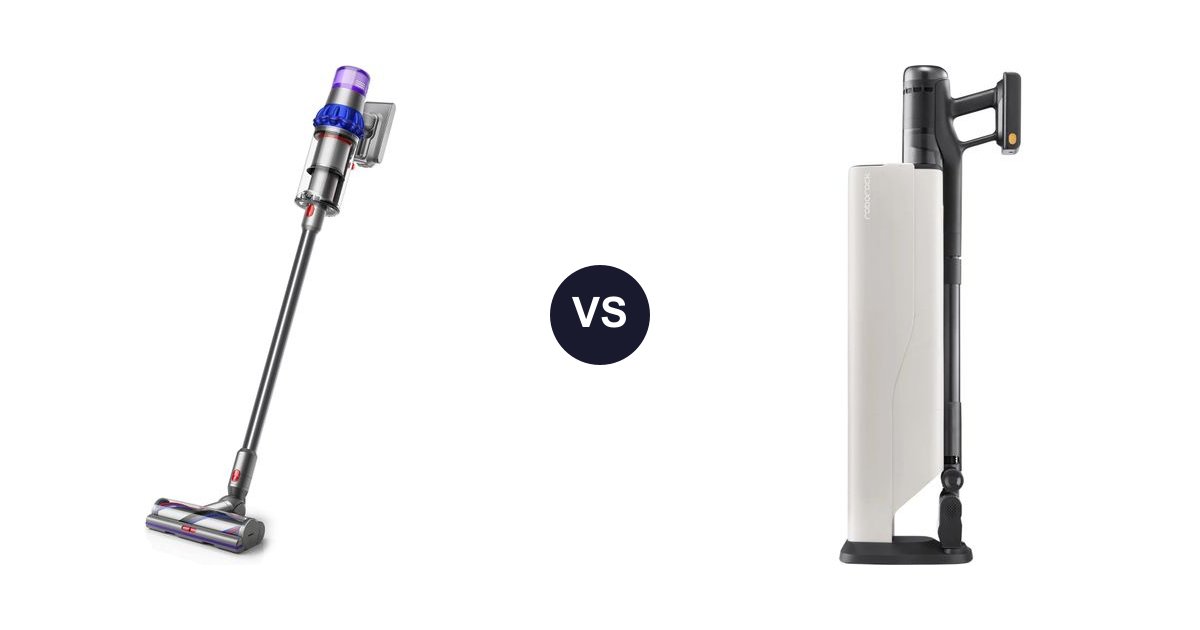
Dyson V15 vs Roborock H60 Ultra: Cordless Stick Showdown
Compare Dyson V15 Detect and Roborock H60 Ultra cordless vacuums. We test suction power, runtime, features, and value to help you choose the right premium stick vacuum.
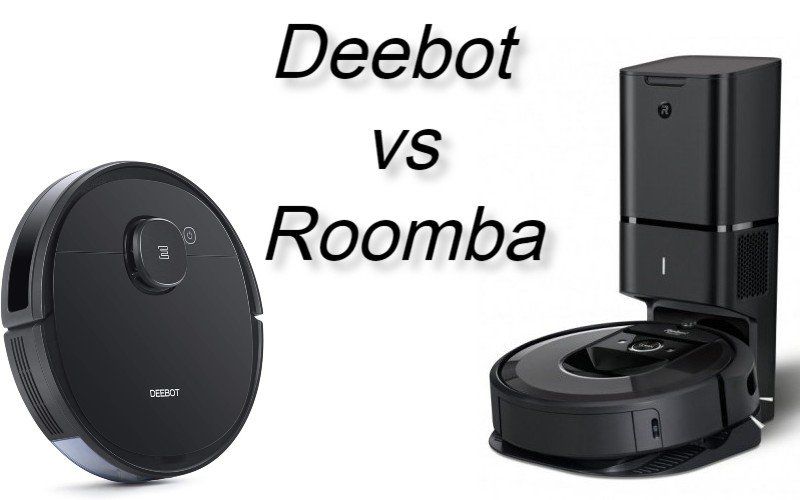
Roomba vs Deebot: Which Robot Vacuum is Better? (2026 Comparison)
Roomba vs Deebot robot vacuum comparison for 2026. Compare iRobot and Ecovacs models across premium, mid-range, and budget tiers with features, pricing, and recommendations.
Dyson V15 vs Dyson Omni-Glide: Which Cordless Vacuum Should You Buy?
Compare Dyson V15 Detect vs Omni-Glide: The ultimate powerhouse vs the hard floor specialist. Find which Dyson cordless vacuum fits your home and budget in 2026.