Affiliate Disclosure:Home Vacuum Zone is reader-supported. When you buy through links on our site, we may earn an affiliate commission at no additional cost to you. This does not influence our reviews or recommendations — we only recommend products we genuinely believe in.
Steam cleaning represents the pinnacle of chemical-free home sanitation. Using only water heated to temperatures exceeding 200°F, steam cleaners eliminate bacteria, dust mites, grease, and grime without a single drop of detergent or disinfectant. For households with children, pets, allergy sufferers, or chemical sensitivities, steam cleaning offers peace of mind alongside spotless results.
Below, we cover the different types of home steam cleaners, which surfaces are safe (and which to avoid), and our tested recommendations that balance performance, versatility, and value.
How Steam Cleaners Work
Steam cleaners heat water in an internal boiler to temperatures between 200-250°F, creating pressurized steam that exits through a nozzle or attachment. This superheated steam:
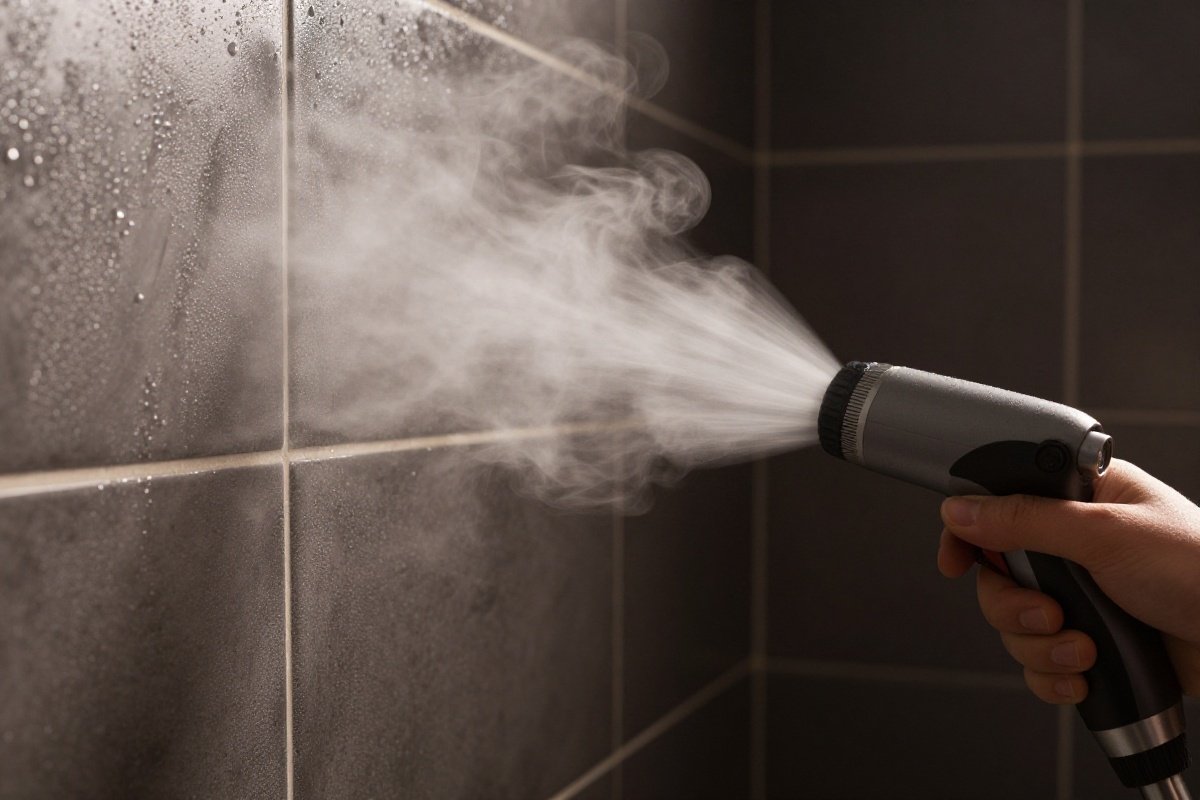
- Loosens dirt and grease through thermal energy
- Kills bacteria and viruses at the cellular level (99.9% elimination)
- Eliminates dust mites and their allergenic waste
- Sanitizes without chemicals using only water
The steam rapidly cools upon contact with surfaces, leaving minimal moisture that evaporates within minutes. Unlike mopping, which pushes dirty water around, steam cleaning captures dissolved contaminants in cloth attachments or leaves them to be wiped away.
How does it actually work? When water reaches temperatures above 212°F under pressure, it transitions into vapour carrying thermal energy. On contact with cooler surfaces, that energy transfer breaks molecular bonds holding dirt in place. At the same time, the high temperature denatures proteins in bacteria and viruses, killing them without requiring harsh chemical compounds.
Types of Home Steam Cleaners
Handheld Steam Cleaners
Best For: Spot cleaning, small jobs, portability
Handheld steam cleaners are pistol-shaped devices weighing 3-5 lbs with small water tanks (6-12 oz). They’re ideal for:
- Cleaning grout lines
- Sanitizing kitchen countertops
- Refreshing upholstery and mattresses
- Detail cleaning appliances
- Bathroom fixtures and tile
Advantages:
- Compact and easy to store
- Quick heat-up (30-60 seconds)
- Highly maneuverable
- Most affordable option in the steam cleaner category
Limitations:
- Small tank requires frequent refills (5-10 minutes of steam)
- Not suitable for large floor areas
- Requires multiple passes for heavy soil
Steam Mops
Best For: Hard floor cleaning, regular maintenance
Steam mops resemble traditional mops but with a built-in boiler that releases steam through a microfiber pad. They’re purpose-built for:
- Sealed hardwood floors
- Tile and ceramic flooring
- Laminate and vinyl
- Regular sanitizing maintenance
Advantages:
- Easy to use - similar to regular mopping
- Continuous steam for 15-30 minutes
- Lightweight and ergonomic
- Purpose-built for floors
Limitations:
- Single-purpose (floors only)
- Cannot clean vertical surfaces
- Less versatile than canister models
Canister Steam Cleaners
Best For: Whole-home cleaning, heavy-duty jobs, versatility
Canister steam cleaners feature a wheeled base unit (containing the boiler and water tank) connected to a steam wand via a flexible hose. They’re the most versatile type, handling:
- Floors (with mop attachment)
- Grout and tile
- Appliances and countertops
- Windows and mirrors
- Upholstery and curtains
- Automotive detailing
- Outdoor furniture
Advantages:
- Largest water tanks (40-60 oz)
- Longest steam time (30-60 minutes)
- Most attachments and accessories
- Commercial-grade cleaning power
Limitations:
- Bulky storage requirements
- Longer heat-up time (5-10 minutes)
- Higher cost than handheld or mop-style units
- Heavier to transport
Comparison Table
| Feature | Handheld | Steam Mop | Canister |
|---|---|---|---|
| Price Range | Budget | Budget to mid-range | Mid-range to premium |
| Water Tank | 6-12 oz | 12-20 oz | 40-60 oz |
| Steam Time | 5-10 min | 15-30 min | 30-60 min |
| Heat-Up Time | 30-60 sec | 30 sec | 5-10 min |
| Weight | 3-5 lbs | 5-8 lbs | 10-15 lbs |
| Best Use | Spot cleaning | Floor maintenance | Whole-home |
| Versatility | Medium | Low | High |
Top Steam Cleaner Picks for 2026
1. Bissell PowerFresh Slim Steam Mop 2075A - Best Versatile
The PowerFresh Slim is the Swiss Army knife of steam cleaners - converting from a floor steam mop to a handheld unit with a simple attachment change. This versatility eliminates the need for multiple steam cleaning devices.
Key Features:
- 3-in-1 design: steam mop, extended reach, handheld
- 25 minutes of continuous steam
- On-board storage for 7 included tools
- Swivel steering for maneuverability
Performance:
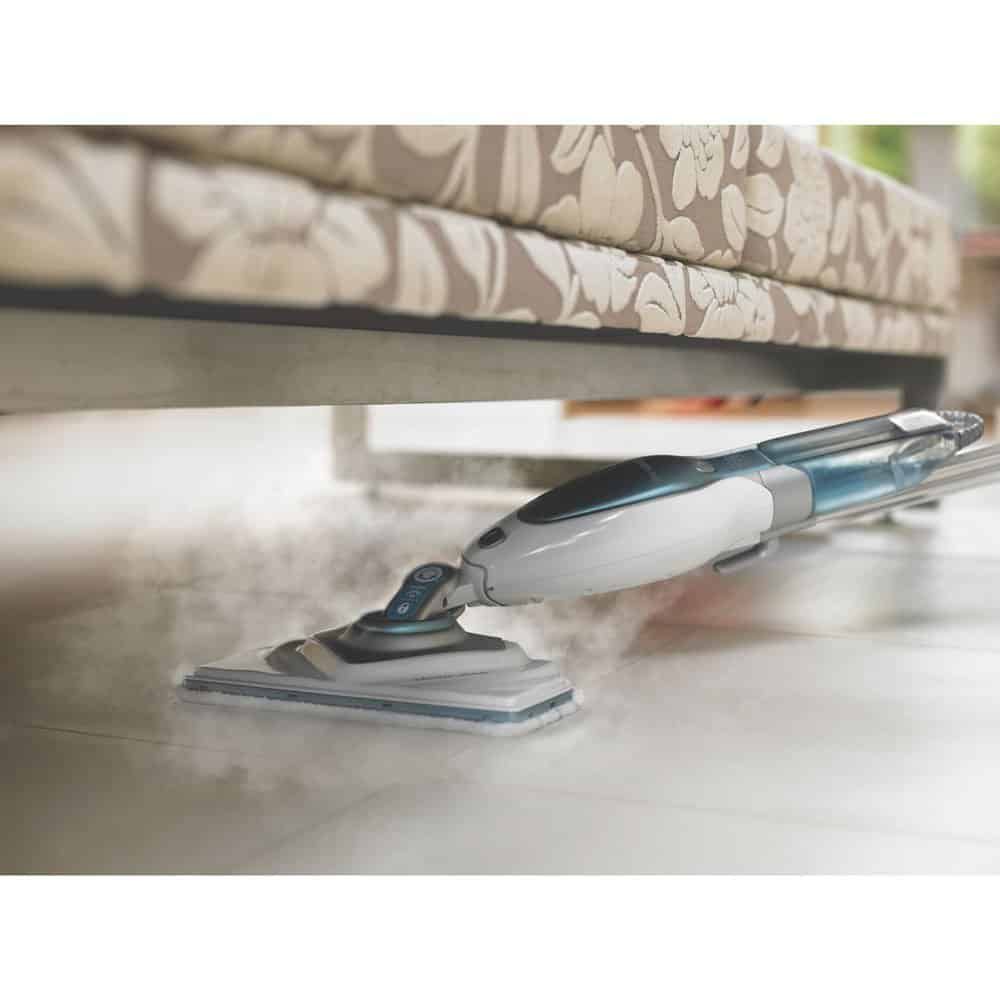
On floors, the slim profile reaches under furniture where bulkier steam mops can’t fit. The flip-down EasyScrubber targets stuck-on messes without bending. Converting to handheld mode takes seconds - remove the mop head, attach the extension wand, and add your chosen tool.
The 12 oz water tank is small for a steam mop but reasonable given the handheld capability. Refilling requires pausing for 30 seconds, but the versatile design justifies this minor inconvenience.
Best For: Homeowners wanting one steam cleaner that handles floors and everything else.
2. McCulloch MC1275 Heavy-Duty Steam Cleaner - Best Canister
The McCulloch MC1275 is a tank - figuratively and literally. This canister steam cleaner is built for serious cleaning with a commercial-grade boiler and enough capacity for extended sessions.
Key Features:
- 48 oz water tank (largest in class)
- 18 versatile accessories included
- 45 minutes of continuous steam
- 10-foot steam hose + 15-foot power cord
Performance:
This beast excels at jobs that send lesser steam cleaners to timeout. Grout cleaning? Its jet nozzle blasts years of buildup. Upholstery? The fabric attachment refreshes couches and mattresses. Car detailing? Multiple brushes and nozzles handle every surface.
The 8-minute heat-up tests patience, but the 45-minute steam time that follows is unmatched. You’re not stopping to refill every 10 minutes.
Best For: Heavy-duty cleaning, whole-home use, and those who want professional results without professional equipment.
3. PurSteam 10-in-1 Steam Mop - Best Budget
Effective steam cleaning doesn’t require premium pricing, and the PurSteam 10-in-1 proves it. At a budget-friendly price, it delivers versatility that competitors charge twice as much for.
Key Features:
- Lightweight 3.5 lb design
- 10 attachments for various surfaces
- 340ml water tank
- 15 minutes of steam time
Performance:
For the price, the PurSteam performs admirably. The steam mop function handles hard floors effectively, and the handheld conversion (while less elegant than the Bissell) gets the job done for above-floor cleaning.
The build quality reflects the budget price - plastic feels less substantial than premium models. Expect 3-5 years of service rather than a decade.
Best For: Budget-conscious buyers wanting steam cleaning versatility without major investment.
4. Dupray Neat Steam Cleaner - Best Premium
The Dupray Neat brings commercial-grade construction to residential users. This is the steam cleaner for those who view chemical-free cleaning as a lifestyle priority.
Key Features:
- Stainless steel boiler construction
- 54 oz water tank
- 50 minutes of steam time
- Retractable handle for compact storage
- 16-piece accessory kit
Performance:
At 275°F steam temperature (hotter than most competitors), the Neat dissolves stubborn grease and grime that resists lower-temperature steam. Its stainless steel boiler resists mineral buildup and should last 10+ years with proper maintenance.
A retractable handle is a clever touch - this large canister stores more compactly than competitors. Accessories are commercial-grade quality, too.
Best For: Serious steam cleaning enthusiasts who prioritize durability and maximum sanitization power.
5. Bissell SteamShot Hard Surface Cleaner 39N7A - Best Handheld
For targeted spot cleaning and small jobs, the SteamShot delivers concentrated steam power in a package that fits in a kitchen drawer.
Key Features:
- 1000 watts of heating power
- 6.6 oz water tank
- Multiple specialized attachments
- 20-foot power cord
Performance:
It heats in 30 seconds and delivers 10 minutes of steam - sufficient for grout lines, countertop sanitizing, or bathroom fixtures. Included attachments (grout brush, fabric steamer, window squeegee, detail brushes) handle most common tasks.
Yes, the small tank requires frequent refills for extended use, but that’s the trade-off for portability. As the most budget-friendly option, it’s an accessible entry point to steam cleaning.
Best For: Apartment dwellers, quick cleanups, and those wanting to try steam cleaning without major investment.
Buying Guide: How to Choose
Consider Your Primary Use
Floors Only: A dedicated steam mop offers the simplest experience. Whole-Home Cleaning: Go with a canister for maximum versatility. Spot Cleaning: A handheld is all you need. Everything: Convertible 2-in-1 models like the Bissell PowerFresh Slim cover all bases.
Key Specifications
Steam Temperature: Higher is better for sanitization. Look for 200°F minimum; 250°F+ for maximum germ killing.
Tank Capacity: Match to your cleaning sessions. Small jobs: 6-12 oz. Whole rooms: 40+ oz.
Steam Time: Ensure it exceeds your typical cleaning session. Nothing’s more frustrating than running out of steam mid-job.
Heat-Up Time: Handhelds: under 1 minute. Canisters: 5-10 minutes is normal.
Pressure: Higher pressure (measured in PSI) delivers more cleaning power. Look for 40+ PSI for effective grout and grease cleaning.
Essential Attachments
- Mop head: For floors (canister models)
- Grout brush: Essential for tile cleaning
- Fabric steamer: For upholstery and curtains
- Window squeegee: For glass and mirrors
- Detail brushes: Various sizes for nooks and crannies
- Jet nozzle: Concentrated steam for tough spots
Additional Considerations
Water Source: Some models accept tap water, while others require distilled water to prevent mineral buildup. Check manufacturer recommendations - using tap water in a distilled-only model voids warranties and shortens boiler life. If your local water is particularly hard, consider investing in distilled water regardless of manufacturer guidelines.
Cord Length: A 15-20 foot power cord reduces the need to switch outlets mid-cleaning. Canister models typically offer longer cords than handheld or mop-style units. Consider your home’s outlet placement when evaluating cord length specifications.
Variable Steam Control: Better models offer adjustable steam output. Lower settings work for delicate surfaces like sealed hardwood, while maximum steam tackles heavy grease and grout. If you’re deciding between a steam mop and a wet-dry vacuum for your floors, our steam mop vs wet dry vacuum comparison can help. This feature adds versatility but typically increases cost modestly.
Safety Features: Look for automatic shut-off when water runs low, child safety locks on trigger mechanisms, and pressure relief valves. These features prevent dry burning (which damages heating elements) and reduce accident risk.
Steam Cleaning Techniques for Best Results
Pre-Treatment Strategy
While steam cleaning is effective standalone, pre-treating heavily soiled areas improves results. For kitchen grease, wipe excess buildup before steaming. For bathroom soap scum, a quick vinegar spray before steam cleaning cuts through residue faster. Let pre-treatments sit 5-10 minutes before applying steam.
The Two-Pass Method
On stubborn stains and grout, use a two-pass technique: First pass applies steam to loosen contaminants. Wait 30 seconds for thermal penetration. Second pass with gentle agitation (using brush attachments) removes loosened debris. This method achieves professional results without excessive elbow grease.
Microfiber Pad Management
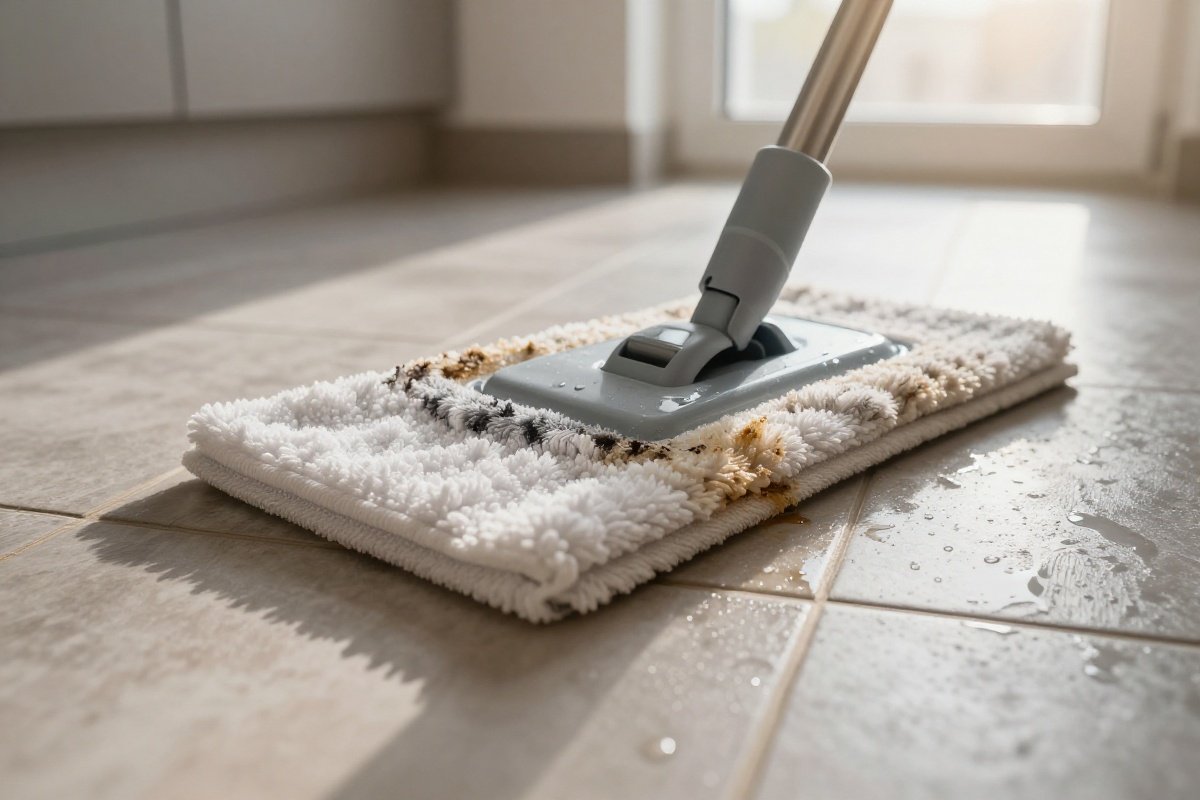
Steam mop pads require proper technique for streak-free floors. Use overlapping passes in consistent patterns - avoid random scrubbing. Replace or flip pads when visibly soiled; dirty pads redistribute grime rather than removing it. Keep 3-4 spare pads on hand so you can maintain momentum during large cleaning sessions. For a deeper dive into keeping your equipment running smoothly, see our guide on the importance of vacuum cleaner maintenance.
Surfaces: Safe and Unsafe
Safe for Steam Cleaning
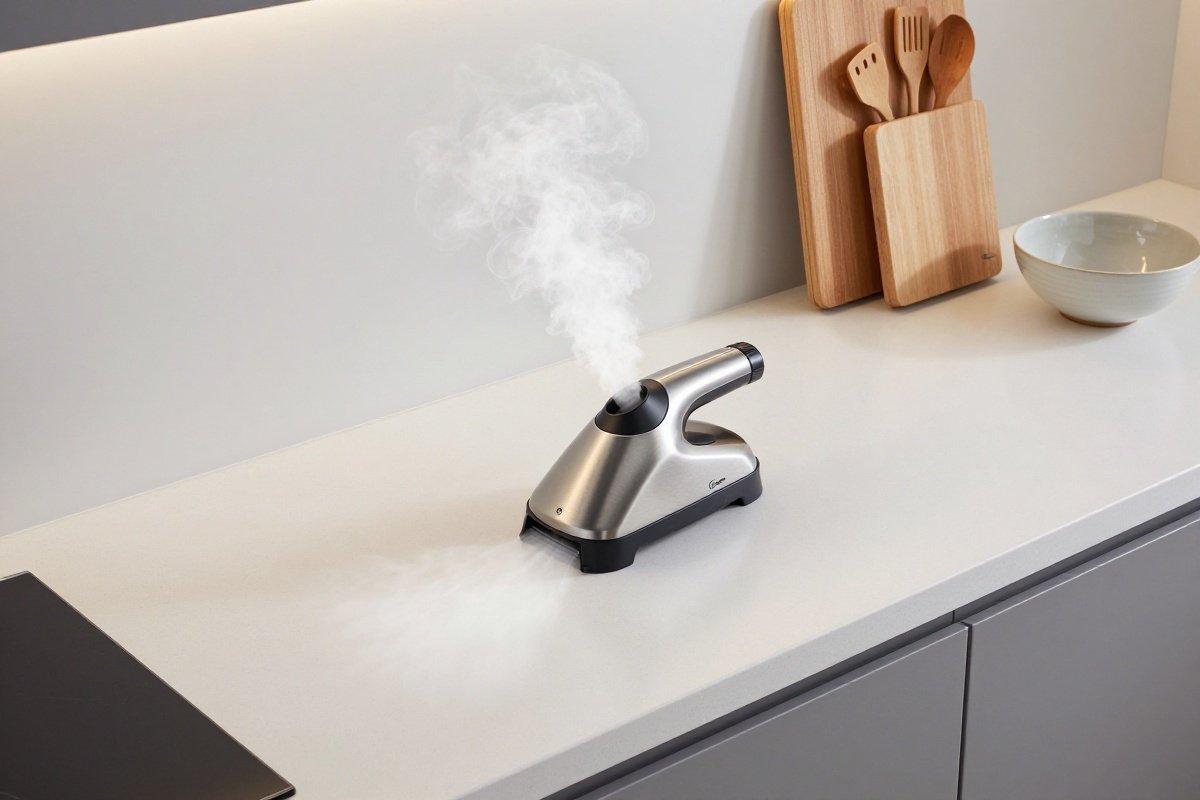
✅ Sealed hard floors: Tile, ceramic, vinyl, sealed hardwood, laminate ✅ Grout: Excellent for deep cleaning ✅ Countertops: Most stone, quartz, sealed surfaces ✅ Appliances: Stovetops, ovens, refrigerators, microwaves ✅ Bathroom fixtures: Toilets, sinks, tubs, showers ✅ Windows and mirrors: Streak-free cleaning ✅ Upholstery and mattresses: Check manufacturer tags first
Unsafe for Steam Cleaning
❌ Unsealed wood: Moisture will warp and damage ❌ Unglazed tile: Porous surface traps moisture ❌ Delicate fabrics: Silk, velvet, some synthetics ❌ Paper or cardboard: Disintegration risk ❌ Electronics: Even “water-resistant” devices ❌ Freshly painted surfaces: Steam can bubble paint ❌ Some laminates: Check manufacturer warranty
Always Test First: When uncertain, test on an inconspicuous area before cleaning visible surfaces.
Environmental and Health Benefits
Steam cleaning offers measurable advantages beyond surface cleanliness. Chemical-free sanitizing eliminates exposure to potentially harmful cleaning agents - particularly beneficial for households with respiratory sensitivities, young children who crawl on floors, or pets who lick surfaces.
Environmentally, there’s a real upside too. A single steam cleaner replaces multiple chemical products: floor cleaners, bathroom disinfectants, kitchen degreasers, upholstery refreshers, and window cleaners. Less plastic bottle waste, less chemical production and transportation. It adds up.
For allergy sufferers, steam’s ability to eliminate dust mites provides relief that chemical cleaners cannot match. Regular steam cleaning of mattresses, upholstery, and carpets (with appropriate attachments) reduces allergenic proteins that trigger symptoms. Studies show consistent steam cleaning can reduce household allergen levels by 50-80%.
Maintenance and Care
Proper maintenance extends steam cleaner life and maintains performance:
After Each Use:
- Empty remaining water from tank
- Wipe down exterior
- Allow to cool completely before storage
- Wrap cord properly
Weekly (if used regularly):
- Clean attachments with soapy water
- Check for mineral buildup in nozzle
- Wipe down steam hose
Monthly:
- Descale the boiler using manufacturer-recommended solution or white vinegar
- Clean or replace water filter (if equipped)
- Inspect cord for damage
Descaling Procedure:
- Mix equal parts white vinegar and water
- Fill tank and heat normally
- Run steam through nozzle for 2 minutes
- Let sit 30 minutes
- Empty and rinse with clean water
- Run clean water through to flush
Further Reading
- Self-Propelled Vacuum Cleaners: Are They Worth It? (2026 Buying Guide)
- Stick vs Canister Vacuum: Which Type Is Best for Your Home?
- How Does a Vacuum Cleaner Work? Motor Types, Suction Power & Filtration Explained
Troubleshooting Common Issues
Weak Steam Output: Mineral deposits likely block the nozzle or boiler. Run descaling solution through the system. If problems persist after descaling, check for kinked hoses or damaged seals.
Water Leaking: Ensure all tank caps and seals are properly tightened. Check for cracks in tanks or hoses. Replace damaged components promptly - continued use with leaks can damage internal electronics.
Extended Heat-Up Time: As mineral deposits accumulate, heating efficiency decreases. Regular descaling prevents this issue. If descaling doesn’t restore normal heat-up times, heating element replacement may be necessary.
Spitting or Sputtering: This typically indicates overfilling or improper water temperature. Fill tanks only to indicated lines and ensure water is room temperature when adding (not hot from the tap).
Recommended Products
Bissell PowerFresh Slim Steam Mop 2075A
Best versatile steam cleanerThe PowerFresh Slim 2075A converts from a floor steam mop to a handheld steamer in seconds, with a 30-second heat-up time and 3 adjustable steam levels for different surfaces. Best for households wanting chemical-free sanitization across floors, countertops, and above-floor surfaces with a single device.
What We Like
- 3-in-1 design converts to handheld steamer
- Up to 25 minutes of continuous steam time
- On-board tool storage for convenience
- Fast 30-second heat-up time
What We Don't
- Small 12.8 oz water tank requires frequent refilling
- 23-foot cord may be short for larger rooms
- Handheld mode can be awkward for extended use
McCulloch MC1275 Heavy-Duty Steam Cleaner
Best canister steam cleanerThe McCulloch MC1275 delivers 43 PSI of pressurized steam at 200 degrees with an oversized 48 oz tank providing up to 45 minutes of continuous chemical-free cleaning. Best for homeowners tackling stubborn grease, tile grout, and bathroom buildup who want a versatile 18-accessory kit at a mid-range price.
What We Like
- Large 48 oz water tank provides up to 45 minutes of continuous steam
- 18 versatile accessories included for various cleaning tasks
- Chemical-free cleaning using only water
- Pressurized steam effective for sanitizing surfaces
What We Don't
- Long 8-minute heat-up time before use
- Large storage footprint requires significant space
- Heavy and bulky to move around
PurSteam 10-in-1 Steam Mop
Best budget steam cleanerThe PurSteam 10-in-1 heats up in just 30 seconds and includes 10 attachments for floors, garments, and upholstery at a budget-friendly price. Best for renters and small apartments who want a versatile steam cleaning tool without investing in separate floor and handheld units.
What We Like
- Very affordable price point
- Lightweight design for easy handling
- 10 versatile attachments for multiple cleaning tasks
- Fast 30-second heat-up time
What We Don't
- Shorter steam time of approximately 15 minutes
- Less durable construction than premium models
- Smaller water tank requires frequent refilling
Dupray Neat Steam Cleaner
Best premium steam cleanerBest premium steam cleaner with professional durability.
What We Like
- 275°F max temperature provides effective sanitization
- 50 minute runtime from large 54 oz tank
- No chemicals needed - uses only water
- Includes 18 versatile accessories for various surfaces
- Compact and portable design
What We Don't
- Premium price point
- 8 minute heat-up time before use
- Shorter cord compared to some competitors
Bissell SteamShot Hard Surface Cleaner 39N7A
Best handheld steam cleanerThe SteamShot packs a 1000W heating element into a 3.5 lb handheld that heats up in 30 seconds and includes grout brushes, a flat scraper, and extension hose for targeted sanitization. Best for homeowners who need a compact steam tool for kitchen fixtures, bathroom tile grout, and other spot-cleaning tasks.
What We Like
- Compact and lightweight at 3.5 lbs for easy maneuverability
- Powerful 1000W heating element for effective sanitization
- Includes multiple attachments for various surfaces and tasks
- Quick 30-second heat-up time
What We Don't
- Very small 6.6 oz water tank limits continuous cleaning time
- Requires frequent refilling for larger cleaning jobs
- Best suited for spot cleaning rather than whole-room applications
Sources & Research
Continue Reading
Explore more buying guides content or browse our other categories.
Frequently Asked Questions
- What surfaces can I safely clean with a steam cleaner?
- Steam cleaners work safely on sealed hard surfaces including tile, ceramic, sealed hardwood, vinyl, laminate, and grout. They're also great for appliances, countertops, bathroom fixtures, and windows. Avoid using steam on unsealed wood, unglazed tile, silk, delicate fabrics, and surfaces sensitive to heat. Always check manufacturer recommendations before steam cleaning new surfaces.
- How hot do steam cleaners get and are they safe?
- Home steam cleaners typically reach 200-250°F (93-121°C). This high temperature effectively kills 99.9% of bacteria, dust mites, and germs without chemicals. Safety precautions include: wearing closed-toe shoes, keeping hands away from steam nozzle, never pointing at people or pets, and allowing surfaces to cool before touching. The steam itself poses burn risk - treat it with the same caution as boiling water.
- Do steam cleaners really sanitize without chemicals?
- Yes, the high temperature of steam (typically above 212°F) is sufficient to kill most bacteria, viruses, and dust mites without chemical disinfectants. Studies show steam cleaning eliminates 99.9% of common household germs including E. coli, salmonella, and staphylococcus. However, steam alone may not remove heavy grease or soap scum as effectively as chemical cleaners - physical agitation and multiple passes may be needed.
- How often should I use a steam cleaner?
- For maintenance sanitizing, use a steam cleaner monthly in kitchens and bathrooms. High-traffic floors may benefit from weekly steam mopping. Spot clean messes as they occur. Over-steaming isn't harmful to most surfaces, but excessive moisture on wood or laminate can cause damage over time. Always ensure floors dry completely after steam cleaning, which typically takes 2-5 minutes on hard surfaces.
- What is the difference between a steam mop and a steam cleaner?
- A steam mop is a specialized type of steam cleaner designed specifically for floors. It has a flat mop head and is optimized for cleaning hard floors only. A steam cleaner (canister or handheld) is more versatile with various attachments for cleaning floors, grout, appliances, upholstery, windows, and more. Steam mops are easier to use for floor cleaning; steam cleaners offer more versatility for whole-home cleaning tasks.
Written By
Home Vacuum Zone
Our team researches, tests, and reviews vacuum cleaners to help you make confident buying decisions.
Related Articles
Vacuum Noise Level Comparison: Decibel Ratings for 60+ Models (2026 Database)
Comprehensive vacuum noise level database with decibel ratings for 60+ models across every vacuum type. Find the quietest vacuums and understand what dB ratings actually mean.
Vacuum Suction Power Chart: AW, Pa & kPa Ratings Compared (2026 Database)
Comprehensive vacuum suction power database with air watts, pascals, and kPa ratings compared across every vacuum type. Find how much suction you actually need.
Bagged vs Bagless Vacuums: Which Type Is Actually Better?
Bagged and bagless vacuums each have distinct advantages for different households. We compare cost, filtration, allergen control, maintenance, and convenience to help you choose the right type.