Affiliate Disclosure:Home Vacuum Zone is reader-supported. When you buy through links on our site, we may earn an affiliate commission at no additional cost to you. This does not influence our reviews or recommendations — we only recommend products we genuinely believe in.
Ever wonder how that humble machine in your closet manages to pull dirt, dust, and debris from your floors and carpets? The physics behind vacuum cleaners is both simple and ingenious - a perfect application of airflow principles that has been refined over more than a century of engineering.
Whether you’re troubleshooting a loss of suction or shopping for a new vacuum, understanding how these machines work will make you a more informed consumer and help you maintain your investment for years to come.
The Basic Physics: How Suction Actually Works
At its core, a vacuum cleaner doesn’t actually “suck” dirt into itself. Instead, it creates a pressure differential that causes the surrounding air (and everything carried by it) to rush into the machine.
Airflow and Pressure Differential
Imagine a stream of fast-moving air as similar to a stream of water. Just as a river current carries leaves and debris, moving air transports dust and dirt particles. A vacuum cleaner creates this current by:
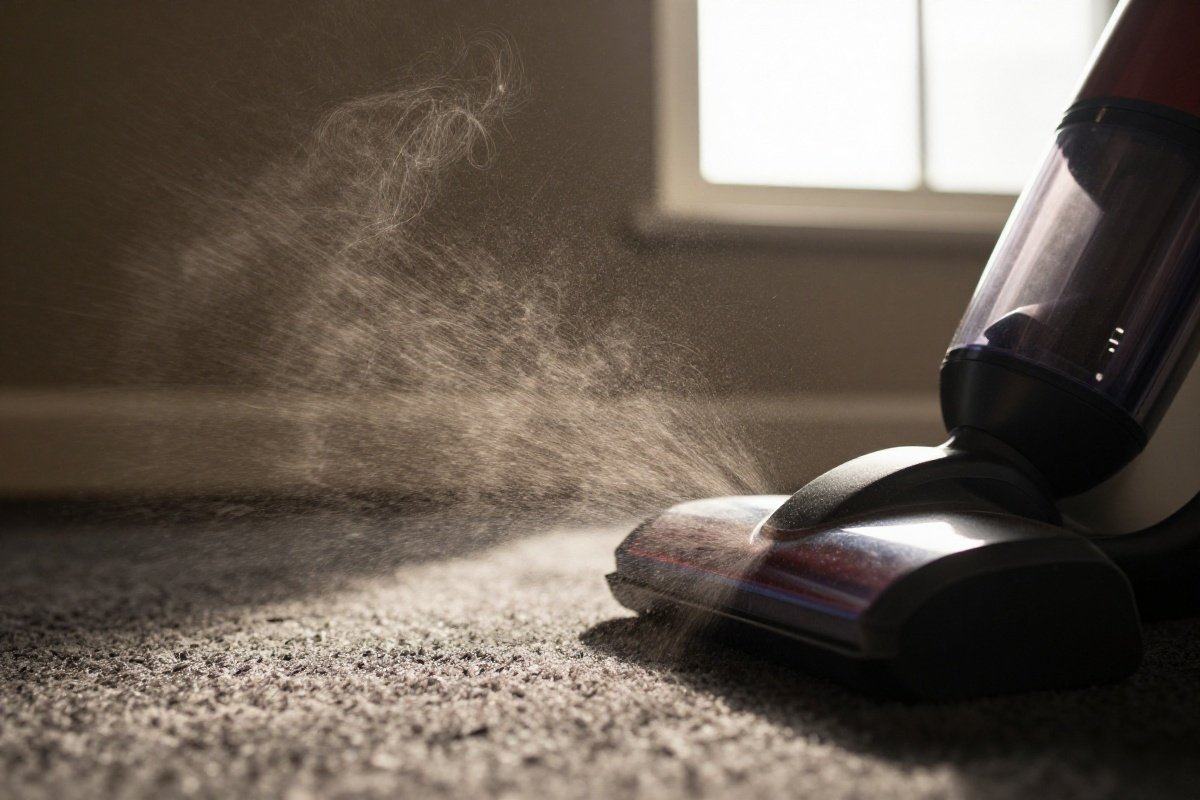
- Drawing air through the intake port (the nozzle that touches your floor)
- Accelerating that air through a narrow passage using a motor-driven fan
- Separating debris from the air stream using filters or cyclonic force
- Expelling clean air back into the room through an exhaust port
The key principle is Bernoulli’s Principle: as air moves faster, its pressure decreases. The vacuum motor creates a low-pressure zone inside the machine. The higher atmospheric pressure outside pushes air (and dirt) into this low-pressure zone, creating the effect we experience as “suction.”
The Six Core Components
Every vacuum cleaner, from a budget stick vac to a premium central vacuum system, contains these essential components:
1. Intake Port
The business end of the vacuum where dirt enters. This includes:
- Nozzle/head: Contacts the floor surface
- Brush roll (on carpet models): Agitates fibers to release embedded dirt
- Hose attachment point: Connects wand and tools for above-floor cleaning
2. Exhaust Port
Where cleaned air exits the machine. On bagged vacuums, this is typically a vent on the rear or side. On bagless models, it’s often integrated into the filter housing.
3. Electric Motor
The heart of the vacuum - converts electrical energy into mechanical rotation. Motors range from:
- Universal motors (brushed): Common in uprights, high RPM, shorter lifespan
- Brushless DC motors: Found in premium cordless vacuums, longer lasting, more efficient
- Bypass motors: Separate airflow from motor cooling (explained below)
- Direct air motors: Use intake air to cool the motor
4. Fan/Impeller
Attached to the motor shaft, the fan creates the airflow that generates suction. Fan design significantly impacts performance:
- Single-stage fans: Basic suction, common in budget models
- Multi-stage fans: Create higher pressure differentials for deeper cleaning
5. Collection System
Where debris is stored - either:
- Dust bags: Paper or cloth bags that trap dirt while allowing air through
- Dust bins: Plastic containers that hold debris until emptying
- Cyclonic chambers: Spin debris out of airflow using centrifugal force
6. Housing
The exterior shell that contains and protects all components while managing airflow paths.
Motor Types: Direct Air vs Bypass Systems
The motor configuration fundamentally affects a vacuum’s performance characteristics. There are two primary designs:
Direct Air Motor System
In a direct air (or “dirty air”) system, the intake air flows directly through the motor before being filtered and exhausted.
How It Works:
- Dirty air enters through the intake port
- Air passes directly through the motor chamber, cooling the motor
- Air carrying debris enters the collection bag
- Filtered air exits through the exhaust
Advantages:
- Maximum suction efficiency: No airflow loss through complex pathways
- Simplicity: Fewer components means less maintenance
- Deep cleaning power: Superior for carpet agitation
Disadvantages:
- Motor exposure to debris: Can shorten motor lifespan
- Filtration limitations: Hot exhaust air may bypass filters
- Temperature issues: Hot motor air enters the bag
Examples: Kirby vacuums are the most famous direct air system. Some commercial and industrial vacuums also use this design for maximum power.
Bypass Motor System
In a bypass (or “clean air”) system, the motor is isolated from the intake airflow. Two separate air paths exist:
How It Works:
- Primary airflow: Dirty air enters, deposits debris in bag/bin, filtered air exits
- Motor cooling airflow: Separate air intake cools the motor, exits independently
Advantages:
- Better filtration: Motor never contacts dirty air, allowing HEPA filtration of exhaust
- Motor protection: Isolated from abrasive debris
- Temperature control: Cooler operation extends motor life
- Versatility: Can accommodate more complex filtration systems
Disadvantages:
- Slightly reduced suction: Airflow pathway is more complex
- More components: Higher manufacturing cost
Examples: Dyson, Shark, Miele, Hoover, and most modern consumer vacuums use bypass systems.
Comparison Table: Direct Air vs Bypass
| Feature | Direct Air | Bypass |
|---|---|---|
| Suction Power | Excellent | Very Good |
| Filtration Quality | Good | Excellent (HEPA capable) |
| Motor Lifespan | 10-15 years | 15-20 years |
| Best For | Deep carpet cleaning | Allergen control, mixed surfaces |
| Typical Price | Premium to high-end | Budget to premium |
| Maintenance | More frequent | Less frequent |
Cyclonic Technology: No Bags Required
Traditional vacuums use bags to trap debris while allowing air to pass through. Cyclonic technology, popularized by Dyson in the 1980s, separates dirt from air using centrifugal force.
How Cyclonic Separation Works
The Physics:
- Dirty air enters a cylindrical chamber at high velocity (often 100+ mph)
- The air stream is forced into a spiral or vortex pattern
- Centrifugal force pushes heavy debris particles outward against the chamber wall
- Debris loses momentum, falls to the bottom of the container
- Clean air from the center of the vortex exits through a central filter
Multi-Cyclonic Systems: Premium vacuums use multiple cyclone chambers in series:
- Primary cyclone: Removes large debris (dust bunnies, cereal, pet hair)
- Secondary cyclones (8-15+ cones): Remove fine dust particles
- Final filter: Captures microscopic particles before exhaust
Advantages of Cyclonic Technology:
- No bag replacement costs: Empty and reuse the bin
- Consistent suction: Suction doesn’t decrease as bin fills (unlike bags)
- Visible dirt collection: See exactly what you’re removing
- Environmental: No disposable bags
Disadvantages:
- Filter maintenance: Requires regular filter cleaning
- Dust exposure: Emptying bins can release dust clouds
- Complex cleaning: More components to maintain
Understanding Suction Measurements
Vacuum manufacturers use various metrics to describe suction power. Here’s what they actually mean:
Air Watts (AW)
The most comprehensive measurement of vacuum power, combining airflow and suction:
Air Watts = (Suction × Airflow) / 8.5
- Good: 100+ AW
- Very Good: 150+ AW
- Excellent: 200+ AW
Examples:
- Dyson V15: 240 AW
- Shark Stratos: 180 AW
- Budget uprights: 80-120 AW
Water Lift (Sealed Suction)
Measures how high the vacuum can lift a column of water (in inches or mm):
- Good: 70+ inches
- Very Good: 90+ inches
- Excellent: 100+ inches
Higher water lift indicates better performance on deep carpets where the nozzle seals against the surface.
CFM (Cubic Feet per Minute)
Measures the volume of air moved:
- Good: 60+ CFM
- Very Good: 80+ CFM
- Excellent: 100+ CFM
Higher CFM indicates better performance on hard floors and with attachments.
Why Multiple Measurements Matter
No single metric tells the complete story:
- High AW with low CFM: Strong suction but poor airflow (struggles with large debris)
- High CFM with low water lift: Good airflow but weak deep cleaning
- Balanced metrics: Best real-world performance
Filtration Systems: More Than Just the Bag
Effective filtration prevents microscopic particles from being expelled back into your home. Here’s how different systems work:
Standard Filtration
Paper bags: Basic filtration capturing particles down to 5 microns Foam filters: Washable pre-filters catching larger particles
HEPA Filtration
True HEPA (High-Efficiency Particulate Air) captures 99.97% of particles down to 0.3 microns:
- Dust mites and their waste
- Pollen grains
- Pet dander
- Mold spores
- Bacteria
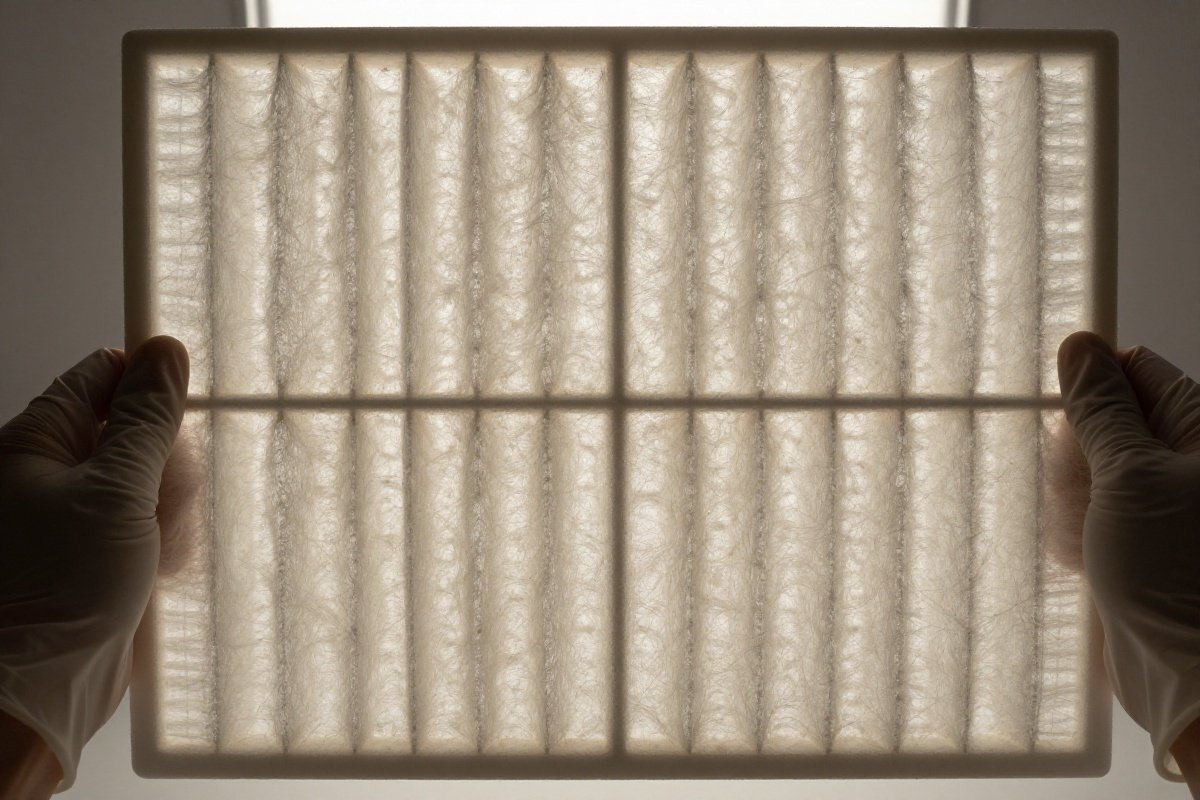
Important: “HEPA-type” or “HEPA-like” filters are marketing terms without certification standards. Look for “True HEPA” or “HEPA H13” designation.
Sealed System Filtration
Having a HEPA filter isn’t enough - the entire machine must be sealed to prevent air leakage:
Components of a sealed system:
- Gaskets around filter compartments
- Tight-fitting dust bin connections
- Quality construction preventing cracks or gaps
The Test: Run the vacuum and smell the exhaust air. If you detect dust or odors, the system isn’t properly sealed.
Multi-Stage Filtration
Premium vacuums use progressive filtration:
- Cyclonic separation: Removes large debris
- Mesh screen: Catches hair and fibers
- Foam pre-filter: Traps fine dust
- Pleated filter: Captures microscopic particles
- Post-motor HEPA: Final exhaust filtration
2026 Vacuum Cleaner Technology Innovations
The vacuum industry continues to evolve rapidly, with 2026 models incorporating cutting-edge technologies that improve cleaning performance and user experience.
Smart Sensors and AI Integration
Modern vacuums now feature sophisticated AI-powered sensors that revolutionize cleaning efficiency:
- Dirt detection sensors: Automatically identify concentrated debris areas and boost suction power accordingly
- Floor recognition technology: Instantly detect transitions between carpet, hardwood, and tile, adjusting brush roll speed and suction automatically
- Obstacle avoidance: Advanced cameras and LiDAR systems enable robot vacuums to navigate around furniture, cables, and even pet waste with precision
- Dreame’s latest innovations: Unveiled at CES 2026, Dreome’s X50 Ultra features dual-laser obstacle detection and AI-powered room recognition that learns your home’s layout for optimized cleaning patterns
High-RPM Digital Motors
Motor technology has reached new heights in 2026:
- 150,000+ RPM motors: Premium cordless vacuums now feature brushless digital motors spinning at extreme speeds, delivering unprecedented suction while maintaining energy efficiency
- Dreome and Dyson competition: Models now regularly achieve 30,000+ Pa suction pressure, with flagship units from Dreame and Dyson pushing past 35,000 Pa
- Improved motor efficiency: Newer brushless designs consume less power while generating more airflow, extending battery life without sacrificing performance
Advanced HEPA Filtration (H13/H14)
Filtration standards have tightened for 2026 models:
- H13 and H14 HEPA grades: Premium vacuums now feature medical-grade H13 filters capturing 99.95% of particles 0.3 microns and larger, with H14 variants achieving 99.995% efficiency
- Multi-stage filtration systems: Five and six-stage filtration is now standard on mid-range models, incorporating pre-filters, cyclonic separation, foam filters, pleated filters, and final HEPA exhaust filtration
- Antimicrobial treatments: Many 2026 filters include silver ion or similar antimicrobial coatings to prevent bacterial growth within the filtration system
Extended Battery Technology
Cordless vacuum battery performance has dramatically improved, narrowing the gap with corded models:
- 60-75 minute runtimes: Flagship cordless models from Dreame, Dyson, and Tineco now offer extended cleaning sessions on a single charge
- Fast charging capability: Quick-charge technology provides 50% capacity in under 30 minutes
- Battery health management: Smart charging circuits extend battery lifespan by preventing overcharging and managing discharge cycles
- Swappable batteries: More manufacturers now offer removable battery packs, enabling continuous cleaning with spare batteries
Energy Efficiency Improvements
Sustainability drives 2026 vacuum design:
- Energy Star certification: More models now meet strict energy efficiency guidelines
- Eco mode optimization: Intelligent power management automatically adjusts to use minimum power needed for effective cleaning
- Recycled materials: Major manufacturers now incorporate recycled plastics in housing and components
- Extended lifespan designs: Improved build quality and modular components mean vacuums last longer, reducing electronic waste
Smart Features and Modern Innovations
Today’s vacuums incorporate technology that was science fiction a decade ago:
Auto-Adjust Suction
Sensors detect carpet pile height and floor type, automatically adjusting motor speed:
- Benefits: Optimizes battery life on cordless models, prevents carpet damage
- Examples: Dyson V15, Shark IQ Robot
Laser Dust Detection
Green laser illuminates microscopic particles invisible to the naked eye:
- Benefits: Reveals areas needing additional cleaning
- Examples: Dyson V15 Detect, Tineco Pure One
Particle Counting Displays
LCD screens show real-time particle counts being captured:
- Benefits: Confirms effective cleaning, indicates when area is clean
- Examples: Dyson V15, LG CordZero
Smart Home Integration
Robot vacuums with mapping, scheduling, and voice control:
- LiDAR mapping: Creates accurate floor plans
- Zone cleaning: Target specific rooms
- No-go zones: Virtual boundaries
- Examples: Roborock S8, iRobot Roomba j7+
Maintenance: Keeping Your Vacuum Working Efficiently
Understanding vacuum mechanics helps you maintain optimal performance:
Monthly Maintenance
Filter cleaning: Wash or replace filters per manufacturer instructions Brush roll cleaning: Remove wrapped hair and fibers Bin emptying: Don’t overfill - empty when 2/3 full
Quarterly Maintenance
Check hoses: Clear any blockages Inspect belts: Replace if worn or stretched Clean sensors (robot vacuums): Wipe navigation sensors
Annual Maintenance
Deep clean: Disassemble and wash all non-electrical components Check seals: Ensure gaskets are intact Motor inspection: Listen for unusual sounds indicating wear
Troubleshooting Loss of Suction
If your vacuum isn’t performing as well:
- Check the bin/bag: Empty if over 2/3 full (bags lose efficiency as they fill)
- Clean filters: Clogged filters restrict airflow
- Inspect hoses: Look for blockages
- Check brush roll: Remove hair wrapping
- Verify seals: Ensure all connections are tight
- Motor issues: Unusual smells or sounds indicate professional service needed
What to Look for When Buying
Now that you understand vacuum mechanics, here’s how to evaluate your options with modern technology in mind:
For Deep Carpet Cleaning
- Direct air motor OR high AW (150+) with 30,000+ Pa suction
- Motorized brush roll with height adjustment and automatic carpet detection
- High water lift (90+ inches) for deep extraction
- Strong agitation: Look for brush rolls with stiff bristles and consistent rotation
For Allergy Sufferers
If you suffer from allergies, check out our roundup of the best vacuum cleaners for allergy sufferers.
- True HEPA H13 or H14 filtration with sealed system certification
- Multi-stage filtration including pre-filters and post-motor filters
- Bagged design with self-sealing bags to minimize dust exposure during emptying
- Antimicrobial-treated filters to prevent bacterial growth
For Hard Floors
For detailed advice on protecting delicate surfaces, see our guide to vacuuming hardwood floors.
- High CFM (80+) for effective debris pickup without scattering
- Soft brush roll or hard floor attachment with felt or microfiber strips
- Cyclonic technology for consistent suction as bin fills
- Gentle suction modes to prevent scratching delicate surfaces
For Versatility
- Lift-away canister or detachable pod for above-floor cleaning
- Multiple attachments including crevice tools, dusting brushes, and upholstery tools
- Adjustable suction with auto-adjust sensors for different surfaces
- Extended reach with telescoping wands and flexible hoses
For Smart Home Integration
- App connectivity for scheduling, monitoring, and maintenance reminders
- LiDAR or camera navigation for robot vacuums with room mapping
- Voice assistant compatibility with Alexa, Google Assistant, or Siri
- Zone cleaning and virtual boundaries for targeted cleaning
For Pets
- Tangle-free brush roll with anti-hair wrap technology
- High suction power (200+ AW) for embedded pet hair
- HEPA filtration with sealed systems for dander containment
- Specialized pet tools including motorized upholstery brushes and crevice tools
- Large capacity bins to handle pet hair volume without frequent emptying
Further Reading
- Vacuum Repair Guide 2026: DIY Fixes for Suction, Odor, Noise & Power Issues
- Vacuum Buying Guide 2026: How to Choose the Best Vacuum Cleaner
- Best Vacuum Cleaner Brands in 2026: Complete Buyer’s Guide by Price & Specialty
Conclusion
Vacuum cleaners are elegant applications of physics - using pressure differentials, centrifugal force, and mechanical filtration to accomplish what would take hours of manual labor. Understanding how they work helps you:
- Troubleshoot problems when suction decreases
- Evaluate marketing claims with technical knowledge
- Choose the right vacuum for your specific needs
- Maintain your investment for maximum lifespan
Whether you choose a simple bagged upright or a feature-rich cordless with laser detection, the fundamental principles remain the same. The best vacuum is one that effectively moves air, separates debris, and returns clean air to your home - reliably, year after year.
Now that you understand how vacuums work, you’re equipped to make an informed decision on your next purchase and keep your current machine running at peak performance.
Recommended Products
Dyson V15 Detect Cordless Vacuum
Tech enthusiasts, allergy sufferers, thorough cleanersBest example of advanced cyclonic technology in action.
What We Like
- Laser Detect technology reveals microscopic dust on hard floors
- LCD screen displays real-time particle count and runtime data
- Hyperdymium motor spins at 125,000 RPM for powerful suction
- Advanced 5-stage whole-machine HEPA filtration captures 99.99% of particles
What We Don't
- Premium price point — one of the most expensive cordless vacuums available
- 60-minute runtime only achievable in Eco mode
- Heavier than earlier models at 6.83 lbs
Kirby Avalir 2 Vacuum System
Serious cleaning enthusiasts, large homes, longevity seekersUltimate example of direct air motor technology.
What We Like
- Direct air motor delivers maximum suction efficiency
- Converts to carpet shampooer, hard floor polisher, and more
- All-metal construction built to last 20+ years
- TechDrive power assist reduces pushing effort
- Lifetime rebuild program available
What We Don't
- Extremely expensive — costs more than most appliances combined
- Heavy at 23 lbs making it difficult to carry
- Typically requires in-home sales demonstration
- Bulky to store
Shark Navigator Lift-Away Deluxe NV360
Budget buyers wanting quality engineering, allergy sufferersBest affordable example of modern bypass motor design.
What We Like
- Brush roll shutoff enables seamless transition between carpets and hard floors
- Adjustable suction control for delicate surfaces
- Lift-Away canister feature for versatile above-floor cleaning
- Anti-Allergen Complete Seal Technology with HEPA filtration
What We Don't
- Can be challenging to push on thick, plush carpets
- Smaller 0.9-quart dust cup requires more frequent emptying on larger jobs
- 25-foot cord limits reach in larger homes and open floor plans
Miele Complete C3 Marin Canister Vacuum
Quiet operation seekers, luxury buyers, thorough filtration needsThe Miele Complete C3 Marin is a top-tier canister vacuum with outstanding suction, whisper-quiet operation, and hospital-grade HEPA filtration. Ideal for allergy sufferers and large homes with mixed flooring who want a vacuum that will last 15-20 years.
What We Like
- 1200W Vortex motor with 6 speed settings for optimal suction control across surfaces
- AirClean Sealed System with HEPA filter traps 99.95% of particles down to 0.1 microns
- Exceptionally quiet operation at 64 dB - among the quietest canister vacuums available
- 36-foot operating radius covers large rooms without unplugging
What We Don't
- Requires bags which add ongoing maintenance cost (~$5 per bag)
- Premium pricing at top of market segment
- No motorized brush roll included - must purchase SEB 228 or SEB 236 separately
Sources & Research
Continue Reading
Explore more buying guides content or browse our other categories.
Frequently Asked Questions
- Do more watts mean better suction?
- **Not necessarily.** Watts measure power consumption, not cleaning effectiveness. A 1,200-watt motor with poor airflow design may clean worse than an 800-watt motor with optimized engineering. Look for Air Watts or water lift measurements instead.
- What's better, bagged or bagless?
- **Bagged advantages:** Better filtration, less dust exposure, no filter maintenance **Bagless advantages:** No ongoing bag costs, consistent suction, see what you've cleaned **Choose bagged if:** You have allergies, want lowest maintenance **Choose bagless if:** You want to minimize ongoing costs, like seeing results
- Why does my vacuum lose suction over time?
- Most suction loss is caused by: 1. **Full bag/bin** (most common) 2. **Clogged filters** (second most common) 3. **Blocked hoses** (check for obstructions) 4. **Worn brush roll** (bristles become too short) 5. **Motor wear** (professional service needed) Regular maintenance prevents 90% of suction issues.
- Are expensive vacuums worth the price?
- **$200-$400 range:** Significant improvements in filtration, durability, and features **$400-$800 range:** Premium features (cordless convenience, smart tech), better build quality **$800+ range:** Diminishing returns for most users; pay for specific features you need For most households, a $200-$350 vacuum offers the best value-to-performance ratio.
- How does a vacuum's brush roll help cleaning?
- The brush roll serves two critical functions: 1. **Agitation**: Bristles vibrate carpet fibers, releasing embedded dirt 2. **Debris collection**: Rotating motion sweeps debris toward the intake port Without a brush roll, vacuums only pick up surface debris. That's why hard floor vacuums (which don't need agitation) often clean bare floors better than carpet-focused machines.
Written By
Home Vacuum Zone
Our team researches, tests, and reviews vacuum cleaners to help you make confident buying decisions.
Related Articles
Vacuum Noise Level Comparison: Decibel Ratings for 60+ Models (2026 Database)
Comprehensive vacuum noise level database with decibel ratings for 60+ models across every vacuum type. Find the quietest vacuums and understand what dB ratings actually mean.
Vacuum Suction Power Chart: AW, Pa & kPa Ratings Compared (2026 Database)
Comprehensive vacuum suction power database with air watts, pascals, and kPa ratings compared across every vacuum type. Find how much suction you actually need.
Bagged vs Bagless Vacuums: Which Type Is Actually Better?
Bagged and bagless vacuums each have distinct advantages for different households. We compare cost, filtration, allergen control, maintenance, and convenience to help you choose the right type.