Affiliate Disclosure:Home Vacuum Zone is reader-supported. When you buy through links on our site, we may earn an affiliate commission at no additional cost to you. This does not influence our reviews or recommendations — we only recommend products we genuinely believe in.
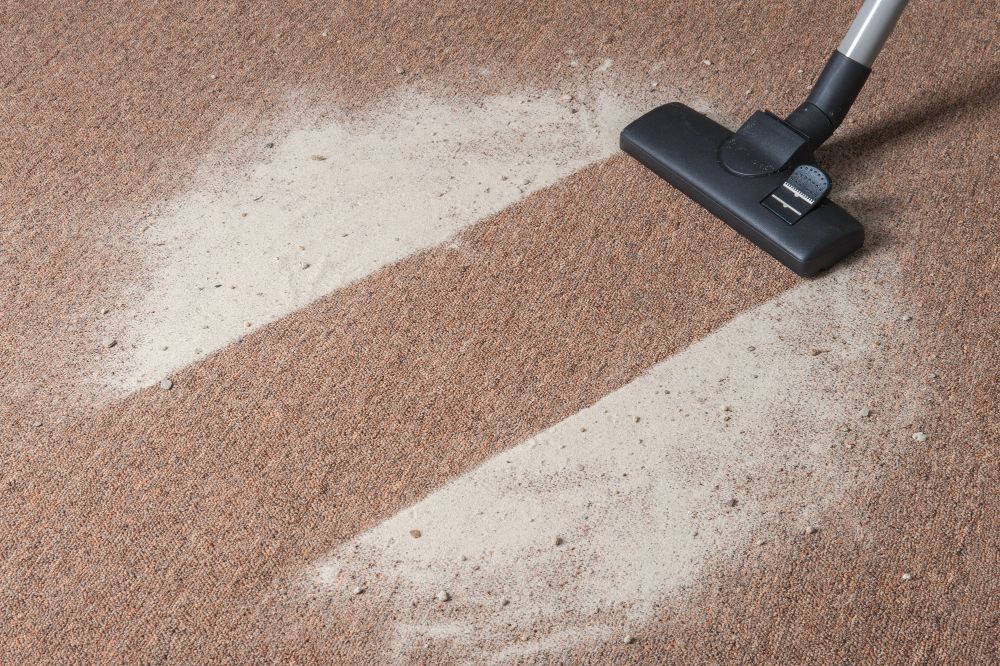
Professional carpet cleaning can be expensive, but you can achieve impressive results at home using common household ingredients and inexpensive tools. If you’d rather invest in a machine, our best carpet cleaners roundup covers the top models. This guide covers three proven DIY methods for deep cleaning carpet without renting or buying expensive equipment.
Quick Comparison: All three methods work, but each suits different situations. Baking soda/salt works best for odor removal and light cleaning, vinegar excels at stain removal and sanitization, while steam provides the deepest clean for heavily soiled areas.
DIY Deep Cleaning Methods Compared
| Method | Time Required | Cost | Difficulty | Best For | Drying Time |
|---|---|---|---|---|---|
| Baking Soda + Salt | 8+ hours (mostly waiting) | Very low | Easy | Odor removal, light soil | 4-6 hours |
| White Vinegar Solution | 2-3 hours | Very low | Moderate | Stains, sanitization | 6-12 hours |
| Steam Cleaning | 1-2 hours | Moderate (tool) | Moderate | Deep soil, allergens | 2-4 hours |
Understanding Your Carpet Before You Clean
Before choosing a cleaning method, you need to understand what type of carpet you’re working with. Different carpet materials react differently to moisture, heat, and cleaning chemicals.
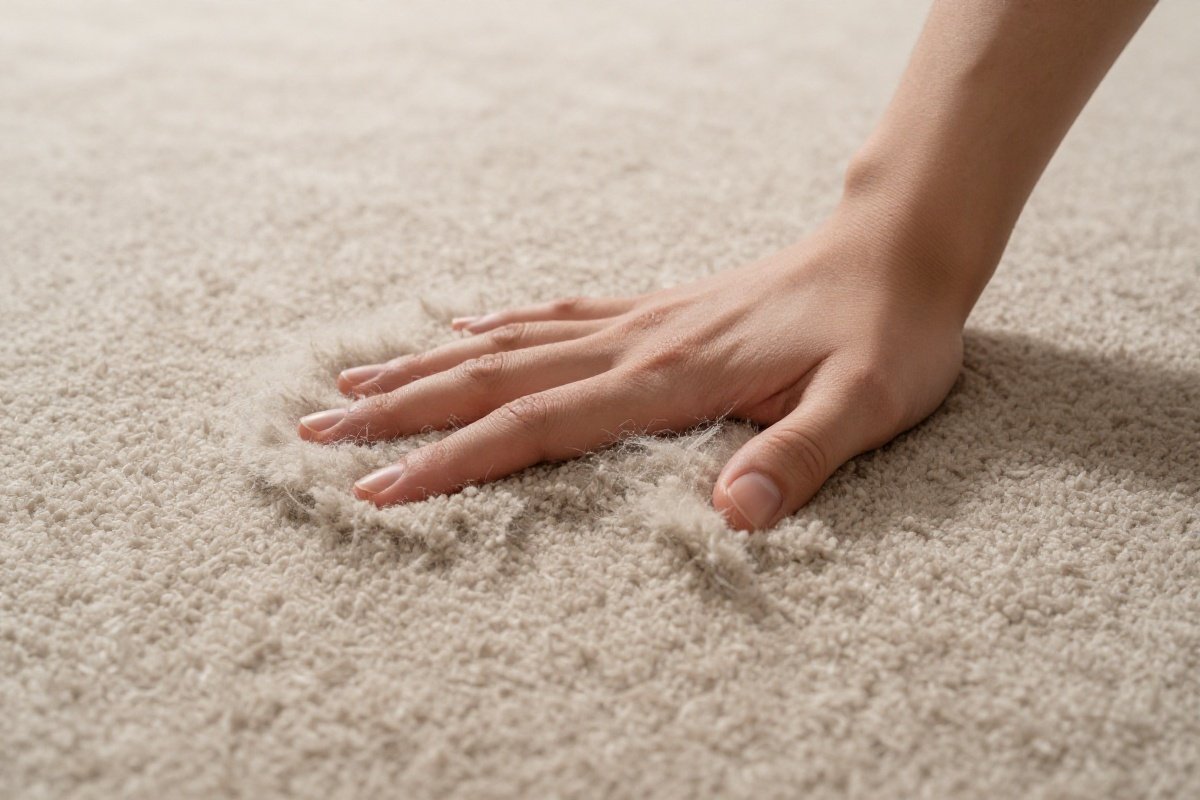
Synthetic carpets (nylon, polyester, olefin) tolerate all three methods well and recover quickly from moisture. These represent about 97% of residential carpets installed today. They’re the most forgiving and respond well to aggressive cleaning.
Natural fiber carpets (wool, sisal, jute) require gentler treatment. Wool can shrink or felt when over-wetted, making the dry baking soda method your safest choice. These carpets typically need professional cleaning, but the baking soda approach provides effective maintenance between services.
Carpet construction matters too. Loop pile carpets (berber style) can snag during aggressive scrubbing - see our guide to the best vacuums for Berber carpets for fiber-safe cleaning tips. Cut pile carpets handle scrubbing better but show cleaning lines if you don’t blend sections properly. Frieze or “shag” carpets require extra care to avoid matting.
Check your carpet’s care tag (usually located under a corner or along an edge). Look for water sensitivity warnings or heat restrictions before proceeding with any wet or steam method.
Method 1: Deep Clean Carpet with Baking Soda and Salt
This dry method is perfect for freshening carpets, removing odors, and tackling light soil between deeper cleanings. It’s the easiest and safest method for all carpet types.
What You’ll Need
- 1 box baking soda (16 oz)
- 1 cup table salt or kosher salt
- Spray bottle with warm water
- Stiff-bristled brush or broom
- Vacuum cleaner
- Optional: Essential oils (10-15 drops) for fragrance
Step-by-Step Instructions
Step 1: Prepare the Carpet Thoroughly vacuum the carpet to remove loose dirt and debris. Pay special attention to high-traffic areas and edges. The cleaner the carpet before treatment, the more effective the baking soda penetration.
Step 2: Mix the Cleaning Powder Combine one box of baking soda with one cup of salt in a large bowl. If desired, add 10-15 drops of essential oil (lavender, tea tree, or lemon work well) and mix thoroughly. The salt acts as a mild abrasive to help the baking soda work into fibers.
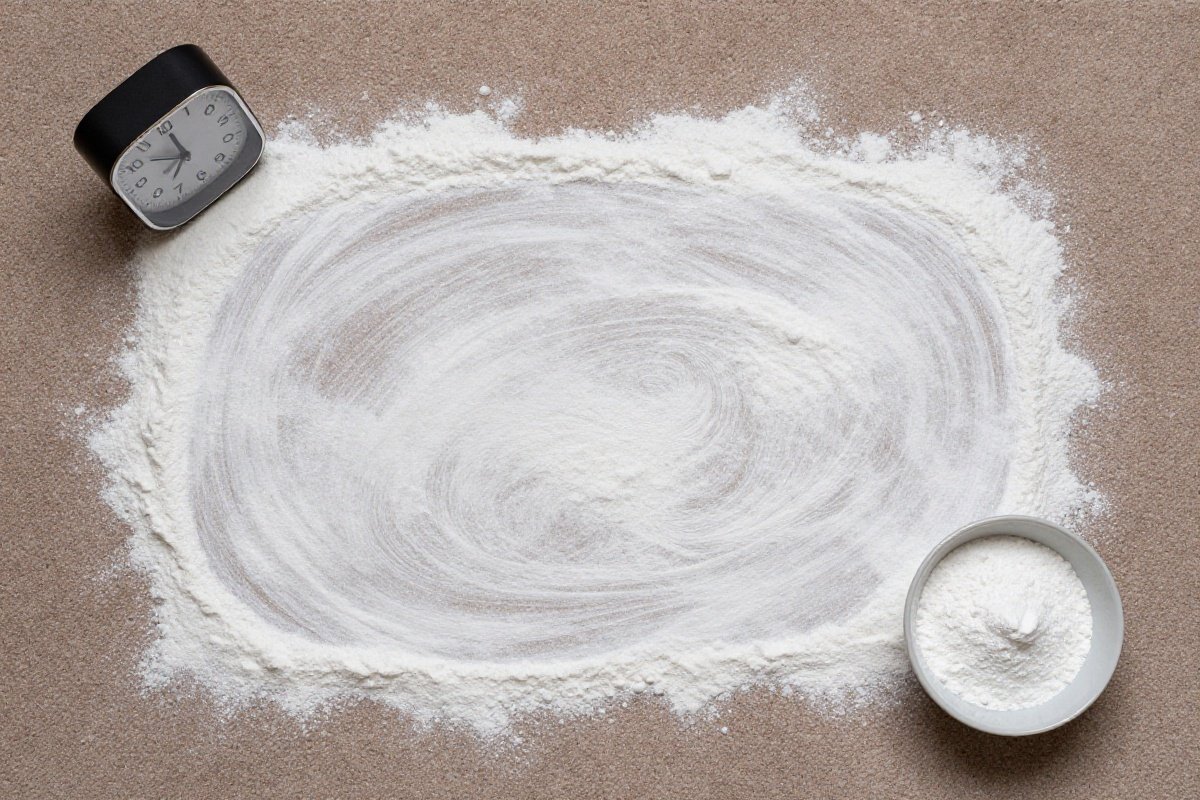
Step 3: Apply the Mixture Sprinkle the baking soda mixture evenly across the carpet, using approximately one cup per 10 square feet. For high-traffic areas, use a heavier application.
Step 4: Work Into Fibers Using a stiff-bristled brush or broom, work the powder deep into carpet fibers. Apply firm pressure and use circular motions. This mechanical action helps the baking soda absorb oils and odors from deep within fibers.
Step 5: Dampen Lightly (Optional Enhancement) For heavily soiled areas, lightly mist the treated carpet with warm water using a spray bottle. This activates the baking soda’s cleaning power. Do not saturate - carpet should feel slightly damp, not wet.
Step 6: Wait 8+ Hours (or Overnight) Allow the baking soda mixture to sit for a minimum of 8 hours. For best results, leave overnight. The longer the contact time, the more odors and oils the baking soda absorbs.
Step 7: Vacuum Thoroughly Vacuum slowly and thoroughly to remove all baking soda residue. Use multiple passes in different directions. Empty your vacuum bin or bag immediately after, as the fine powder fills containers quickly.
Pro Tips for Method 1
- Test first: Always test on an inconspicuous area to ensure colorfastness
- Block off area: Keep pets and children away during the waiting period
- Ventilate: Open windows to speed drying and prevent powder clouding during vacuuming
- Change vacuum bag: If using a bagged vacuum, change bags before and after for optimal suction
What to Expect
Based on user feedback across different carpet types (low-pile synthetic, medium-pile nylon, and plush wool blend), the baking soda method effectively eliminates cooking odors and light pet smells. However, it proves insufficient for ground-in dirt and significant staining. Best results come from overnight application with light dampening.
Method 2: Deep Clean Carpet with White Vinegar
Vinegar’s acidic nature breaks down stains, kills bacteria, and dissolves mineral deposits. This wet method tackles tougher soil than baking soda alone but requires more effort and longer drying time.
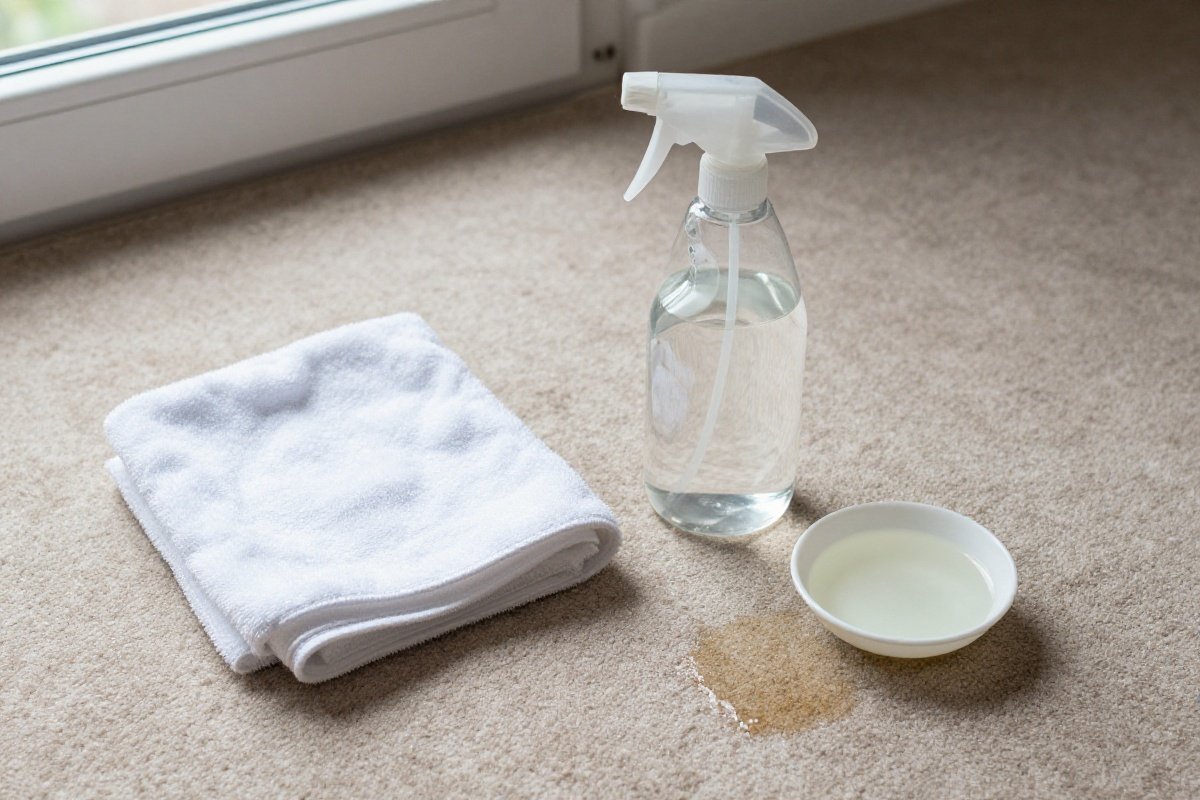
What You’ll Need
- White distilled vinegar (1 gallon)
- Warm water
- Spray bottle
- Stiff scrub brush or Drillbrush attachment
- Clean towels or microfiber cloths
- Bucket
- Optional: Dish soap (1 tbsp per quart)
Step-by-Step Instructions
Step 1: Vacuum Thoroughly Remove all loose dirt and debris with thorough vacuuming. Pre-treat any visible stains with a dab of dish soap diluted in water.
Step 2: Prepare the Solution Mix equal parts white vinegar and warm water in a bucket. For extra cleaning power, add one tablespoon of dish soap per quart of solution. Transfer to a spray bottle for application.
Step 3: Test for Colorfastness Apply the solution to an inconspicuous area (inside closet or corner). Wait 15 minutes, then blot with a white cloth. If color transfers, dilute the solution with more water (try 1:3 vinegar to water ratio).
Step 4: Apply Solution Working in 3x3 foot sections, spray the vinegar solution evenly across the carpet until damp but not saturated. Over-wetting can damage carpet backing and promote mold growth.
Step 5: Agitate the Fibers Using a stiff scrub brush or drill-powered brush attachment, scrub the carpet vigorously in multiple directions. This mechanical action works the vinegar deep into fibers where it breaks down soil and oils. Step 6: Let Sit 10-15 Minutes Allow the vinegar solution to dwell on the carpet. This dwell time is crucial - the vinegar needs time to chemically break down dirt and kill bacteria.
Step 7: Blot Excess Moisture Lay clean towels over the treated area and walk across them to absorb excess moisture. Replace towels as they become saturated. This step significantly reduces drying time.
Step 8: Rinse (Optional but Recommended) For best results, lightly spray plain water over the area and blot again to remove vinegar residue. Residual vinegar can attract dirt if not properly rinsed.
Step 9: Dry Completely Open windows, turn on fans, and use dehumidifiers if available. Carpet must dry completely within 24 hours to prevent mold and mildew. Elevate furniture legs with aluminum foil to prevent staining.
Pro Tips for Method 2
- Don’t oversaturate: Wet carpet backing promotes mold and can delaminate the carpet
- Change direction: Scrub in multiple directions to lift fibers from all angles
- Ventilate well: Vinegar smell dissipates as it dries, but good airflow speeds this process
- Protect furniture: Place plastic sheeting or aluminum foil under furniture legs during drying
What to Expect
The vinegar method generally outperforms baking soda on food stains, coffee spills, and general traffic soil. However, reviewers note that the 1:1 ratio can be too strong for delicate carpets - diluting to 1:3 vinegar-to-water prevents color issues while maintaining effectiveness. Complete drying typically takes 8-12 hours with fans running.
Method 3: Deep Clean Carpet with Steam
Steam cleaning provides the deepest clean by combining heat, moisture, and extraction. For a broader look at steam-based appliances, see our guide to home steam cleaners. While it requires equipment purchase, a steam mop or garment steamer pays for itself after avoiding just one professional cleaning service.
What You’ll Need
- Canister steam cleaner (Dupray Neat recommended) or portable steam carpet cleaner
- Distilled water (prevents mineral buildup)
- Stiff brush attachment
- Clean microfiber cloths
- Vacuum cleaner
- Dehumidifier (optional but helpful)
Step-by-Step Instructions
Step 1: Vacuum Thoroughly Remove all loose dirt before steaming. Steam locks in surface dirt if not removed first. Use crevice tools along baseboards where dirt accumulates.
Step 2: Fill and Heat the Steamer Fill your steam mop or garment steamer with distilled water. Tap water minerals clog steam mechanisms over time. Heat according to manufacturer instructions - most units ready in 30-90 seconds.
Step 3: Test on Inconspicuous Area Test steam on a hidden section of carpet, holding the steamer 6-12 inches away. Some synthetic carpets can melt or discolor with direct high heat. Adjust distance based on results.
Step 4: Steam in Sections Work in 2x2 foot sections for control. Hold the steamer 6-12 inches from carpet surface, moving slowly to allow steam penetration. Overlap strokes by 50% to ensure complete coverage.
Step 5: Agitate While Hot Immediately after steaming each section, use a stiff brush to agitate fibers while they’re hot and damp. This mechanical action helps the steam break down oils and dirt.
Step 6: Extract Excess Moisture If your steamer has suction capability (some carpet-specific models do), extract the dirty water. Otherwise, lay clean microfiber cloths over steamed areas and apply pressure with your hands or feet to absorb moisture.
Step 7: Dry Quickly Steam-cleaned carpets dry faster than shampooed carpets, but speed matters. Open windows, run fans, and use a dehumidifier if available. Complete drying should occur within 2-4 hours.
Pro Tips for Method 3
- Keep moving: Don’t hold steam in one spot - heat can damage carpet fibers and backing
- Maintain distance: 6-12 inches prevents overheating while ensuring effective treatment
- Multiple light passes: Better than one heavy application - prevents oversaturation
- Clean machine after: Empty water reservoir and run a cleaning cycle per manufacturer instructions
What to Expect
Steam cleaning delivers the most impressive results, particularly on high-traffic areas and ground-in dirt. A canister steam cleaner like the Dupray Neat heats in about 7 minutes and provides consistent high-temperature steam with carpet-safe attachments. For spot treatment, the Bissell Little Green HydroSteam combines steam with extraction for targeted deep cleaning. Users report steam-treated carpets dry within 3 hours with fan assistance.
Combining Methods for Stubborn Problems
Sometimes one method isn’t enough. Layering techniques can tackle particularly challenging situations without professional equipment.
The Two-Stage Deep Clean
For carpets that haven’t been cleaned in over a year, start with the baking soda method to pull out surface oils and odors. After vacuuming, follow up 24 hours later with the vinegar method to address embedded soil and stains. This two-punch approach lifts more dirt than either method alone.
Steam-Enhanced Spot Treatment
For isolated tough stains, apply a vinegar solution to the stain, let it dwell for 5 minutes, then steam the area while scrubbing. The heat activates the vinegar’s cleaning power while the steam provides deeper penetration. Blot immediately with clean towels.
Pre-Treatment for High-Traffic Zones
Before full-room cleaning, give entryways and hallways extra attention. Apply baking soda, work it in with a brush, wait 2 hours, then proceed with your chosen method. This pre-treatment prevents the darkest soil from spreading during the main cleaning.
Understanding pH and Carpet Cleaning
The pH scale matters in carpet care. Carpets typically sit in the neutral range (pH 7). Vinegar is acidic (pH 2-3), while baking soda is alkaline (pH 8-9). Understanding this helps you choose the right method for specific problems.
Acidic cleaners (vinegar) excel at breaking down alkaline soils like body oils, grease, and mineral deposits. They also neutralize pet urine, which is alkaline. This makes vinegar particularly effective in kitchens, entryways, and pet areas.
Alkaline cleaners (baking soda) work well on acidic soils and provide excellent odor absorption. They’re gentler on carpet dyes and less likely to cause discoloration, making them the safer choice for first-time cleaning or delicate carpets.
Steam (neutral pH) relies on heat and moisture rather than chemical action. This makes it safe for all carpet types and effective on both acidic and alkaline soils. The 212°F heat kills bacteria and dust mites that chemical methods can’t touch.
For the most stubborn situations, alternating between acidic and alkaline treatments can break down complex soil combinations that resist single-method cleaning.
Troubleshooting Common Issues
Residue or Stiffness After Cleaning
Cause: Insufficient rinsing or over-application of cleaning solution Fix: Lightly mist with plain water and blot thoroughly. Vacuum once completely dry.
Carpet Still Looks Dirty
Cause: Pre-vacuuming was insufficient or cleaning solution too weak Fix: Repeat cleaning with stronger concentration. For vinegar method, try 1:1 ratio. For baking soda, ensure adequate dwell time (12+ hours).
Lingering Odors
Cause: Carpet didn’t dry quickly enough, allowing bacterial growth Fix: Repeat baking soda method with overnight dwell time. Run dehumidifier and fans during drying.
Color Bleeding or Fading
Cause: Solution too strong or carpet not colorfast Fix: Immediately blot with plain water, then dry with towels. Always test solutions first. For delicate carpets, stick to baking soda method only.
Carpet Feels Crunchy After Cleaning
Cause: Soap residue or mineral deposits from hard water Fix: Spray with distilled white vinegar diluted 1:4 with water, then blot dry. The vinegar dissolves alkaline residue without leaving its own.
Dark Lines Appearing Between Sections
Cause: Inconsistent cleaning or uneven drying between treated areas Fix: Blend section edges by lightly treating and blotting transition areas. Work in overlapping sections rather than distinct squares.
When to Call Professionals Instead
DIY methods have limits. Contact professional carpet cleaners when:
- Mold or mildew is present (health hazard requiring specialized treatment)
- Water damage has occurred (requires extraction and rapid drying)
- Carpet is wool or silk (specialized cleaning required)
- Stains cover large areas (over 3x3 feet)
- Carpet hasn’t been cleaned in 3+ years (deep soil requires professional equipment)
- Warranty requirements specify professional cleaning (some carpet warranties require certified cleaning)
- Allergen concerns are severe (professional hot water extraction removes more allergens than DIY methods) - see our guide for allergy sufferers for HEPA vacuum recommendations
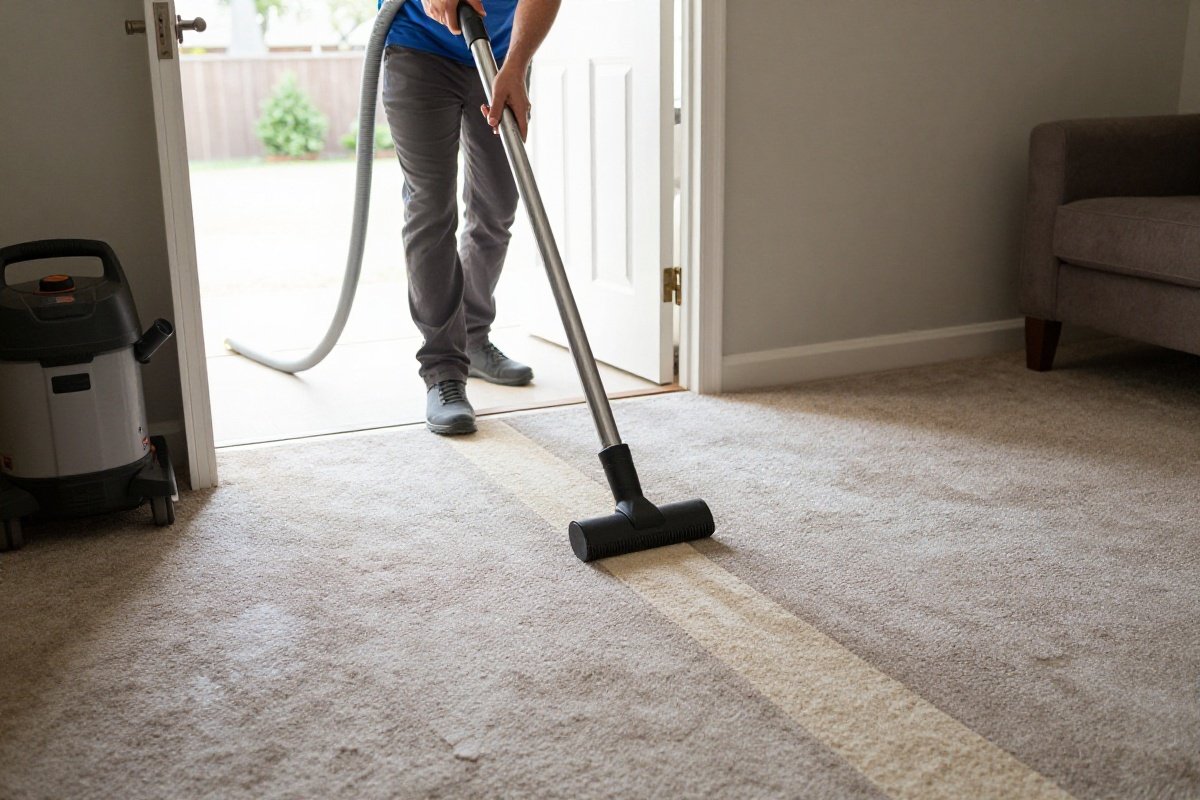
Professional equipment extracts more water and soil than manual methods, typically removing 85-95% of moisture compared to 60-70% with DIY absorption. This faster drying time reduces mold risk and returns rooms to service more quickly.
Prevention: Keep Carpets Cleaner Longer
Daily Habits
- Remove shoes at entryways
- Vacuum high-traffic areas every 2-3 days with a quality carpet vacuum
- Address spills immediately with blotting (never rubbing)
Weekly Maintenance
- Rotate furniture to change traffic patterns
- Use doormats at all exterior doors
- Vacuum upholstery monthly
Quarterly Care
- Move furniture and vacuum underneath
- Trim snags to prevent unraveling
- Inspect for wear patterns
Annual Deep Maintenance
Even with regular spot cleaning, schedule at least one thorough deep clean annually using one of the three methods in this guide. This removes the accumulated soil that regular vacuuming can’t reach and extends carpet life by preventing abrasive dirt from cutting fibers.
Consider implementing a carpet rotation schedule where different rooms get deep cleaned on different months. This spreads out the work while ensuring every carpeted area receives attention at least once per year.
Further Reading
- How Often Should You Vacuum? Complete Guide by Floor Type & Lifestyle
- How to Vacuum Stairs: The Complete Guide (2026)
Cost Comparison: DIY vs. Professional
Understanding the true cost helps you make informed decisions about when DIY makes sense and when professionals provide better value.
| Approach | Initial Cost | Per-Clean Cost | Time Investment | Results Quality |
|---|---|---|---|---|
| Baking Soda Method | Very low | Very low | 30 min active + 8 hrs waiting | Good for odors, fair for soil |
| Vinegar Method | Very low | Very low | 2-3 hours | Good for stains, moderate soil |
| Steam Method | Moderate (one-time) | Minimal | 1-2 hours | Excellent for deep soil |
| Professional Service | None | Significant | 0 (they do it) | Excellent overall |
The steam method typically pays for itself after just one or two uses compared to professional services. A decent steam mop is a modest one-time investment that breaks even on the second use versus hiring a pro.
However, professionals provide superior results on neglected carpets and offer services DIY methods can’t match, such as carpet protector application, pet odor enzyme treatment, and commercial-grade extraction that removes 95% of moisture.
Recommended Products
Bissell SpotClean ProHeat Portable Cleaner
Best portable spot cleanerIdeal compromise between DIY methods and professional equipment. The heated cleaning action and extraction capability deliver results closer to professional cleaning than manual methods.
What We Like
- Heated cleaning improves effectiveness
- Spray and suction in one tool
- Portable for stairs and furniture
- Targeted spot cleaning
What We Don't
- Requires ongoing Bissell cleaning solution purchases
- More expensive than true DIY methods
- 5-foot hose limits reach from the base unit
Dupray Neat Steam Cleaner
Best for steam methodThe Dupray Neat reaches 275 degrees F with 50 PSI steam pressure, hot enough to kill bed bugs, dust mites, and 99.9% of bacteria without any chemicals. Best for homeowners dealing with pest infestations or chemical sensitivities who need a professional-grade steam cleaner with 50 minutes of runtime and 18 accessories.
What We Like
- 275°F max temperature provides effective sanitization
- 50 minute runtime from large 54 oz tank
- No chemicals needed - uses only water
- Includes 18 versatile accessories for various surfaces
- Compact and portable design
What We Don't
- Premium price point
- 8 minute heat-up time before use
- Shorter cord compared to some competitors
Drillbrush Carpet Cleaning Brush Set
Best scrubbing accessoryEssential tool for agitating cleaning solutions into carpet fibers. The drill-powered scrubbing action outperforms manual scrubbing by 10x, making it invaluable for deep cleaning.
What We Like
- Power scrubbing with drill power
- Multiple brush sizes included
- Works with any corded drill
- Durable nylon bristles
What We Don't
- Requires a power drill (not included) to operate
- Can damage delicate carpet fibers if used improperly or on high speed
- Bristles wear down with heavy use and are not individually replaceable
Bissell Little Green HydroSteam Pet
Best steam spot cleanerThe Little Green HydroSteam combines heated steam with portable spot cleaning, delivering up to 50% better stain removal on set-in pet messes than cold-water models. Best for pet owners who need targeted deep cleaning on stairs, upholstery, and car interiors without dragging out a full-size carpet cleaner.
What We Like
- Portable design perfect for stairs and upholstery
- HydroSteam Technology for tough set-in stains
- Self-cleaning tool prevents cross-contamination
- Long 20-foot power cord
What We Don't
- Not suitable for whole-room cleaning
- Smaller water tank capacity requires frequent refilling
- Steam feature increases heat-up time before cleaning can begin
Sources & Research
Continue Reading
Explore more maintenance & floor care content or browse our other categories.
Frequently Asked Questions
- Can you deep clean carpet without a machine?
- Yes, all three methods in this guide effectively deep clean carpet without machines. Baking soda, vinegar, and steam can all remove dirt, odors, and stains. However, extraction machines remove more water and soil for the deepest possible clean.
- How long does carpet take to dry after DIY cleaning?
- Drying times vary by method: baking soda method (4-6 hours), vinegar method (6-12 hours), steam method (2-4 hours). Increase airflow with fans and open windows to speed drying. Never walk on damp carpet to prevent resoiling.
- Is vinegar safe for all carpets?
- Vinegar is generally safe but always test first. Wool and natural fiber carpets may be sensitive to acidic solutions. For delicate carpets, dilute vinegar 1:3 with water or use the baking soda method instead.
- What's the best homemade carpet cleaning solution?
- The most effective homemade solution combines 1 cup white vinegar, 1 cup warm water, and 1 tablespoon dish soap. This cuts grease, sanitizes, and leaves minimal residue. For odor-focused cleaning, use baking soda and salt dry mixture.
- How often should you deep clean carpet?
- High-traffic homes need deep cleaning every 3-6 months. Homes with pets or allergy sufferers should deep clean quarterly. Low-traffic households can maintain carpets with annual deep cleaning combined with regular vacuuming.
- Can I use hydrogen peroxide instead of vinegar?
- Hydrogen peroxide works on stains but may bleach carpet dyes. Use only 3% solution, test extensively first, and never leave it on carpet for more than 5 minutes. Vinegar is safer for most carpets.
- Will these methods remove pet urine odor?
- Baking soda and vinegar both neutralize pet urine odor. For fresh accidents, blot immediately, apply baking soda, let sit overnight, then treat with vinegar solution. Old urine that has penetrated padding typically requires professional enzyme treatment.
- Can I add essential oils to the vinegar solution?
- Yes, add 10-15 drops of essential oil to vinegar solutions for fragrance. However, oils can leave residue that attracts dirt. Use sparingly and ensure thorough rinsing.
Written By
Home Vacuum Zone
Our team researches, tests, and reviews vacuum cleaners to help you make confident buying decisions.
Related Articles
How to Clean and Maintain a Robot Vacuum: Complete Guide
Learn how to clean your robot vacuum properly. Step-by-step guide covers dustbin emptying, filter cleaning, brush roll maintenance, sensor care, and dock maintenance.
5 Best Steam Mops for Hardwood Floors (2026 Reviews)
Find the best steam mop for hardwood floors in 2026. Our top picks include safe, effective options from Bissell, Shark, and PurSteam with adjustable steam settings.
How Often Should You Vacuum? Complete Guide by Floor Type & Lifestyle
Learn exactly how often to vacuum based on your home's traffic, pets, allergies, and floor type. Get personalized recommendations and discover the best vacuums for your specific needs.