Affiliate Disclosure:Home Vacuum Zone is reader-supported. When you buy through links on our site, we may earn an affiliate commission at no additional cost to you. This does not influence our reviews or recommendations — we only recommend products we genuinely believe in.
Dust mites are microscopic creatures that live in our homes, feeding on dead skin cells and triggering allergic reactions in millions of people. If you suffer from allergies, asthma, or unexplained respiratory issues, dust mites may be the hidden culprit.
This comprehensive guide explains what dust mites are, where they come from, and - most importantly - how to eliminate them from your home.
What Are Dust Mites?
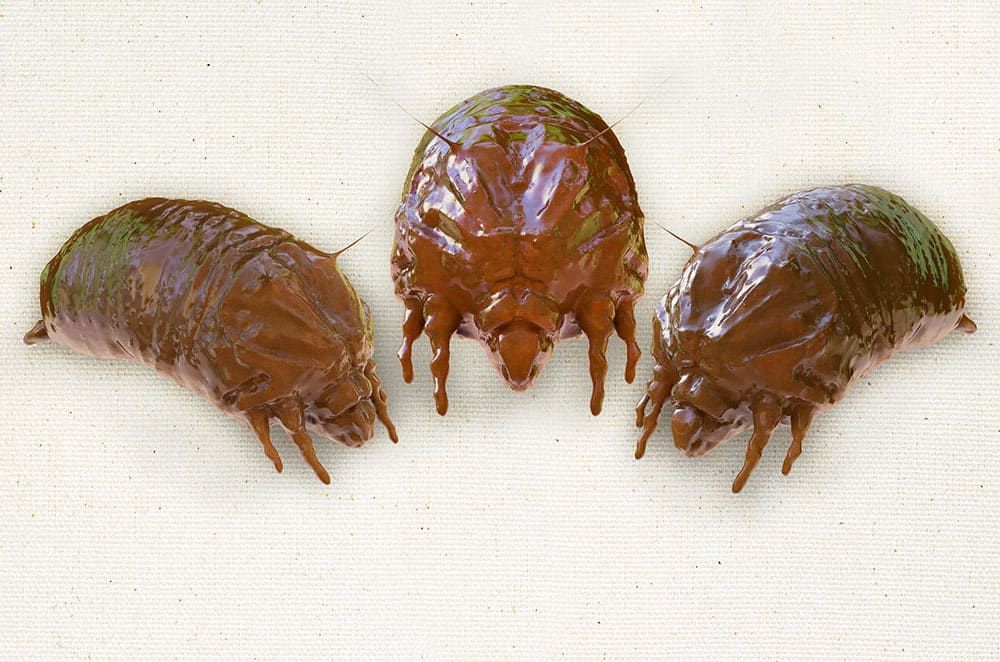
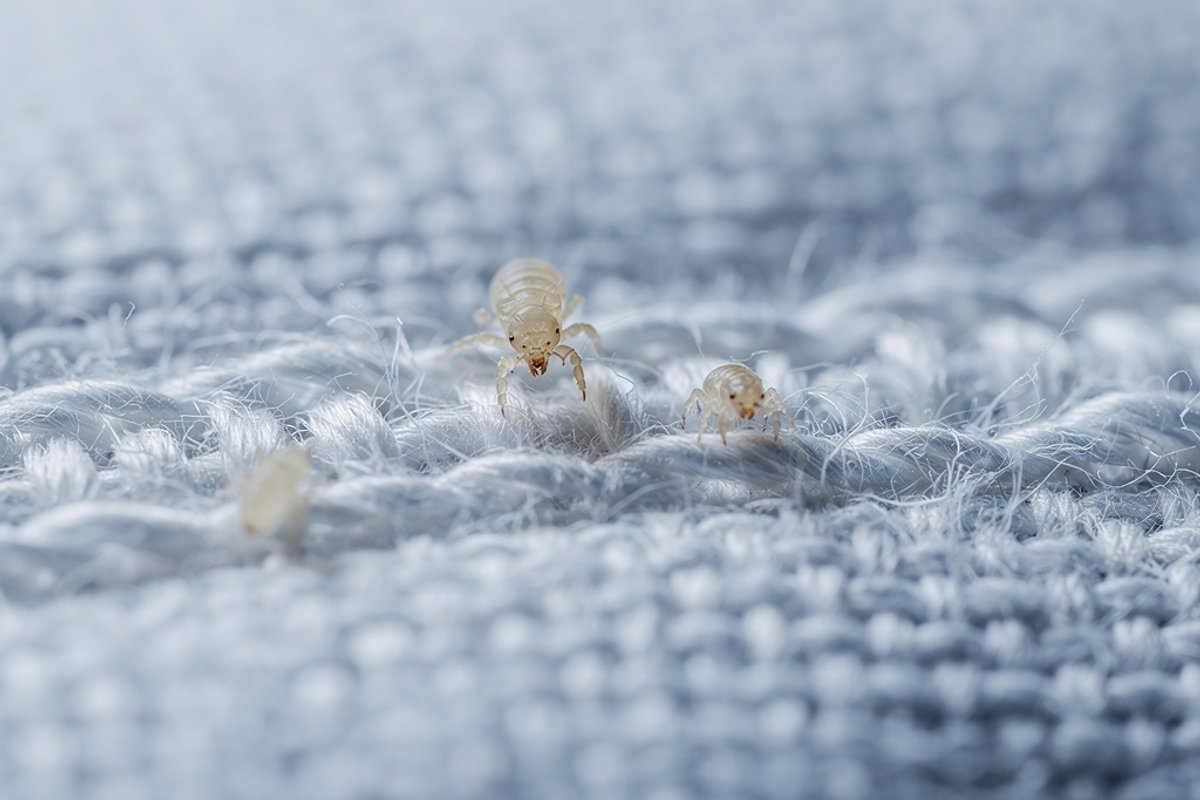
Dust mites are tiny arachnids (related to spiders and ticks) that measure approximately 0.2-0.3 millimeters - too small to see without magnification. Despite their name, they don’t live in dust itself but in warm, humid environments where they feed on dead human skin cells.
Key Facts About Dust Mites:
Biology:
- Eight-legged arachnids (not insects)
- Translucent, microscopic appearance
- Live 2-3 months on average
- Females lay 20-40 eggs in their lifetime
Habitat Requirements:
- Temperature: 68-77°F (20-25°C)
- Humidity: 70-80% relative humidity
- Food source: Dead human skin cells (we shed 1.5 grams daily)
Allergen Production:
- A single dust mite produces 20+ fecal pellets daily
- These pellets contain Der p1 and Der f1 proteins - the allergens that trigger reactions
- Dust mite populations can reach millions in a single mattress
The Dust Mite Life Cycle
Understanding how dust mites reproduce helps explain why they’re so persistent. Female dust mites lay eggs continuously throughout their 2-3 month lifespan. Under optimal conditions (high humidity and warm temperatures), eggs hatch in just 6-12 days. The nymphs go through several molting stages before reaching adulthood in about 3-4 weeks.
This rapid reproduction means a small dust mite population can explode into millions within months if conditions remain favorable. A typical used mattress may contain 100,000 to 10 million dust mites, along with their shed skins and fecal pellets - all contributing to the allergen load in your bedroom.
Why Dust Mite Allergens Are So Problematic
The proteins in dust mite feces are perfectly sized to become airborne when disturbed. When you make your bed, fluff pillows, or vacuum without proper filtration, these microscopic particles become suspended in the air you breathe. They’re small enough to penetrate deep into your lungs, triggering inflammatory responses in sensitive individuals.
What makes dust mite allergens particularly troublesome is their persistence. Unlike seasonal pollen that comes and goes, dust mite allergens are present year-round, providing constant exposure that can sensitize even people without previous allergy histories.
Where Do Dust Mites Come From?
Dust mites don’t “invade” from outside - they’re already present in virtually every home worldwide. They thrive in specific environments within our living spaces.
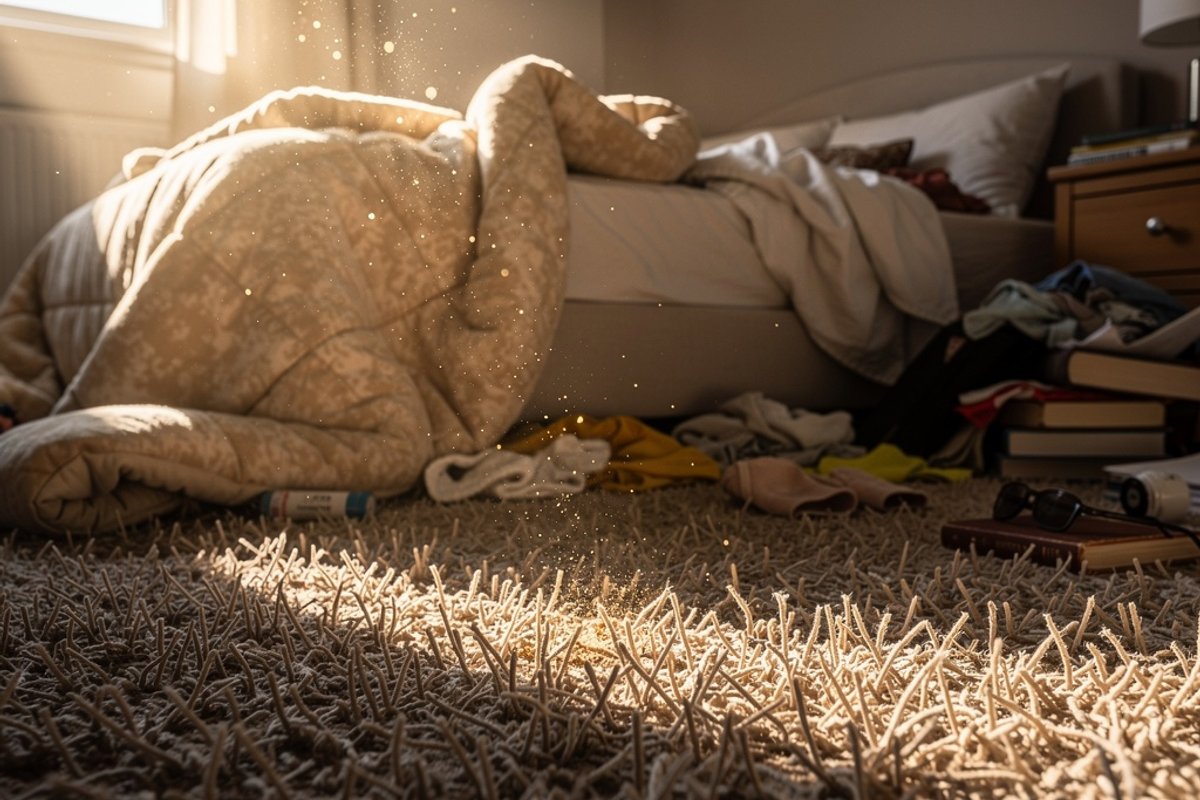
Primary Dust Mite Habitats:
1. Bedrooms (Highest Concentration)
- Mattresses and box springs
- Pillows and duvets
- Bedding and sheets
- Stuffed animals
- Carpets and rugs
2. Living Areas
- Upholstered furniture
- Curtains and drapes
- Carpeted floors
- Throw pillows and blankets
3. Hidden Locations
- Pet bedding
- Stuffed toys
- Clothing closets
- Air ducts and vents
Why Your Home Attracts Dust Mites:
Climate Control: Modern heating and cooling systems maintain the exact temperature range dust mites prefer year-round.
Soft Surfaces: Carpets, upholstered furniture, and bedding provide ideal harborage with abundant food sources.
Humidity: Poorly ventilated bathrooms, kitchens, and bedrooms create microclimates with elevated humidity.
Human Occupancy: We provide the food source - every person sheds approximately 1.5 grams of dead skin daily, enough to feed thousands of dust mites.
Geographic and Seasonal Variations
While dust mites exist worldwide, their populations vary by climate and season. Coastal regions and areas with naturally high humidity support larger dust mite populations year-round. In drier climates (like the southwestern United States), dust mite populations tend to be naturally lower, though they still thrive in artificially humidified indoor environments.
Seasonally, dust mite populations peak in late summer when temperature and humidity levels align perfectly with their reproductive preferences. Populations typically decline in winter when indoor heating reduces relative humidity - though heated homes can still maintain sufficient humidity for dust mite survival, especially in bedrooms where moisture from breathing accumulates overnight.
How Dust Mites Spread Within Your Home
Dust mites don’t travel well on their own - they lack wings and move slowly. Instead, they spread through the movement of infested fabrics and furnishings. Bringing used furniture, mattresses, or carpets into your home can introduce new dust mite populations. They also transfer on clothing, bedding taken to hotels or dormitories, and even in luggage after travel.
Within your home, dust mites spread gradually as their populations expand and seek new harborage areas. They can transfer from person to person on clothing and can colonize new areas of your home whenever conditions become favorable (increased humidity, accumulation of fabric surfaces, poor cleaning).
Health Effects of Dust Mites
Dust mite allergens trigger immune responses in sensitive individuals. Understanding the symptoms helps identify if dust mites are affecting your health.
Common Allergic Reactions:
Respiratory Symptoms:
- Sneezing and runny nose
- Nasal congestion
- Itchy, watery eyes
- Postnasal drip
- Coughing and wheezing
Asthma Triggers:
- Difficulty breathing
- Chest tightness
- Asthma attacks (especially at night)
- Increased inhaler use
Skin Reactions:
- Eczema flare-ups
- Itchy skin
- Rashes (in severe cases)
Who Is Most at Risk?
- People with diagnosed allergies or asthma
- Children (developing immune systems)
- Elderly individuals
- Those with compromised immune systems
- Anyone with a family history of allergies
The Connection Between Dust Mites and Asthma
Dust mite exposure is increasingly linked to asthma development and exacerbation, particularly in children. Children exposed to high dust mite levels in their first year of life are widely recognized as having significantly elevated risks of developing asthma by age seven. For those with existing asthma, dust mite allergens represent one of the most common triggers for nighttime symptoms and attacks.
The mechanism involves the immune system’s overreaction to dust mite proteins, causing airway inflammation, mucus production, and bronchial constriction. This explains why asthma sufferers often experience worse symptoms at night - they’re spending 7-9 hours with their face inches from a mattress and pillow that may harbor millions of dust mites.
Distinguishing Dust Mite Allergies from Other Conditions
Dust mite allergy symptoms often mimic other conditions, making self-diagnosis difficult. Key distinguishing factors include:
Pattern Recognition: Symptoms that worsen in bed, improve outdoors, and persist year-round (rather than seasonally) suggest dust mites rather than pollen allergies.
Location Specificity: Symptoms that intensify in specific rooms (especially bedrooms and carpeted living areas) point toward dust mite issues.
Time of Day: Symptoms that peak upon waking or during nighttime hours indicate bedding-related allergen exposure.
If you suspect dust mite allergies, consult an allergist for specific testing. Skin prick tests or blood tests (measuring IgE antibodies to dust mite allergens) can definitively confirm sensitivity.
The 4-Step Dust Mite Elimination Plan
Eliminating dust mites requires a multi-pronged approach targeting their habitat, food source, and ideal living conditions.
Step 1: Begin in the Bedroom
Your bedroom contains the highest concentration of dust mites. Start here for maximum impact.
Bedding Protection:
- Encase mattresses, box springs, and pillows in allergen-proof covers
- These zippered covers trap existing mites and prevent new ones from colonizing
- Look for covers labeled “allergen-proof” or “mite-proof” with pore sizes under 10 microns
Wash Bedding Weekly:
- Wash sheets, pillowcases, and blankets in hot water (at least 130°F/54°C)
- Water below this temperature doesn’t kill dust mites
- Use a hot dryer cycle - 30 minutes at high heat kills residual mites
Remove or Replace:
- Replace wool or feather bedding with synthetic alternatives
- Remove decorative pillows and cushions from the bed
- Consider removing bedroom carpeting if allergies are severe
Mattress Maintenance:
Beyond encasements, your mattress requires regular attention. Even with protective covers, vacuum your mattress monthly using your vacuum’s upholstery attachment. Focus on seams, tufts, and edges where dust accumulates. Consider replacing mattresses older than 10 years - older mattresses contain accumulated allergens that can persist despite control measures.
If purchasing a new mattress, avoid pillow-top designs that trap moisture and provide additional harborage. Opt for mattresses with removable, washable covers when possible. Memory foam and latex mattresses naturally resist dust mite colonization better than traditional innerspring mattresses, though they still require protective encasements.
Step 2: Minimize Fabric Surfaces
Dust mites require fabric surfaces to harbor. Reducing these surfaces eliminates their homes.
Hard Flooring:
- Replace wall-to-wall carpeting with hard floors (wood, tile, laminate)
- If keeping carpet, vacuum weekly with a HEPA-filter vacuum
- Steam clean carpets annually (steam kills dust mites)
Window Treatments:
- Replace heavy drapes with washable curtains or blinds
- If keeping drapes, wash or dry-clean them every 3-6 months
- Choose easy-to-clean materials
Furniture Choices:
- Select leather, vinyl, or wood furniture over upholstered pieces
- If keeping upholstered furniture, vacuum weekly with upholstery attachment
- Use washable throw blankets instead of permanent fabric covers
Stuffed Animals:
- Limit the number of stuffed toys in bedrooms
- Wash favorite toys weekly in hot water
- Freeze non-washable toys for 24 hours monthly (kills mites)
Strategic Decluttering:
Clutter accumulates dust and provides additional surfaces for dust mites to colonize. Remove unnecessary items from bedroom surfaces - knick-knacks, stacks of books, piles of clothing. Store off-season clothing in sealed plastic containers rather than open shelving. Keep closet doors closed to prevent dust migration.
In living areas, minimize throw pillows, decorative blankets, and upholstered ottomans. Each fabric item you remove reduces both dust mite habitat and the cleaning burden required to maintain low allergen levels.
Step 3: Control Environmental Conditions
Dust mites can’t survive outside their preferred temperature and humidity range.
Dehumidify:
- Maintain indoor humidity below 50% (ideally 30-40%)
- Use dehumidifiers in damp areas (basements, bathrooms)
- Run air conditioning during humid months
- Use exhaust fans when cooking or showering
Temperature Management:
- Keep bedrooms cooler (65-68°F) if possible
- Dust mites reproduce more slowly in cooler temperatures
- Lower temperatures also improve sleep quality
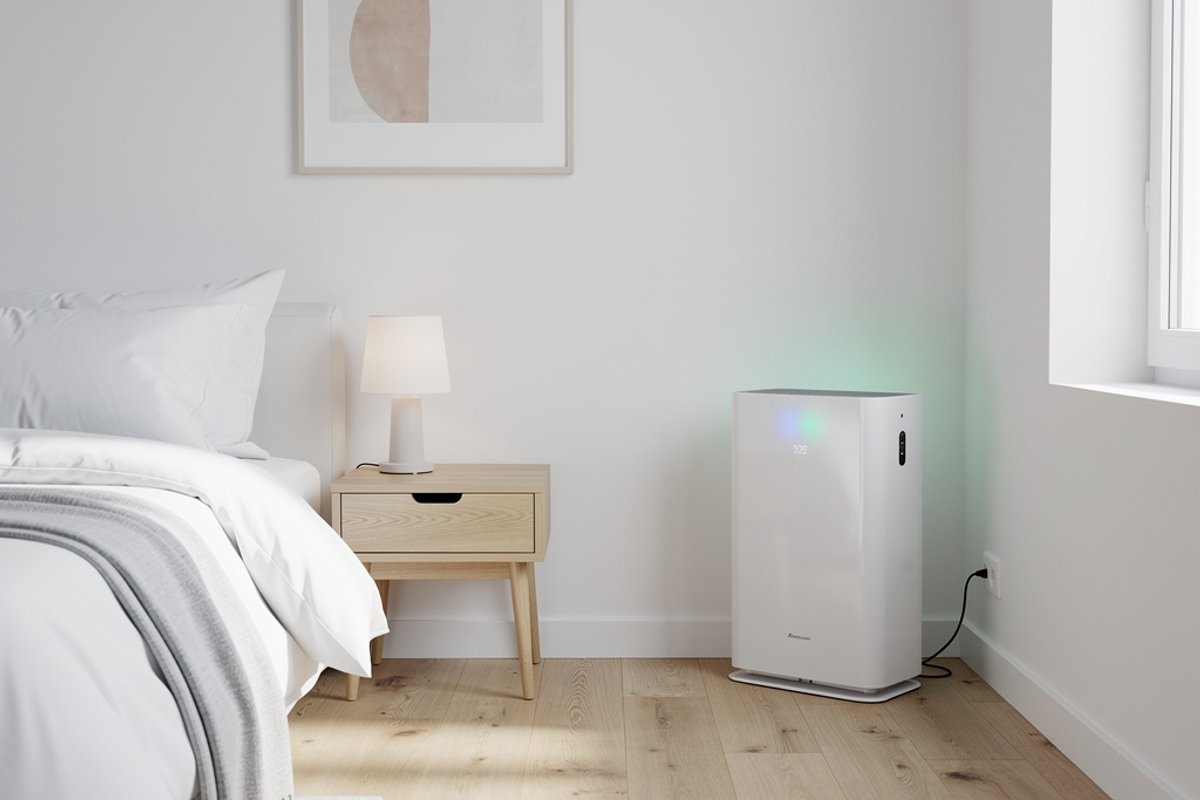
Air Purification:
- Use HEPA air purifiers in bedrooms and living areas
- While purifiers don’t remove dust mites from surfaces, they capture airborne allergens
- Run purifiers continuously in occupied rooms
Ventilation:
- Open windows when weather permits to reduce humidity
- Use exhaust fans to remove moisture
- Ensure clothes dryers vent outside
Monitoring Your Indoor Environment:
Invest in a digital hygrometer (humidity gauge) to monitor relative humidity levels throughout your home. Place meters in bedrooms, bathrooms, and basements - the areas most prone to elevated humidity. Many modern devices include temperature readings and can alert you when humidity exceeds target levels.
During humid months, track outdoor humidity levels as well. When outdoor humidity exceeds 60%, keep windows closed and rely on air conditioning or dehumidifiers to maintain indoor conditions. When outdoor humidity drops below 50% and temperatures are comfortable, open windows to naturally ventilate and dry your home.
Step 4: Establish a Cleaning Routine
Consistent cleaning disrupts dust mite habitats and removes allergens.
Weekly Tasks:
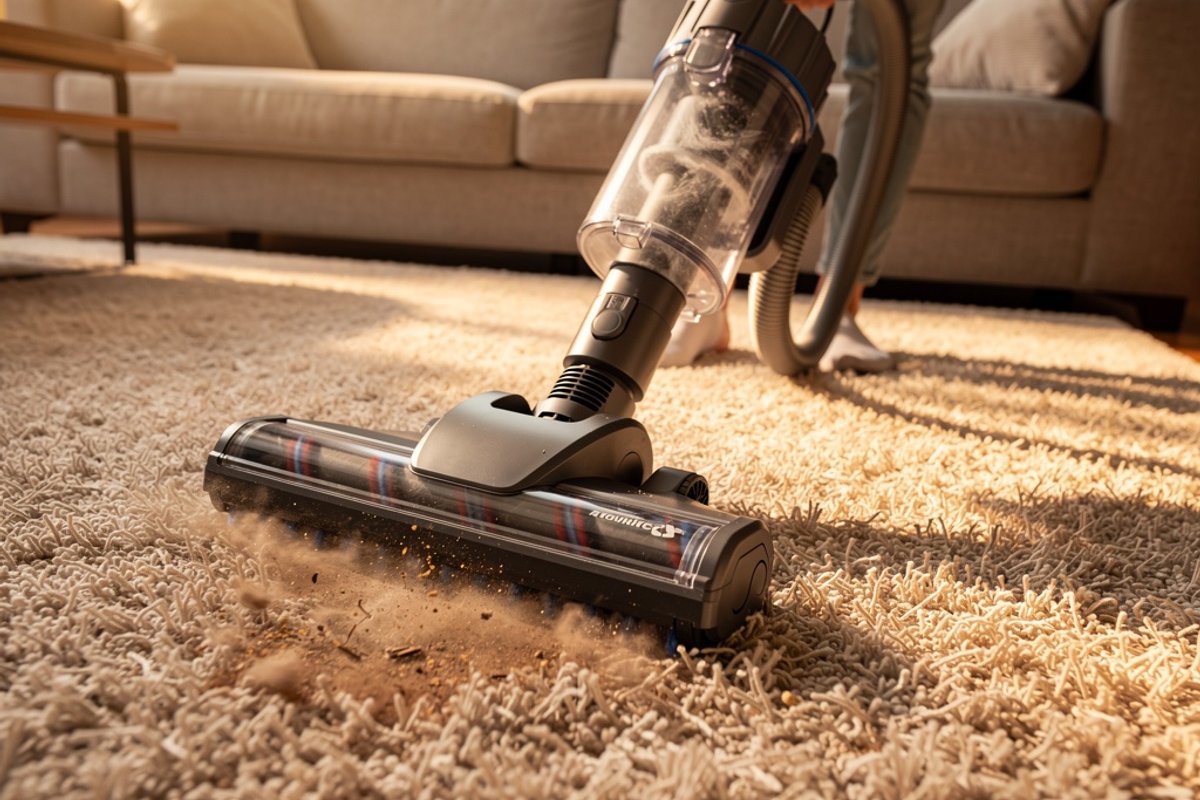
- Vacuum all floors and upholstery with HEPA-filter vacuum (learn how often you should vacuum for best results)
- Damp-dust hard surfaces (damp cloths trap dust rather than dispersing it)
- Wash bedding in hot water
- Empty vacuum dustbins outside or use bags
Monthly Tasks:
- Wash or freeze stuffed animals
- Clean or replace HVAC filters
- Vacuum mattresses (even with covers)
- Wash curtains and drapes
Quarterly Tasks:
- Deep clean carpets (steam cleaning kills mites)
- Wash or dry-clean comforters and duvets
- Clean behind and under furniture
- Check and clean air ducts
Proper Vacuuming Technique:
How you vacuum matters as much as how often. Use slow, overlapping strokes - rushing causes the vacuum to skip over embedded particles. Make multiple passes in different directions, especially on carpets where dust mites nest deep in fibers. For upholstered furniture, remove cushions and vacuum all surfaces, including underneath and in crevices.
Empty bagless vacuums outside to avoid reintroducing allergens into your home. If using bagged vacuums, seal bags before disposal and replace them before they’re completely full - overfilled bags reduce suction and allow particles to escape.
After vacuuming high-allergen areas like mattresses and upholstered furniture, wipe down the vacuum’s exterior with a damp cloth to remove any dust that settled on its surface during use.
Product Recommendations for Dust Mite Control
HEPA Vacuum Cleaners
A vacuum with true HEPA filtration is essential for dust mite control. HEPA filters capture 99.97% of particles down to 0.3 microns, including dust mite allergens.
What to Look For:
- True HEPA filter (not “HEPA-type”)
- Sealed system construction
- Motorized brush roll for carpet agitation
- Washable or replaceable filters
Vacuum Types to Consider:
Upright Vacuums: Best for large carpeted areas and deep cleaning. Models with sealed systems and whole-machine HEPA filtration prevent allergens from escaping through exhaust. Look for adjustable height settings to accommodate different carpet thicknesses and hard floors.
Canister Vacuums: Offer superior maneuverability and typically provide quieter operation. Excellent for homes with a mix of flooring types. The separate power head and canister design makes stairs and furniture easier to clean thoroughly.
Stick Vacuums: Convenient for quick daily cleaning and maintenance between deep cleaning sessions. Cordless models offer maximum flexibility but verify that HEPA filtration applies to battery-operated models - some compromise filtration for battery life.
Mattress and Pillow Encasements
Allergen-proof covers create a barrier between you and dust mites in bedding.
Recommended Features:
- Zippered encasements (not just covers)
- Pore size under 10 microns
- Breathable fabric (not vinyl)
- Waterproof for mattresses
- Easy to wash
Understanding Encasement Quality:
Premium encasements use tightly woven fabrics that block allergens while remaining breathable and comfortable. Look for products tested to BOM (bed, oil, and moisture) standards - certification that the fabric maintains its protective properties through repeated washing.
Some encasements use polyurethane backing for waterproofing, which provides additional protection against spills and bodily fluids that can sustain dust mite populations. However, ensure the waterproof layer doesn’t compromise breathability - sleeping hot can increase perspiration, which elevates mattress humidity and creates favorable conditions for mold growth.
Quality encasements should feel similar to standard bedding. If an encasement feels plasticky, crinkles loudly, or traps excessive heat, it likely uses inferior materials that may reduce compliance - products that aren’t comfortable won’t be used consistently.
Dehumidifiers
Controlling humidity is one of the most effective dust mite control strategies.
Sizing Guidelines:
- Small rooms (up to 300 sq ft): 20-30 pint capacity
- Medium rooms (300-500 sq ft): 30-50 pint capacity
- Large areas (500+ sq ft): 50+ pint capacity
Features to Consider:
- Built-in humidistat
- Auto-defrost for cooler climates
- Continuous drainage option
- Energy Star rating
Dehumidifier Placement Strategy:
Position dehumidifiers where humidity problems are most severe - typically bedrooms, bathrooms, and basements. In bedrooms, place units at least three feet from the bed to avoid excessive noise during sleep. Ensure adequate clearance around the unit for air circulation - typically 12-18 inches on all sides.
For whole-house control, consider whether a portable unit in each problem area makes more sense than a whole-house dehumidifier integrated with your HVAC system. Whole-house systems cost more initially but provide more consistent humidity control and require less maintenance than managing multiple portable units.
Steam Cleaners
Steam kills dust mites instantly with heat above 130°F (54°C).
Uses:
- Carpet and upholstery deep cleaning
- Mattress sanitization
- Curtain and drape treatment
- Hard floor cleaning
Choosing the Right Steam Cleaner:
Handheld Steamers: Ideal for spot treatment of upholstery, mattresses, and curtains. Lightweight and easy to maneuver but require frequent refilling for large jobs.
Canister Steam Cleaners: Offer longer run times and higher steam output. Better for treating multiple rooms or large carpeted areas. Include various attachments for different surfaces.
Steam Mops: Designed specifically for hard floors but can often convert to handheld use. See our roundup of the best steam mops for hardwood floors for top picks. Good option if you’ve replaced carpeting with hard flooring as part of your dust mite control strategy.
When selecting a steam cleaner, verify it reaches temperatures above 130°F at the nozzle (not just in the reservoir). Some models lose significant heat between the boiler and application point, reducing effectiveness against dust mites.
Dust Mite Control by Home Type
Apartments and Small Spaces:
- Focus on bedroom - smaller area = easier control
- Use space-efficient dehumidifiers
- Wash bedding more frequently (small space = higher concentration)
- Consider mattress encasement essential
Large Homes:
- Prioritize bedrooms and living areas
- Zone your HVAC system for humidity control
- Consider whole-house dehumidification
- Establish cleaning schedules by room priority
Multi-Pet Households:
- Pet dander provides additional food for dust mites
- Wash pet bedding weekly
- Vacuum upholstery more frequently
- Consider more aggressive humidity control
Homes in Humid Climates:
If you live in naturally humid regions (coastal areas, the southeastern United States, tropical climates), dust mite control requires extra vigilance. Run dehumidifiers year-round, not just during summer months. Consider installing a whole-house dehumidification system if managing multiple portable units becomes burdensome.
Increase air conditioning use even during moderate temperatures - air conditioning removes moisture while cooling. When outdoor humidity remains high for extended periods, keep windows closed regardless of comfortable temperatures. Natural ventilation introduces humid air that sustains dust mite populations.
Pay special attention to basements and ground-level rooms in humid climates. These areas often maintain higher moisture levels due to ground contact and poor air circulation. Consider using commercial-grade dehumidifiers (70+ pint capacity) in problematic spaces.
Rental Properties and Temporary Housing:
If you can’t make permanent changes like removing carpeting or replacing mattresses, focus on portable solutions. Invest in high-quality mattress and pillow encasements you can take when you move. Use area rugs over carpet that can be washed or replaced easily. Position furniture to create distance between the bed and carpeted walls.
Request that landlords replace HVAC filters regularly, or do it yourself if permitted. A portable HEPA air purifier becomes even more critical when you can’t control other environmental factors. Prioritize a dehumidifier in the bedroom - this single intervention can significantly reduce dust mite populations even when other factors remain less than ideal.
When to Seek Professional Help
Sometimes DIY methods aren’t enough. Consider professional intervention if:
- Allergy symptoms persist despite control measures
- Severe asthma complications occur
- Home has extensive carpet in poor condition
- Mold and dust mite problems coexist
- You’re preparing a home for someone with severe allergies
Professional Services:
- Professional carpet and upholstery cleaning
- HVAC duct cleaning
- Indoor air quality assessment
- Mold remediation (if present)
Working with an Allergist
An allergist can provide specific testing to confirm dust mite sensitivity and assess severity. They may recommend immunotherapy (allergy shots or sublingual tablets) for patients with persistent symptoms despite environmental controls. Immunotherapy gradually desensitizes your immune system to dust mite allergens, reducing symptom severity over time.
Allergists can also help distinguish between dust mite allergies and other conditions that mimic similar symptoms - sinus infections, non-allergic rhinitis, or reactions to other environmental allergens. Proper diagnosis ensures you’re targeting the right interventions rather than implementing unnecessary control measures.
Professional Indoor Air Quality Assessment
Indoor air quality specialists use specialized equipment to measure particulate levels, humidity, ventilation effectiveness, and potential mold growth. They can identify hidden moisture problems, inadequate ventilation, or HVAC issues contributing to dust mite proliferation.
A professional assessment typically includes particle counting, humidity monitoring over time, surface sampling for mold, and HVAC system evaluation. The resulting report provides specific recommendations prioritized by impact and cost-effectiveness - helping you allocate resources to interventions that will provide the greatest symptom relief.
Further Reading
- 7 Best Vacuums for Allergies & Asthma (2026): HEPA Models Tested
- How to Vacuum Stairs: The Complete Guide (2026)
- Complete Carpet Care Guide: Tips for Every Carpet Type (2026)
Maintaining Long-Term Dust Mite Control
Successfully reducing dust mite populations requires viewing control as an ongoing process rather than a one-time fix. Dust mites will attempt to recolonize whenever conditions become favorable, so vigilance and consistency are essential.
Create Sustainable Habits:
Build dust mite control into your regular routine rather than treating it as a special project. Weekly bedding changes, regular vacuuming, and humidity monitoring become second nature with practice. Consider setting phone reminders for monthly and quarterly tasks until they become habitual.
Seasonal Adjustments:
Modify your control efforts based on seasonal changes. Increase dehumidifier use during humid summer months. In winter, balance between controlling humidity and avoiding excessively dry air that causes respiratory irritation and static electricity. Spring cleaning should include thorough carpet steam cleaning and washing of winter bedding before storage.
Monitor Your Symptoms:
Your body provides feedback on control effectiveness. Keep a simple log of allergy symptoms - severity and frequency. If symptoms worsen despite consistent efforts, reassess your approach. Perhaps humidity has crept above target levels, vacuum filters need replacement, or mattress encasements need washing or replacement.
Stay Informed:
Dust mite research continues to evolve, with new products and methods emerging regularly. Periodically review current recommendations from allergist organizations and indoor air quality experts. What works today may be improved upon tomorrow, and staying informed ensures you’re using the most effective approaches available.
By implementing these comprehensive strategies consistently, most allergy sufferers can achieve significant symptom relief and enjoy healthier, more comfortable home environments. The investment in time and resources pays dividends in improved sleep quality, reduced medication needs, and better overall well-being.
Continue Reading
Explore more pet cleaning & allergies content or browse our other categories.
Frequently Asked Questions
- How do you know if you have dust mites?
- You can't see dust mites without magnification, but signs of infestation include: waking with allergy symptoms (sneezing, congestion, itchy eyes), worsening asthma at night, eczema flare-ups, and a general feeling of poor sleep quality. If symptoms improve when away from home (vacation) and return upon arrival, dust mites are likely the cause. An allergist can perform skin or blood tests to confirm dust mite allergy.
- Can you completely eliminate dust mites?
- Complete elimination is virtually impossible - dust mites exist in virtually every home worldwide. However, you can reduce populations by 90-95% through proper control measures, which typically provides sufficient relief for allergy sufferers. The goal isn't elimination but reduction to sub-threshold levels where symptoms don't occur.
- How long does it take to get rid of dust mites?
- Significant reduction takes 2-4 weeks of consistent effort. Mattress encasements and bedding changes provide immediate relief (within days). Reducing populations throughout the home takes longer as you disrupt established colonies. Expect 6-8 weeks for maximum benefit from a comprehensive control program. Maintenance is ongoing - dust mites will attempt to reestablish if conditions remain favorable.
- Do air purifiers help with dust mites?
- Air purifiers with HEPA filters help capture airborne dust mite allergens but don't remove dust mites themselves from surfaces. They're most effective when combined with surface cleaning and humidity control. Place HEPA purifiers in bedrooms (where you spend 8+ hours daily) for maximum benefit. Run them continuously on medium speed. Air purifiers are supplementary to - not replacements for - vacuuming, washing bedding, and humidity control.
- What's the best way to kill dust mites?
- Heat is the most effective dust mite killer: washing bedding at 130°F+ (54°C+) kills mites instantly. Drying on high heat for 30 minutes provides additional killing power. Steam cleaning at 200°F+ (93°C+) kills mites in carpets and upholstery. Freezing kills mites in 24 hours - place non-washable items in freezer bags and freeze. Chemical sprays exist but are generally unnecessary and may introduce other health concerns. Focus on heat, humidity control, and physical removal through vacuuming.
- Are dust mite sprays effective?
- While various dust mite sprays exist on the market, they're generally less effective than physical and environmental control methods. Most sprays contain ingredients like benzyl benzoate or tannic acid that denature allergen proteins or claim to kill mites on contact. However, these products require direct contact with dust mites buried deep in fabrics, and their effects are typically temporary. More importantly, chemical sprays may introduce new irritants into your home environment - particularly problematic if you have respiratory sensitivities. The residues can affect indoor air quality and may trigger reactions in sensitive individuals. If you choose to use sprays, apply them sparingly and always combine them with proven control methods like encasements, hot washing, and humidity control.
- How often should I replace my pillows and mattress?
- Replace pillows every 1-2 years, even with protective encasements. Pillows accumulate body oils, moisture, and allergens that persist despite regular washing. Consider more frequent replacement for foam and memory foam pillows, which can't be washed in hot water. Replace mattresses every 7-10 years under normal use. If you didn't use an encasement from day one, older mattresses contain significant allergen accumulation that can't be removed through surface cleaning. When purchasing new bedding, immediately apply allergen-proof encasements before first use - prevention is easier than remediation.
Written By
Home Vacuum Zone
Our team researches, tests, and reviews vacuum cleaners to help you make confident buying decisions.
Related Articles
Best Vacuums for Cat Litter 2026
We tested the best vacuums for cat litter cleanup in 2026. Our picks handle tracked granules, dust, and odors while surviving the abuse of daily litter patrol.
Best Bagged Vacuum Cleaners for Pet Hair in 2026 - 5 Expert Picks
Discover the best bagged vacuum cleaners for pet hair in 2026. Our expert picks include Miele, Kenmore, and Oreck models with HEPA filtration and superior pet hair pickup.
Best Canister Vacuum Cleaners for Pet Hair in 2026 - 4 Expert Picks
Discover the best canister vacuum cleaners for pet hair in 2026. Top picks include Miele, Dyson, and Kenmore models with powerful suction and pet-specific attachments.