Affiliate Disclosure:Home Vacuum Zone is reader-supported. When you buy through links on our site, we may earn an affiliate commission at no additional cost to you. This does not influence our reviews or recommendations — we only recommend products we genuinely believe in.
Vacuuming stairs is one of the most challenging cleaning tasks in any home. The combination of tight spaces, varying angles, and safety concerns makes it a job that requires both the right technique and the right equipment. Whether you’re dealing with carpeted stairs, hardwood steps, or a mix of surfaces, this comprehensive guide will show you how to vacuum stairs efficiently, safely, and thoroughly.
Best Vacuums for Stairs in 2026
Before diving into technique, let’s look at the top vacuum options specifically suited for stair cleaning. For a deeper roundup, see our guide to the best vacuums for stairs and the best handheld vacuums for stairs.
Comparison Table: Top Stair Vacuums
| Model | Weight | Runtime | Key Attachments | Price Range |
|---|---|---|---|---|
| Dyson V15 Detect | 6.8 lbs | 60 min | Crevice, combo, mini motorized | $$$$ |
| Shark HV322 Rocket | 8.6 lbs | Corded | Pet multi-tool, crevice | $$ |
| Bissell Pet Hair Eraser | 3.0 lbs | 20 min | Motorized brush, crevice | $ |
| BLACK+DECKER dustbuster | 2.6 lbs | 15 min | Crevice, brush | $ |
| Miele Triflex HX1 | 7.9 lbs | 60 min | All-purpose, crevice | $$$ |
Our Top Pick: Dyson V15 Detect
The Dyson V15 Detect stands out as the best overall vacuum for stairs thanks to its laser dust detection that illuminates microscopic particles on dark stair surfaces. At just 6.8 pounds, it’s lightweight enough to carry while climbing, and the 60-minute runtime ensures you can clean an entire multi-story home on a single charge.
Key Features:
- Laser Slim Fluffy™ cleaner head reveals hidden dust
- Piezo sensor counts and measures dust particles
- 240AW suction power
- Washable lifetime filter
Best Budget Option: Shark HV322 Rocket
For those seeking excellent stair cleaning without breaking the bank, the Shark HV322 offers corded reliability with powerful suction. While you’ll need to manage the cord, you’ll never run out of power mid-clean.
Key Features:
- Never loses suction technology
- Converts to handheld in seconds
- LED headlights for dark corners
- Extra-large dust cup capacity
Best for Pet Owners: Bissell Pet Hair Eraser 2390A
Pet hair embeds itself deep into carpet fibers, making stairs particularly challenging. The Bissell Pet Hair Eraser features a motorized brush roll specifically designed to lift stubborn pet hair from upholstery and carpeted stairs.
Key Features:
- Motorized brush tool for embedded hair
- Triple-level filtration
- 14V lithium-ion battery
- Specialized pet tools included
Understanding Stair-Specific Cleaning Challenges
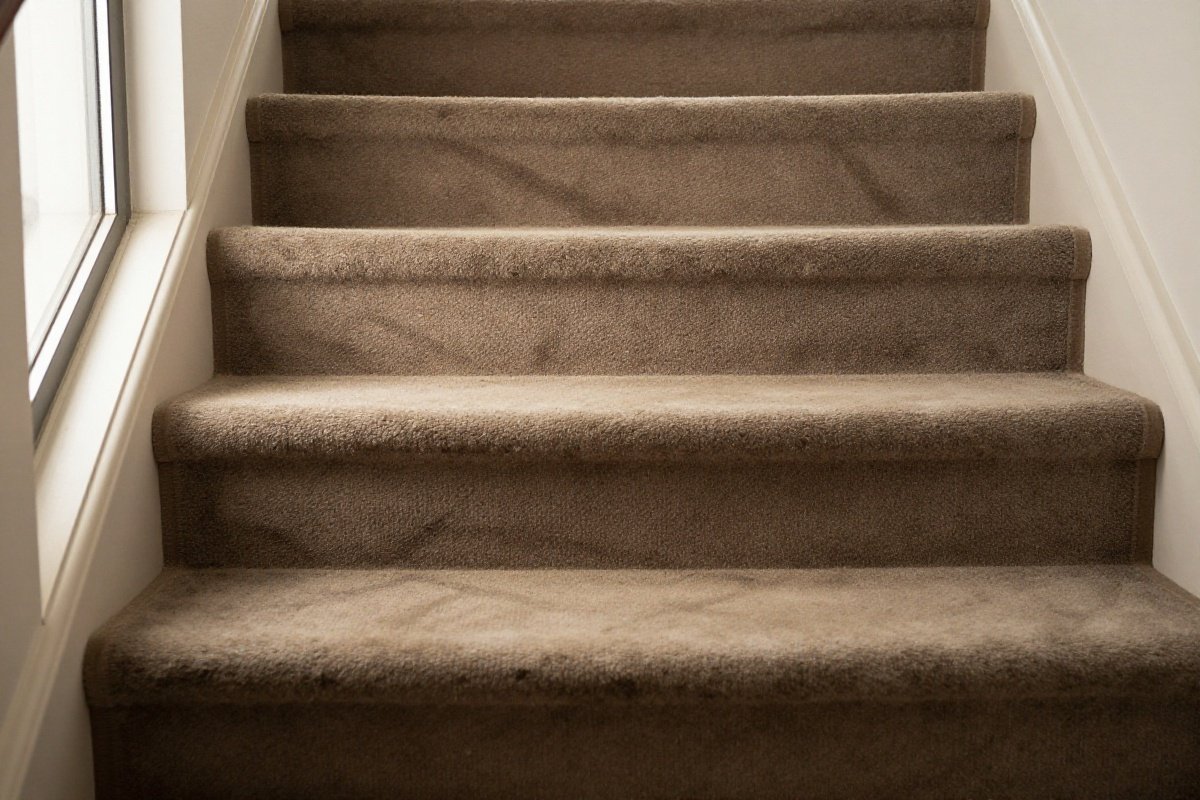
Stairs present unique obstacles that standard floor cleaning doesn’t encounter. The average residential staircase has 12-15 steps, each measuring approximately 10 inches deep by 36-42 inches wide. This creates a deceptively large surface area - roughly equivalent to a 30-50 square foot floor space, but with significant complications.
Angle and Ergonomics
The awkward positioning required for stair cleaning creates physical strain that accumulates over time. You’re constantly bending, reaching, and twisting while maintaining balance on an inclined surface. This is why choosing equipment that minimizes weight and maximizes reach is critical for long-term comfort and effectiveness.
Dust Accumulation Patterns
Stairs accumulate dust differently than flat surfaces. Treads collect walking debris, while risers gather dust that settles from air circulation throughout the home. The junction between tread and riser creates a natural collection point where debris becomes trapped and compressed by foot traffic. Understanding these patterns helps you target your cleaning efforts more effectively.
Lighting and Visibility
Many staircases suffer from inadequate lighting, particularly in corners and along baseboards. This makes it difficult to see exactly what you’re cleaning, leading to missed spots and incomplete dirt removal. Vacuums with built-in LED lights significantly improve cleaning thoroughness by illuminating these shadowy areas.
Safety First: Preparing to Vacuum Stairs
Clear the Area
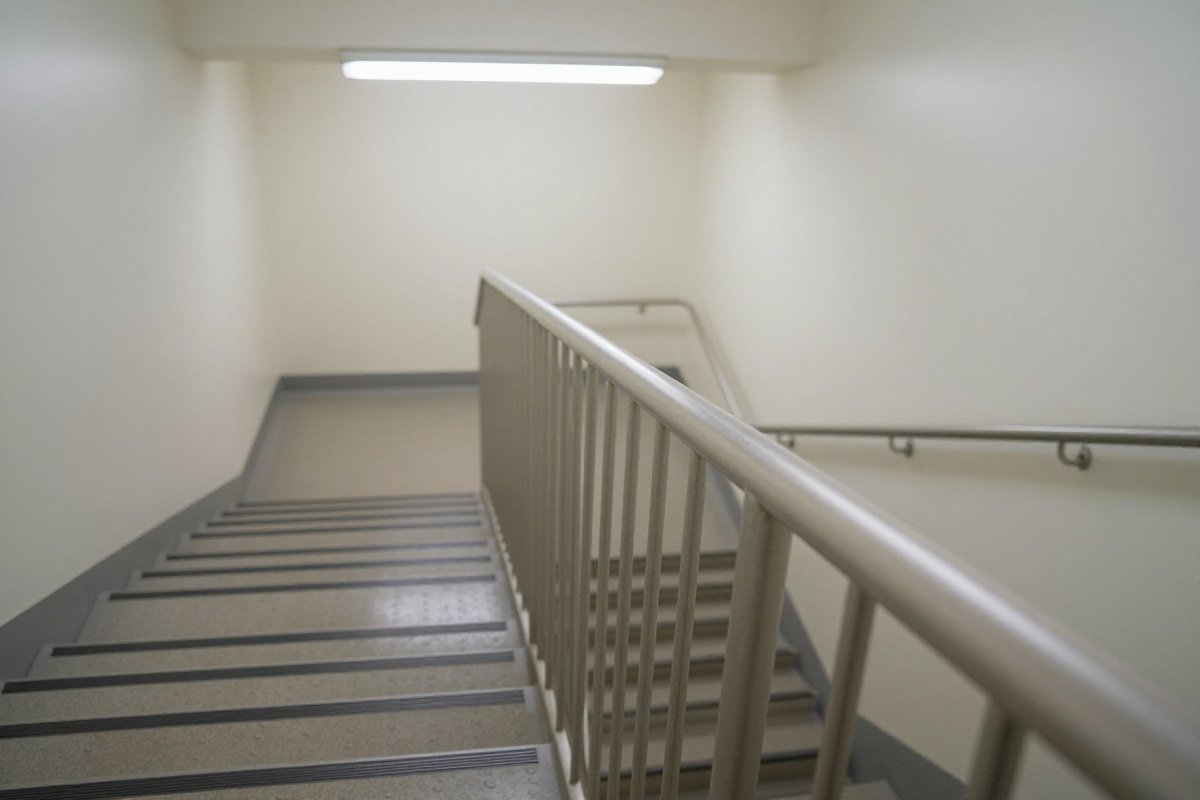
Before you begin, remove any obstacles from the stairs:
- Pick up toys, shoes, or loose items
- Check for small objects that could damage your vacuum
- Ensure adequate lighting throughout the stairwell
Inspect Your Equipment
A quick equipment check prevents accidents:
- Ensure the power cord (if corded) is in good condition
- Check that attachments are securely connected
- Verify the dust bin isn’t full
- Test any safety features or locks
What to Wear
Proper footwear is essential when vacuuming stairs:
- Wear shoes with non-slip soles
- Avoid loose clothing that could trip you
- Consider work gloves if handling heavy equipment
Establishing a Safe Stance
Your body position while cleaning stairs directly impacts both safety and effectiveness. Position yourself sideways on each step rather than facing directly up or down. This gives you better balance and allows you to pivot more easily. Keep one hand free to grip the handrail when possible, especially when working on the upper third of any staircase where falls pose greater risk.
The Proper Stair Vacuuming Technique
Step 1: Start at the Top
Always begin at the top of the staircase and work your way down. This prevents you from tracking dirt onto already-cleaned steps and gives you better control of your movements.
Step 2: Work in Sections
Break the task into manageable sections:
- Treads (horizontal surfaces)
- Risers (vertical surfaces)
- Edges and corners
- Handrails and balusters
Step 3: Use the Right Attachments
Different stair components require different tools:
For Carpeted Treads:
- Use a motorized brush head or turbo tool
- Move slowly to allow the brush to agitate fibers
- Overlap strokes by 50% for complete coverage
For Hard Surface Stairs:
- Use a soft brush attachment or bare floor tool
- Enable any hard floor settings on your vacuum
- Watch for debris scattering on wood or tile
For Edges and Corners:
- Use a crevice tool to reach where the tread meets the riser
- Angle the tool to capture debris along baseboards
- Don’t forget the corners where dust accumulates
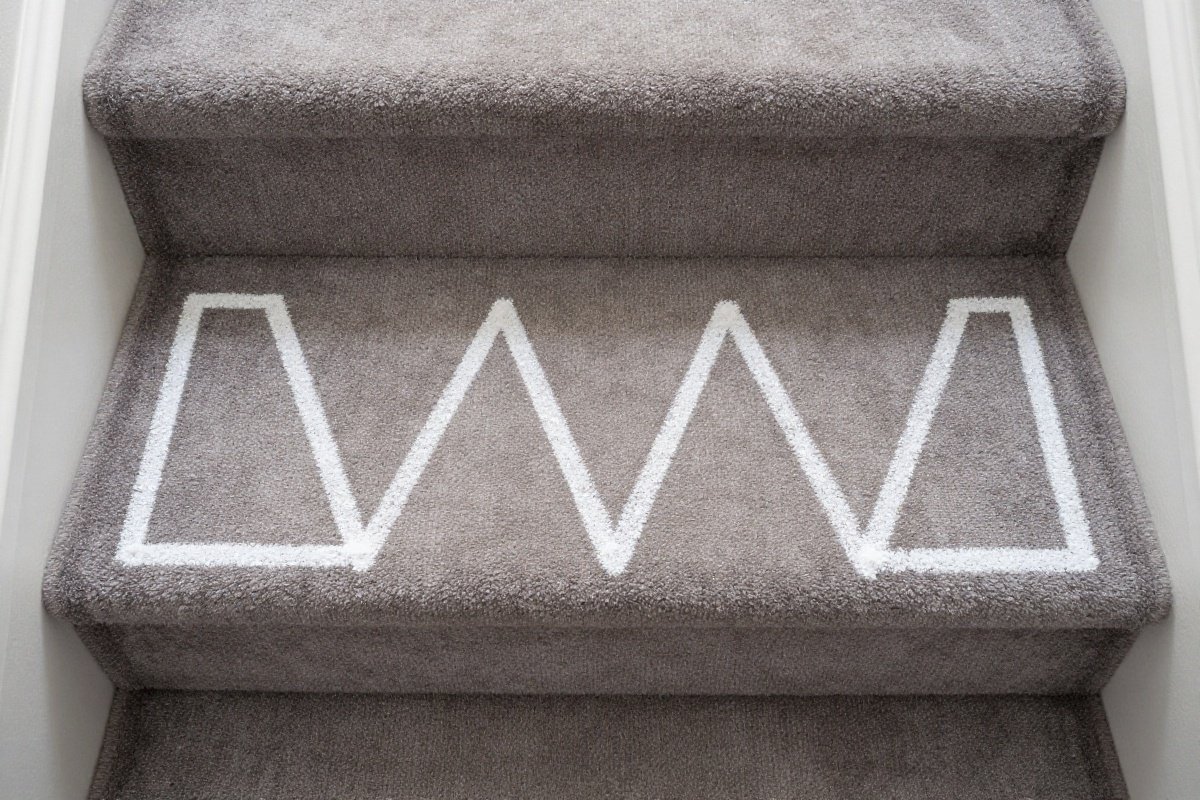
Step 4: The W-Pattern Technique
For optimal cleaning efficiency on stair treads:
- Start at the back left corner
- Move diagonally to the front right
- Move across to the front left
- Move diagonally to the back right
- Complete the W by moving to the center back
This pattern ensures complete coverage without missing spots.
Optimizing Suction for Stairs
Many modern vacuums offer multiple power settings. For stairs, typically use the medium to high setting for carpeted surfaces, and a lower setting for hard floors to prevent debris from scattering. If your vacuum has auto-sensing technology, allow it to calibrate for each surface, but be prepared to manually adjust if you notice reduced effectiveness in high-pile carpet areas.
Special Considerations for Different Stair Types
Carpeted Stairs
Carpeted stairs trap the most dirt and require special attention:
Deep Cleaning Method:
- Use a vacuum with strong suction and a beater bar
- Make multiple slow passes over high-traffic areas
- Vacuum across the width first, then lengthwise
- Pay extra attention to the edges where carpet meets the wall
Frequency: High-traffic carpeted stairs should be vacuumed 2-3 times per week.
Pile Direction Matters: Understanding carpet pile direction improves cleaning results. Run your hand across the carpet to determine which way the fibers lean. Vacuuming against the pile lifts fibers and allows deeper cleaning, while vacuuming with the pile smooths the appearance. Alternate directions between cleaning sessions for best results.
Hardwood or Laminate Stairs
Hard surfaces show dirt more readily but are easier to clean. For comprehensive advice on protecting wood finishes, see our guide on vacuuming hardwood floors.
Best Practices:
- Disable the beater bar to prevent scratching
- Use a microfiber attachment for dust collection
- Follow the grain of the wood when possible
- Check for stuck debris that might scratch surfaces
Frequency: Vacuum hardwood stairs weekly, more often if you have pets.
Protecting Your Finish: Wood stairs often feature delicate finishes that can scratch or dull with improper cleaning. Before vacuuming, do a quick visual check for sand, small pebbles, or other abrasive debris that could scratch when the vacuum passes over. Pick these up by hand first. Consider placing felt pads on vacuum attachments that contact the wood directly to add an extra layer of protection.
Mixed Material Stairs
Many homes feature carpeted treads with hardwood risers:
Dual-Tool Approach:
- Switch attachments between treads and risers
- Clean all treads first with carpet attachment
- Return to the top with hard floor tool for risers
- This prevents cross-contamination between surfaces
Strategic Attachment Changes: Rather than switching tools at every single step, complete all treads in one pass, then switch to the hard floor tool and complete all risers in a second pass. This workflow reduces the time spent changing attachments and helps maintain a consistent cleaning rhythm.
Spiral and Winding Stairs
Irregular stair shapes require extra care:
- Take extra time on triangular or pie-shaped steps
- Use handheld mode for tight spiral configurations
- Consider a cordless model for maximum maneuverability
- Work slowly to maintain balance on narrow treads
Navigating Tight Curves: Spiral stairs present unique challenges because the inside edge of each step (near the central pole) is much narrower than the outer edge. Focus your vacuuming effort on the outer two-thirds of each step where most foot traffic occurs. Use a crevice tool for the narrow inner section where the standard cleaning head may not fit effectively.
Open Tread (Floating) Stairs
Modern homes increasingly feature open-tread stairs without risers:
Special Technique:
- Vacuum the top surface of each tread normally
- Use a crevice tool to clean dust from exposed edges
- Vacuum underneath if accessible
- Check for cobwebs between treads
Dust Management: Open stairs allow dust to settle on both the top and bottom surfaces of each tread. This doubles the cleaning surface area. Every few months, vacuum underneath the stairs using a long-reach attachment to prevent dust accumulation in this often-forgotten zone.
Common Mistakes to Avoid
Rushing the Job
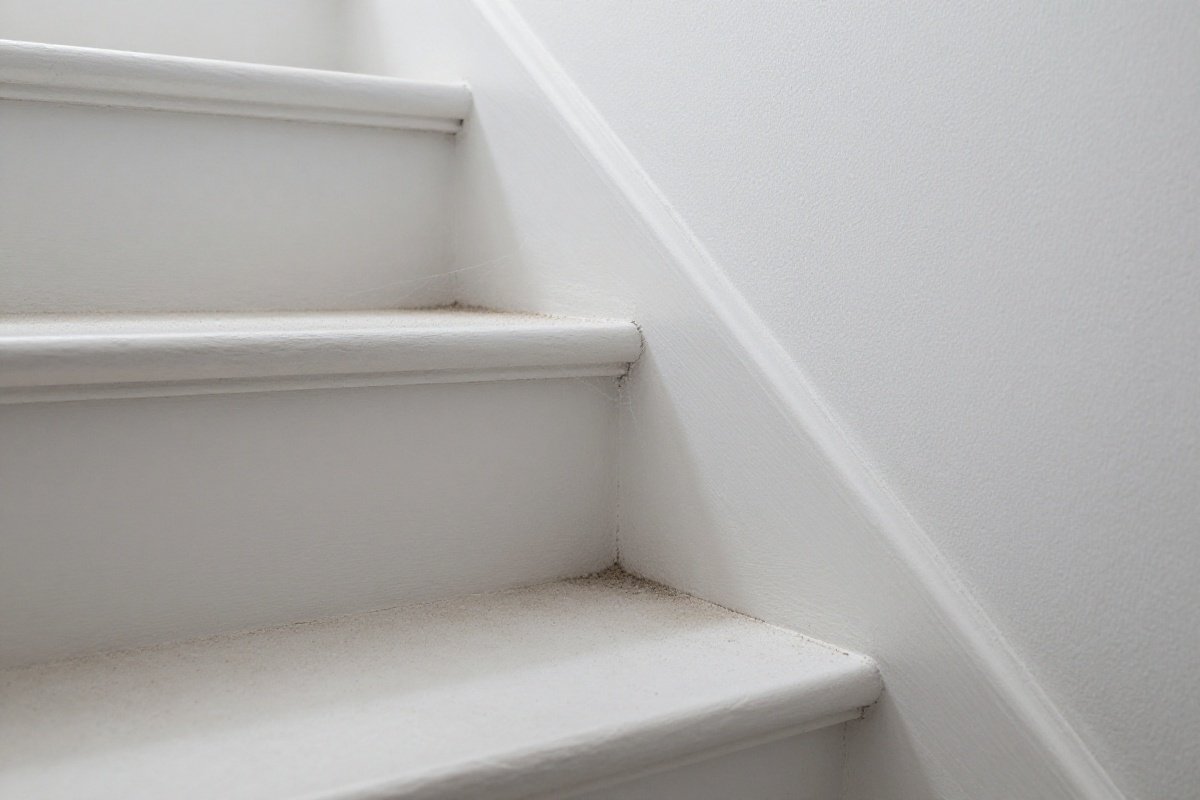
Vacuuming stairs too quickly leads to:
- Incomplete dirt removal
- Missed spots in corners
- Increased risk of tripping
- Damage to vacuum or stairs
Solution: Take your time. A thorough cleaning twice a week is better than daily half-effort attempts.
Using the Wrong Attachment
The wrong tool can cause:
- Ineffective cleaning
- Damage to delicate surfaces
- Excessive physical strain
- Frustration with the process
Solution: Invest 30 seconds to switch to the proper attachment for each surface type.
Ignoring the Risers
Vertical surfaces collect surprising amounts of dust:
- Dust settles on risers from above
- Pet hair clings to painted surfaces
- Cobwebs form in corners
Solution: Include riser vacuuming in your routine, even if less frequently than treads.
Forgetting About the Landing
Stair landings see heavy foot traffic:
- They’re often larger than individual steps
- Dirt accumulates from multiple directions
- They’re easy to overlook during routine cleaning
Solution: Give landings the same attention as your main floors.
Neglecting to Adjust Technique for Carpet Type
Different carpet styles require different approaches. Low-pile commercial-grade carpet needs firm, quick strokes, while high-pile plush carpets benefit from slower, more deliberate passes that allow the beater bar to reach deep into the pile. Adjusting your technique to match the carpet type improves cleaning effectiveness and prevents unnecessary wear on both the carpet and vacuum.
Overloading the Dust Bin
Stair cleaning generates more dust and debris per square foot than typical floor cleaning due to concentrated foot traffic. Empty your dust bin before it reaches capacity - ideally at the halfway point - to maintain optimal suction power. A full bin restricts airflow, reducing cleaning effectiveness and potentially causing the vacuum motor to overheat.
Advanced Tips for Stubborn Dirt
Dealing with Embedded Pet Hair
Pet hair weaves itself into carpet fibers, making removal difficult:
The Rubber Glove Method:
- Put on a rubber cleaning glove
- Dampen it slightly
- Run your hand over the carpet
- The hair will clump together for easy vacuuming
The Squeegee Technique:
- Use a window squeegee
- Drag it across carpeted stairs
- Hair will collect in rolls
- Vacuum up the clumps
Removing Fine Dust and Allergens
Stairs can harbor allergens that affect indoor air quality:
HEPA Filter Benefits:
- Traps 99.97% of particles 0.3 microns or larger
- Prevents dust recirculation
- Essential for allergy sufferers
- Available on many modern vacuums
Baking Soda Treatment:
- Sprinkle baking soda on carpeted stairs
- Let sit for 15-20 minutes
- Vacuum thoroughly
- Absorbs odors and loosens dirt
Addressing Stains Before They Set
Stairs are high-traffic areas prone to staining:
Immediate Action:
- Blot (don’t rub) fresh spills
- Apply appropriate cleaner for the stain type
- Allow to dry completely
- Vacuum to restore pile
Preventive Measures:
- Place mats at top and bottom of stairs
- Enforce a no-shoes policy
- Clean spills immediately
- Consider carpet protectors on high-wear areas
Tackling Ground-In Grime
High-traffic stair edges often develop dark, ground-in dirt that resists normal vacuuming. For these problem areas, use a stiff-bristled brush to agitate the carpet fibers before vacuuming. Brush in multiple directions to loosen compacted dirt, then immediately vacuum the area. For particularly stubborn spots, a pre-treatment spray designed for high-traffic areas can help break down the grime before you vacuum.
Maintenance Tips for Your Stair Vacuum
Empty the Bin Frequently
Stair cleaning often involves picking up larger debris:
- Check the bin after each use
- Empty when it reaches the max fill line
- Rinse washable components monthly
- Replace filters as recommended
Check for Blockages
Stairs can harbor items that clog vacuums:
- Inspect the hose for obstructions
- Check brush rolls for wrapped hair
- Clear any blockages immediately
- Prevent overheating and motor damage
Maintain Battery Life
For cordless models used on stairs (and if you own a Dyson, see our Dyson battery troubleshooting guide):
- Store at room temperature
- Don’t leave on charger indefinitely
- Allow to cool before recharging
- Replace batteries when runtime decreases significantly
Clean or Replace Filters on Schedule
Dirty filters reduce suction power and can damage the motor. For stair-focused cleaning, check filters more frequently than you would for general floor cleaning. The confined spaces and concentrated dirt on stairs mean filters accumulate debris faster. Washable filters should be rinsed every two weeks for frequent stair vacuuming, while disposable filters may need replacement every 1-2 months depending on usage intensity.
Attachment Care
The attachments you use most frequently for stairs - particularly crevice tools and motorized brush heads - experience significant wear. Inspect them monthly for cracks, loose bristles, or damaged connections. Clean hair and debris from motorized attachments after every few uses to prevent motor strain and maintain optimal performance.
Creating a Stair Cleaning Schedule
Weekly Maintenance
For typical households, establish a baseline weekly cleaning routine:
- Quick vacuum of all treads and risers
- Spot-clean any visible stains or spills
- Dust handrails and balusters
- Check for trip hazards
Bi-Weekly Deep Clean
Every two weeks, perform a more thorough cleaning:
- Use multiple attachments for comprehensive coverage
- Vacuum along all baseboards and corners
- Address any accumulated pet hair
- Move slowly for maximum dirt extraction
Monthly Detail Work
Once monthly, add these detailed tasks:
- Vacuum under stair nosing and in tight crevices
- Clean the underside of open stairs
- Address any scuff marks on risers
- Inspect and clean vacuum equipment
Seasonal Deep Cleaning
Quarterly or seasonally, consider:
- Professional carpet cleaning for heavily soiled stairs
- Complete baseboard and trim cleaning
- Assessment of carpet wear patterns
- Touch-up painting for scuffed risers
This tiered approach ensures stairs remain consistently clean without requiring excessive daily effort. Adjust the schedule based on household size, pet ownership, and overall traffic patterns.
When to Call the Professionals
Sometimes DIY isn’t enough:
Deep Cleaning Needs:
- Annual professional carpet cleaning
- Stain removal beyond DIY capabilities
- Odor elimination
- Restoration of matted carpet
Safety Concerns:
- Multiple stories with physical limitations
- Extremely steep or narrow stairs
- Health conditions affecting balance
- Time constraints preventing thorough cleaning
Professional Assessment: If your stairs show significant wear, persistent odors, or stains that resist home treatment, a professional carpet cleaner can assess whether the carpet needs repair, restretching, or replacement. For DIY troubleshooting, our vacuum repair guide covers common equipment fixes. Addressing these issues early prevents more costly repairs later and maintains the safety of your staircase.
The Dyson Stair Cleaning Patent (Updated for 2026)
In 2021, Dyson filed patent applications for stair-specific vacuum technology, including specialized attachments and detection systems. While the full range of patented features hasn’t yet reached consumer models, elements like laser dust detection (found in the V15) represent the evolution of stair cleaning technology.
Modern innovations to watch for include:
- Stair-detecting sensors that adjust suction automatically
- Specialized compact brush heads for narrow treads
- Enhanced edge cleaning technology
- Improved balance and weight distribution for handheld use
Emerging Technologies: The vacuum industry continues developing stair-specific innovations. Upcoming features may include smart sensors that recognize when you’re cleaning stairs and automatically optimize power settings, attachments with articulating heads that conform to stair angles, and enhanced battery management systems that prioritize power delivery for the most challenging cleaning tasks.
Further Reading
- How Often Should You Vacuum? Complete Guide by Floor Type & Lifestyle
- The Importance of Vacuum Cleaner Maintenance
- Why Does My Vacuum Smell? 8 Causes & Fixes [2026]
Environmental Considerations
Energy Efficiency on Stairs
Cordless vacuums use battery power that must be replenished through grid electricity. To minimize environmental impact while maintaining clean stairs:
- Use the appropriate power setting for each surface
- Charge batteries during off-peak electricity hours when possible
- Maintain equipment properly to extend its useful life
- Recycle batteries according to manufacturer guidelines
Eco-Friendly Cleaning Boosters
If you use cleaning powders or treatments on carpeted stairs, choose biodegradable, non-toxic options. Products containing plant-based enzymes effectively break down organic stains and odors without harsh chemicals that may affect indoor air quality or harm aquatic ecosystems when they eventually enter wastewater systems.
Recommended Products
Dyson V15 Detect
Top pick for stairsThe most technologically advanced cordless vacuum available, with genuine innovations in dust detection and suction optimization. Best for tech-forward buyers with mostly hard floors.
What We Like
- Laser reveals microscopic dust on hard floors
- Piezo sensor counts particles and displays in real-time
- Anti-tangle Motorbar cleaner head prevents hair wrap
- Powerful 240 AW suction with auto-adjusting power
What We Don't
- 60-minute runtime only in Eco mode (8 min in Boost)
- Small 0.2-gallon dustbin requires frequent emptying
- Premium price point
- 4.5-hour charging time is lengthy
Shark HV322 Rocket Deluxe Pro
Best budget optionThe Shark HV322 Rocket Deluxe Pro delivers exceptional cleaning performance at a mid-range price point. Its powerful suction and versatility make it ideal for daily quick cleans and deep cleaning alike.
What We Like
- Powerful 500W motor with consistent suction
- Ultra-lightweight at only 8.7 lbs for easy maneuverability
- LED headlights illuminate hidden debris
- Converts to handheld in seconds for versatile cleaning
- Budget-friendly price
What We Don't
- Dust cup is small at 0.41 quarts, requires frequent emptying
- Cord could be longer for large homes at 25 feet
- No HEPA filtration
Bissell Pet Hair Eraser Turbo Plus
Best for pet ownersThe Turbo Plus upgrades the Pet Hair Eraser line with OnePass technology and an LED-lighted crevice tool for cleaning dark corners and under furniture. Best for pet owners who want a corded upright with unlimited runtime and specialized tools for tackling embedded fur on carpets and upholstery.
What We Like
- Tangle-free brush roll prevents hair wrap around brush
- Specialized pet tools including Pet TurboEraser and 2-in-1 pet dusting brush
- Febreze filter helps eliminate pet odors
- OnePass technology cleans on first pass
What We Don't
- Not a sealed allergen system like premium models
- Basic filtration compared to HEPA-equipped models
- Heavier design at nearly 18 lbs
Black+Decker Dustbuster
Best budget handheldThe Dustbuster combines the iconic handheld form factor with modern lithium-ion battery technology and up to 30 minutes of cordless runtime. Best for households needing a simple, affordable grab-and-go vacuum for crumbs on countertops, car interiors, and quick stair cleanups.
What We Like
- Iconic handheld design with modern upgrades
- Affordable for the feature set
- Multiple attachments for various cleaning tasks
- Easy to store with compact footprint
What We Don't
- Runtime varies significantly by power mode used
- Basic filtration may not trap allergens effectively
- 4-5 hour charge time is lengthy for occasional use
Miele Triflex HX1 Cat & Dog
Best Premium OptionThe Miele Triflex HX1 Cat & Dog is a premium cordless stick vacuum with German engineering, outstanding filtration, and a versatile 3-in-1 design. While pricey, its build quality and HEPA AirClean filter justify the investment for allergy sufferers and pet owners.
What We Like
- German engineering with HEPA AirClean filter for superior filtration
- 3-in-1 design converts between stick, handheld, and compact modes
- Electrobrush with automatic floor detection
- Up to 60-minute runtime with removable battery
What We Don't
- Premium price point significantly higher than competitors
- Replacement parts and accessories are expensive
- Heavier than many cordless competitors at 3 kg
- 4-hour charge time is longer than most cordless rivals
Sources & Research
- Dyson official product page
- RTINGS lab test results
- Amazon Product Page
- Amazon Product Page
- Shark Official Product Page
- Shark Official Website
- Amazon Product Page
- Bissell Official Product Page
- Amazon Product Page
- BLACK+DECKER Official Site
- BLACK+DECKER Handheld Vacuums
- Amazon Product Page
- Miele Triflex Series
- Miele Cordless Vacuums
Continue Reading
Explore more maintenance & floor care content or browse our other categories.
Frequently Asked Questions
- What is the best type of vacuum for stairs?
- Cordless stick vacuums with handheld conversion capability are generally best for stairs due to their lightweight design, maneuverability, and freedom from cords that could cause tripping. Look for models under 7 pounds with strong suction and versatile attachments.
- How often should I vacuum my stairs?
- High-traffic stairs should be vacuumed 2-3 times per week, while less-used staircases can be cleaned weekly. Homes with pets or children may require daily attention to maintain cleanliness and safety.
- Can I use a robot vacuum on stairs?
- No, robot vacuums should not be used on stairs. While most have cliff sensors to prevent falls, they cannot effectively navigate individual steps and may damage themselves or your staircase. Use handheld or stick vacuums designed for manual stair cleaning.
- What attachment should I use for carpeted stairs?
- Use a motorized brush head or turbo tool for carpeted stairs. The rotating brush agitates carpet fibers to release embedded dirt and hair. For delicate carpets, use an upholstery attachment with softer bristles.
- Is it safe to carry a full-sized upright vacuum up stairs?
- Carrying a full-sized upright vacuum up stairs is not recommended due to weight (typically 15-20 pounds) and balance issues. Instead, use a lightweight cordless model, a canister vacuum carried with the wand in one hand and canister in the other, or a dedicated handheld vacuum for stairs.
- How do I prevent my vacuum cord from becoming a tripping hazard?
- If using a corded vacuum, drape the cord over your shoulder or secure it with cord management clips designed for vacuum cleaners. Always keep the cord behind you as you descend the stairs, and consider upgrading to a cordless model if cord management becomes consistently problematic.
- Should I vacuum stairs going up or down?
- Always vacuum going down the stairs, starting from the top. This approach keeps you above the cleaned area, prevents tracking dirt onto freshly vacuumed steps, and provides better control and balance throughout the cleaning process.
- How do I clean stairs with carpet runners?
- For stairs with carpet runners over hardwood, vacuum the runner with a motorized brush attachment, then carefully vacuum the exposed wood on either side using a hard floor tool. Pay special attention to the edges where the runner meets the wood, as debris accumulates in these transitions. Consider using a crevice tool to clean under the runner edges where dust can become trapped.
Written By
Home Vacuum Zone
Our team researches, tests, and reviews vacuum cleaners to help you make confident buying decisions.
Related Articles
How to Clean and Maintain a Robot Vacuum: Complete Guide
Learn how to clean your robot vacuum properly. Step-by-step guide covers dustbin emptying, filter cleaning, brush roll maintenance, sensor care, and dock maintenance.
5 Best Steam Mops for Hardwood Floors (2026 Reviews)
Find the best steam mop for hardwood floors in 2026. Our top picks include safe, effective options from Bissell, Shark, and PurSteam with adjustable steam settings.
How Often Should You Vacuum? Complete Guide by Floor Type & Lifestyle
Learn exactly how often to vacuum based on your home's traffic, pets, allergies, and floor type. Get personalized recommendations and discover the best vacuums for your specific needs.