Affiliate Disclosure:Home Vacuum Zone is reader-supported. When you buy through links on our site, we may earn an affiliate commission at no additional cost to you. This does not influence our reviews or recommendations — we only recommend products we genuinely believe in.
Pet owners face a unique cleaning challenge that regular vacuums simply aren’t designed to handle. Pet hair embeds itself deep into carpet fibers, clings to upholstery, and carries allergens that affect indoor air quality. But do you really need a dedicated pet vacuum, or can a regular vacuum do the job? This comprehensive guide examines the differences, benefits, and ideal use cases for each type.
What Makes a “Pet Vacuum” Different?
Pet vacuums aren’t just marketing - they’re engineered specifically for the unique challenges of pet hair and dander. Here’s what sets them apart:
Specialized Brush Rolls
Pet Vacuum Design:
- Tangle-free brush rolls with specialized bristle patterns
- Enhanced motor power to prevent hair wrapping
- Active hair removal mechanisms
- Rubberized components that resist hair adhesion
Regular Vacuum Design:
- Standard brush rolls optimized for debris
- Motors not reinforced for hair resistance
- Hair tends to wrap around brushes
- More frequent maintenance required
The tangle-free design in pet vacuums typically features a combination of rubber fins and V-shaped bristles that prevent hair from wrapping. Some models, like those from Shark, include self-cleaning brush rolls that actively comb out hair as you vacuum. This innovation alone can save you 10-15 minutes of maintenance time per week compared to manually cutting hair from a standard brush roll.
Enhanced Suction Power
Pet vacuums typically offer 20-30% more suction power than comparable regular models:
| Type | Average Suction | Best For |
|---|---|---|
| Regular Upright | 180-220 AW | General debris |
| Pet Upright | 250-300 AW | Embedded hair |
| Regular Canister | 140-180 AW | Hard floors |
| Pet Canister | 200-260 AW | Hair on multiple surfaces |
This increased suction power isn’t just about raw force - it’s about maintaining consistent performance even as pet hair accumulates in the vacuum. Regular vacuums often experience significant suction loss once the canister or bag fills with hair, while pet vacuums are engineered to maintain airflow even with heavy hair volume. The motor housings are also designed with better heat dissipation to prevent overheating during extended cleaning sessions.
Advanced Filtration
Pet vacuums prioritize allergen containment:
Pet Vacuum Filtration:
- HEPA filtration strongly recommended
- Sealed systems prevent escape
- Activated carbon for odor control
- Multi-stage filtration
Regular Vacuum Filtration:
- HEPA often optional
- Basic filtration sufficient
- No odor control features
- Varies by price point
The sealed system design in pet vacuums is particularly important. Unlike regular vacuums where air might escape through gaskets or seams, pet vacuums ensure that all air passes through the filtration system. This prevents pet dander from being expelled back into your home - a critical feature for allergy sufferers. The activated carbon layers also neutralize pet odors, particularly helpful for homes with older pets or litter boxes.
Specialized Attachments
Pet Vacuum Tools:
- Motorized pet hair brushes
- Turbo tools for upholstery
- Crevice tools with hair-grabbing features
- Flexible hoses for pet beds
Regular Vacuum Tools:
- Standard dusting brushes
- Basic crevice tools
- Limited upholstery options
- Generic attachments
Pet vacuum attachments are designed with specific use cases in mind. The motorized turbo brush, for example, creates rapid agitation that lifts hair from upholstery fibers without damaging fabric. Some models include specialized tools for stairs, where pets often shed heavily but cleaning is awkward. The flexible hoses on pet vacuums are typically longer (8-10 feet versus 5-6 feet) to reach pet beds, cat trees, and other pet-specific areas without moving the main unit.
Understanding Pet Hair Challenges
Why Pet Hair Is So Difficult to Remove

Pet hair presents several unique cleaning challenges that distinguish it from ordinary household dirt:
Hair Structure:
- Individual strands have microscopic barbs that grip fibers
- Static electricity causes hair to cling to surfaces
- Different coat types (double coat, single coat, curly) behave differently
- Undercoat shedding during seasonal changes creates massive volume
Embedding Behavior:
- Hair works its way deep into carpet pile with foot traffic
- Once embedded, it requires strong agitation to extract
- Hair can form dense mats at the base of carpet fibers
- Regular foot traffic pushes hair deeper, making it harder to remove over time
Dander and Allergen Factors:
- Pet dander (dead skin cells) is lighter than hair and becomes airborne easily
- Protein allergens from saliva and urine dry and attach to hair
- These microscopic particles require HEPA filtration to capture
- Regular vacuum exhaust can recirculate these allergens without proper filtration
Understanding these challenges explains why specialized equipment makes such a significant difference in cleaning effectiveness.
Do You Actually Need a Pet Vacuum?
You SHOULD Get a Pet Vacuum If:
You Have Multiple Pets:
- More pets = more hair = more powerful vacuum needed
- Pet vacuums handle volume without clogging
- Designed for continuous pet hair pickup
You Have Thick Carpet:
- Pet hair embeds deeply in plush carpets
- Regular vacuums struggle with extraction
- Pet vacuums have stronger agitation
Allergy Sufferers Live in Your Home:
- Pet dander is a major allergen
- Pet vacuums have superior sealed HEPA systems - see our best vacuums for allergy sufferers
- Better for indoor air quality
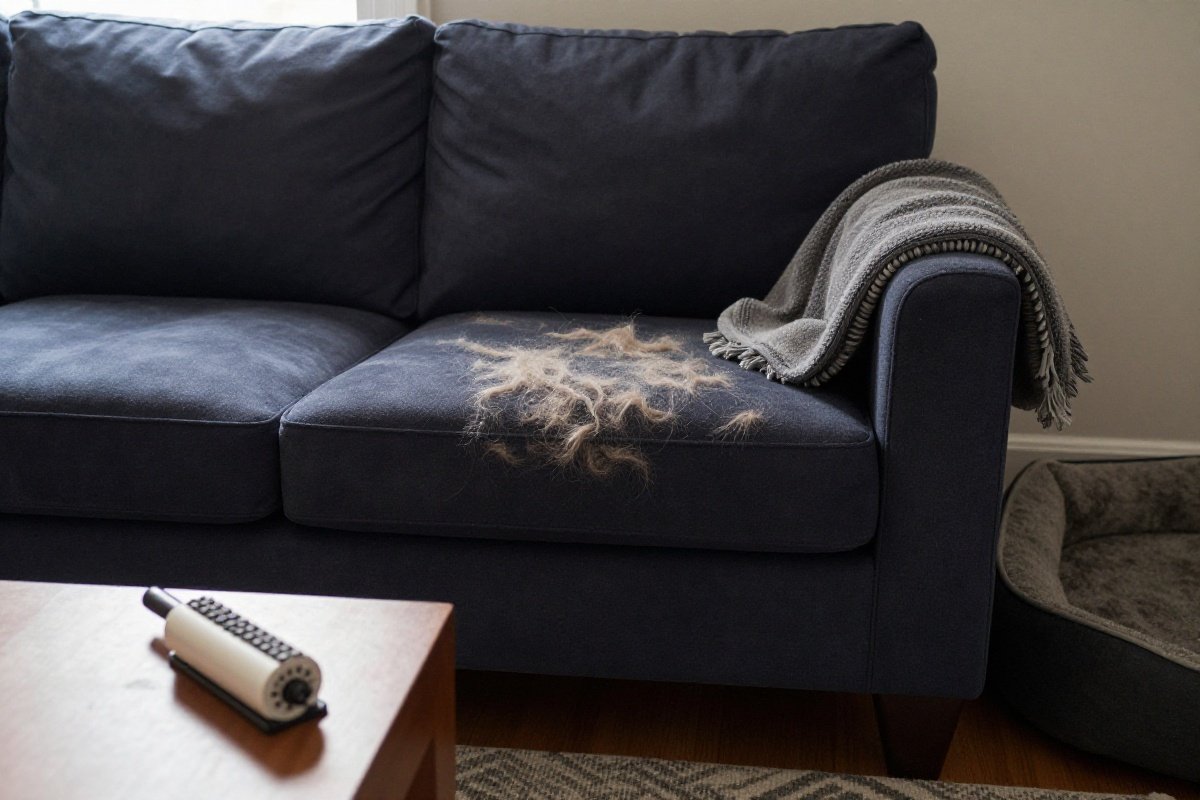
You Have Furniture-Access Pets:
- Pets on couches and beds leave hair everywhere
- Pet vacuums include upholstery-specific tools
- Regular vacuums lack these specialized attachments
Your Current Vacuum Struggles with Hair:
- Brush roll constantly tangled
- Loss of suction with hair buildup
- Overheating from hair clogs
You Own Long-Haired or Double-Coated Breeds:
- Golden Retrievers, German Shepherds, and Persian cats shed extensively - see our best vacuum for long hair guide
- These breeds require industrial-level cleaning capability
- Regular vacuums can’t keep pace with heavy shedders during seasonal blowouts
You DON’T Need a Pet Vacuum If:
You Have Hard Floors Only:
- Hair sits on top of hard surfaces
- Regular vacuums handle surface hair fine
- Any decent vacuum works
You Have a Single Short-Haired Pet:
- Minimal hair production
- Regular vacuum sufficient
- Save money on unnecessary features
You Already Have a High-End Regular Vacuum:
- Premium vacuums often handle pet hair adequately
- Check brush roll design and suction power
- May not need dedicated pet model
Budget Is Tight:
- Pet vacuums command 20-40% price premium
- Regular vacuum + regular grooming may suffice
- Pet vacuums are an investment, not a necessity
Your Pet Spends Most Time Outdoors:
- Limited indoor shedding reduces cleaning needs
- Occasional vacuuming with regular model works fine
- Invest savings in outdoor grooming setup
Head-to-Head Comparison
Cleaning Performance
| Task | Pet Vacuum | Regular Vacuum |
|---|---|---|
| Surface pet hair | Excellent | Good |
| Embedded pet hair | Excellent | Fair-Poor |
| Pet hair on upholstery | Excellent | Fair |
| Pet hair in car | Very Good | Fair |
| General debris | Good | Excellent |
| Fine dust | Excellent | Good-Excellent |
| Large debris | Good | Excellent |
Maintenance Requirements
Pet Vacuum:
- Tangle-free brush rolls need less frequent cleaning
- HEPA filters require annual replacement
- Bags/chambers need emptying after each use
- Specialized tools may need attention
Regular Vacuum:
- Brush rolls need hair removal weekly
- Filters vary by model (6-12 months)
- Standard emptying schedule
- Generic tools require less care
The maintenance difference becomes particularly apparent over time. While pet vacuum filters cost more annually than regular vacuum filters, you save considerable time not having to cut hair from brush rolls. Many pet owners report spending 15-20 minutes per month on brush roll maintenance with regular vacuums - time that’s essentially eliminated with tangle-free designs.
Cost Comparison
Entry Level:
- Pet vacuums cost roughly 20-40% more than comparable regular vacuums
Mid-Range:
- The price gap widens slightly at mid-range tiers
Premium:
- Premium pet vacuums carry a moderate premium over their regular counterparts
Long-term Costs:
- Pet vacuums: Higher filter/bag costs
- Regular vacuums: Lower maintenance costs
- Break-even depends on usage
Lifespan and Durability
Pet vacuums are typically built more robustly to handle constant use and challenging conditions:
Expected Lifespan:
- Quality pet vacuum: 8-12 years
- Regular vacuum: 6-10 years
- Premium pet vacuum (Miele, Dyson): 15-20 years
- Budget regular vacuum: 3-5 years
The motors in pet vacuums are designed to run hotter and longer without burnout. If you vacuum daily or multiple times per week (common with pets), this durability difference justifies the higher initial cost.
Top Pet Vacuum Recommendations (2026)
Best Overall: Dyson Ball Animal 3
Why It Wins:
- 290AW suction power
- Tangle-free turbine tool
- Whole-machine HEPA filtration
- Ball steering for maneuverability
Best For: Multi-pet homes, all floor types, allergy sufferers
Tier: Premium
Best Budget: Shark ZU102 Rotator Pet
Why It Wins:
- Self-cleaning brush roll
- Lift-away canister
- HEPA filter included
- Budget-friendly pricing
Best For: First-time pet vacuum buyers, budget-conscious
Tier: Budget-friendly
Best Canister: Miele Complete C3 Cat & Dog
Why It Wins:
- Active AirClean filter with charcoal
- Mini turbo brush included
- 20-year lifespan
- Sealed system
Best For: Hard floors, allergy sufferers, long-term investment
Tier: Premium
Best Cordless: Dyson V15 Detect
Why It Wins:
- 240AW suction
- Hair screw tool
- 60-minute runtime
- Whole-machine HEPA
Best For: Quick cleanups, stairs, furniture
Tier: Premium
Best Robot: iRobot Roomba j7+
Why It Wins:
- Pet waste detection (avoids accidents)
- Self-emptying base
- Smart mapping
- Scheduled cleaning
Best For: Maintenance cleaning between deep cleans
Tier: Premium
Top Regular Vacuum Recommendations
Best Overall: Miele Complete C3 Marin
Why It Wins:
- Premium build quality
- Excellent filtration
- Quiet operation
- 20-year lifespan
Best For: Homes without pets, premium buyers
Tier: Premium
Best Budget: Kenmore BC3005
Why It Wins:
- Reliable performance
- Bagged design
- Budget-friendly pricing
- Wide availability
Best For: Basic cleaning needs, value seekers
Tier: Budget-friendly
Best Upright: Shark NV360 Navigator
Why It Wins:
- Lift-away feature
- HEPA filter
- Affordable pricing
- Good all-around performance
Best For: General cleaning, mixed flooring
Tier: Affordable
Making the Right Choice
Decision Matrix
| Situation | Recommendation |
|---|---|
| 1 short-haired pet, hard floors | Regular vacuum |
| 2+ pets, any flooring | Pet vacuum |
| 1 long-haired pet, carpet | Pet vacuum |
| Allergy sufferers | Pet vacuum (HEPA sealed) |
| Occasional pet visits | Regular vacuum |
| Multi-pet, furniture access | Pet vacuum with upholstery tools |
| Tight budget + 1 pet | Regular vacuum + grooming |
Key Features to Prioritize
If Choosing Pet Vacuum:
- Tangle-free brush roll (essential)
- HEPA filtration (essential for allergies)
- Strong suction (250AW+ ideal)
- Pet-specific attachments
- Sealed system
If Choosing Regular Vacuum:
- Strong overall performance
- Good filtration (HEPA if allergies)
- Appropriate attachments
- Easy maintenance
- Value for money
Testing Before You Buy
If possible, test vacuums before purchasing:
In-Store Testing:
- Most retailers have demonstration areas with different surfaces
- Bring a sample of your carpet if considering a specific model
- Test the weight and maneuverability - you’ll be using this frequently
- Check how easy it is to empty and clean
Return Policies:
- Many retailers offer 30-90 day returns
- Test the vacuum on your actual floors and furniture
- Evaluate whether the features justify the cost
- Don’t hesitate to return if it doesn’t meet expectations
Further Reading
- Roomba vs Deebot: Which Robot Vacuum is Better? (2026 Comparison)
- Dyson V15 vs Dyson Omni-Glide: Which Cordless Vacuum Should You Buy?
- Eufy vs Roomba: Best Robot Vacuum Brand Comparison (2026)
Maintenance Tips for Pet Owners
Daily/Weekly:
- Empty dustbin or change bag frequently
- Check brush roll for tangles
- Clean filters as recommended
- Store pet tools conveniently
Monthly:
- Deep clean brush roll
- Wash washable filters
- Inspect hoses for blockages
- Check belt condition
Annual Maintenance:
- Replace HEPA filters (non-washable types)
- Check all seals and gaskets
- Inspect wheels and swivels for hair buildup
- Clean internal pathways
Grooming Reduces Vacuum Needs:
- Brush pets regularly (daily for long-haired)
- Professional grooming monthly
- Bathing per breed requirements
- Catch hair before it hits floors
Grooming Impact on Vacuuming: Regular grooming can reduce vacuuming needs by 40-60%. A weekly bath for dogs and daily brushing can capture hair before it spreads through your home. Consider setting up a grooming station on an outdoor patio or in a mudroom where loose hair doesn’t enter living spaces. Even 5-10 minutes of daily brushing makes a measurable difference in how much hair you vacuum.
Preventing Pet Hair Accumulation
Strategic Prevention:
- Use washable blankets on furniture where pets rest
- Place area rugs in high-shedding zones (easier to shake out or wash - our carpet care guide covers maintenance for every type)
- Keep pets off certain furniture entirely to reduce cleaning zones
- Vacuum high-traffic areas more frequently than entire home
Seasonal Shedding Management: During spring and fall when double-coated breeds “blow” their undercoats, increase grooming and vacuuming frequency. Some pet owners find that vacuuming daily during these 3-4 week periods keeps hair manageable, whereas weekly vacuuming during normal periods suffices.
Head-to-Head Comparison
Detailed Reviews
Dyson Ball Animal 3
Best Overall Pet VacuumBest vacuum with beater bar for deep carpet cleaning.
What We Like
- Powerful motorized brush bar for deep carpet cleaning
- Tangle-free turbine tool prevents hair wrap
- Strong 290 AW suction power
- Whole-machine HEPA filtration captures allergens
- Ball technology for easy steering around furniture
What We Don't
- Premium price point for a corded upright
- Heavy at 17.4 lbs for prolonged use
- Small dustbin capacity requires frequent emptying
Miele Complete C3 Cat & Dog
Best Canister Pet VacuumThe Miele Complete C3 Cat & Dog features a handheld turbo brush for furniture, charcoal odor filtration, and 66 dB quiet operation backed by a 7-year motor warranty. Best for multi-pet households that need a hygienic bagged system with specialized tools to handle long hair on upholstery and stairs.
What We Like
- Handheld turbo brush excellent for pet hair on furniture
- Bagged design hygienic for allergy sufferers
- German engineering with superior build quality
- Charcoal filter neutralizes pet odors effectively
What We Don't
- Very expensive compared to competitors
- Ongoing cost of replacement bags
- Lacks motorized powerhead in base configuration
Dyson V15 Detect
Best Cordless Pet VacuumThe most technologically advanced cordless vacuum available, with genuine innovations in dust detection and suction optimization. Best for tech-forward buyers with mostly hard floors.
What We Like
- Laser reveals microscopic dust on hard floors
- Piezo sensor counts particles and displays in real-time
- Anti-tangle Motorbar cleaner head prevents hair wrap
- Powerful 240 AW suction with auto-adjusting power
What We Don't
- 60-minute runtime only in Eco mode (8 min in Boost)
- Small 0.2-gallon dustbin requires frequent emptying
- Premium price point
- 4.5-hour charging time is lengthy
iRobot Roomba j7+ Self-Emptying Robot Vacuum
Best current RoombaThe iRobot Roomba j7+ combines PrecisionVision camera-based obstacle avoidance with a 60-day self-emptying Clean Base and the P.O.O.P. guarantee for pet waste detection, setting it apart from older Roomba models. It is best for pet owners who want the confidence that their robot will navigate around cords, shoes, and pet accidents without getting stuck.
What We Like
- PrecisionVision AI obstacle avoidance (avoids pet waste)
- 60-day capacity self-emptying Clean Base
- Smart mapping with room-specific cleaning schedules
- Pet Owner Official Promise (P.O.O.P.)
What We Don't
- Premium price point
- No mopping capability
- Camera-based navigation requires adequate lighting
Miele Complete C3 Marin Canister Vacuum
Quiet operation seekers, luxury buyers, thorough filtration needsThe Miele Complete C3 Marin is a top-tier canister vacuum with outstanding suction, whisper-quiet operation, and hospital-grade HEPA filtration. Ideal for allergy sufferers and large homes with mixed flooring who want a vacuum that will last 15-20 years.
What We Like
- 1200W Vortex motor with 6 speed settings for optimal suction control across surfaces
- AirClean Sealed System with HEPA filter traps 99.95% of particles down to 0.1 microns
- Exceptionally quiet operation at 64 dB - among the quietest canister vacuums available
- 36-foot operating radius covers large rooms without unplugging
What We Don't
- Requires bags which add ongoing maintenance cost (~$5 per bag)
- Premium pricing at top of market segment
- No motorized brush roll included - must purchase SEB 228 or SEB 236 separately
Kenmore BC3005
Best mid-rangeThe Kenmore BC3005 delivers 2-motor canister power with HEPA filtration and a dedicated Pet PowerMate attachment at a mid-range price. Ideal for households wanting reliable pet hair pickup and allergen capture without stepping up to Miele pricing.
What We Like
- HEPA filtration captures allergens and fine particles
- Pet PowerMate attachment for effective pet hair removal
- Telescoping wand adjusts for different cleaning heights
- 2-motor system provides strong suction power
What We Don't
- Requires replacement bags for operation
- Less refined construction and features than Miele competitors
- 1-year warranty offers limited long-term coverage compared to premium canister brands
Shark Navigator Lift-Away Deluxe NV360
Best budget optionThe Shark Navigator Lift-Away Deluxe NV360 delivers HEPA filtration, adjustable suction control, and a detachable canister for above-floor cleaning at an entry-level price point. Best for budget-conscious families in small to mid-size homes who need anti-allergen sealing and versatile floor-to-ceiling cleaning.
What We Like
- Brush roll shutoff enables seamless transition between carpets and hard floors
- Adjustable suction control for delicate surfaces
- Lift-Away canister feature for versatile above-floor cleaning
- Anti-Allergen Complete Seal Technology with HEPA filtration
What We Don't
- Can be challenging to push on thick, plush carpets
- Smaller 0.9-quart dust cup requires more frequent emptying on larger jobs
- 25-foot cord limits reach in larger homes and open floor plans
Sources & Research
- Amazon Product Page
- Dyson Official Product Page
- Amazon Product Page
- Miele Official Product Page
- Miele Official Product Page
- Dyson official product page
- RTINGS lab test results
- Amazon Product Page
- Amazon Product Page
- iRobot Official Page
- iRobot j7 Series
- Amazon Product Page
- Miele Official Product Page
- Miele Official Product Page
- Amazon Product Page
- Amazon Product Page
- Shark Upright Vacuums
- Shark Official Product Page
Continue Reading
Explore more comparisons content or browse our other categories.
Frequently Asked Questions
- Can a regular vacuum work for pet hair if I use it frequently?
- A regular vacuum can handle light pet hair with frequent use, but it will require more maintenance. Brush rolls will tangle more often, filters clog faster, and suction may decrease. For homes with heavy shedding pets, a pet vacuum's specialized design significantly reduces maintenance burden and improves cleaning effectiveness.
- Are pet vacuums just marketing, or do they actually work better?
- Pet vacuums are genuinely engineered differently. The brush rolls are designed to resist hair wrapping, motors are reinforced to handle hair without overheating, and filtration systems prioritize allergen capture. Real-world testing shows pet vacuums remove significantly more embedded hair than comparable regular vacuums. The features aren't just marketing - they solve real problems.
- Do I need a pet vacuum if I have hardwood floors?
- Probably not. Pet hair sits on top of hard surfaces and doesn't embed like it does in carpet. Any decent vacuum with adequate suction can handle surface hair on hard floors. However, if you have area rugs or your pets frequent upholstered furniture, a pet vacuum's specialized tools become more valuable.
- What's more important for pet hair: suction power or brush roll design?
- Brush roll design is more critical. While strong suction helps, the brush roll is what agitates and extracts embedded hair. Tangle-free brush rolls with specialized bristle patterns remove hair more effectively than raw suction alone. Look for vacuums specifically advertising tangle-free or self-cleaning brush rolls for best pet hair performance.
- Should I get a robot vacuum or a regular/pet vacuum for pet hair?
- Robot vacuums work best as maintenance cleaners, not primary vacuums for pet hair. They handle surface hair well but can't deep-clean carpets or furniture where most hair accumulates. Ideally, have both: a robot for daily surface maintenance and a pet vacuum for weekly deep cleaning. If choosing one, the pet vacuum provides more comprehensive cleaning.
- How often should I vacuum if I have pets?
- The frequency depends on your pet and home setup. Single short-haired pet on hard floors: 2-3 times weekly. Multiple pets or long-haired breeds: daily for high-traffic areas, 2-3 times weekly for entire home. Heavy shedders during seasonal changes: daily throughout the home. Allergy sufferers may need to vacuum daily regardless of pet type to manage dander levels effectively. See our full guide on [how often you should vacuum](/how-often-should-i-vacuum/) for detailed schedules.
- Can I use a pet vacuum if I don't have pets?
- Absolutely. Pet vacuums excel at picking up human hair, dust, and general debris. The enhanced suction and filtration benefit any household. However, you're paying a premium for features you may not need. If you have long hair or family members with allergies, a pet vacuum's sealed HEPA system offers advantages even without pets.
Written By
Home Vacuum Zone
Our team researches, tests, and reviews vacuum cleaners to help you make confident buying decisions.
Related Articles
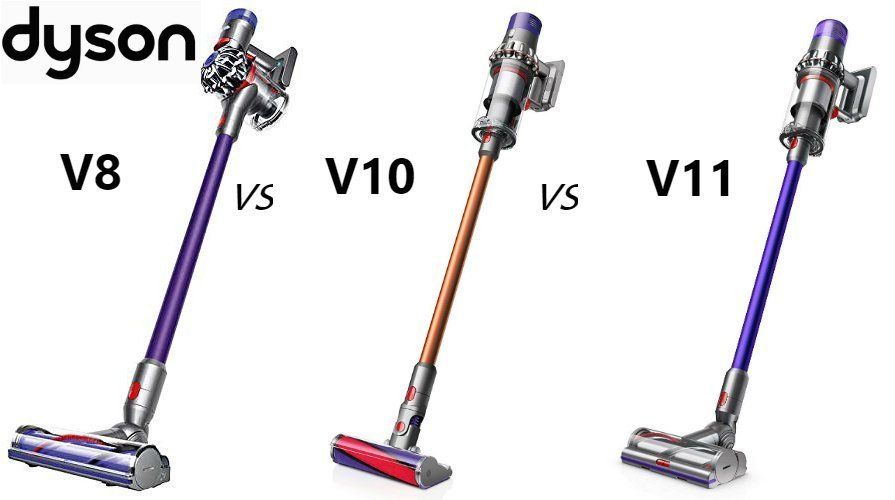
Dyson V11 vs V10 vs V8: Detailed Comparison (2026 Update)
Compare Dyson V11 vs V10 vs V8: Which older cordless vacuum offers the best value in 2026? Updated specs, pricing, and buying guide.
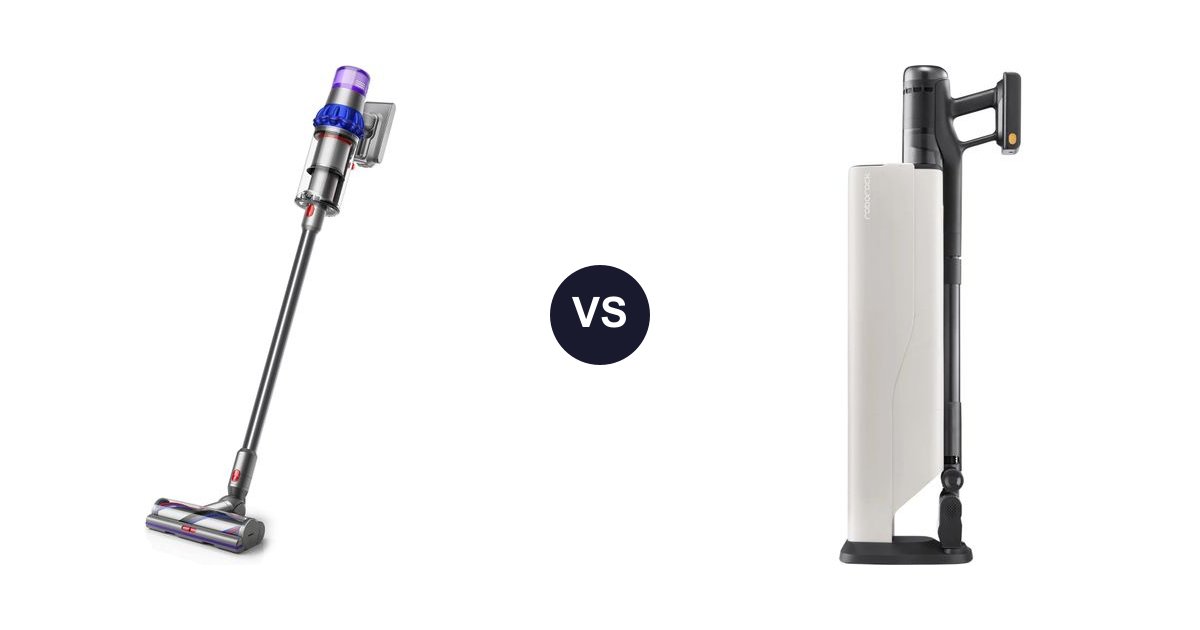
Dyson V15 vs Roborock H60 Ultra: Cordless Stick Showdown
Compare Dyson V15 Detect and Roborock H60 Ultra cordless vacuums. We test suction power, runtime, features, and value to help you choose the right premium stick vacuum.
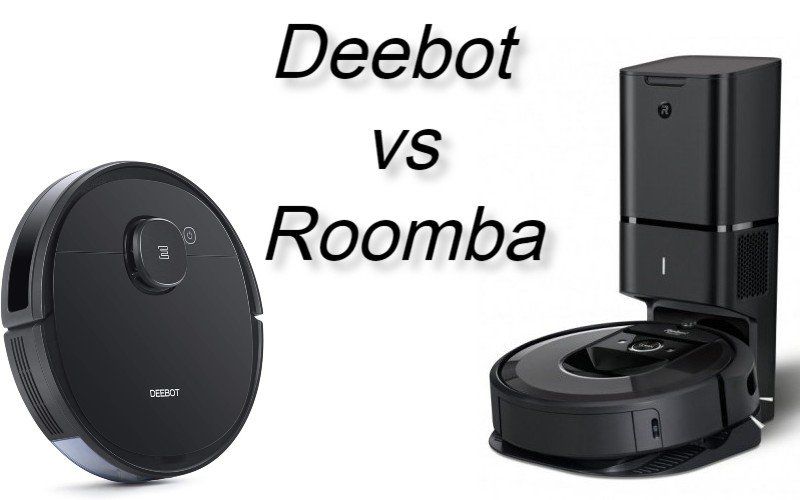
Roomba vs Deebot: Which Robot Vacuum is Better? (2026 Comparison)
Roomba vs Deebot robot vacuum comparison for 2026. Compare iRobot and Ecovacs models across premium, mid-range, and budget tiers with features, pricing, and recommendations.