Affiliate Disclosure:Home Vacuum Zone is reader-supported. When you buy through links on our site, we may earn an affiliate commission at no additional cost to you. This does not influence our reviews or recommendations — we only recommend products we genuinely believe in.
When shopping for a vacuum cleaner, you’ll encounter various certifications and testing standards. Understanding what these certifications actually mean - and which ones matter for your situation - helps you make an informed purchase.
This guide breaks down the major vacuum certifications, explains what they test, and shows you which certified vacuums perform best in 2026.
Quick Verdict: CRI Gold certification matters most for carpet-heavy homes wanting verified deep-cleaning proof. For allergy and asthma sufferers, prioritize AAFA-certified vacuums with sealed HEPA systems over any other certification. General users should prioritize brand reputation and real-world performance reviews over certifications alone.
Quick Certification Comparison
| Certification | Tests For | Who Should Care | Standard |
|---|---|---|---|
| CRI | Soil removal, dust containment, carpet protection | Carpet owners | CRI SOA Testing Methods |
| HEPA | 99.97% particle capture at 0.3 microns | Allergy/asthma sufferers | EN 1822, IEST-RP-CC001 |
| AAFA | Whole-system allergen removal | Asthma/allergy sufferers | Independent testing |
| Allergy UK | Allergen reduction | UK allergy sufferers | UK independent testing |
| ASTM | Suction, airflow, filtration | Technical comparison | ASTM F558, F608, F1977 |
Understanding CRI Certification (Carpet and Rug Institute)
What CRI Tests
The Carpet and Rug Institute (CRI) Seal of Approval program evaluates vacuums on three critical criteria for carpet owners:
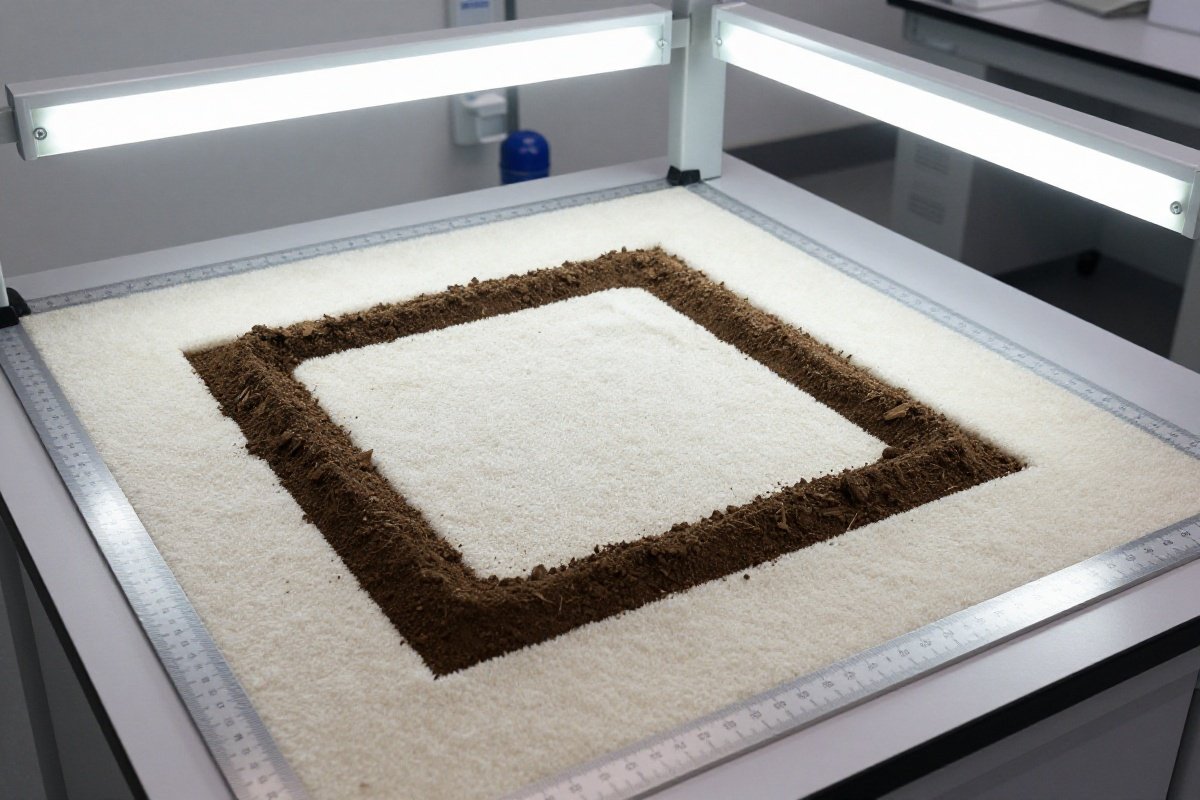
1. Soil Removal (40% of score)
- Vacuums are tested on standardized carpet samples soiled with specific dust mixtures
- Must remove high percentage of embedded soil
- Tests both upright and canister configurations
2. Dust Containment (40% of score)
- Measures particles released back into air during vacuuming
- Must not exceed 100 micrograms per cubic meter
- Tests filtration system effectiveness
3. Carpet Appearance Retention (20% of score)
- Evaluates whether vacuum damages carpet fibers
- Tests for fuzzing, fiber distortion, and color change
- Ensures long-term carpet protection
CRI Certification Levels
| Level | Soil Removal | Dust Containment | Carpet Protection |
|---|---|---|---|
| Gold | ≥95% | ≤35 μg/m³ | Pass |
| Silver | ≥90% | ≤50 μg/m³ | Pass |
| Bronze | ≥85% | ≤100 μg/m³ | Pass |
Why CRI Certification Matters
For homes with wall-to-wall carpeting, CRI certification provides:
- Assurance of effective soil removal
- Confidence that vacuum won’t damage carpet
- Verification of good dust containment
- Independent testing (not manufacturer claims)
The testing process is particularly valuable because it uses standardized carpet types and soil mixtures that represent real-world conditions. This means the certification reflects actual performance you’ll experience at home, not idealized laboratory conditions. The carpet protection testing is especially important for homeowners with high-quality carpeting, as aggressive vacuum brushes or poor airflow design can cause permanent fiber damage over time.
Current CRI Gold Certified Vacuums (2026)
Upright Vacuums:
- Miele Dynamic U1 series
- Sebo Automatic X7
- Certain Hoover and Oreck commercial models
Canister Vacuums:
- Miele Complete C3 series (Marin, Cat & Dog, Calima)
- Sebo Airbelt K3 and D4
Note: CRI updates their certified product list regularly. Check carpet-rug.org for current certifications.
The Economics of CRI Certification
Many manufacturers choose not to pursue CRI certification despite producing quality vacuums. The testing process requires:
- Laboratory fees for independent testing
- Multiple vacuum units submitted for evaluation
- Annual re-testing for certification renewal
- Specific design requirements that may increase manufacturing costs
This explains why some excellent carpet-cleaning vacuums lack CRI certification - the manufacturer decided the certification cost wasn’t justified for their target market. However, for brands targeting carpet-focused consumers or commercial markets, CRI certification provides valuable third-party validation.
Understanding HEPA Certification
What True HEPA Means
HEPA (High Efficiency Particulate Air) filtration is defined by specific standards:
True HEPA Requirements:
- Must capture 99.97% of particles 0.3 microns in diameter
- 0.3 microns is the “most penetrating particle size”
- Filters must meet EN 1822 or IEST-RP-CC001 standards
What HEPA Captures:
- Dust mites and feces
- Pollen grains
- Pet dander
- Mold spores
- Some bacteria
- Fine dust particles
HEPA Filter Grades
| Grade | Efficiency | Common Use |
|---|---|---|
| H10-H12 | 85-99.5% | Basic air purifiers |
| H13 | 99.95% | Medical, premium vacuums |
| H14 | 99.995% | Hospital, laboratory |
| True HEPA | 99.97% | Consumer vacuums |
Why Sealed Systems Matter
A HEPA filter is ineffective without a sealed system. Here’s why:
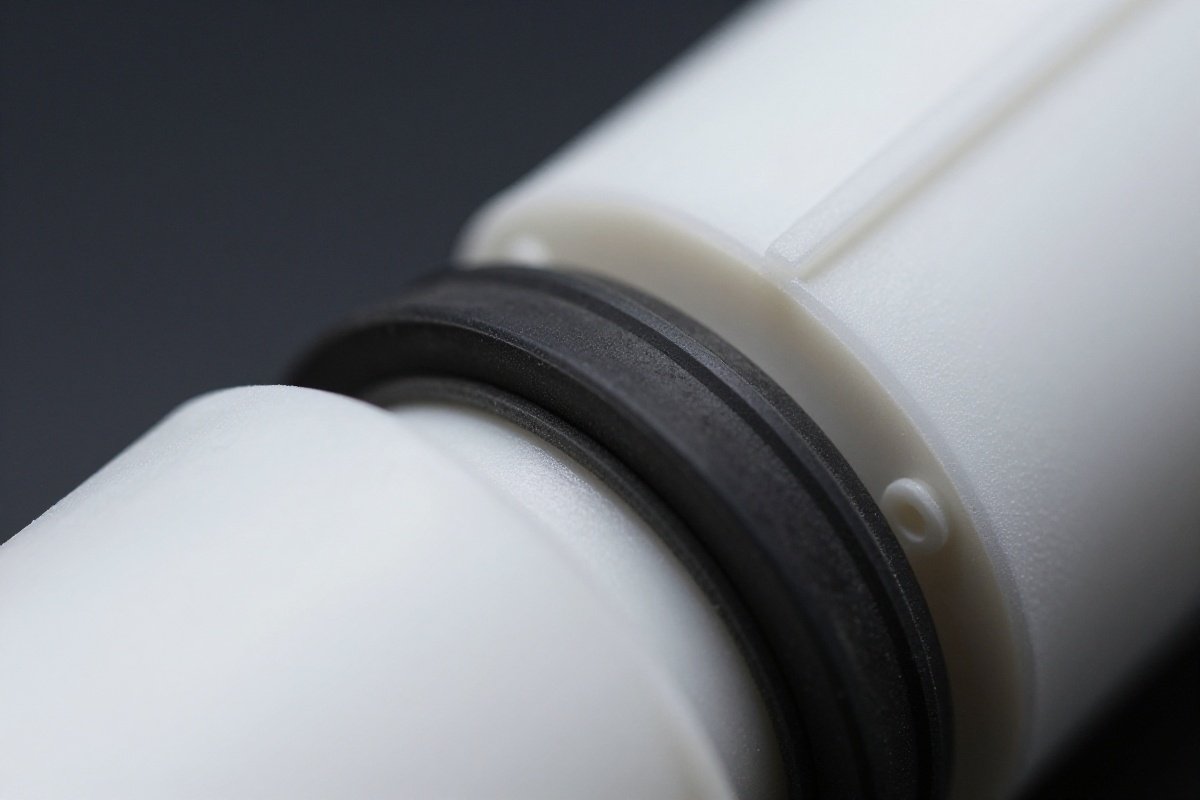
The Problem: Unsealed vacuums leak unfiltered air through:
- Gaps between dustbin and body
- Poorly fitting filters
- Housing seams
- Attachment connections
The Solution: Sealed systems use:
- Gaskets and seals at all joints
- Tight-fitting HEPA filters
- Quality construction preventing leaks
- Testing to verify air tightness
What to Look For:
- “Sealed system” or “complete seal” claims
- “Whole-machine filtration”
- Rubber gaskets visible at filter housing
- Testing to HEPA standards (not just HEPA-type filters)
Common HEPA Marketing Terms
| Term | Meaning | Recommendation |
|---|---|---|
| ”True HEPA” | Meets 99.97% standard | ✓ Look for this |
| ”HEPA-type” | Similar but not certified | ✗ Avoid |
| ”HEPA-like” | Marketing term, no standard | ✗ Avoid |
| ”Medical-grade HEPA” | Usually H13 or higher | ✓ Good if verified |
The Science Behind 0.3 Microns
You might wonder why HEPA standards focus on 0.3 microns specifically. This measurement represents the “most penetrating particle size” (MPPS) - particles that are hardest for filters to capture. Larger particles are caught by impaction (they’re too big to follow air currents around fibers), while smaller particles are captured by diffusion (their random movement causes them to hit filter fibers). Particles at 0.3 microns are small enough to follow air currents but large enough that diffusion doesn’t significantly affect their path, making them the most challenging to filter. If a filter captures 99.97% of these difficult particles, it will capture even more of larger and smaller particles.
HEPA Filter Maintenance and Replacement
HEPA filters require proper maintenance to maintain certification-level performance:
Washable vs. Replaceable:
- Some HEPA filters are washable, but washing typically reduces efficiency over time
- Replaceable filters maintain consistent performance until clogged
- Most manufacturers recommend replacement rather than washing
Replacement Frequency:
- Typically every 6-12 months depending on usage
- More frequently in homes with pets or high dust levels
- Check manufacturer specifications for exact intervals
Signs Your HEPA Filter Needs Replacement:
- Reduced suction power
- Musty odors during vacuuming
- Visible discoloration or damage
- Filter indicator light (on models equipped)
Understanding AAFA Certification
What AAFA Tests
The Asthma and Allergy Foundation of America (AAFA) certification program (administered by Allergy Standards Limited) evaluates the entire vacuum system, not just the filter.
AAFA Certification Requirements:
1. HEPA Filtration
- Must use True HEPA or better
- Filter must be properly sealed
2. Sealed System
- No allergen leakage
- Whole-machine containment
- Laboratory verified
3. Performance Testing
- Allergen removal efficiency
- Air quality impact
- Real-world effectiveness
4. Independent Verification
- Third-party laboratory testing
- Regular re-certification
- Ongoing quality monitoring
Current AAFA Certified Vacuums (2026)
Robot Vacuums:
- iRobot Roomba j7+ and s9+
- Certain Ecovacs models
Upright Vacuums:
- Select Dyson models
- Certain Miele models
Note: AAFA certification list changes periodically. Check asthmaandallergyfriendly.com for current certifications.
AAFA vs. HEPA: What’s the Difference?
| Feature | HEPA Only | AAFA Certified |
|---|---|---|
| Filter efficiency | 99.97% at 0.3 microns | Same requirement |
| System sealing | Not verified | Required, tested |
| Independent testing | Optional | Required |
| Whole-machine evaluation | No | Yes |
| Ongoing certification | No | Yes, re-tested |
| Assurance level | Good | Highest |
Bottom Line: AAFA certification includes HEPA requirements and adds system-level verification. For maximum allergy protection, choose AAFA certified when possible.
The AAFA Testing Process
Understanding what AAFA certification involves helps explain its value:
Initial Testing:
- Vacuum submitted to independent laboratory
- Tests conducted in controlled environment
- Multiple trials to ensure consistency
- Evaluation of every component that affects allergen containment
Ongoing Monitoring:
- Manufacturers must maintain production quality
- Random market sampling to verify consistency
- Annual review of certification status
- Immediate notification if product changes affect performance
What Gets Tested:
- Filter efficiency at various particle sizes
- System leakage at all potential escape points
- Dustbin sealing and emptying process
- Attachment connections and hose integrity
- Real-world allergen removal in simulated home environment
Understanding Allergy UK Certification
UK Standards
Allergy UK (British Allergy Foundation) operates a similar certification program for the UK market:
Testing Includes:
- Allergen removal effectiveness
- Filtration performance
- Impact on indoor air quality
- Suitability for sensitive individuals
Difference from AAFA:
- UK-based testing
- Slightly different standards
- Focus on UK allergen profiles
For UK consumers, Allergy UK certification provides equivalent assurance to AAFA in the US market.
The distinction between AAFA and Allergy UK primarily reflects regional differences in common allergens. UK testing accounts for mold spores more prevalent in British climates, while AAFA testing emphasizes dust mites and pollen more common in various US climates. Both certifications require similar levels of filtration efficiency and system sealing.
Understanding ASTM Testing Standards
Technical Standards for Vacuum Testing
ASTM International publishes technical standards that manufacturers and testing labs use:
Key ASTM Standards:
ASTM F558: Air Performance
- Measures suction and airflow
- Tests at various opening sizes
- Provides CFM (cubic feet per minute) ratings
ASTM F608: Soil Removal
- Standardized soil removal testing
- Used by CRI and manufacturers
- Enables comparison between models
ASTM F1977: Filtration Testing
- Measures filtration efficiency
- Tests particle capture at various sizes
- Basis for HEPA testing
ASTM F2607: Sound Testing
- Standardized noise measurement
- Enables decibel comparison
- Tests at standardized distances
Why ASTM Standards Matter
While consumers don’t typically see “ASTM certified” labels, these standards:
- Ensure consistent testing across brands
- Enable meaningful performance comparisons
- Form basis for other certification programs
- Provide technical specifications
When a vacuum lists “tested to ASTM standards,” it indicates third-party verification of performance claims.
Other Important Testing and Ratings
Consumer Reports Testing
Consumer Reports conducts independent vacuum testing evaluating:
- Carpet cleaning (embedded pet hair, surface debris)
- Bare floors (scattering, pickup)
- Edges and corners
- Noise levels
- Emissions (for allergies)
- Handling and convenience
Consumer Reports Ratings:
- Published in monthly magazine and online
- Subscription required for detailed ratings
- No manufacturer influence or advertising
- Comprehensive and trusted by consumers
ENERGY STAR Certification
While not specific to vacuums, some vacuum manufacturers participate in energy efficiency programs. ENERGY STAR certified vacuums meet strict energy consumption standards.
Note: Currently, few vacuums carry ENERGY STAR certification as the program focuses more on major appliances.
European Union Energy Labels
In Europe, vacuum cleaners sold must display energy labels showing:
- Annual energy consumption
- Dust re-emission class (filtration)
- Noise level in decibels
- Cleaning performance on carpet and hard floors
These labels help European consumers make informed comparisons, though the rating system has limitations - it doesn’t account for real-world cleaning time or effectiveness on challenging soils.
Certified Vacuums We Recommend (2026)
Based on certifications, performance, and value, here are our top certified vacuum recommendations:
Best CRI Gold Certified: Miele Complete C3 Marin
Certifications: CRI Gold, includes HEPA
Why It Wins: The C3 Marin achieves CRI Gold certification while also providing exceptional filtration. The 1200W Vortex motor provides powerful suction that removes 95%+ of embedded soil while the sealed AirClean system captures allergens.
Key Features:
- CRI Gold Seal of Approval
- HEPA AirClean filter included
- 6-stage suction control
- 36-foot operating radius
- 7-year motor warranty
Best For: Homes with significant wall-to-wall carpeting wanting certified carpet care.
Price: Premium
Best HEPA Cordless: Dyson V15 Detect
Certifications: Whole-machine HEPA filtration
Why It Wins: The V15 Detect doesn’t just have a HEPA filter - it has a fully sealed system with HEPA filtration at the exhaust. The laser dust detection ensures you see what you’re removing.
Key Features:
- Whole-machine HEPA filtration
- Laser dust detection
- Piezo sensor counts particles
- 60-minute runtime
- LCD performance screen
Best For: Allergy sufferers wanting cordless convenience with certified filtration.
Price: Premium
Best AAFA Certified Robot: iRobot Roomba j7+
Certifications: AAFA asthma & allergy friendly
Why It Wins: The j7+ is one of the few robot vacuums to achieve AAFA certification, meaning the entire system - not just the filter - meets strict allergen containment standards.
Key Features:
- AAFA certified
- High-efficiency filter
- 60-day self-emptying
- Smart mapping
- AI obstacle avoidance
Best For: Allergy sufferers wanting automated cleaning with certified allergen control.
Price: Mid-range
Best Value HEPA: Shark Vertex Pro
Certifications: Anti-Allergen Complete Seal + HEPA
Why It Wins: The Vertex Pro provides HEPA filtration with Shark’s Complete Seal technology at a mid-range price, making certified filtration accessible.
Key Features:
- Anti-Allergen Complete Seal
- HEPA filter included
- DuoClean PowerFins
- Converts to handheld
- 60-minute runtime
Best For: Budget-conscious buyers wanting HEPA without premium pricing.
Price: Mid-range
Which Certifications Should You Prioritize?
Decision Framework:
If You Have Allergies or Asthma:
- AAFA certification (highest assurance)
- True HEPA + sealed system
- Allergy UK (UK residents)
If You Have Mostly Carpet:
- CRI Gold or Silver
- True HEPA (for dust containment)
- Carpet protection features
If You Have Pets:
- HEPA filtration (pet dander)
- CRI certification (hair removal)
- Sealed system
If You Want General Quality:
- Any reputable certification (indicates testing)
- Consumer Reports ratings
- Brand reputation
If You’re on a Budget:
- Focus on sealed HEPA systems
- Brand reputation over certification
- Customer reviews
Certification Cost-Benefit Analysis
Different certifications provide different value depending on your situation:
High Value Situations:
- HEPA/AAFA for households with diagnosed allergies or asthma
- CRI for homes with expensive carpeting throughout
- HEPA for pet owners with shedding breeds
Lower Value Situations:
- CRI certification for primarily hard-floor homes
- AAFA certification if no respiratory sensitivities exist
- Premium certifications on rarely-used second vacuums
When to Skip Certifications:
- Tight budget prioritizes functionality over validation
- Buying from premium brands with strong reputations (Miele, Dyson, Sebo)
- Short-term use or temporary housing situations
Common Certification Myths Debunked
Myth: All HEPA Filters Are Equal
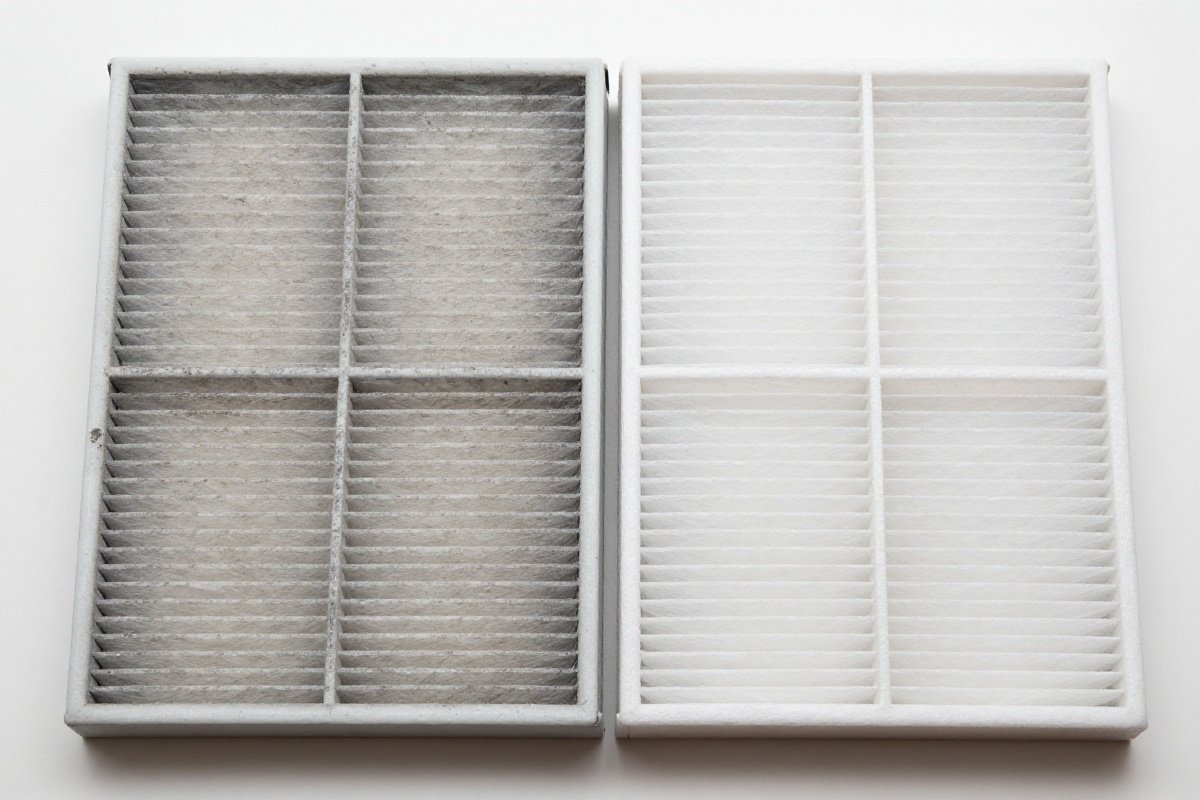
Reality: HEPA filters vary significantly in quality, surface area, and longevity. Some HEPA filters meet the 99.97% standard when new but degrade quickly. Premium HEPA filters from brands like Miele maintain efficiency longer and have larger surface areas that don’t clog as quickly.
Myth: More Certifications Mean Better Performance
Reality: Certifications validate specific attributes, not overall quality. A vacuum with multiple certifications might excel in tested areas but underperform in ease of use, durability, or features. Prioritize certifications matching your needs rather than collecting the most badges.
Myth: Certified Vacuums Cost More
Reality: While some certified vacuums are premium-priced, certification itself doesn’t necessarily increase cost. The Shark Vertex Pro achieves HEPA and sealed system performance at mid-range pricing. Higher prices typically reflect overall build quality, motor power, and brand positioning rather than just certification.
Myth: Certifications Guarantee Long-Term Performance
Reality: Certifications test new vacuums under ideal conditions. Long-term performance depends on maintenance, filter replacement, and build quality. A certified vacuum with poor durability may underperform an uncertified model after a year of use.
Further Reading
- Vacuum Buying Guide 2026: How to Choose the Best Vacuum Cleaner
- Best Vacuum Cleaner Brands in 2026: Complete Buyer’s Guide by Price & Specialty
- Should You Buy a Refurbished Vacuum? [2026 Buyer’s Guide]
Maintaining Certified Performance
Filter Replacement Schedules
To maintain certification-level performance:
HEPA Filters:
- Replace every 6-12 months with genuine parts
- More frequently in high-dust or pet-owning households
- Never attempt to “clean” non-washable HEPA filters
Pre-Filters:
- Check monthly and replace every 3-6 months
- These protect the HEPA filter from premature clogging
- Often washable - follow manufacturer instructions
Exhaust Filters:
- Replace according to manufacturer schedule
- Critical for maintaining sealed system integrity
- Often overlooked but essential for certified performance
System Maintenance
Beyond filters, maintain certified performance through:
Regular Cleaning:
- Empty dustbins before they reach full capacity
- Clean brush rolls monthly to prevent clogs
- Wipe seals and gaskets to maintain air-tight integrity
Inspection:
- Check hoses for cracks or holes
- Verify all connections are secure
- Replace damaged seals immediately
Professional Service:
- Some manufacturers recommend annual professional servicing
- Particularly important for maintaining CRI Gold certification level performance
- Check belts, bearings, and motor performance
Recommended Products
Miele Complete C3 Marin Canister Vacuum
CRI Gold certifiedBest CRI Gold certified vacuum with exceptional filtration.
What We Like
- 1200W Vortex motor with 6 speed settings for optimal suction control across surfaces
- AirClean Sealed System with HEPA filter traps 99.95% of particles down to 0.1 microns
- Exceptionally quiet operation at 64 dB - among the quietest canister vacuums available
- 36-foot operating radius covers large rooms without unplugging
What We Don't
- Requires bags which add ongoing maintenance cost (~$5 per bag)
- Premium pricing at top of market segment
- No motorized brush roll included - must purchase SEB 228 or SEB 236 separately
Dyson V15 Detect
HEPA certifiedBest cordless with true HEPA filtration and sealed system.
What We Like
- Laser reveals microscopic dust on hard floors
- Piezo sensor counts particles and displays in real-time
- Anti-tangle Motorbar cleaner head prevents hair wrap
- Powerful 240 AW suction with auto-adjusting power
What We Don't
- 60-minute runtime only in Eco mode (8 min in Boost)
- Small 0.2-gallon dustbin requires frequent emptying
- Premium price point
- 4.5-hour charging time is lengthy
Shark Vertex Pro Cordless Upright Vacuum
Best value HEPABest value HEPA vacuum with sealed system.
What We Like
- Cordless convenience with 60-minute runtime
- DuoClean PowerFins technology for deep cleaning on carpets and hard floors
- Converts to handheld for versatile cleaning
- Self-cleaning brushroll removes hair wrap automatically
What We Don't
- Battery requires eventual replacement
- Smaller 0.4-quart dustbin capacity requires frequent emptying
- Heavier than some cordless competitors at 8.8 lbs
iRobot Roomba j7+ Self-Emptying Robot Vacuum
AAFA certifiedBest certified robot vacuum for allergy sufferers.
What We Like
- PrecisionVision AI obstacle avoidance (avoids pet waste)
- 60-day capacity self-emptying Clean Base
- Smart mapping with room-specific cleaning schedules
- Pet Owner Official Promise (P.O.O.P.)
What We Don't
- Premium price point
- No mopping capability
- Camera-based navigation requires adequate lighting
Sources & Research
Continue Reading
Explore more buying guides content or browse our other categories.
Frequently Asked Questions
- What is CRI certification for vacuums?
- CRI (Carpet and Rug Institute) certification is a testing program that evaluates vacuum cleaners on three key criteria: soil removal, dust containment, and carpet appearance retention. The CRI Seal of Approval program has three levels - Bronze, Silver, and Gold - with Gold being the highest standard. To achieve CRI certification, vacuums must: remove a high percentage of soil from carpet, release minimal dust particles back into the air (less than 100 micrograms per cubic meter), and not damage carpet fibers during cleaning. CRI certification is most important for households with wall-to-wall carpeting who want assurance their vacuum cleans effectively without damaging carpet or releasing allergens.
- What does HEPA certification mean in a vacuum?
- HEPA (High Efficiency Particulate Air) certification means a vacuum's filtration system captures at least 99.97% of particles 0.3 microns in size - the most penetrating particle size. True HEPA filters trap dust mites, pollen, pet dander, mold spores, and even some bacteria. However, HEPA certification alone isn't enough; the vacuum must also have a sealed system that prevents air leakage around the filter. Without a sealed system, unfiltered air escapes through gaps, making the HEPA filter ineffective. Look for vacuums advertising both 'True HEPA' and 'sealed system' or 'complete seal' technology. HEPA certification is essential for allergy and asthma sufferers, pet owners, and anyone wanting improved indoor air quality.
- Is AAFA certification better than HEPA?
- AAFA (Asthma and Allergy Foundation of America) certification is different from, not necessarily better than, HEPA certification. AAFA certification evaluates the entire vacuum system, not just the filter. To earn AAFA certification, vacuums must: use HEPA filtration, have a sealed system preventing allergen escape, undergo independent laboratory testing, and meet strict standards for allergen removal. While HEPA refers specifically to filter efficiency, AAFA certification confirms the entire vacuum is suitable for asthma and allergy sufferers. For maximum allergy protection, look for vacuums with both HEPA filtration and AAFA certification - like the iRobot Roomba j7+ or certain Miele models. AAFA certification provides additional assurance beyond just having a HEPA filter.
- Do vacuum certifications really matter?
- Vacuum certifications matter depending on your specific needs. Certifications provide independent verification of manufacturer claims and ensure testing to consistent standards. CRI certification matters most for carpet owners wanting effective soil removal without damage. HEPA certification is essential for allergy and asthma sufferers. AAFA certification provides the highest assurance for respiratory health. However, some excellent vacuums lack certifications due to the cost and time of testing - not because they perform poorly. For general use without specific health concerns, certifications are nice-to-have rather than essential. For households with allergies, asthma, or significant carpet investment, certifications provide valuable assurance that the vacuum will perform as claimed and protect your health and flooring investment.
- Which vacuum certification should I prioritize?
- Prioritize vacuum certifications based on your primary needs: (1) For allergies or asthma - prioritize AAFA certification (includes HEPA) or at minimum True HEPA with sealed system; (2) For mostly carpeted homes - prioritize CRI Gold or Silver certification for soil removal and carpet protection; (3) For pet owners - look for HEPA filtration and sealed systems, AAFA certification ideal; (4) For general use - certifications are less critical, focus on performance and reliability; (5) For hard floors - CRI certification less relevant, prioritize suction power and soft wheels. If you have multiple needs (allergies + carpet), look for vacuums with both CRI and HEPA/AAFA certifications, such as Miele Complete C3 series or certain Sebo models.
Written By
Home Vacuum Zone
Our team researches, tests, and reviews vacuum cleaners to help you make confident buying decisions.
Related Articles
Vacuum Noise Level Comparison: Decibel Ratings for 60+ Models (2026 Database)
Comprehensive vacuum noise level database with decibel ratings for 60+ models across every vacuum type. Find the quietest vacuums and understand what dB ratings actually mean.
Vacuum Suction Power Chart: AW, Pa & kPa Ratings Compared (2026 Database)
Comprehensive vacuum suction power database with air watts, pascals, and kPa ratings compared across every vacuum type. Find how much suction you actually need.
Bagged vs Bagless Vacuums: Which Type Is Actually Better?
Bagged and bagless vacuums each have distinct advantages for different households. We compare cost, filtration, allergen control, maintenance, and convenience to help you choose the right type.