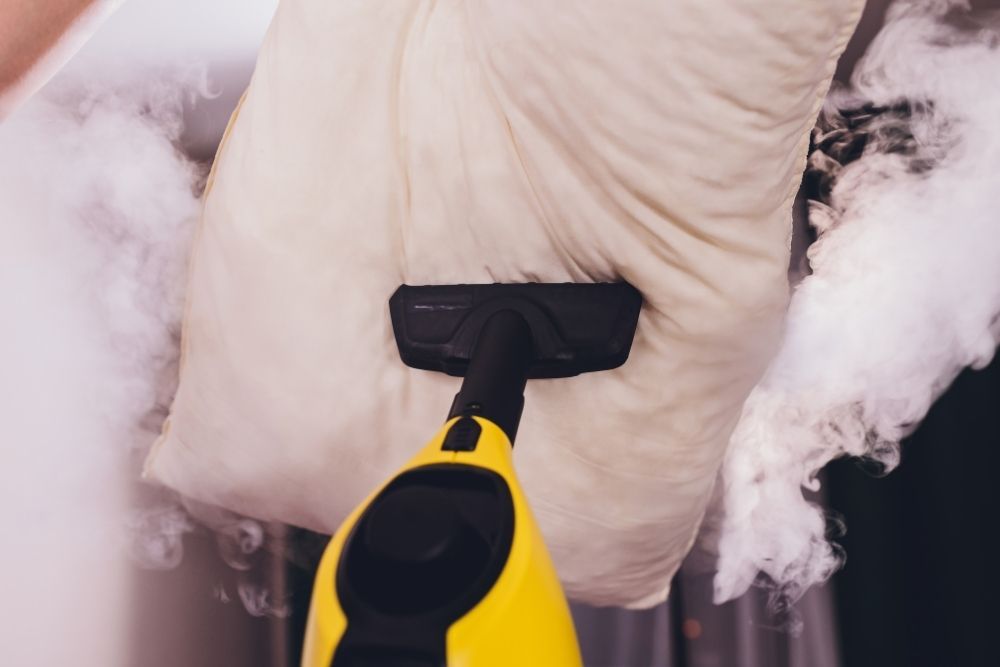
Affiliate Disclosure:Home Vacuum Zone is reader-supported. When you buy through links on our site, we may earn an affiliate commission at no additional cost to you. This does not influence our reviews or recommendations — we only recommend products we genuinely believe in.
IMPORTANT SAFETY NOTICE: Steam cleaning is a supplemental treatment method for bed bugs. According to EPA guidelines, steam alone rarely eliminates infestations. Always consult a licensed pest control professional for comprehensive bed bug treatment. This guide is for informational purposes and should not replace professional pest management advice.
Bed bugs are one of the most challenging household pests to eliminate - even harder to tackle than dust mites. While professional pest control is the gold standard, steam cleaning can be an effective supplemental treatment when used correctly and safely.
This guide explains how steam kills bed bugs, which steam cleaners work best, and - most importantly - how to use them safely as part of an integrated pest management approach. For a broader overview of steam cleaner types and features, our home steam cleaners guide is a good starting point.
Critical Safety Information
What Steam Can and Cannot Do
Steam CAN:
- Kill bed bugs and eggs on direct contact
- Treat mattresses, box springs, and furniture
- Reduce populations as part of integrated treatment
- Sanitize surfaces while treating
Steam CANNOT:
- Eliminate an infestation alone
- Reach bugs inside walls or deep hiding spots
- Provide residual protection
- Replace professional pest control
When to Call a Professional
Contact a licensed pest control operator immediately if:
- You see multiple bugs or signs of infestation
- Bites are occurring nightly
- Bugs are found in multiple rooms
- You’ve attempted DIY treatment without success
- You live in an apartment building (infestations spread between units)
Professional treatment is strongly recommended for all but the earliest-stage infestations.
How Steam Kills Bed Bugs
The Science of Heat Treatment
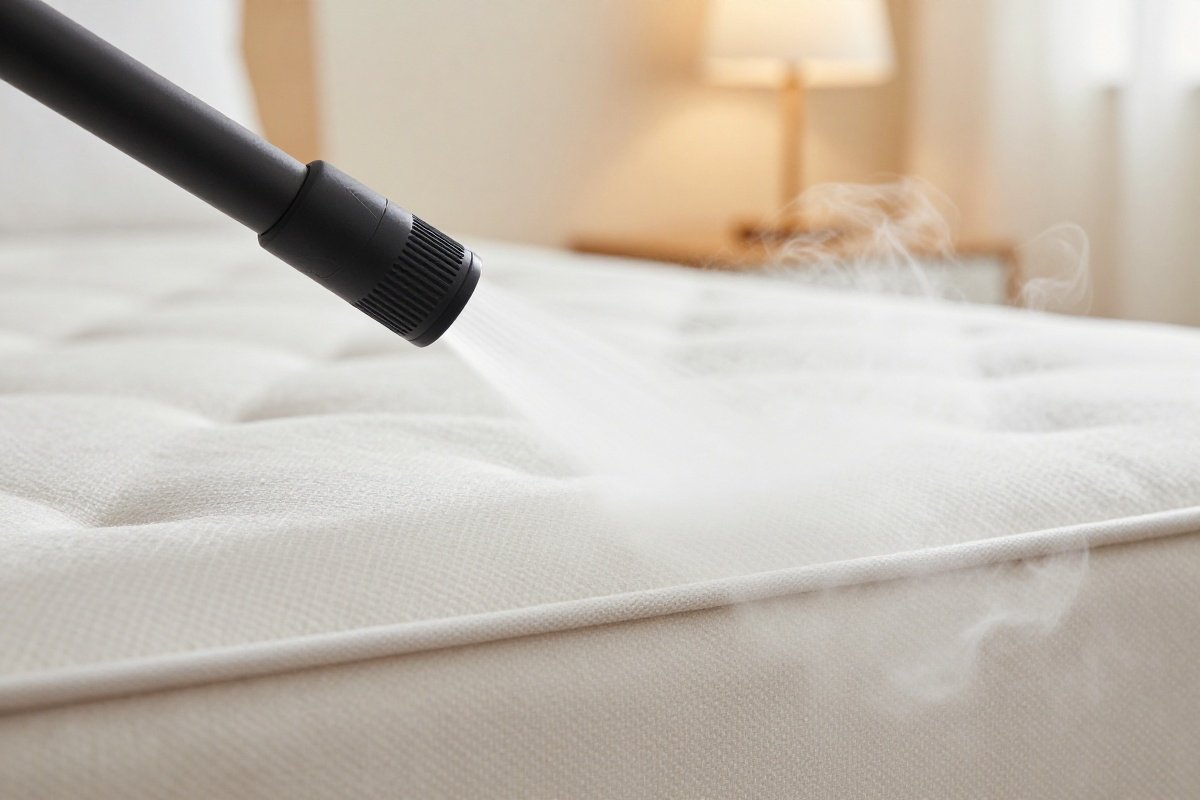
Bed bugs die at specific temperatures:
| Temperature | Exposure Time | Effect |
|---|---|---|
| 118°F (48°C) | 90 minutes | Lethal with continuous exposure |
| 122°F (50°C) | 60 minutes | Standard heat treatment minimum |
| 160°F (71°C) | Seconds | Instant kill of adults and eggs |
| 180°F (82°C) | Immediate | Commercial steam standard |
Steam cleaners produce temperatures of 200-300°F at the nozzle, providing immediate kill on contact.
Why Temperature Matters
Bed bugs have developed resistance to many chemical pesticides, but they cannot develop resistance to heat. Physical destruction of cell proteins occurs at lethal temperatures regardless of bug genetics.
Important: Steam must make direct contact. The temperature drops rapidly with distance, so proper technique is essential.
Understanding Heat Penetration
The effectiveness of steam treatment depends not just on temperature, but on heat penetration depth. Steam must reach bugs hiding beneath fabric surfaces, inside mattress seams, and within furniture joints. The combination of temperature and moisture allows heat to penetrate porous materials more effectively than dry heat alone.
Research from university extension services shows that steam can penetrate fabric to a depth of approximately 3/4 inch when applied correctly. This makes it particularly effective for mattress surfaces and upholstery where bed bugs commonly hide. However, deeper hiding spots - such as those within box spring structures or inside furniture frames - may require multiple applications from different angles to ensure complete coverage.
Choosing a Steam Cleaner for Bed Bugs
Essential Features
1. Temperature Output
- Minimum: 200°F at the nozzle
- Ideal: 250°F+ for better penetration
- Verify with manufacturer specifications
2. Pressure and Flow
- Pressure: 40-60 PSI for controlled application
- Flow rate: Moderate (too much water causes damage, too little reduces effectiveness)
- Adjustable settings preferred
3. Tank Capacity
- Minimum: 30 oz for continuous treatment
- Ideal: 50+ oz for room-scale treatment
- Consider refill time vs. tank size
4. Attachments
- Fabric nozzle (for mattresses/upholstery)
- Crevice tool (for seams and cracks)
- Floor tool (for carpets - use with caution)
- Extension wands (for reach)
Features to Avoid
- Steam mops: Temperature often too low, poor control
- Garment steamers: Insufficient heat and pressure
- Pressure washers: Too much force, can spread bugs
- Chemical injection: Unnecessary and potentially hazardous
Continuous vs. On-Demand Steam
Steam cleaners come in two main types: continuous fill and on-demand. Continuous fill models allow you to add water during operation, extending treatment sessions indefinitely. On-demand models require cooling before refilling, which can interrupt treatment workflow. For bed bug treatment, continuous fill models offer significant advantages for treating entire bedrooms without stopping, though they typically cost more.
Recommended Steam Cleaners for Bed Bugs
Best Overall: Dupray Neat Steam Cleaner
Value Tier: Premium
Temperature: Up to 275°F
Tank Capacity: 54 oz
Runtime: 50 minutes
Pressure: 50 PSI
Why It’s Best: The Dupray Neat provides professional-grade heat output sufficient for instant bed bug kill. The large tank allows extended treatment sessions, and the included fabric attachment protects mattresses while delivering lethal temperatures.
Key Features:
- Hospital-grade steam generation
- Multiple attachments including fabric nozzle
- Long runtime for comprehensive treatment
- Durable construction
Best For: Homeowners committed to thorough supplemental treatment
Limitations:
- Higher price point
- 7-minute heat-up time
- Requires careful handling (professional-grade heat)
Best Value: McCulloch MC1375 Canister Steam Cleaner
Value Tier: Mid-Range
Temperature: Up to 200°F
Tank Capacity: 48 oz
Runtime: 90 minutes
Pressure: 43 PSI
Why It’s Best: The MC1375 offers the best balance of price, performance, and runtime. While the maximum temperature is lower than the Dupray, 200°F is sufficient for bed bug elimination with proper technique.
Key Features:
- Exceptional 90-minute runtime
- 20 accessories including detailed cleaning tools
- Large wheels for mobility
- Affordable price point
Best For: Budget-conscious homeowners wanting effective supplemental treatment
Limitations:
- Lower maximum temperature requires slower application
- Large size (less portable)
- Longer heat-up time (12 minutes)
Best Portable: PurSteam Handheld Steam Cleaner
Value Tier: Budget-Friendly
Temperature: Up to 250°F
Tank Capacity: 8 oz
Runtime: 10-12 minutes
Pressure: Not specified (handheld)
Why It’s Best: For treating isolated items (luggage after travel, small furniture) or as part of a comprehensive treatment plan, this handheld unit provides sufficient heat in a portable package.
Key Features:
- Fast 3-minute heat-up
- Lightweight and portable
- Affordable entry point
- Good for spot treatment
Best For: Travel treatment, small-scale spot treatment, supplemental use
Limitations:
- Very small tank requires frequent refilling
- Short runtime
- Not suitable for room-scale treatment
How to Use Steam Treatment Effectively
Preparation Steps
1. Declutter
- Remove items from treatment area
- Bag and isolate infested items
- Clear access to all treatment surfaces
2. Vacuum Thoroughly
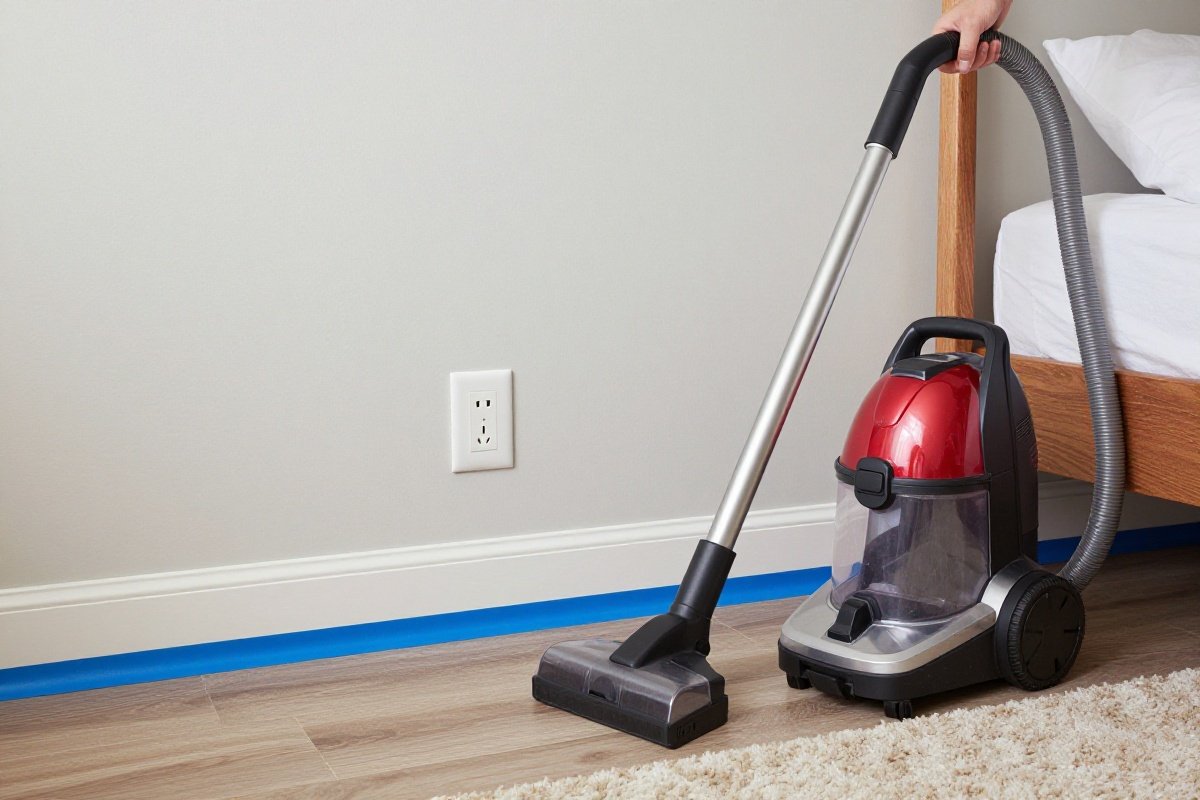
- Vacuum mattress, box spring, bed frame - a vacuum with HEPA filtration is ideal for containing allergens
- Dispose of vacuum bag immediately
- Steam works best on clean surfaces
3. Gather Equipment
- Steam cleaner with appropriate attachments
- Infrared thermometer
- Protective gloves
- Fans for ventilation
- Mattress encasements (for post-treatment)
Creating a Treatment Plan
Before beginning steam treatment, develop a systematic plan to ensure no areas are missed. Start with the bed itself, then move outward to surrounding furniture. Document your treatment areas to track which surfaces have been addressed and identify any spots that may need retreatment.
Consider the life cycle of bed bugs when planning treatment frequency. Eggs take approximately 6-10 days to hatch, so a single treatment may miss newly hatched nymphs from eggs that were protected during initial treatment. Plan for follow-up treatments at 7-10 day intervals to catch newly hatched bugs before they mature and reproduce.
Treatment Technique
Step-by-Step Process:
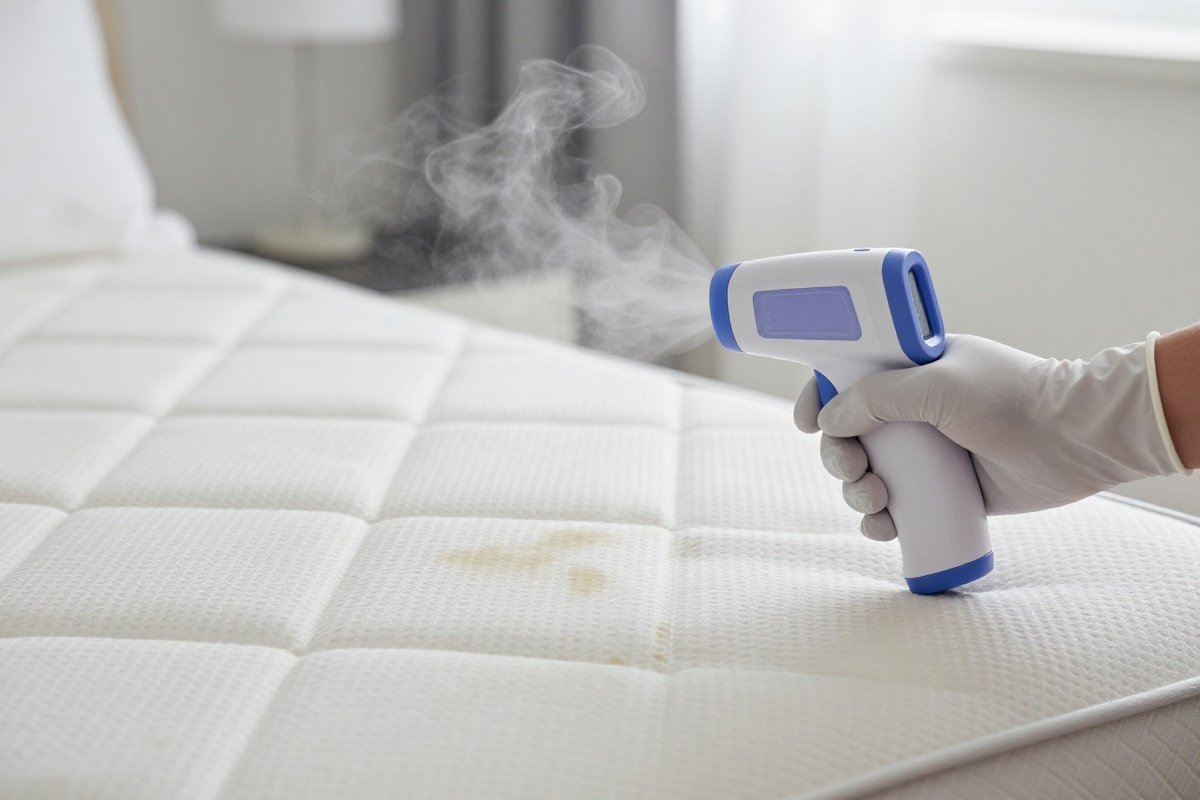
- Heat Up: Allow steam cleaner to reach full temperature
- Test: Verify surface temperature reaches 160°F with infrared thermometer
- Mattress Treatment:
- Use fabric attachment
- Move slowly: 1 inch per second
- Cover all surfaces including sides and seams
- Pay special attention to tufts and tags
- Box Spring Treatment:
- Focus on corners and joints
- Treat both fabric and wood surfaces
- Steam can damage fabric - test inconspicuous area first
- Bed Frame:
- Treat all cracks, crevices, and joints
- Include headboard attachment points
- Furniture:
- Treat seams, cushions, and frames
- Use crevice tool for tight spaces
Critical Technique Points:
- Slow movement: 1 inch per second ensures heat penetration
- Close contact: Keep nozzle 1-2 inches from surface
- Overlap passes: 50% overlap ensures no missed areas
- Multiple angles: Treat from multiple directions for cracks
Advanced Treatment Areas
Beyond the obvious surfaces, bed bugs hide in numerous overlooked locations. Baseboards, electrical outlet covers (steam only the exposed plastic, never inside), picture frames, curtain hems, and carpet edges all provide harborage. After treatment, deep cleaning the carpet helps remove any remaining debris. Use the crevice tool to direct steam into these tight spaces, but maintain the slow movement speed to ensure adequate heat transfer.
For upholstered furniture, flip cushions and treat all sides. Remove fabric dust covers from the underside of furniture to access the interior frame and springs. Bed bugs commonly hide in the recesses where fabric is stapled to wooden frames - these areas require careful attention with focused steam application.
Post-Treatment Steps
1. Drying Time
- Allow 4-6 hours for complete drying
- Use fans to accelerate drying
- Never cover damp surfaces (risk of mold)
2. Encasement Installation
- Once completely dry, install mattress encasements
- Trap any surviving bugs inside to starve
- Leave encasements on for at least 18 months
3. Monitoring
- Inspect treated areas daily for 2 weeks
- Look for live bugs, eggs, or fecal spots
- Repeat treatment if bugs persist
Safety Precautions
Personal Safety
- Wear protective clothing: Long sleeves, long pants, closed shoes
- Use heat-resistant gloves: Steam causes severe burns
- Eye protection: Prevent splash-back
- Ventilation: Open windows, use fans
Property Safety
DO NOT Steam:
- Electrical outlets or switches
- Appliances or electronics
- Delicate fabrics (silk, vintage)
- Wax-coated surfaces
- Unsealed wood
- Areas with exposed wiring
Use Caution With:
- Laminate furniture (can delaminate)
- Adhesives (can soften)
- Wall paint (can bubble)
- Window seals (can warp)
Electrical Safety
- Keep steam away from outlets
- Unplug nearby electronics
- Don’t overfill steam cleaner
- Check cords for damage before use
Moisture Management
Excessive moisture from steam treatment can create secondary problems including mold growth and material damage. Always test steam output on an inconspicuous area before treating entire surfaces. If surfaces remain wet rather than damp after steaming, reduce your application speed or increase the distance between the nozzle and surface. Proper ventilation during and after treatment accelerates drying and prevents moisture-related issues.
Integrating Steam into Professional Treatment
Working with Pest Control Professionals
Inform Your Exterminator:
- That you’ve used or plan to use steam treatment
- Which items you’ve treated
- When treatment occurred
Professional Coordination:
- Some PCOs provide steam treatment as part of service
- Steam may be used between chemical treatments
- Heat treatment professionals use commercial equipment (whole-room heating)
Steam as Part of IPM
Integrated Pest Management for bed bugs includes:
- Professional inspection and treatment
- Steam treatment (supplemental for visible bugs)
- Mattress encasements (trap bugs, prevent harborage)
- High-heat laundry (wash/dry bedding at 140°F+)
- Decluttering (reduce harborage)
- Monitoring (bed bug interceptors, regular inspection)
Cost Comparison: DIY vs. Professional
| Approach | Relative Cost | Effectiveness | Recommendation |
|---|---|---|---|
| DIY Steam Only | Low | Low | Not recommended |
| DIY Steam + Chemicals | Moderate | Moderate | Limited situations |
| Professional Treatment | High | High | Recommended |
| Heat Treatment (Professional) | Very High | Very High | Best option |
Bottom Line: Steam cleaners are cost-effective supplemental tools but cannot replace professional treatment for established infestations.
Further Reading
- Best Commercial Vacuum Cleaners for Restaurants (2026 Guide)
- Robot Vacuum vs Stick Vacuum: Which Is Best for Your Home? (2026 Guide)
- How to Vacuum Hardwood Floors Without Scratches (+ 7 Best Vacuums for 2026)
When Steam Treatment Makes Sense
Appropriate Uses
✓ Early detection: 1-5 bugs found, localized ✓ Supplemental treatment: Between professional visits ✓ Isolated items: Luggage, single piece of furniture ✓ Prevention: After travel or potential exposure ✓ Post-treatment: Monitoring and spot treatment
Inappropriate Uses
✗ Sole treatment method: Will not eliminate infestation ✗ Large infestations: Multiple rooms, nightly bites ✗ Apartment buildings: Requires building-wide approach ✗ Electrical areas: Safety hazard
Recommended Products
Dupray Neat Steam Cleaner
Best overallThe Dupray Neat reaches 275 degrees F with 50 PSI steam pressure, hot enough to kill bed bugs, dust mites, and 99.9% of bacteria without any chemicals. Best for homeowners dealing with pest infestations or chemical sensitivities who need a professional-grade steam cleaner with 50 minutes of runtime and 18 accessories.
What We Like
- 275°F max temperature provides effective sanitization
- 50 minute runtime from large 54 oz tank
- No chemicals needed - uses only water
- Includes 18 versatile accessories for various surfaces
- Compact and portable design
What We Don't
- Premium price point
- 8 minute heat-up time before use
- Shorter cord compared to some competitors
McCulloch MC1375 Canister Steam Cleaner
Best valueThe McCulloch MC1375 offers class-leading 90-minute runtime from its 48 oz tank with 58 PSI steam pressure and 20 included accessories for whole-home chemical-free cleaning. Best for homeowners who need extended steam sessions for large kitchens, bathrooms, and tile floors without frequent refills.
What We Like
- 90-minute continuous steam runtime
- 20 versatile accessories included
- Chemical-free cleaning with high-temperature steam
- Good value for feature set
What We Don't
- Lower steam temperature than premium models
- Larger canister design less portable than handheld units
- 10-12 minute heat-up time required
PurSteam Handheld Steam Cleaner
Best portableThe PurSteam Handheld delivers 43 PSI of steam pressure in a 2.5 lb package with 9 accessories, heating up in just 3-4 minutes for quick spot cleaning tasks. Best for travelers and apartment dwellers who need a compact, affordable steam cleaner for small upholstery stains, kitchen surfaces, and bathroom fixtures.
What We Like
- Highly portable and lightweight
- Fast 3-4 minute heat-up time
- Affordable price point
- Easy to use for quick cleaning tasks
- Includes multiple accessories
What We Don't
- Small 9 oz water tank limits cleaning sessions
- Short 8-10 minute runtime requires frequent refills
- Not suitable for large cleaning jobs
Sources & Research
Continue Reading
Explore more steam cleaners content or browse our other categories.
Frequently Asked Questions
- Does steam cleaning kill bed bugs?
- Yes, steam cleaning kills bed bugs when applied correctly at temperatures above 160°F (71°C). Bed bugs and their eggs die within seconds of exposure to temperatures between 160-180°F. However, steam treatment alone is rarely sufficient to eliminate an entire infestation because it only kills bugs and eggs in direct contact with the steam. Hidden bugs in wall voids, electrical outlets, and deep furniture crevices may survive. According to EPA guidelines, steam treatment should be used as a supplemental method alongside professional pest control, mattress encasements, and integrated pest management (IPM) approaches. Steam is most effective for treating mattresses, box springs, bed frames, and upholstered furniture where bugs are visible.
- What temperature kills bed bugs instantly?
- Bed bugs die at temperatures above 118°F (48°C) when exposed continuously, but for instant kill, temperatures of 160-180°F (71-82°C) are required. At 160°F, bed bugs and their eggs die within seconds. Most quality steam cleaners produce steam at 200-300°F at the nozzle, which is more than sufficient to kill bed bugs on contact. However, the steam temperature drops rapidly as it travels through the air, so direct contact with the surface being treated is essential. The surface temperature must reach at least 160°F to ensure kill. Use an infrared thermometer to verify surface temperatures during treatment. Higher temperatures also penetrate fabric better, reaching bugs hiding deeper in mattresses and upholstery.
- Can I get rid of bed bugs with a steam cleaner alone?
- No, you cannot reliably eliminate a bed bug infestation using only a steam cleaner. While steam kills bed bugs and eggs on contact, it has significant limitations: (1) Steam cannot reach bugs hiding inside walls, electrical outlets, or deep in furniture; (2) Missed areas provide safe harbors for surviving populations to rebound; (3) Steam provides no residual protection against reinfestation; (4) Large infestations require comprehensive treatment of entire rooms. According to EPA and university extension services, successful bed bug elimination requires an integrated approach: professional pest control treatment, mattress encasements, decluttering, washing/drying bedding at high heat, and potentially chemical treatments. Steam is an excellent supplemental tool for treating mattresses, furniture, and visible bugs, but should never be the sole treatment method.
- How do I use a steam cleaner for bed bugs safely?
- To use a steam cleaner safely for bed bug treatment: (1) Read the EPA guidelines and consider consulting a professional exterminator first; (2) Use a steam cleaner capable of at least 200°F output temperature; (3) Attach a fabric-friendly nozzle to prevent damage; (4) Move the steam head slowly (1 inch per second) for thorough heat penetration; (5) Keep the nozzle 1-2 inches from the surface; (6) Use an infrared thermometer to verify surface reaches 160°F; (7) Treat mattresses, box springs, bed frames, headboards, and upholstered furniture; (8) Allow surfaces to dry completely (4-6 hours) before covering with encasements; (9) Never steam electrical outlets, appliances, or areas with wiring; (10) Wear protective clothing and ensure good ventilation. Steam can cause burns - follow all manufacturer safety guidelines. Coordinate with a pest control professional for comprehensive treatment.
- Should I hire a professional or use DIY steam treatment?
- For most bed bug infestations, professional pest control is strongly recommended over DIY steam treatment alone. Professionals have: (1) Access to commercial-grade heat treatment systems that raise entire room temperatures to lethal levels; (2) Knowledge of bed bug behavior and hiding spots; (3) Experience with integrated pest management (IPM) approaches; (4) Access to EPA-registered insecticides when appropriate; (5) Follow-up monitoring to ensure elimination. DIY steam treatment may be appropriate for: very early detection (1-5 bugs), isolated items (luggage after travel), or as supplemental treatment between professional visits. However, bed bugs are extremely difficult to eliminate and reproduce quickly - professional treatment provides the best chance of success. According to EPA guidelines, DIY approaches should be limited to early intervention or as part of a professional treatment plan.
Written By
Home Vacuum Zone
Our team researches, tests, and reviews vacuum cleaners to help you make confident buying decisions.
Related Articles
Best Steam Cleaners 2026: Top Picks for Every Floor
We tested the top steam cleaners of 2026 across hard floors, tile, and grout. Expert-ranked picks from Bissell, Dupray, Tineco, and McCulloch.
Steam Cleaner Buying Guide: What to Look For
Everything you need to know before buying a steam cleaner. Covers steam mops vs canisters, key features, floor compatibility, and top recommendations.
Steam Mop vs Steam Cleaner: What's the Difference?
Steam mop vs steam cleaner: what's the difference and which do you need? We compare features, cleaning power, price, and best use cases for each type.